A watch begins as an object, but it rarely remains only an object. For many collectors, the watches they keep are tied to a particular season of life, a person, a decision or a moment that quietly changed their direction. The movement may be mechanical, the case may be steel or gold, and the dial may be admired for its proportion, but the attachment often forms somewhere beyond those visible details. What matters most is not always what the watch is, but what it has come to represent.
This is one reason watch collecting can be difficult to explain to someone who sees every watch as a tool for telling time. Modern life offers countless more accurate and convenient ways to know the hour, yet a mechanical watch remains compelling because it asks us to value something other than pure efficiency. It is a small machine that must be assembled, regulated, worn and cared for. Its appeal lies partly in the fact that it is unnecessary, and therefore chosen with intention. It reminds us that usefulness and meaning are not always the same thing.
Collectors often remember the circumstances surrounding a purchase more clearly than the transaction itself. A watch might mark a graduation, a new job, the birth of a child, a wedding, a recovery, a loss or the end of a long period of work. Even when the milestone was not dramatic, the watch can become linked to a private turning point. Years later, placing it on the wrist can bring back not only the event, but the feelings, hopes and uncertainty that surrounded it.
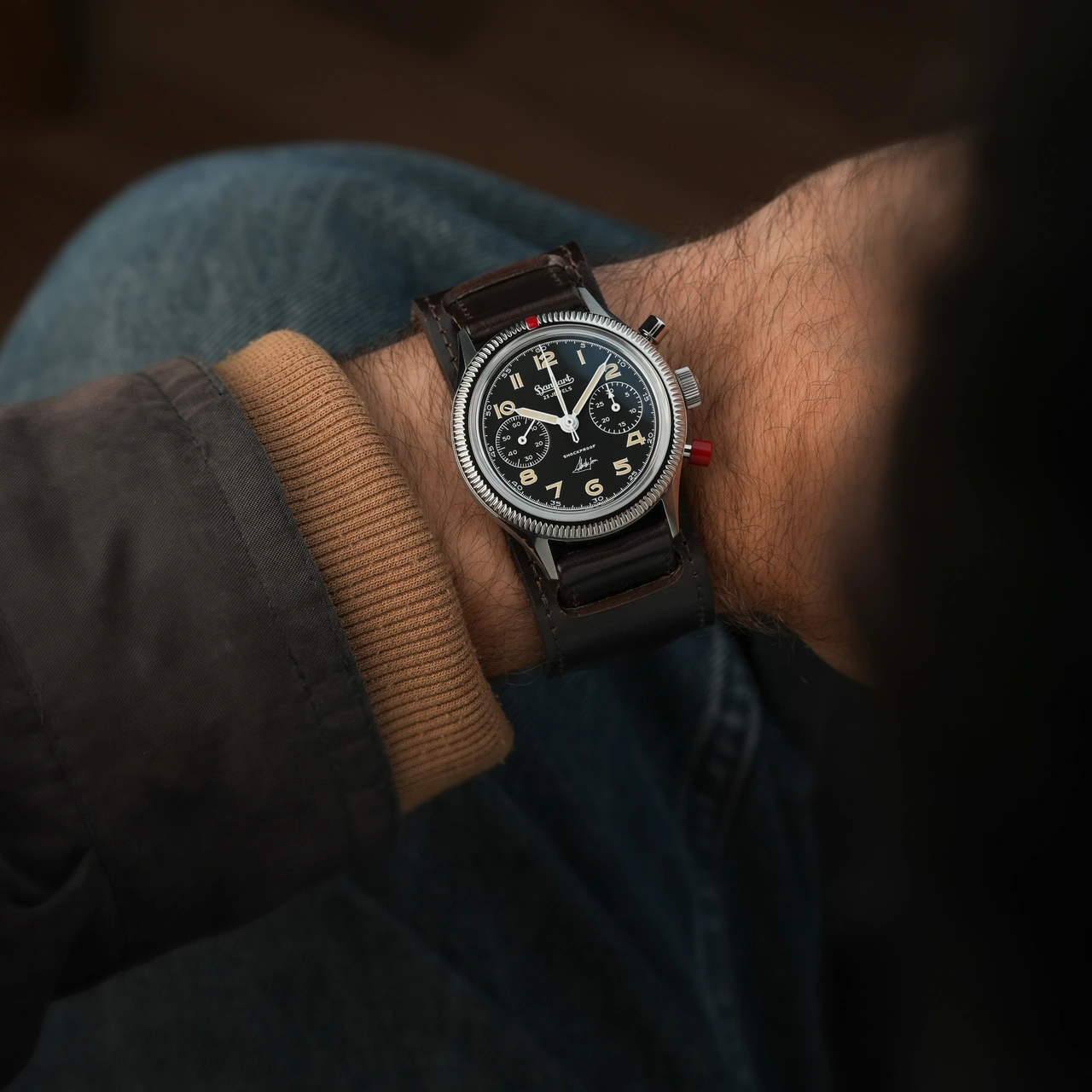
Mechanical watches are particularly suited to carrying this kind of meaning because they are made to remain close to us. They sit against the skin, move with the hand and become part of everyday routines. Small signs of wear gradually record that relationship, from softened edges and fine marks on a clasp to the changing character of a leather strap. These traces are not always flaws, they are evidence that the watch has participated in a life rather than simply being stored away.
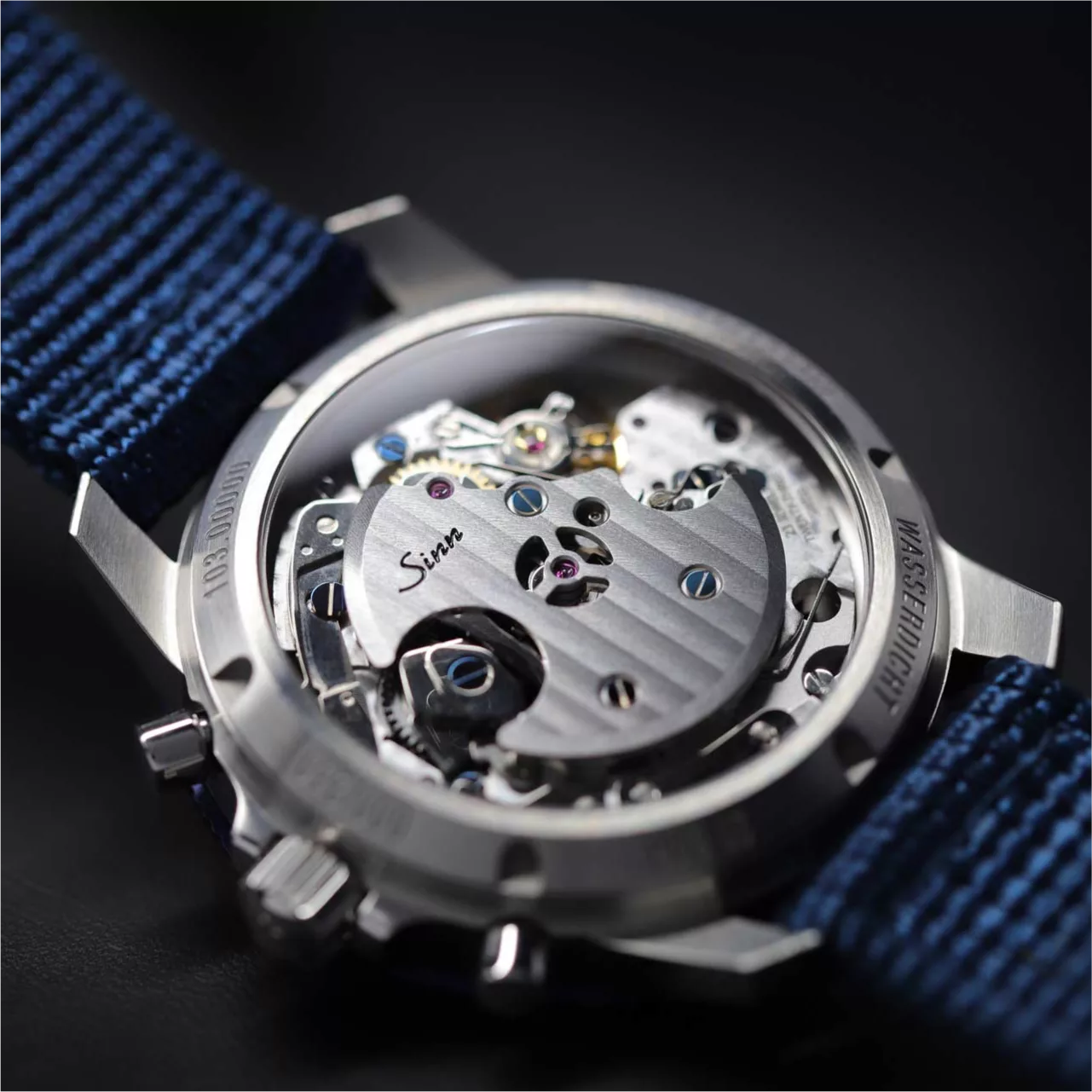
The inner workings add another layer to the connection. A mechanical movement does not rely on a disposable power source, but on stored energy released through a carefully controlled sequence of gears, springs and escapement components. Whether wound by hand or through the motion of an automatic rotor, it needs regular interaction to continue. That physical exchange, winding, setting, wearing and listening, gives the owner a role in the life of the mechanism.

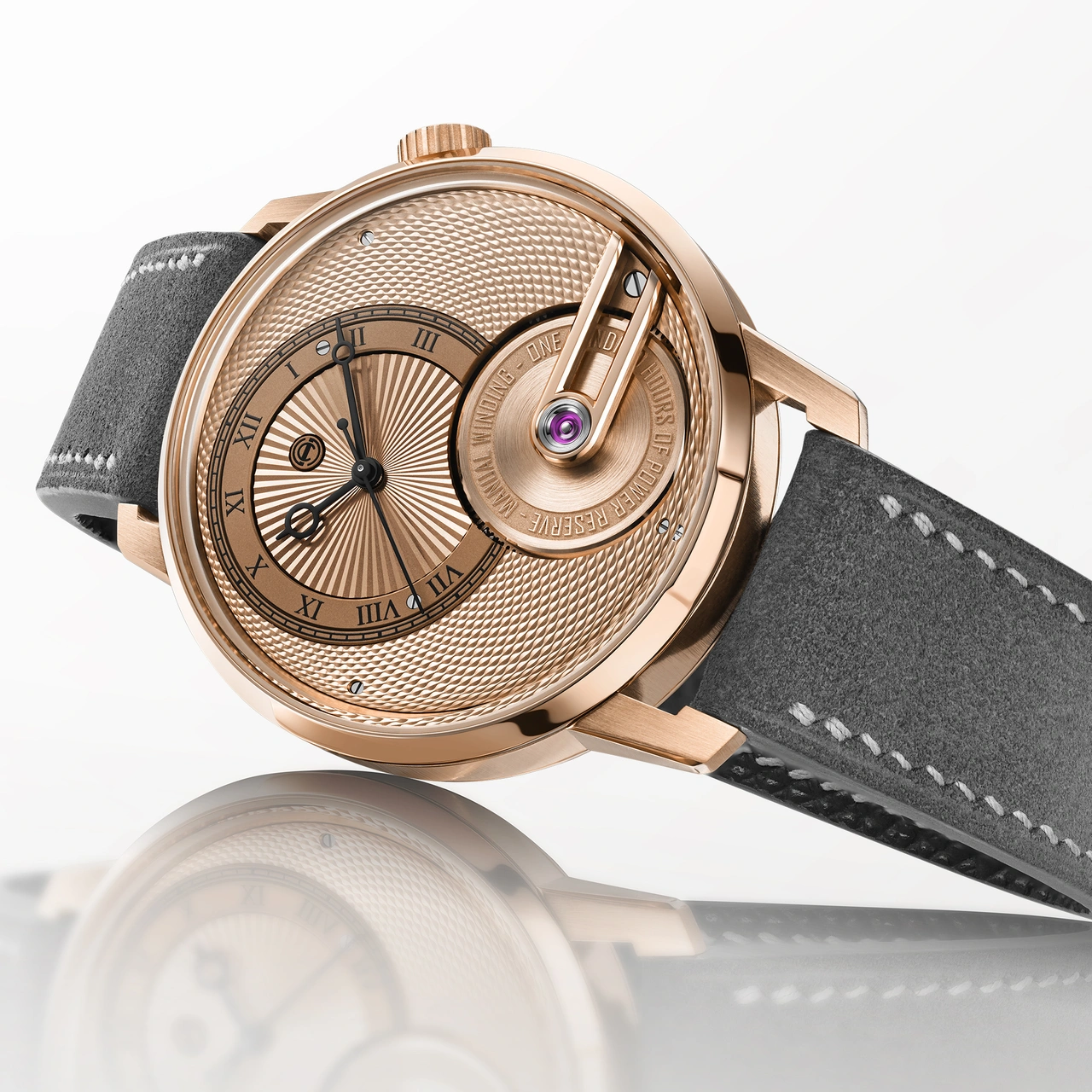
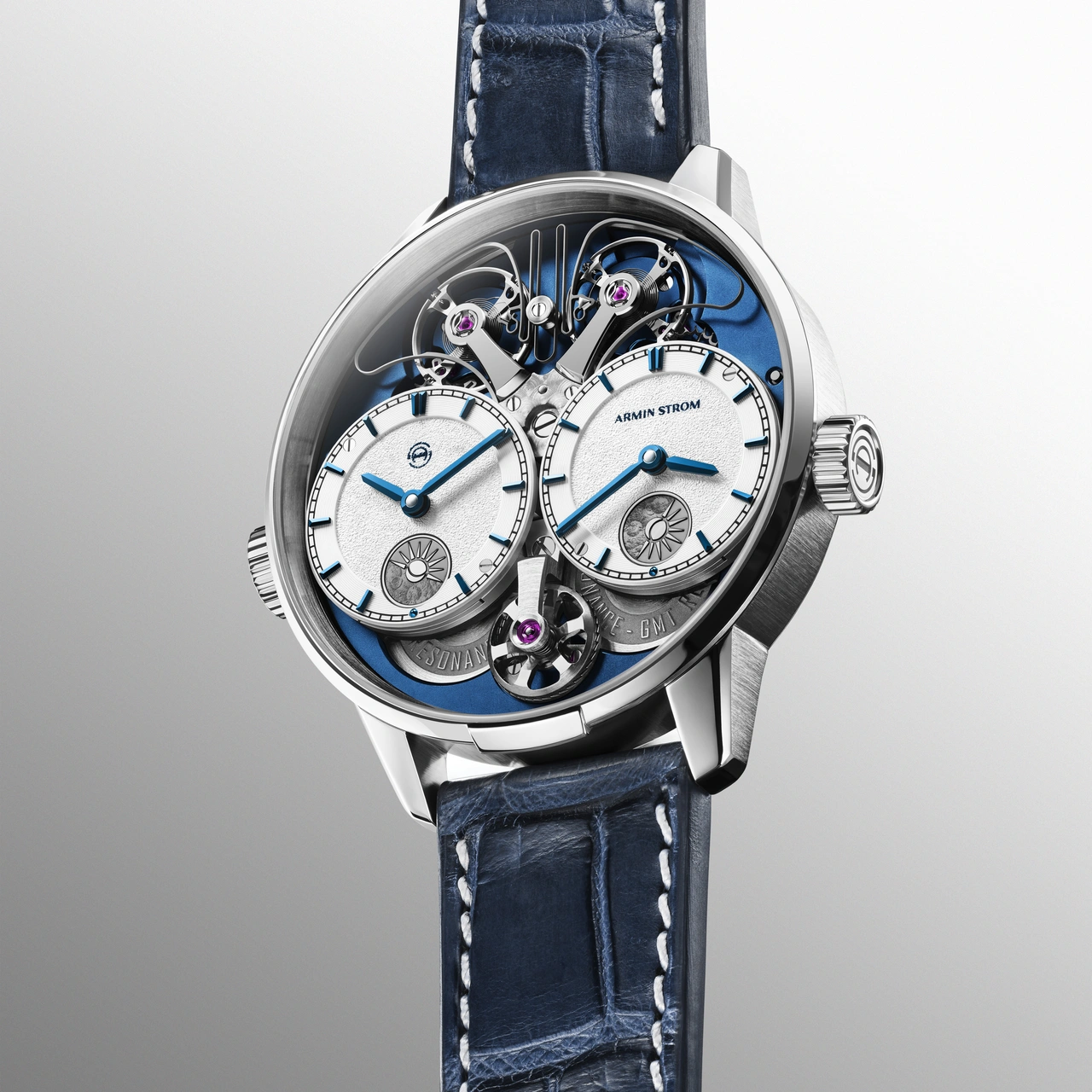
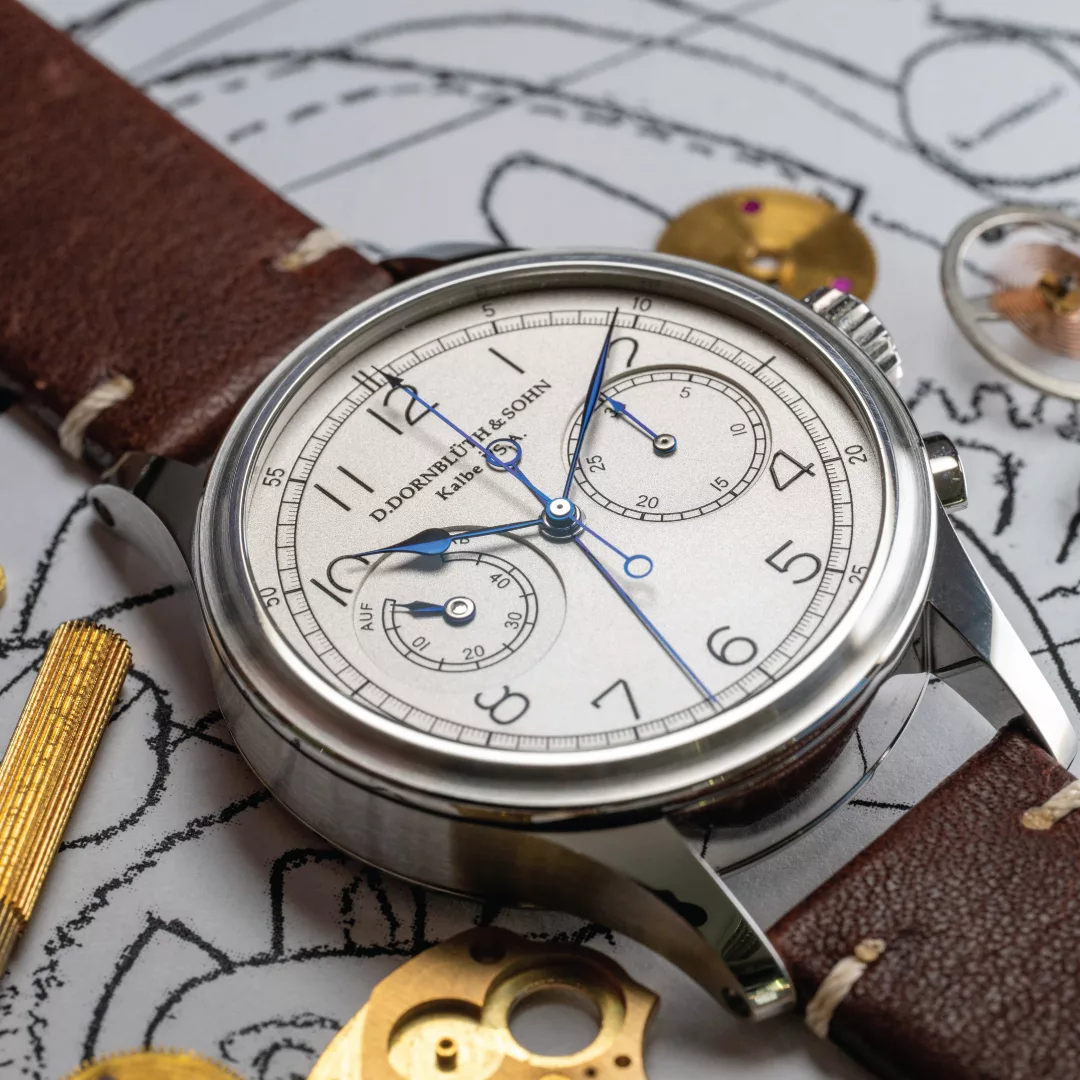
This relationship is strengthened by the knowledge that many mechanical watches carry the touch of individual craftspeople. A hand-finished bridge, a heat-blued screw, an engraved balance cock or a dial produced through traditional techniques reflects hours of concentrated work. Independent watchmakers often make this human contribution especially visible, because their watches are closely connected to the people and workshops behind them. When collectors learn who designed, assembled or finished a watch, the object can feel less like a product and more like the result of a continuing craft tradition.
The history of personal watches also helps explain their emotional weight. Pocket watches and later wristwatches were often presented at moments of service, retirement, achievement or departure. They were practical belongings, but they also became symbols of trust, responsibility and time shared. A watch handed from one generation to another may have modest monetary value, yet its family significance can be beyond calculation because it preserves a tangible connection to someone no longer present.

Collectors do not always need inherited history for an attachment to form. Sometimes meaning grows slowly through repetition, as one watch accompanies years of travel, work, family life or ordinary weekends. It may become the piece worn through difficult conversations, celebrations, early mornings and long journeys. The emotional value is built through accumulation, one day at a time, until the watch becomes inseparable from the memories attached to it.
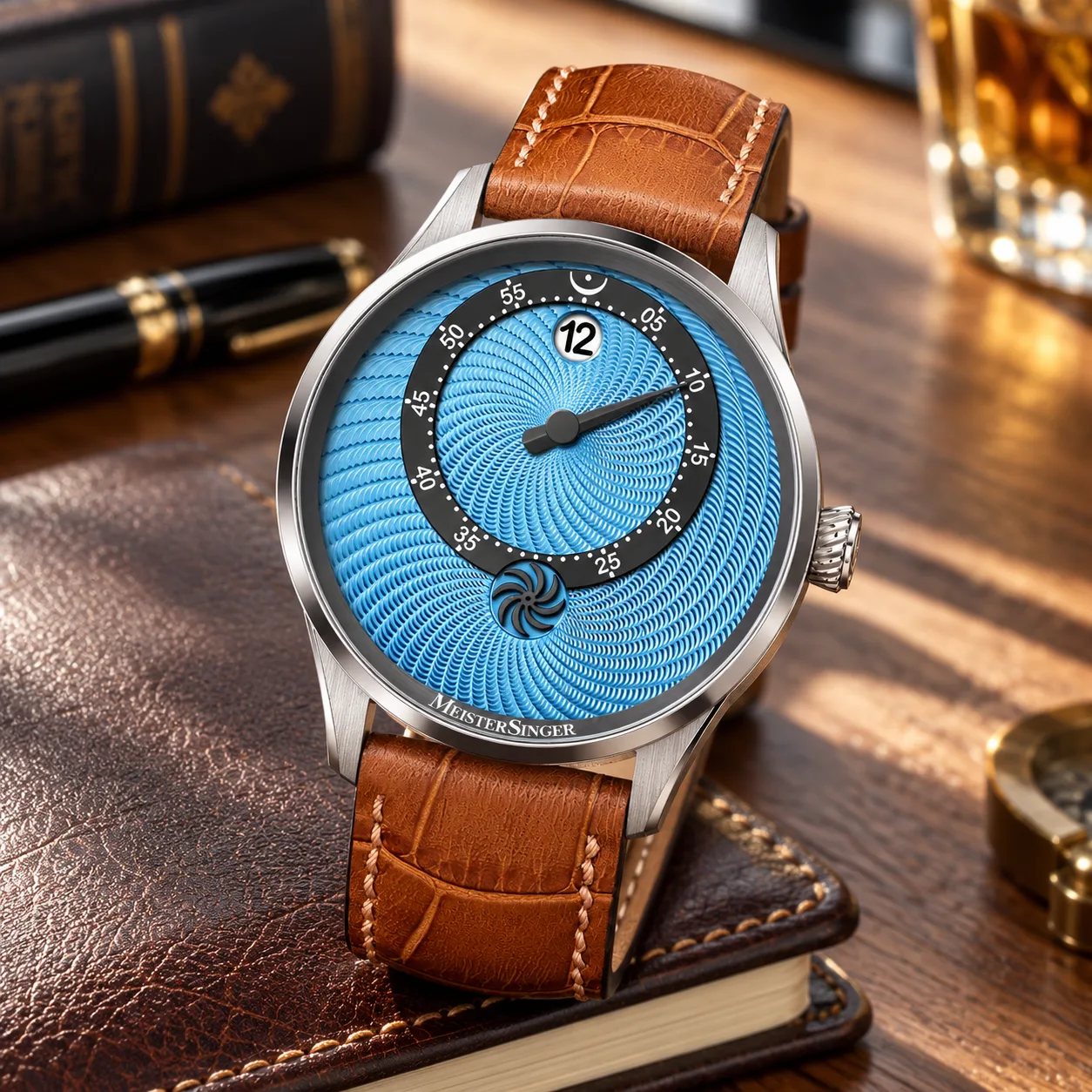
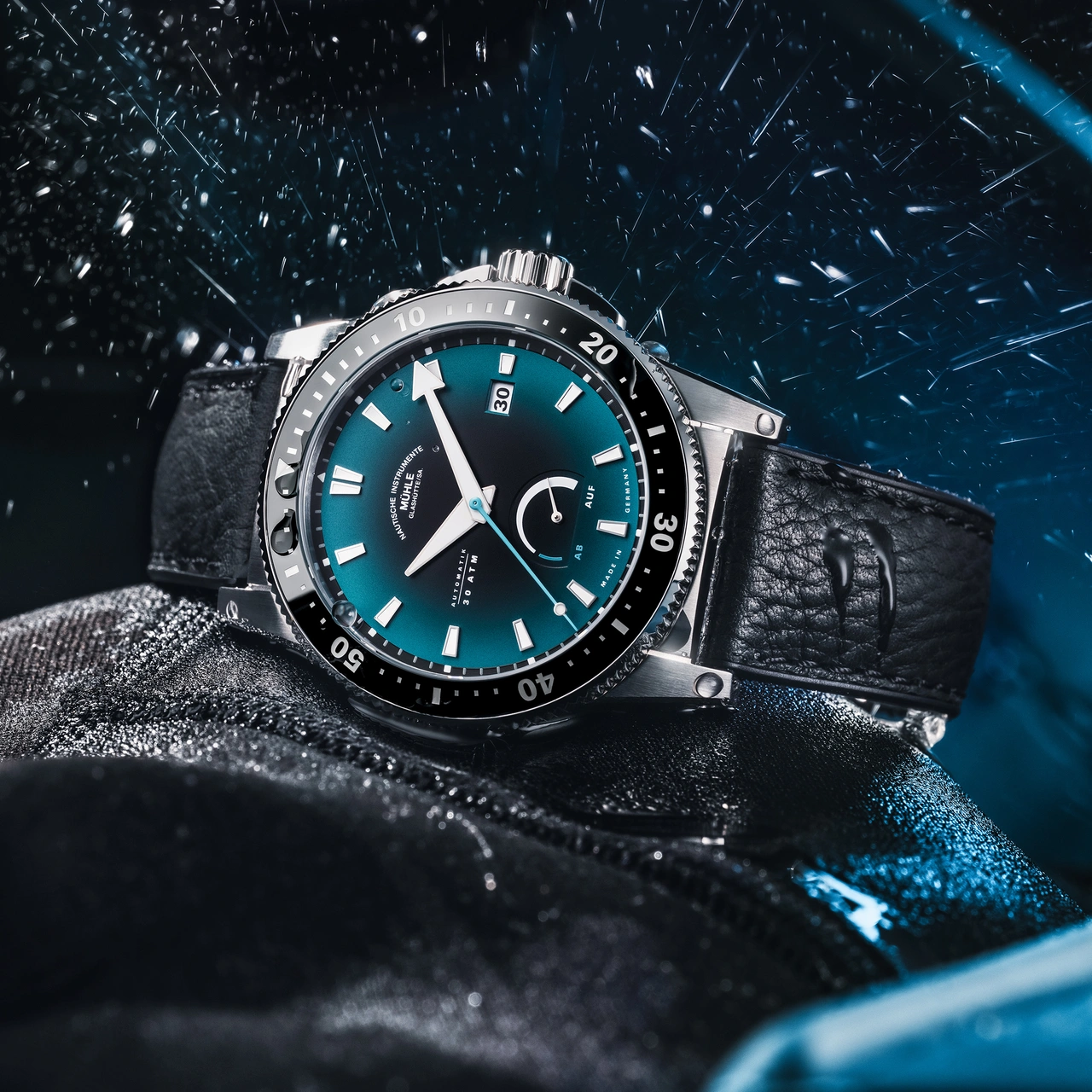
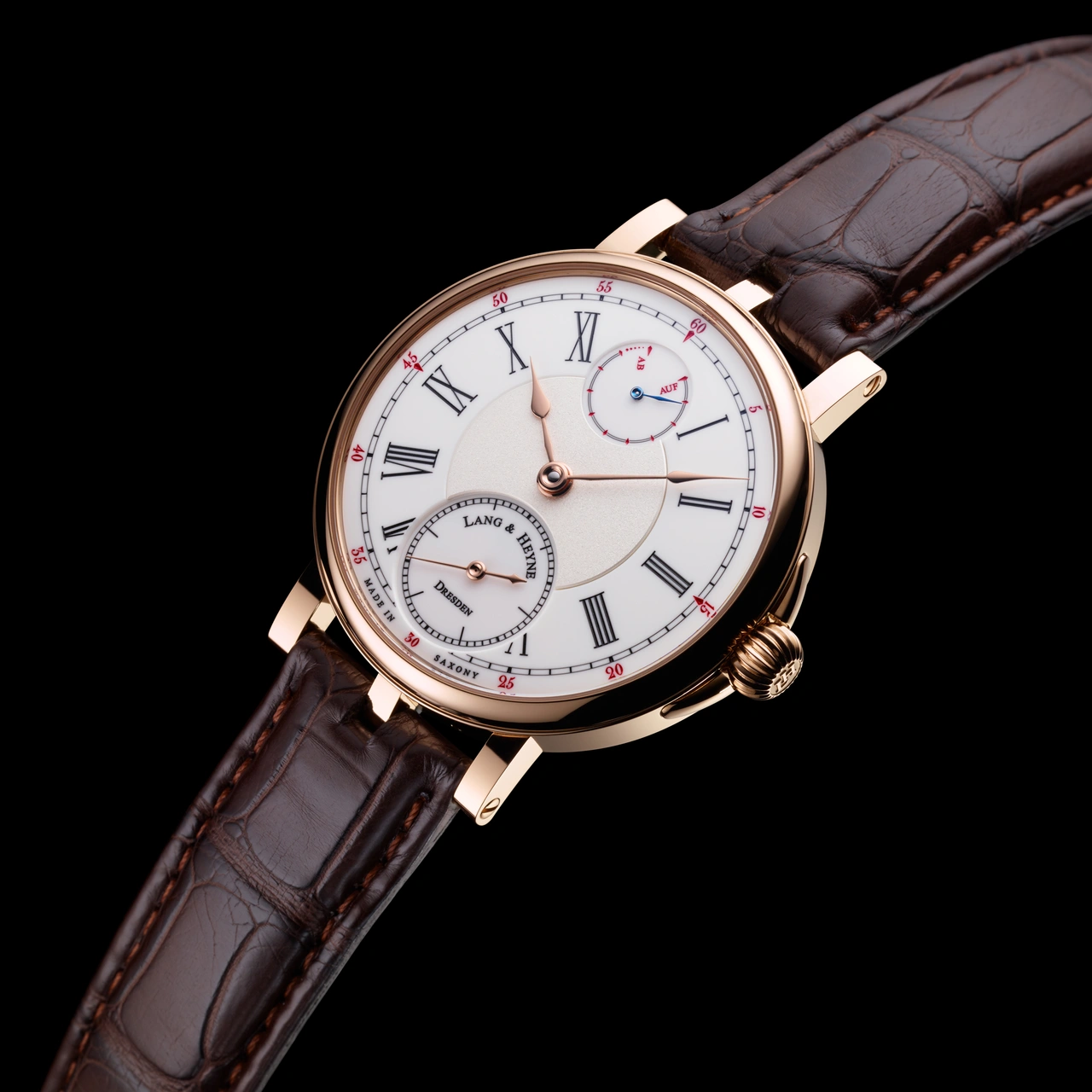
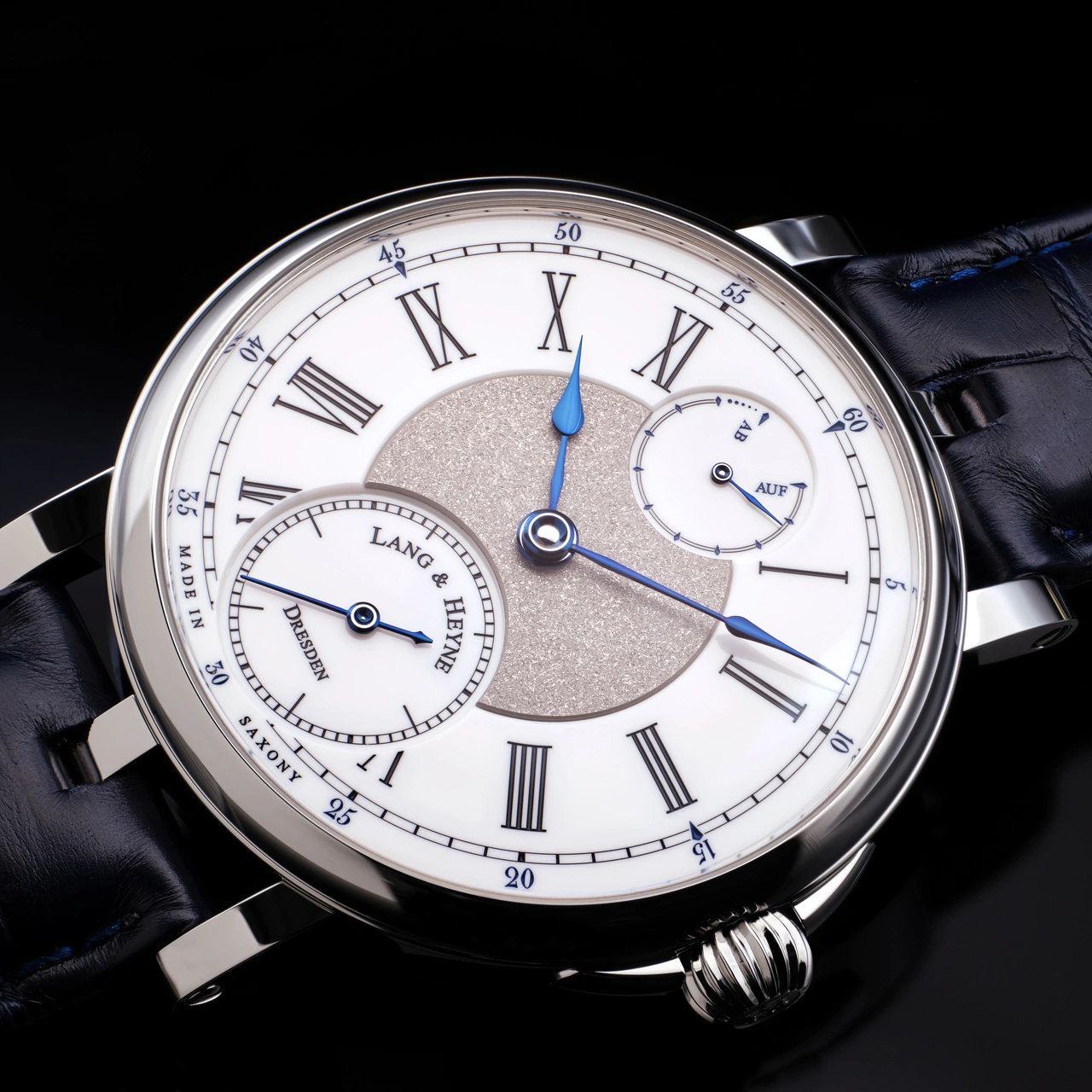
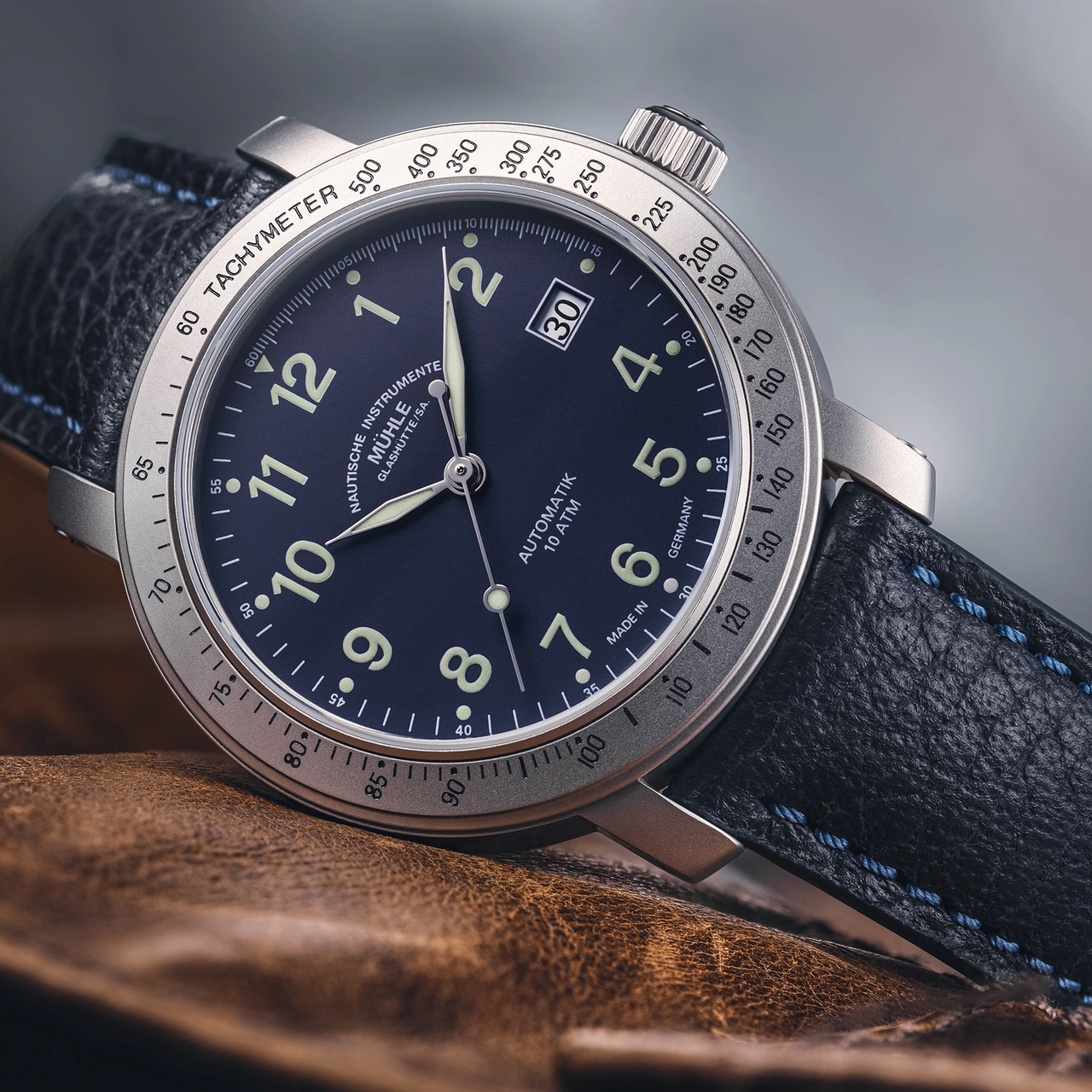
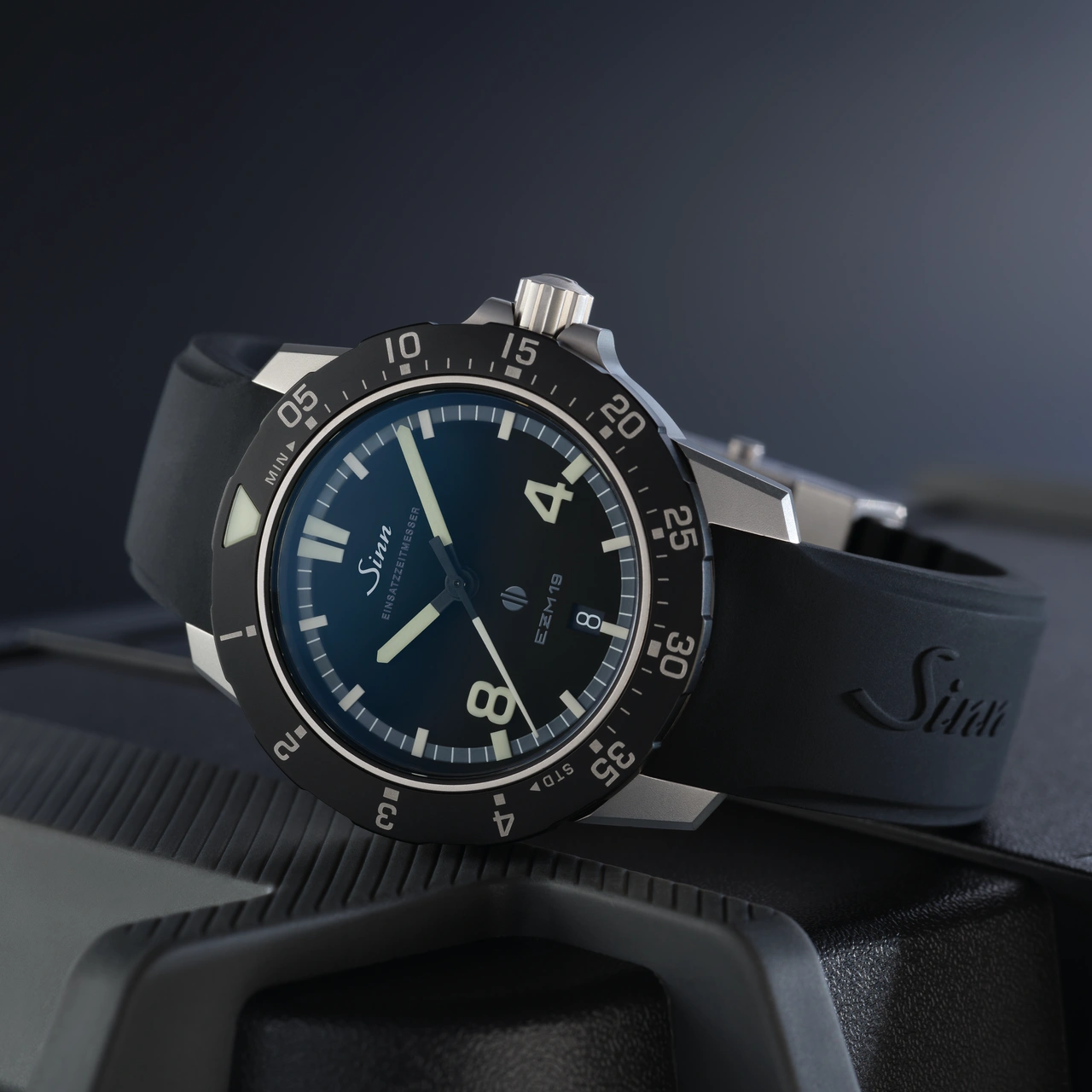
There is also an element of identity in the watches people choose. A restrained German instrument watch, a hand-finished dress watch or an unconventional independent design can reflect the qualities a collector admires, even if those qualities are never discussed aloud. The choice may express a preference for precision, ingenuity, tradition, clarity or individuality. Through our relationships with independent makers, we often see how strongly collectors respond when a watch aligns with their values as closely as it does with their taste.

The act of choosing a watch for the day can itself become a quiet ritual. Collectors may consider where they are going, what they will be doing and which piece feels right for that particular moment. The decision is rarely based on specifications alone, because mood, memory and familiarity often matter just as much as water resistance or case size. In this way, a collection becomes a personal vocabulary, with each watch expressing something slightly different without needing to say anything at all.
This is why decisions to sell or pass on a watch can be unexpectedly difficult. The collector may know that the piece is rarely worn or that another watch suits daily life more naturally, but parting with it can feel like letting go of the period it represents. At the same time, passing a watch to another person can give its story a new direction. The object remains the same, but its meaning continues to develop through another wrist, another set of habits and another chapter.

Ultimately, the emotional side of collecting is not separate from the technical side, it is what gives the technical qualities their personal importance. Finishing, accuracy, proportion and movement design matter because they create an object capable of being admired, trusted and kept. Over time, a well-made watch becomes a vessel for memory, carrying traces of where we have been and who we were when we wore it. That is why certain watches remain with us long after specifications have been forgotten, particularly after years of shared wear and familiar daily use, quietly measuring not only hours, but the shape of a life.