There is a familiar formula in high-end watchmaking when a collection moves further upmarket: take an established watch, reproduce its case in gold or platinum, introduce a new dial colour and create a smaller production run. The new Armin Strom Tribute³ Au750 could easily have followed that path. Instead, the Biel-based independent Manufacture has used the opportunity to reconsider what a gold version of the Tribute should actually mean.
That distinction becomes important once the watch is examined beyond its 18K rose gold case. Gold does not stop at the exterior. It continues through the off-centre dial, the seconds subdial and, most importantly, into the Manufacture Calibre AMW21 itself. All three movement bridges are made from solid 18K rose gold. It is a choice that changes the character of the watch because the precious metal is no longer simply framing the mechanics. It has become one of the mechanics.
For a brand such as Armin Strom, that approach feels particularly appropriate. The Manufacture has built much of its modern identity around revealing mechanisms rather than hiding them, often treating the calibre architecture as an essential component of the dial design. The Tribute³ Au750 takes that philosophy and places it within a more classical framework, bringing traditional métiers d’art techniques into a watch whose mechanical construction remains unmistakably contemporary.
More Than a Gold Tribute
The Tribute has always occupied an interesting place within the Armin Strom collection. Compared with some of the Manufacture’s more technically theatrical creations, its 38 mm proportions and restrained time-only format can initially appear conventional. Spend more time with the architecture, however, and the familiar Armin Strom language begins to reveal itself.
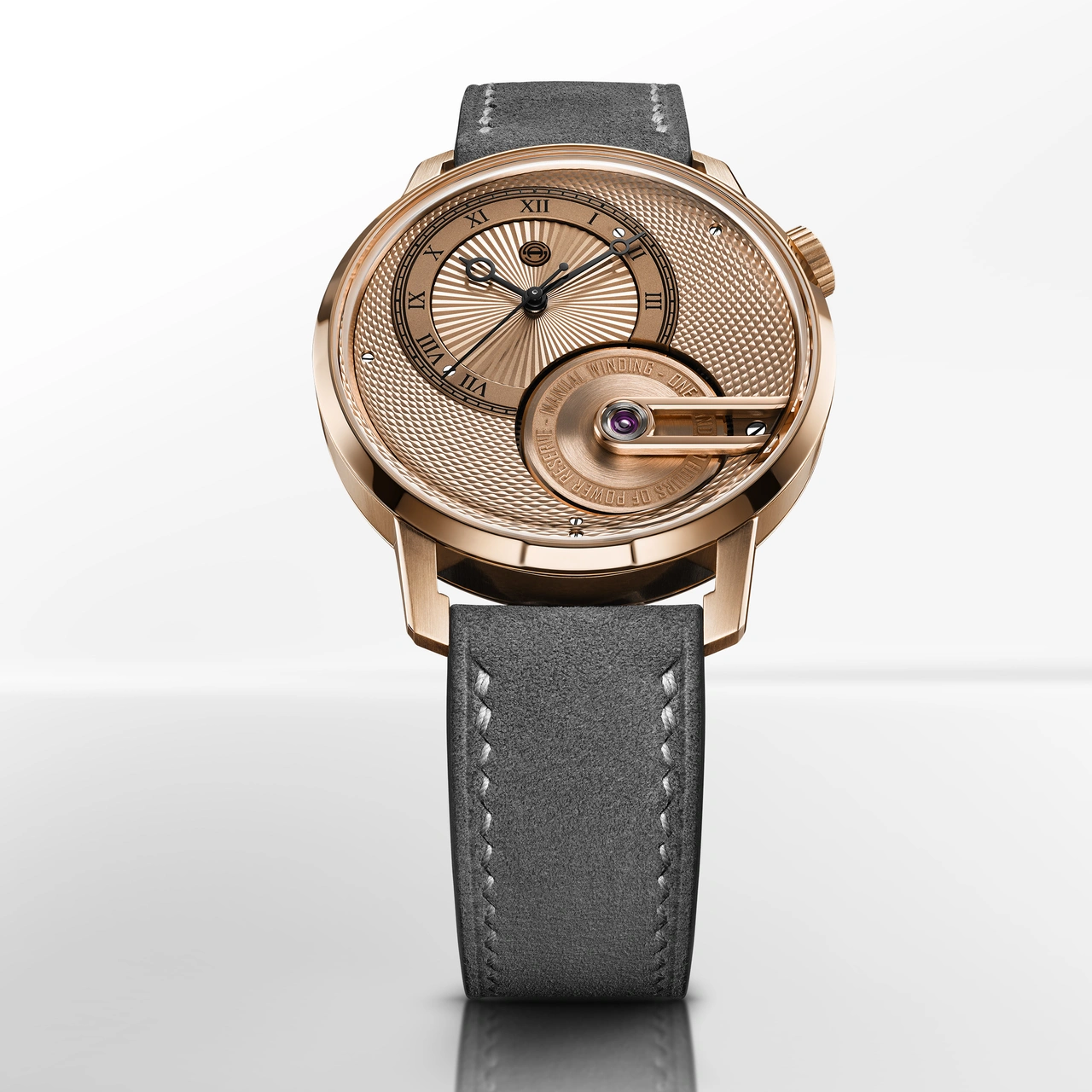
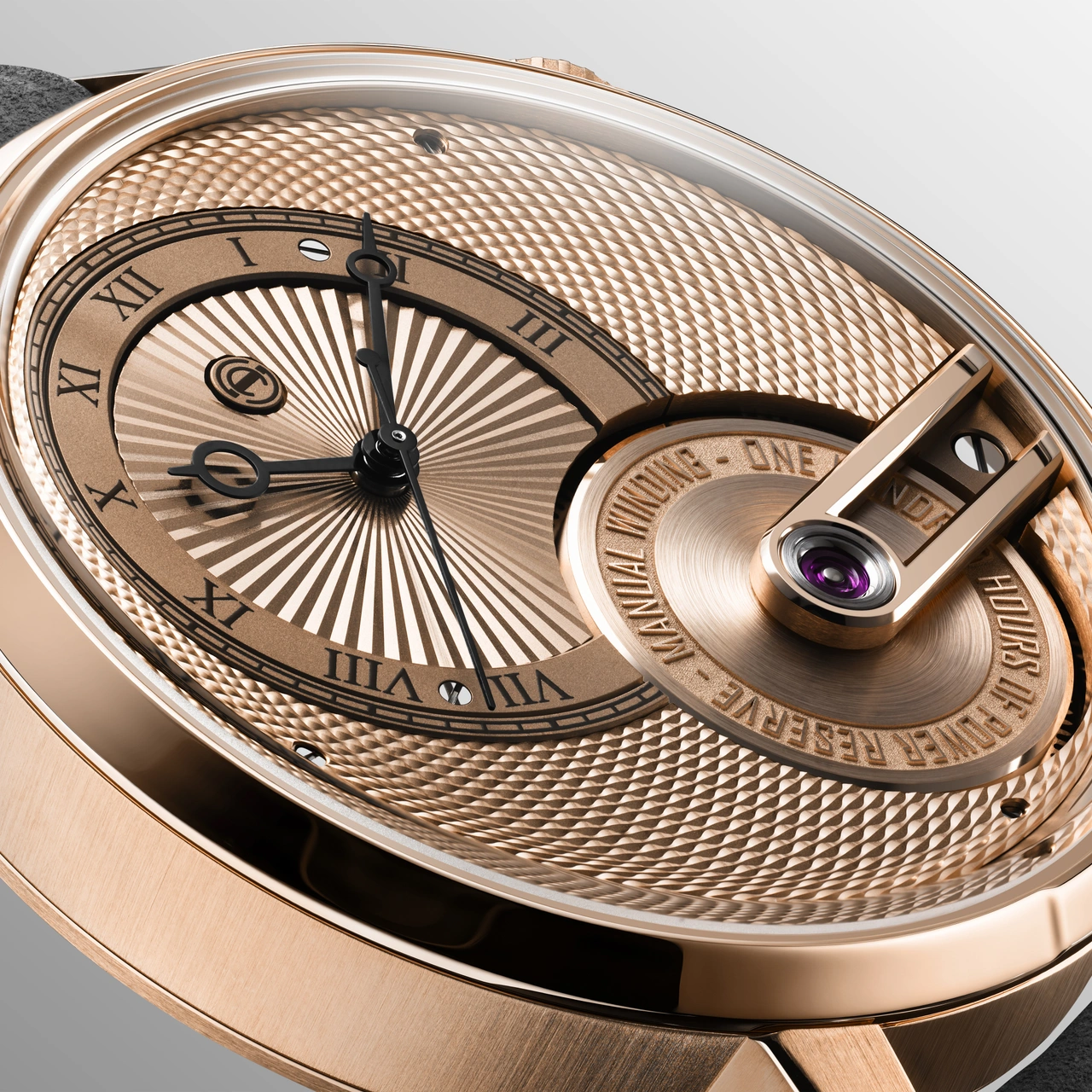
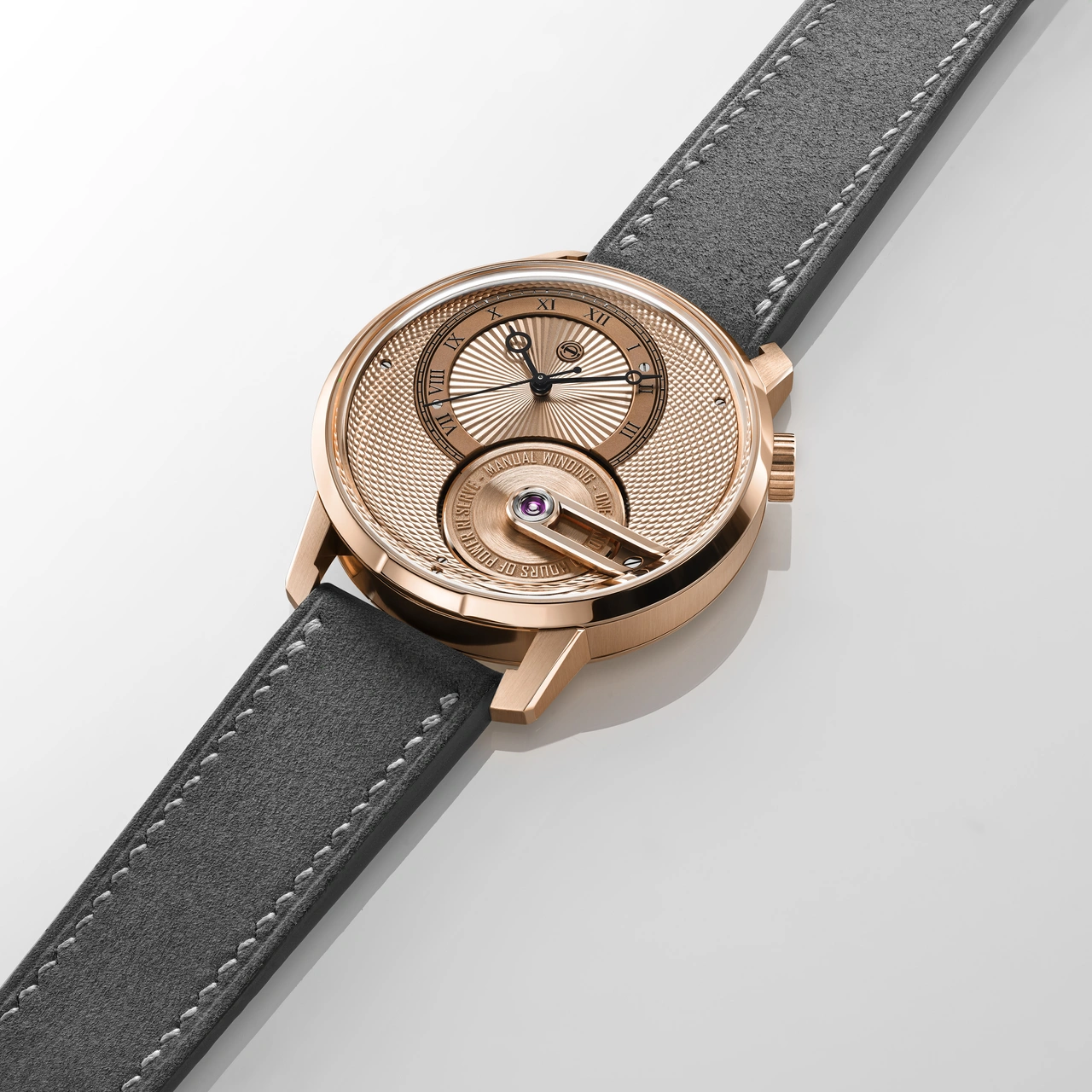
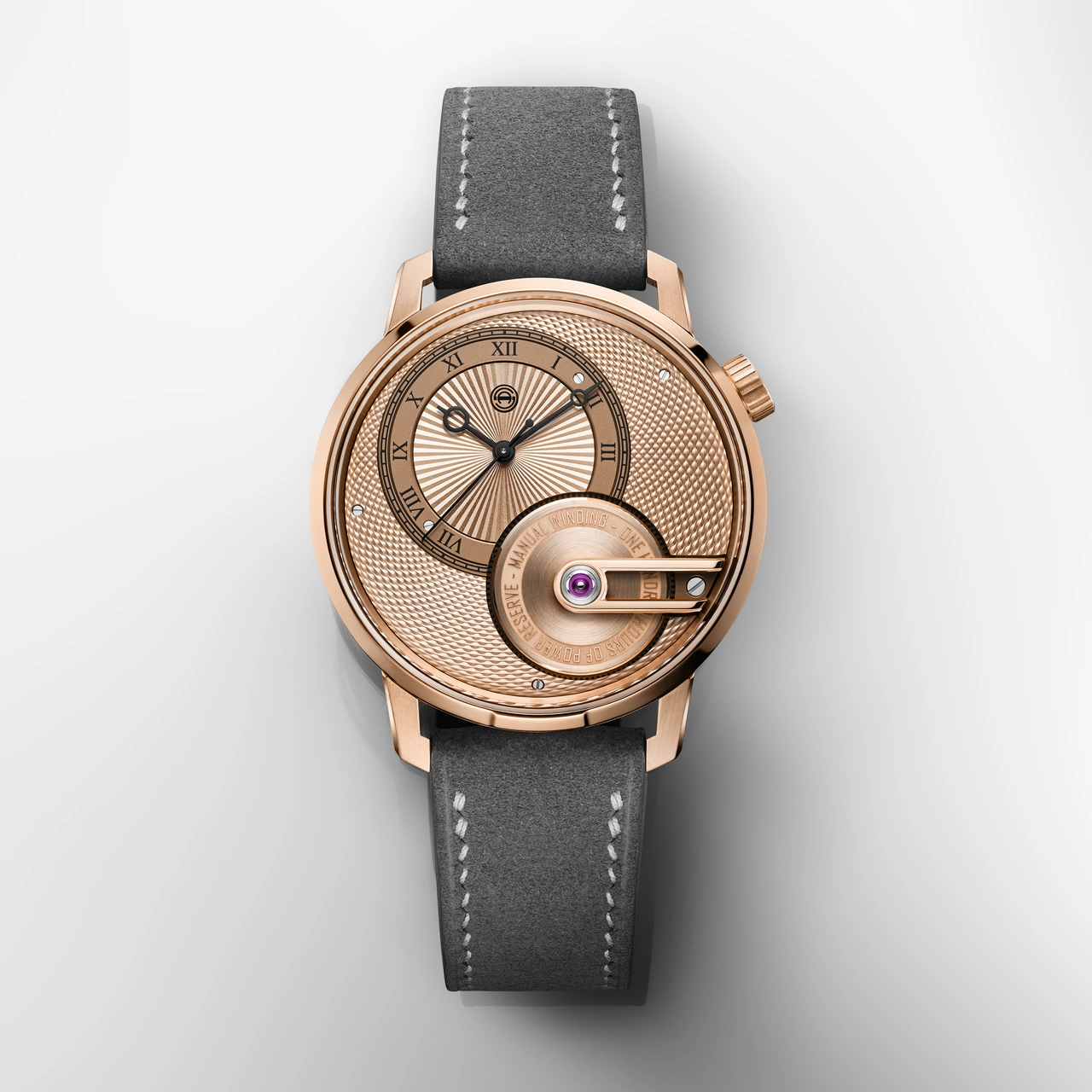
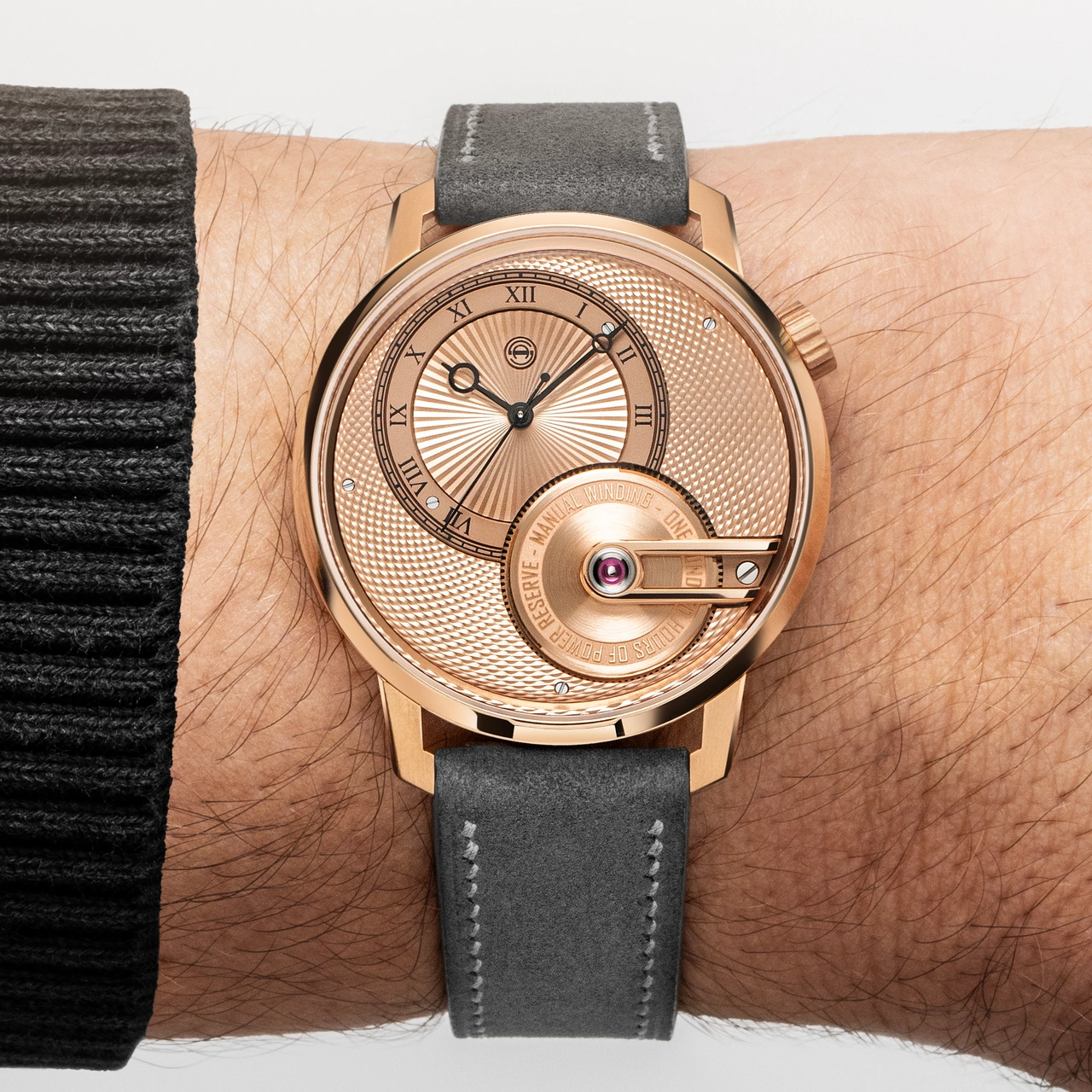
The visible barrel on the dial side immediately shifts the composition away from a traditional central layout. Time is displayed on an off-centre dial, with the small seconds placed within it, while the mechanical barrel occupies a significant portion of the remaining space. Rather than attempting to disguise this asymmetry, Armin Strom makes it one of the defining features of the Tribute.
For the Tribute³ Au750, that existing layout becomes considerably richer without becoming visually overloaded. The case, dial and subdial are all made from 18K rose gold, but they are deliberately prevented from blending into a single uninterrupted gold surface. The key is texture.
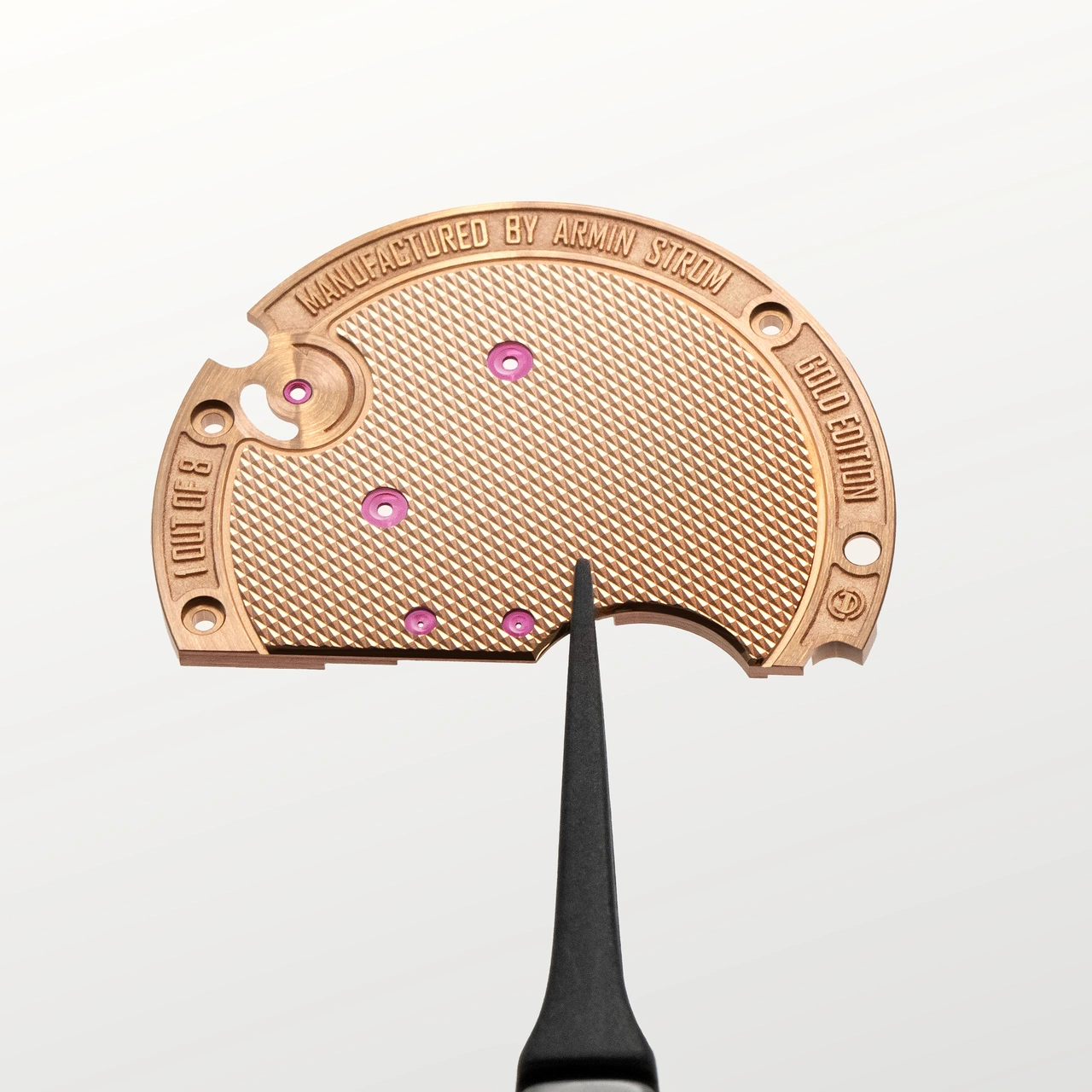
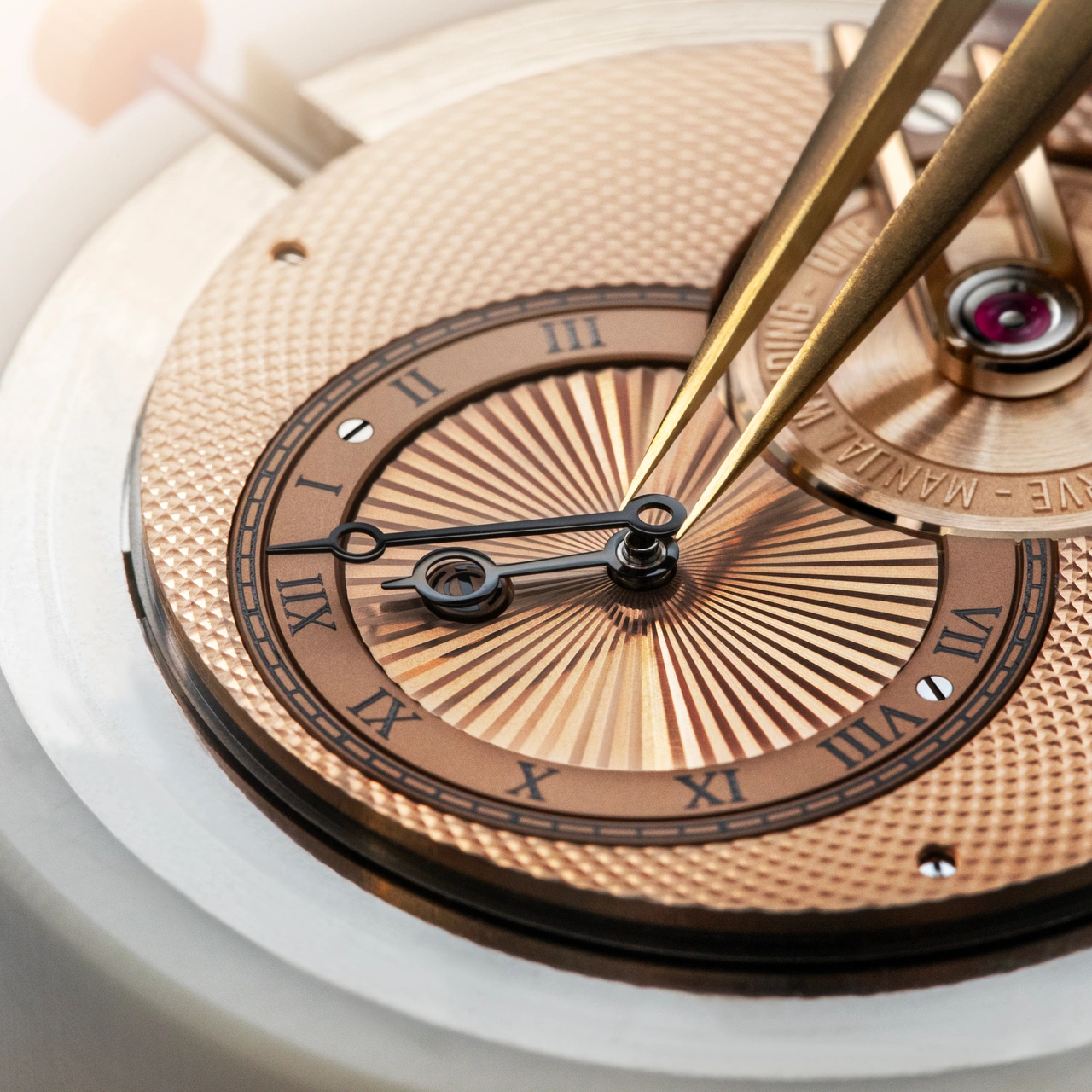
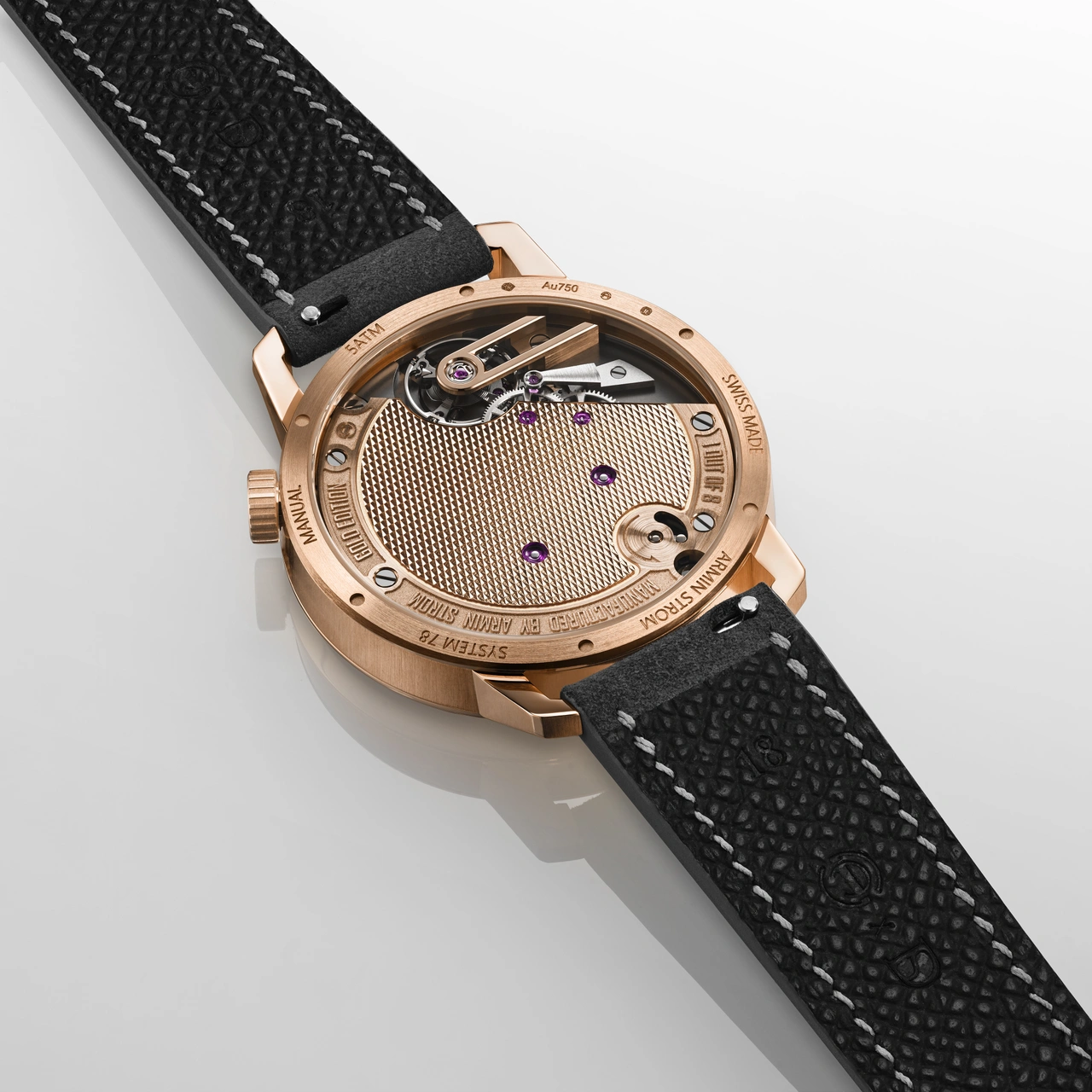
Three separate guilloché patterns are used throughout the watch, and each has its own role. The primary off-centre dial receives a radiating soleil pattern. The smaller seconds display uses grain d’orge, while the three-quarter bridge on the back of the movement is decorated with clou de Paris. These are established decorative techniques, but their use here feels less like historical imitation and more like a study of how the same metal can be made to behave in completely different ways.
The soleil pattern gives the main dial a sense of movement as light travels from its centre. Grain d’orge creates a tighter, more intricate texture within the seconds display. Turn the watch over and the clou de Paris bridge offers an altogether more geometric interpretation. The gold remains consistent, but its personality changes depending on how its surface has been worked.
A Different Approach to Métiers d’Art
Guilloché can sometimes feel disconnected from the engineering of a watch, particularly when it is applied primarily to create an ornate dial. The Tribute³ Au750 avoids that separation because decoration moves between the dial and the movement itself.
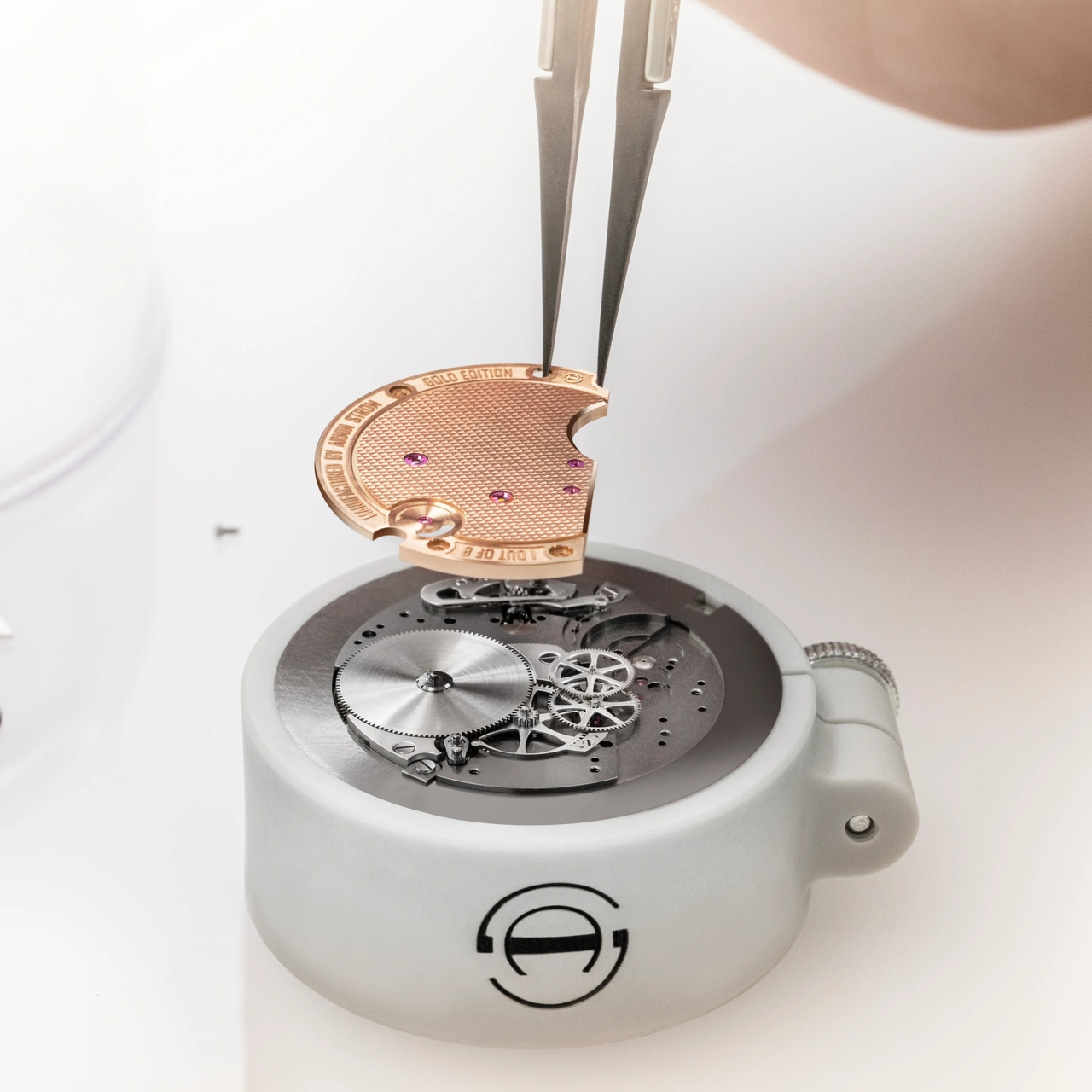
That is particularly effective on the case back. The large three-quarter bridge is not simply made from solid rose gold. Its clou de Paris surface is surrounded by hand-finished bevels and positioned against a grey PVD-coated mainplate. The contrast prevents the gold from dominating everything around it. Instead, the darker backdrop gives its geometry considerably more definition.
It is also a reminder that the watch is not intended to be monochromatically luxurious. Grey appears repeatedly throughout the design, including the mainplate, Breguet-style hands, nubuck strap and stitching. These cooler elements temper the warmth of the rose gold and keep the overall composition closer to Armin Strom’s contemporary aesthetic.
The Breguet-style hands are themselves new to the model. Manufactured by Armin Strom from stainless steel, finished by hand and coated in grey PVD, they sit against Roman numerals and strengthen the Tribute’s connection with traditional watchmaking without turning the watch into a period piece. Their shape may be classical, but their subdued grey finish makes them feel entirely appropriate within the surrounding architecture.
Calibre AMW21 and the Logic Behind the Barrel
For all the attention given to gold and guilloché, the Manufacture Calibre AMW21 remains the reason the Tribute³ Au750 is fundamentally an Armin Strom watch.
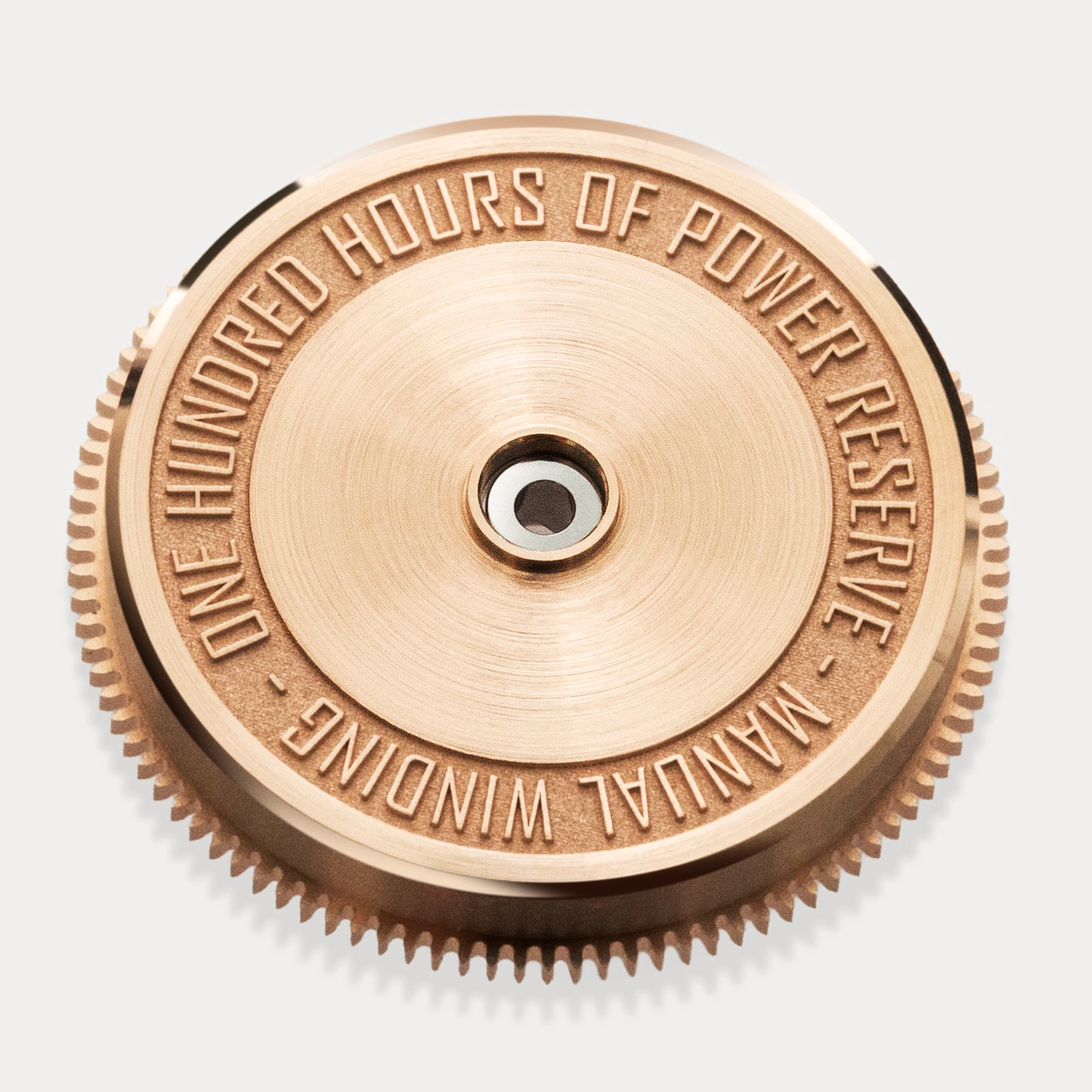
The manually wound movement measures 33.5 mm across and only 4.2 mm high, yet provides 100 hours of power reserve. That figure is achieved in part through Armin Strom’s motor barrel construction. In a conventional arrangement, a barrel drum rotates around its arbor as stored energy is released. Armin Strom reverses this relationship, using the arbor to wind the mainspring inside a fixed barrel drum.
The technical advantage is not simply an unusual mechanism for its own sake. The construction is designed around efficient use of space and energy, helping the relatively compact AMW21 achieve its four-day-plus reserve without requiring an excessively large movement.
There is also something satisfying about seeing that mechanism given such visual prominence. On the dial side, the barrel is held beneath a slender finger bridge fashioned from solid rose gold and finished to a mirror polish. A functional component has therefore become one of the watch’s visual anchors.
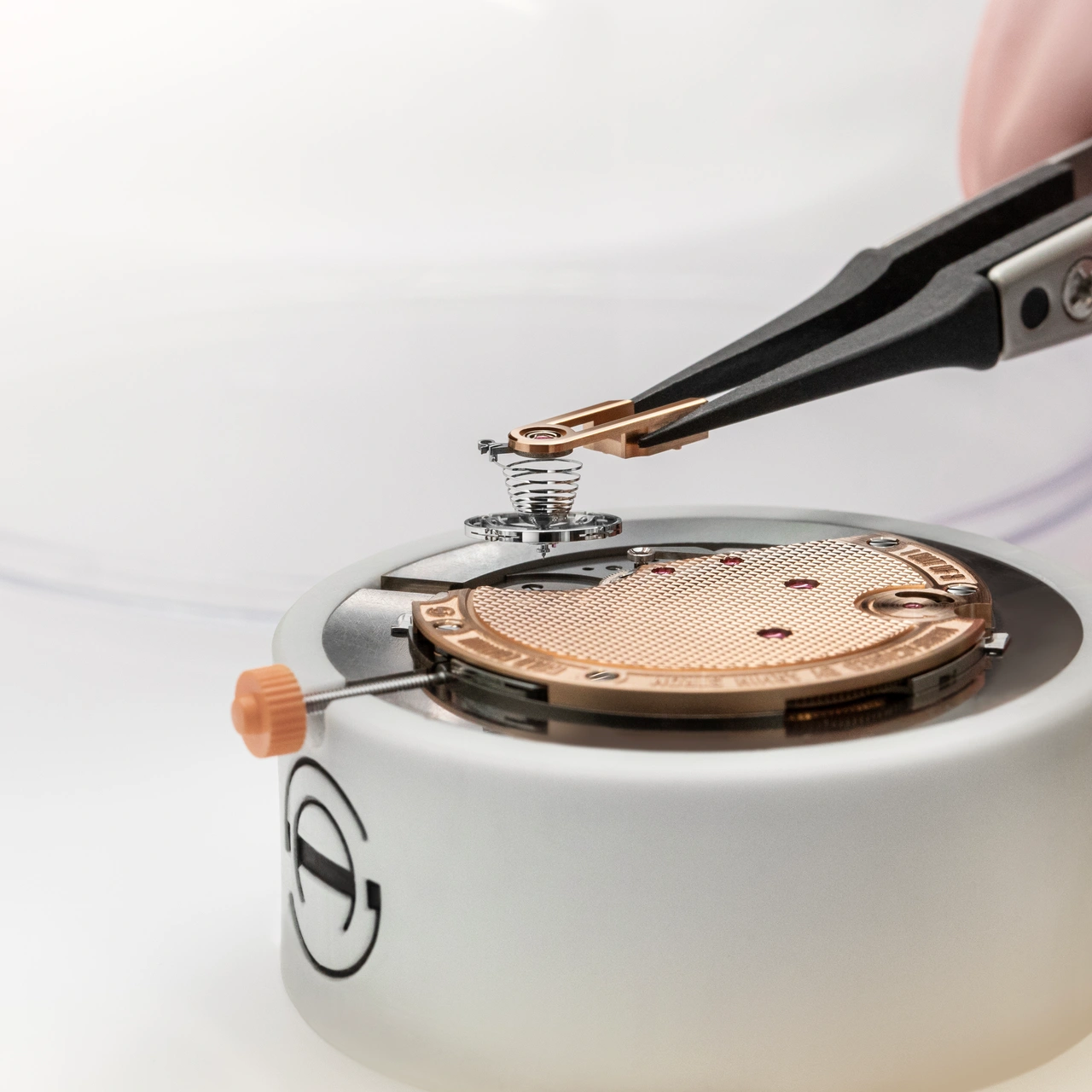
The same principle appears at the balance, where another rose gold finger-style bridge continues the architecture. These elements make the material story considerably more meaningful. Gold is supporting the mechanism rather than simply enclosing it.
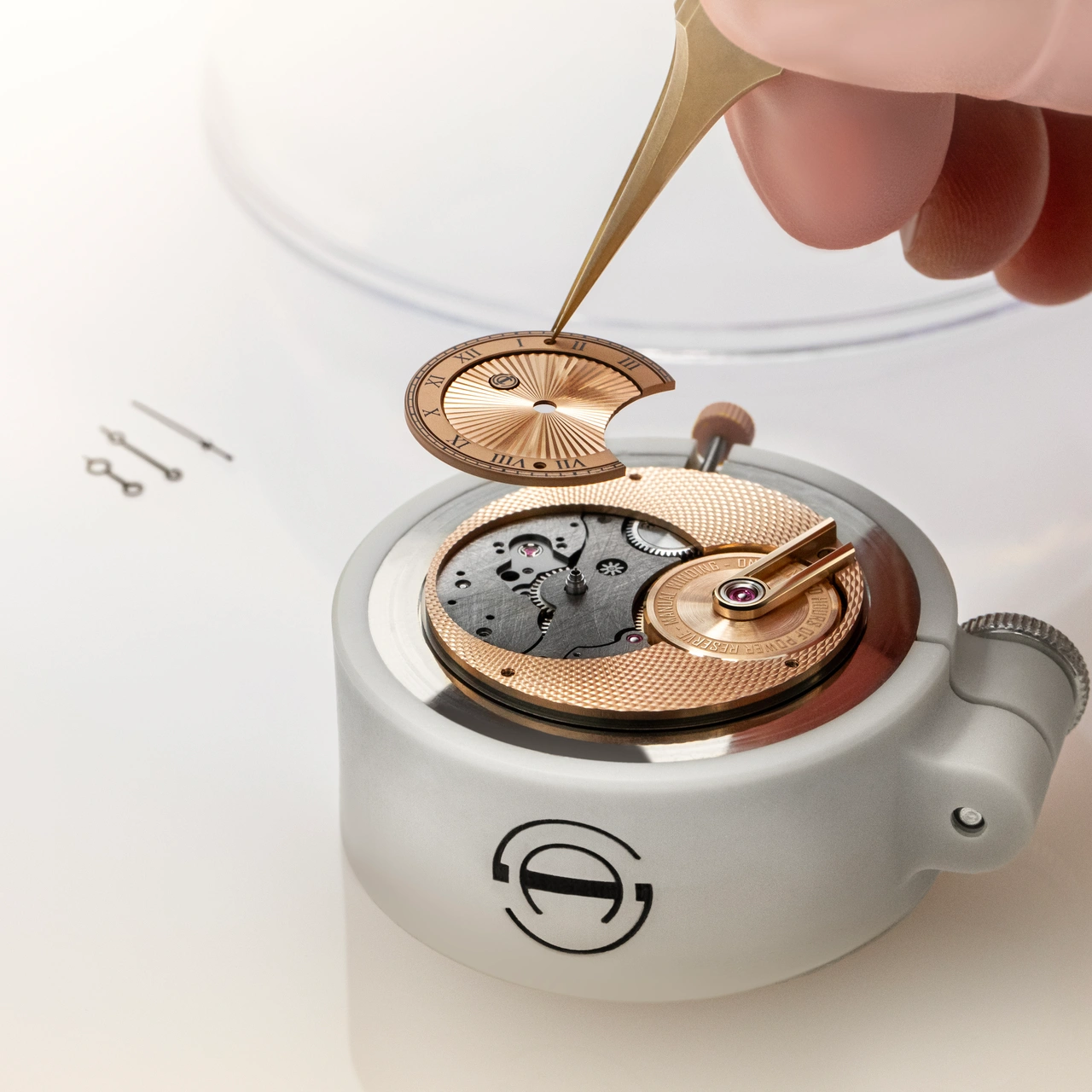
The regulating system uses a flat hairspring and variable inertia balance wheel, with the movement operating at 3.5 Hz, or 25,200 vibrations per hour. Calibre AMW21 consists of 135 components and 21 jewels, but perhaps the more revealing statistic is that approximately 97 percent of its components are produced by Armin Strom itself.
For an independent manufacture, that degree of internal production matters. Independence in watchmaking is often discussed primarily in terms of ownership, but Armin Strom’s interpretation also concerns the ability to conceive, manufacture, decorate and assemble a calibre within its own operation.
Finishing That Rewards Closer Inspection
The movement architecture would lose much of its impact without the level of finishing surrounding it. Armin Strom has combined several traditional techniques across the calibre rather than relying on a single decorative treatment.
The mirror-polished finger bridge is perhaps the most immediately striking because its almost perfectly reflective surface provides such a dramatic contrast against the textured gold nearby. Elsewhere there are hand-polished bevels, frosted surfaces, circular graining and black-polished screws.
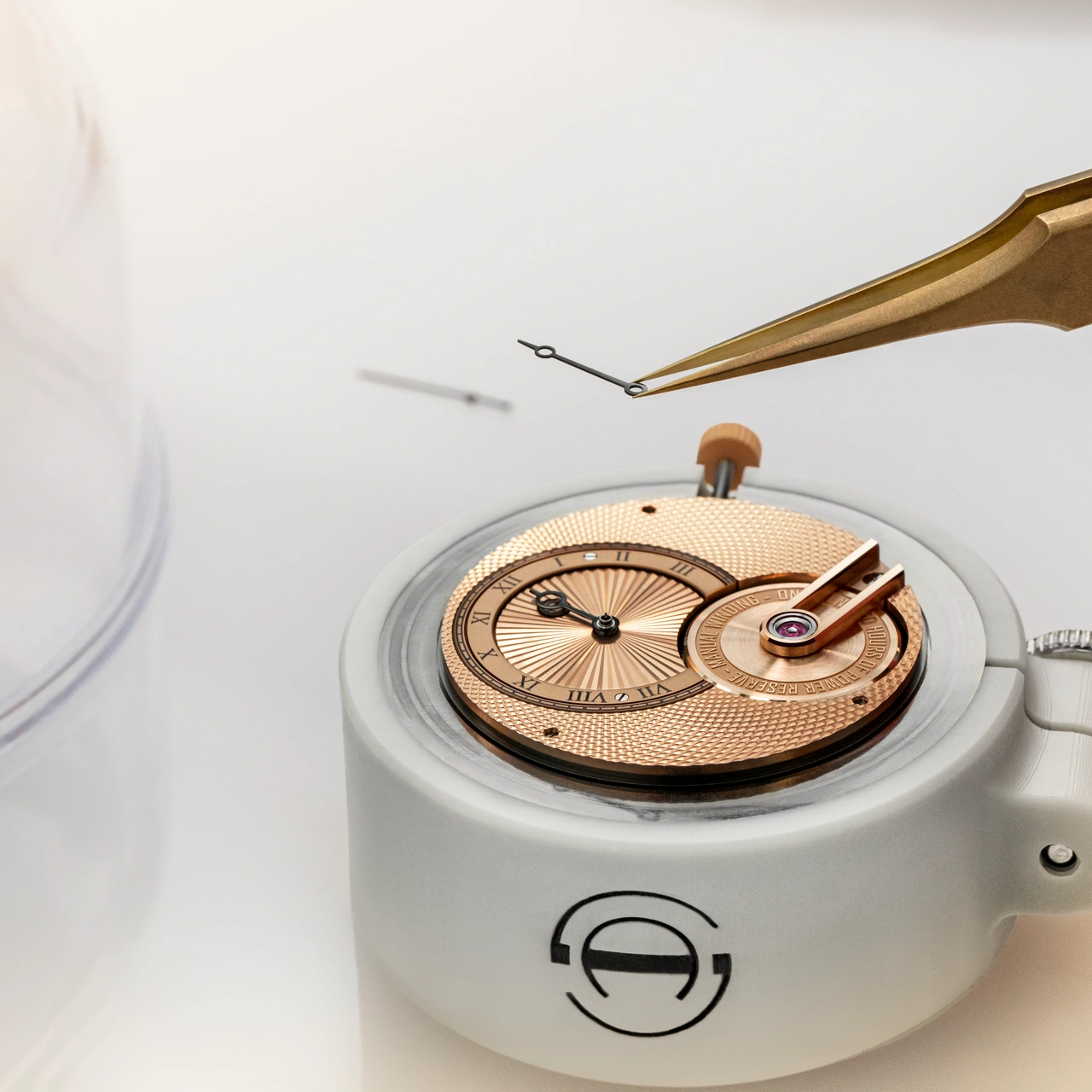
These details matter because the Tribute³ Au750 is not a watch that depends on complexity of function to justify its position. It displays hours, minutes and seconds. There is no tourbillon, perpetual calendar or minute repeater competing for attention. Its complexity is instead found in how a relatively straightforward mechanical watch has been designed, manufactured and finished.
That restraint makes details such as the dual assembly process more interesting. Every Armin Strom watch is assembled twice. Following the first assembly, the movement is disassembled before the final cleaning, finishing verification and reassembly process. It is an exceptionally labour-intensive approach, but one that reflects how seriously the Manufacture treats finishing as part of mechanical watchmaking rather than as something applied once construction is complete.
Thirty-Eight Millimetres Feels Like the Right Decision
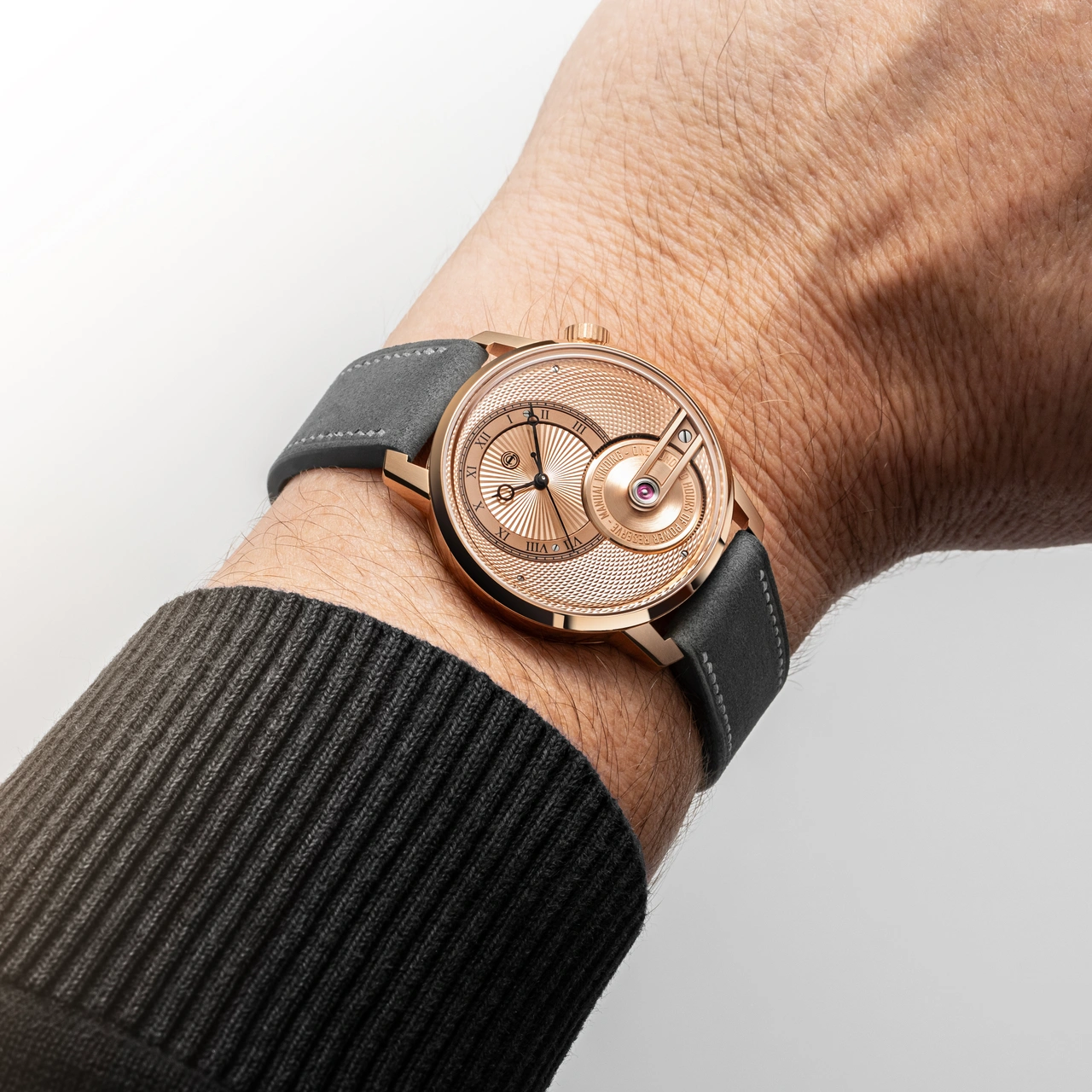
With so much happening mechanically and decoratively, it would have been easy to make the Tribute³ Au750 larger simply to provide more visual space. Instead, its case remains a very restrained 38 mm in diameter and 9.38 mm high.
Those proportions contribute significantly to the watch’s character. Gold can become visually dominant very quickly, particularly when combined with elaborate dial finishing. Keeping the dimensions compact allows the material and craftsmanship to speak without turning the watch into a statement based primarily on physical scale.
The grey nubuck leather strap is another smart decision. A glossy alligator strap would have pushed the Tribute³ into much more conventional dress-watch territory. Nubuck has a softer, more contemporary surface that sits comfortably alongside the grey movement elements and PVD-coated hands. The solid 18K rose gold pin buckle provides the expected finishing touch without changing that balance.
Water resistance is rated to 5 ATM, appropriate for the style and construction of the watch, while sapphire crystals with anti-reflective treatment are fitted to both the front and rear. The latter is particularly important here. Much of the argument for the Tribute³ Au750 exists on the reverse side, and concealing that movement behind a solid case back would have missed the point entirely.
Rarity Is Almost the Least Interesting Part
Only eight examples of the Tribute³ Au750 will be produced worldwide. For collectors operating at this end of independent watchmaking, that number will inevitably form part of the appeal. Yet focusing too heavily on rarity risks overlooking what actually makes the watch interesting.
An eight-piece edition can be made rare simply by deciding to produce eight watches. What matters is whether the object itself justifies that level of exclusivity. In the case of the Tribute³ Au750, the more compelling story lies in the amount of specialised work concentrated into each example.
There are three different forms of guilloché, multiple traditional finishing techniques, a manufacture movement with genuine technical character, an unusually high proportion of internally produced components and solid gold integrated into the movement structure itself. None of those elements depends upon the limited-edition number for its significance.
A Tribute to Craft Rather Than Excess
The most successful aspect of the Tribute³ Au750 may be that it manages to use an extraordinary amount of gold without becoming a watch primarily about opulence.
Its precious metal has a job to do. Sometimes that job is structural, supporting the barrel, balance or movement architecture. Elsewhere it becomes a canvas for guilloché or traditional hand-finishing. Even where the rose gold is most prominent, contrasting grey surfaces prevent the watch from becoming visually excessive.
That makes the Tribute³ Au750 particularly representative of the part of contemporary independent watchmaking that values authorship and craft over complication counting. Its AMW21 calibre is technically thoughtful rather than theatrical. The dial architecture is unconventional without being difficult to read. The decorative work is traditional, but its application feels modern.
For collectors already familiar with Armin Strom, it represents an intriguing development of the Tribute concept. For those approaching the Manufacture through some of its more complicated resonance or open-worked creations, the Tribute³ shows another side of the brand: quieter, more classical and perhaps more revealing of how much craftsmanship can be placed into a relatively simple mechanical watch.