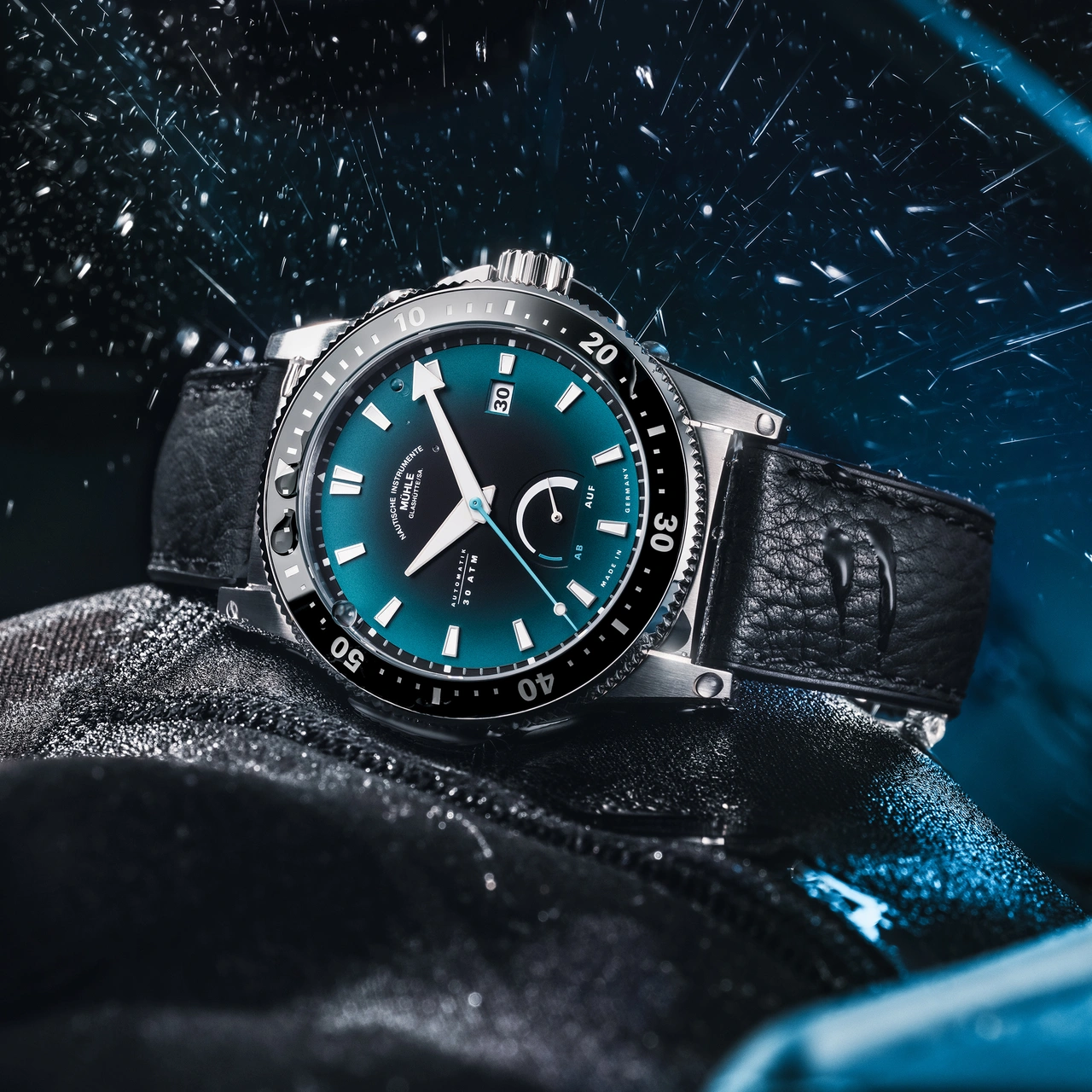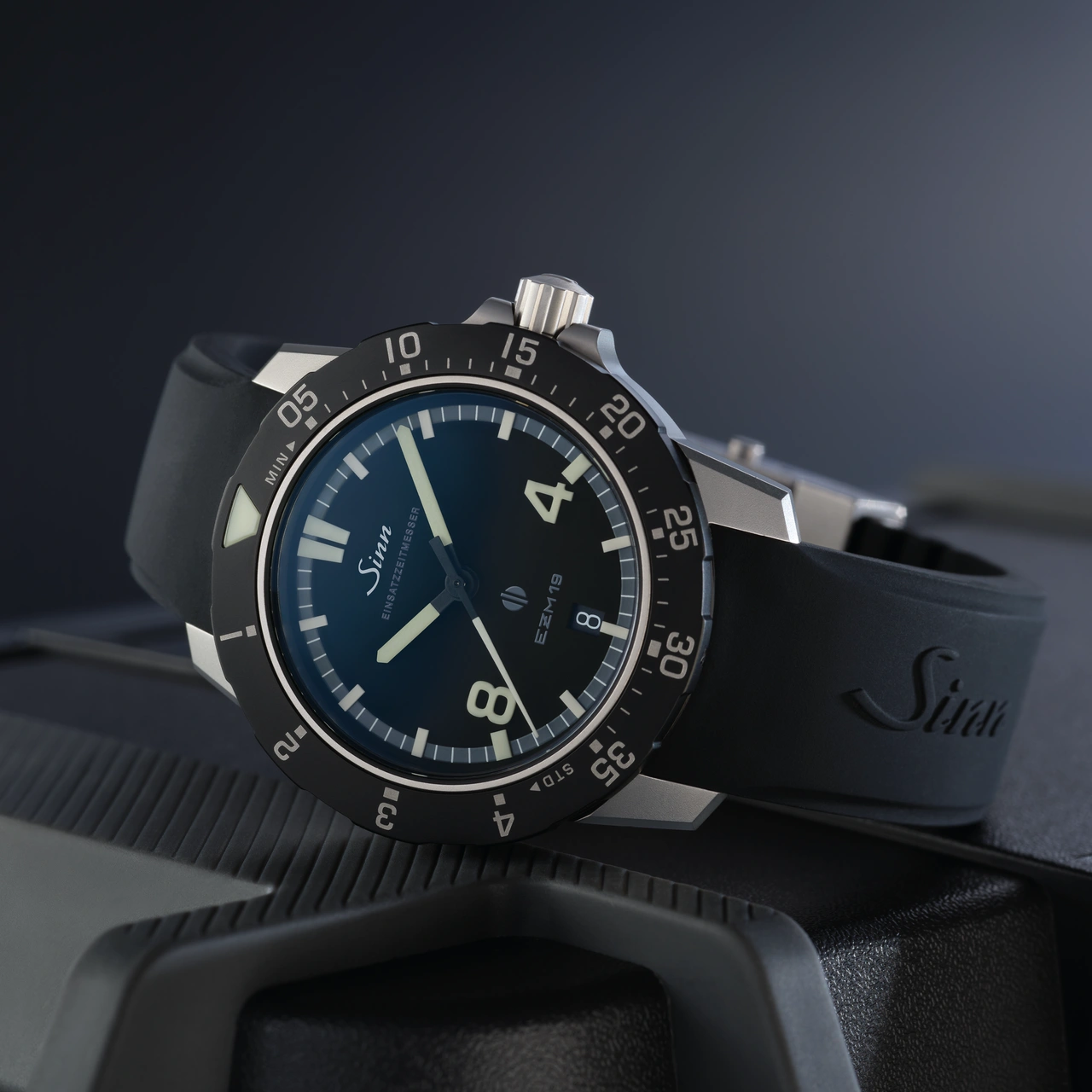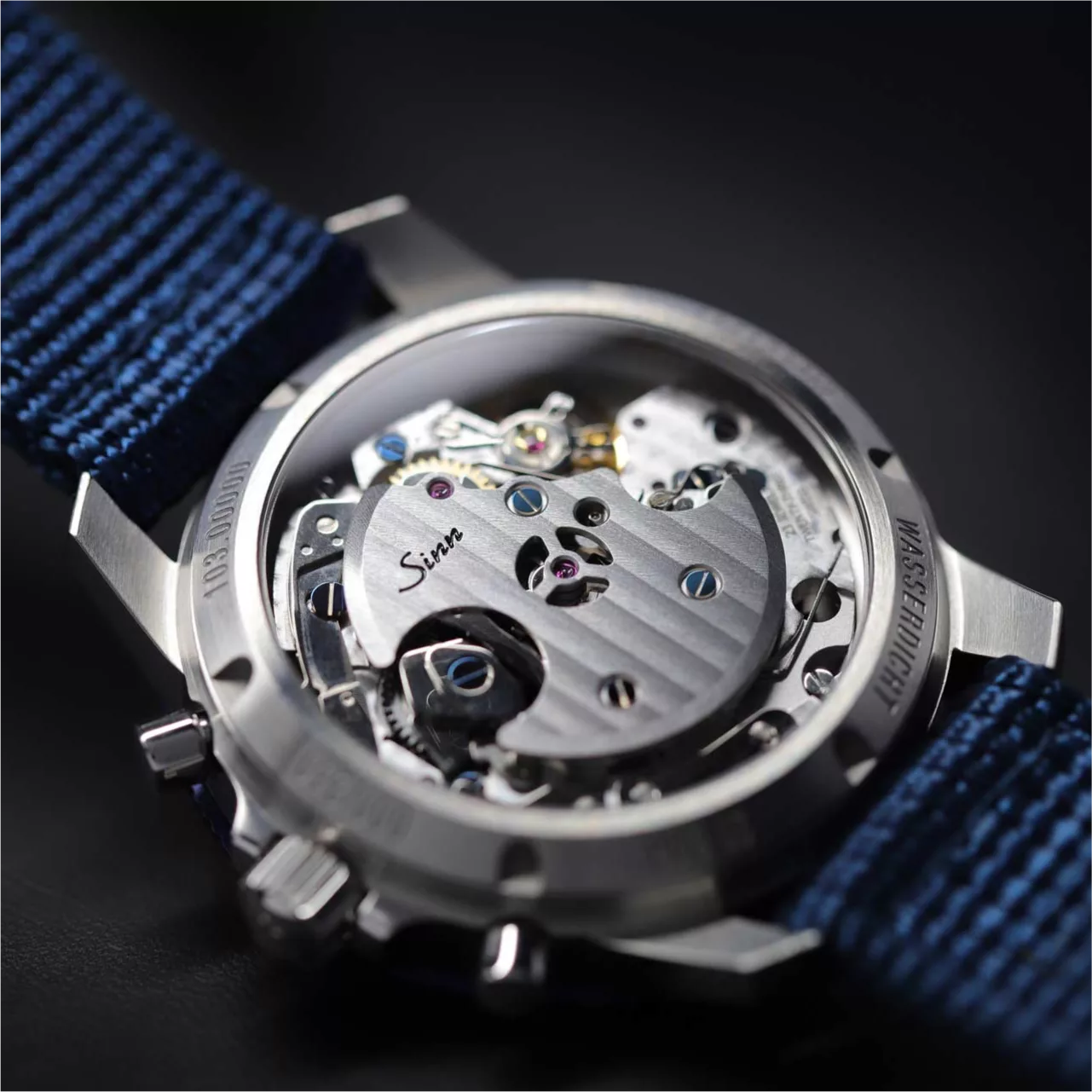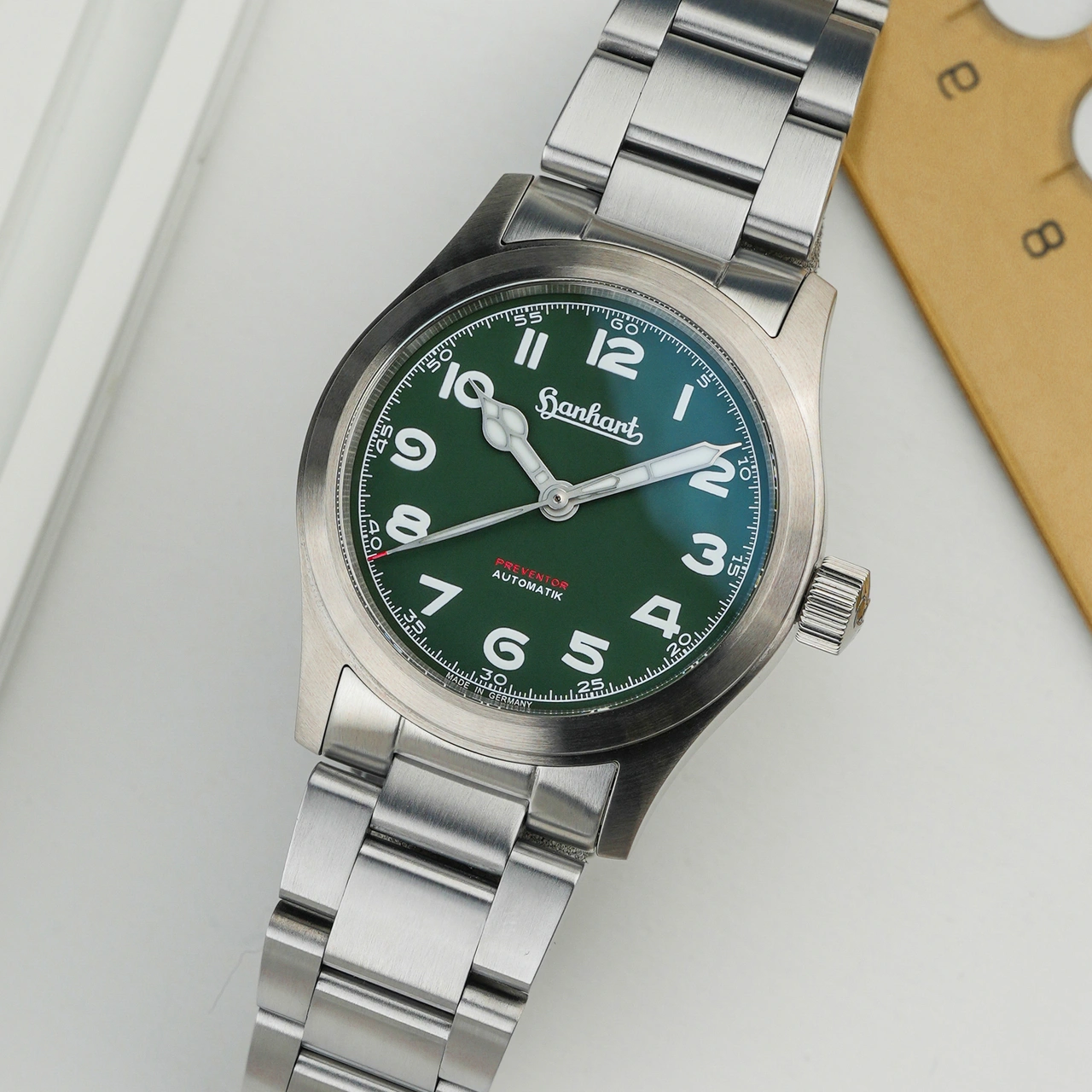
A dive watch is expected to cope with an environment that is unusually demanding for a mechanical instrument. Saltwater, pressure, sand, heat, perspiration and repeated wet-and-dry cycles all place stress on a watch in ways that rarely occur during normal daily wear. Water resistance naturally receives much of the attention, but the integrity of the case itself is equally important. For a watch intended to spend time in the ocean, the quality and composition of its stainless steel case are fundamental to how well it will withstand years of use.

Stainless steel might sound like a fairly simple material specification, but the term covers a large family of alloys with very different properties. Steel becomes “stainless” through the addition of chromium, which reacts with oxygen to form an extremely thin protective oxide layer across the surface. Known as the passive layer, it helps prevent the iron within the alloy from reacting with its surroundings and forming rust. If the surface is scratched, this protective layer can reform naturally when sufficient oxygen is available, one of the characteristics that makes stainless steel so useful for watchmaking.
Why saltwater presents a particular challenge
The problem for any metal exposed to the ocean is that seawater is far more aggressive than fresh water. Chloride ions found in saltwater can attack the passive layer of certain stainless steels, particularly in small areas where water becomes trapped or oxygen circulation is limited. Rather than producing the obvious reddish rust associated with ordinary carbon steel, corrosion can begin as tiny pits in the surface. This process, known as pitting corrosion, can remain localised while gradually penetrating deeper into the material.

Another concern is crevice corrosion, which can develop around components such as casebacks, bezels, crowns and areas beneath seals where saltwater may remain after a swim or dive. These narrow spaces can create conditions in which the protective surface layer struggles to regenerate as effectively. A case may therefore appear perfectly clean from the outside while corrosion begins in a much smaller concealed area. Good dive-watch engineering is partly about reducing these vulnerable points through appropriate materials, accurate machining and careful case construction.
This is one reason 316L stainless steel has become so widely used in quality watchmaking. It contains chromium, nickel and molybdenum, with the molybdenum playing an important role in improving resistance to chloride-induced corrosion. The alloy is also strong, relatively easy to machine to close tolerances and capable of accepting brushed and polished finishes particularly well. For a properly constructed dive watch, these qualities provide an effective combination of corrosion resistance, durability and practical manufacturability.
Not all stainless steel cases are equal
Simply stating “stainless steel” on a specification sheet does not tell the whole story. The alloy selected by the manufacturer matters, but so too do the quality of the raw material, machining, heat treatment, surface condition and finishing processes. Inclusions, contamination from tooling or poor surface preparation can compromise corrosion resistance even when the underlying alloy is appropriate. For serious watchmakers, the material specification is therefore only the beginning of the process rather than a guarantee of the finished case’s performance.
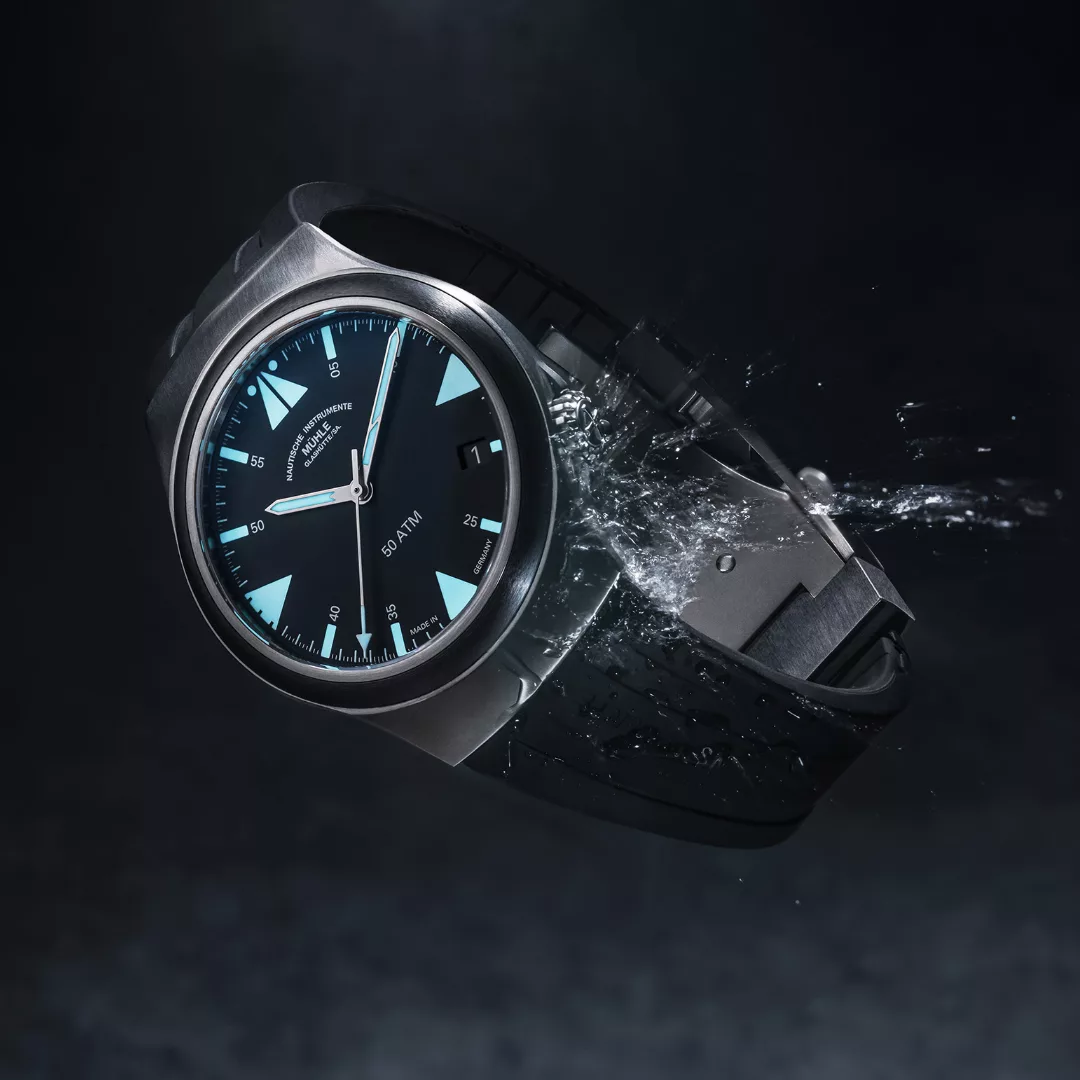
Some manufacturers go beyond conventional watchmaking steels and use highly corrosion-resistant alloys originally developed for marine or industrial applications. Submarine-grade steels are a good example, having been designed for environments in which prolonged exposure to seawater is expected rather than occasional. Other manufacturers concentrate on hardening processes that improve resistance to scratching and surface damage. Hardness and corrosion resistance are not the same property, however, so the most effective solutions consider both the mechanical strength of the case and its behaviour in a marine environment.
The quality of the machining becomes especially important around the interfaces responsible for water resistance. Crown tubes, screw-down casebacks, helium valves where fitted, bezel assemblies and gasket channels all depend upon precise tolerances. A tiny imperfection in a sealing surface can matter considerably more underwater than it does at a desk. The steel must therefore provide a stable foundation from which these components can be manufactured accurately and continue to function after repeated use.
The case is part of a complete system
It is worth remembering that even the best stainless steel cannot make a poorly designed watch suitable for diving. Water resistance depends upon the case, crystal, crown, gaskets, caseback and their respective interfaces operating as a system. Gaskets age, lubricants deteriorate and crowns are subjected to wear every time a watch is adjusted. This is why periodic pressure testing remains important for a dive watch that is genuinely used in the water, regardless of how substantial its specifications may appear.
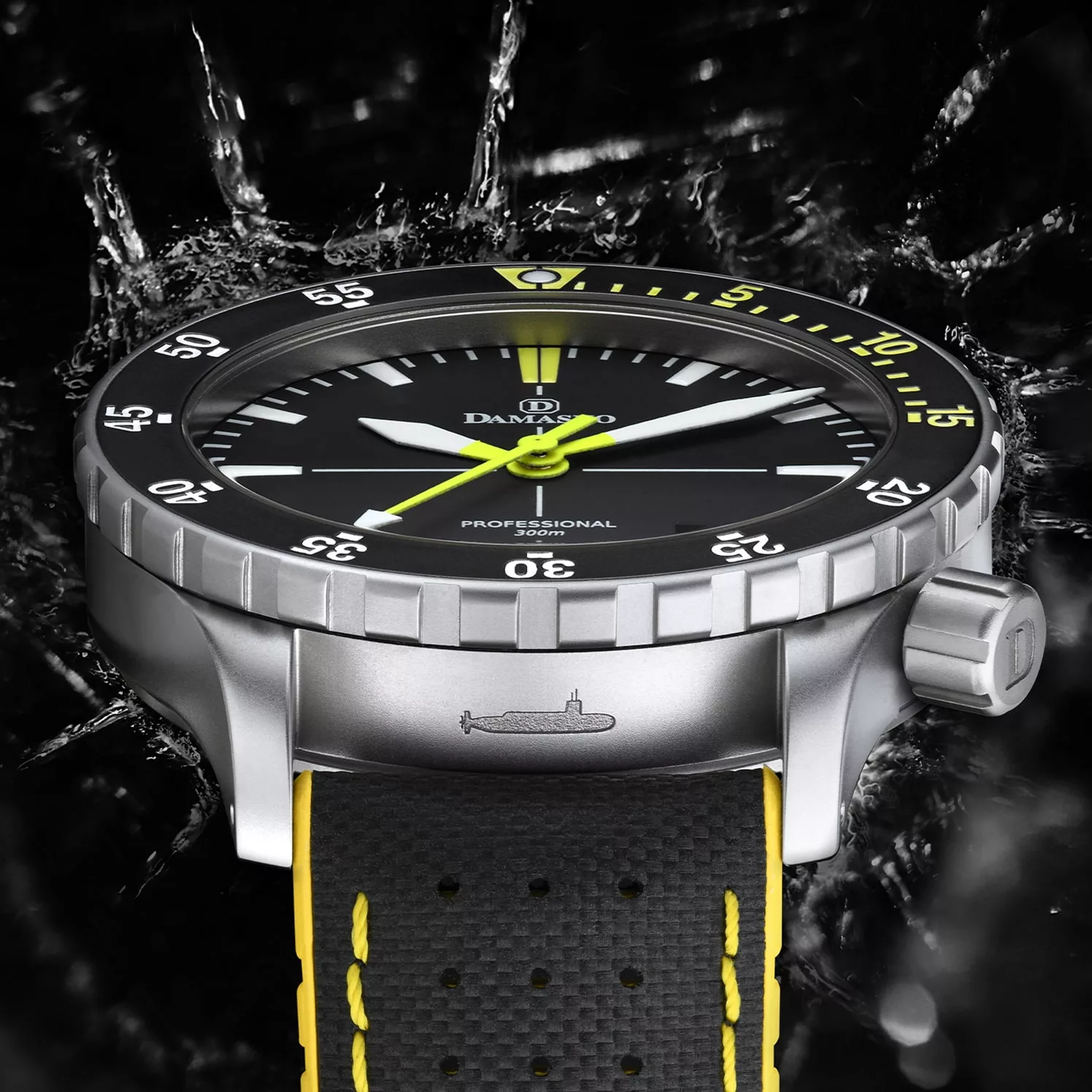
Care after leaving the ocean matters as well. Rinsing a watch thoroughly in fresh water helps remove salt deposits from the case, bracelet, crown guards and bezel, particularly from the small spaces where crystals of dried salt can accumulate. Rotating the bezel gently while rinsing can help clear material trapped beneath it, provided the manufacturer’s care instructions allow it. This simple habit reduces prolonged exposure to concentrated salt deposits and is worthwhile even with high-quality marine-resistant steel.
There is also an important distinction between the appearance of toughness and the engineering required to achieve it. A large case, thick bezel or prominent crown guard can make a watch look capable, but those features say comparatively little about the metallurgy beneath the surface. A thoughtfully engineered dive watch reveals its quality through material selection, tolerances, sealing systems and an understanding of how those elements behave after repeated exposure to demanding conditions. Much of the work that makes a good dive watch reliable is therefore hidden from view.
This quieter side of dive-watch construction is one of the reasons the category remains so interesting. Stainless steel can appear almost ordinary until its chemistry, treatment and purpose are considered more closely, yet it forms the structural foundation protecting an intricate mechanical movement from one of the harshest environments most watches will encounter. For those who appreciate purposeful watchmaking, the case is not simply a container surrounding the movement. It is an engineered component in its own right, and in the ocean, the quality of that engineering matters.