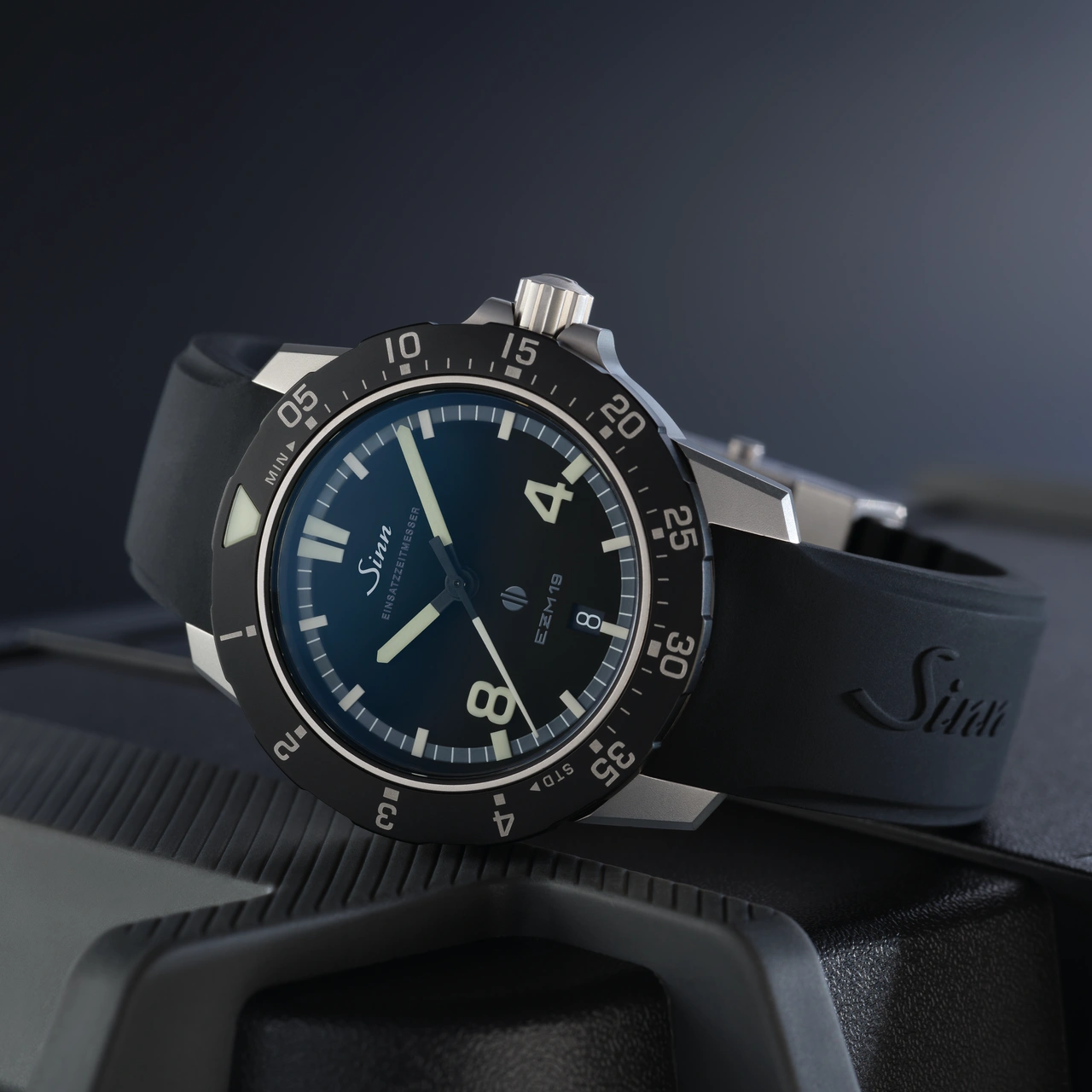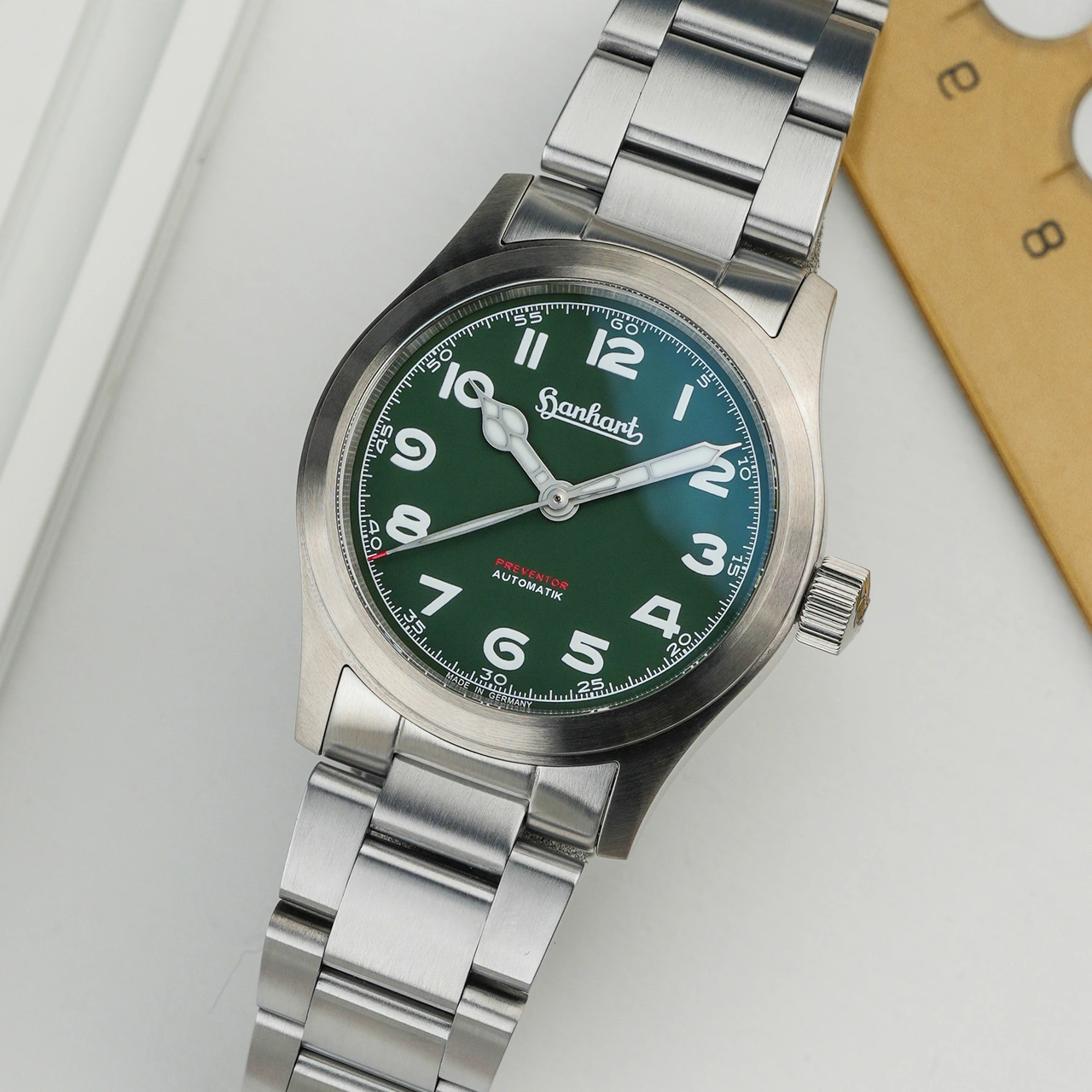
Choosing a watch often begins with appearance, but one of the most important decisions sits beneath the dial. Battery-powered quartz, manually wound mechanical and automatic mechanical watches can all perform the same basic task, yet the ownership experience is quite different. One asks very little of its wearer, another encourages a small daily ritual, while the third quietly winds itself as it moves with you. Understanding those differences can make it much easier to choose a watch that suits not only your taste, but the way you intend to wear it.
A battery-powered watch is generally the simplest option from an ownership perspective. In most modern quartz watches, a battery sends an electrical current through a quartz crystal, whose extremely consistent vibration provides the reference for timekeeping. This allows quartz watches to achieve a level of everyday accuracy that even very accomplished mechanical movements will normally not match. There is no requirement to wind the watch, wear it regularly or reset it after leaving it in a drawer for several days, making quartz particularly useful for someone who values convenience.
That practicality should not be mistaken for a lack of serious watchmaking. Quartz technology transformed the industry during the twentieth century and remains an exceptionally effective way of keeping time. A well-made quartz watch can still feature beautifully executed cases, dials, hands and bracelets, along with robust engineering intended for demanding environments. The main distinction is philosophical as much as technical: the movement is primarily about dependable precision and ease of use rather than the mechanical interaction that attracts many collectors to traditional watchmaking.
A manually wound mechanical watch sits almost at the opposite end of the ownership spectrum. Instead of drawing energy from a battery, turning the crown tensions a mainspring inside the movement, storing the energy that will gradually be released through the watch’s gear train and escapement. Depending on the movement and its power reserve, this might mean winding the watch each morning or perhaps every second or third day. For some people that sounds like unnecessary work, while for others it becomes one of the most satisfying parts of owning a mechanical watch.
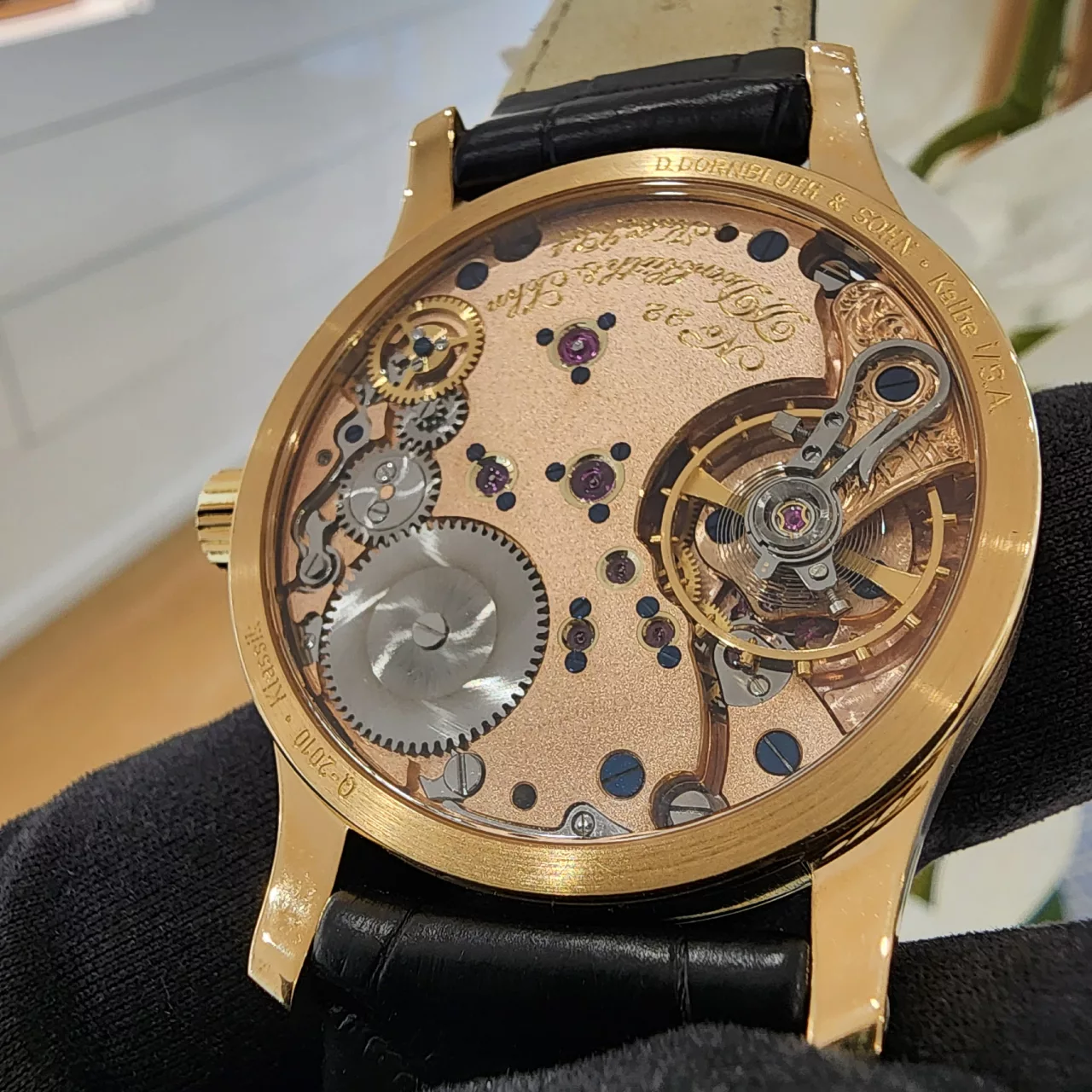
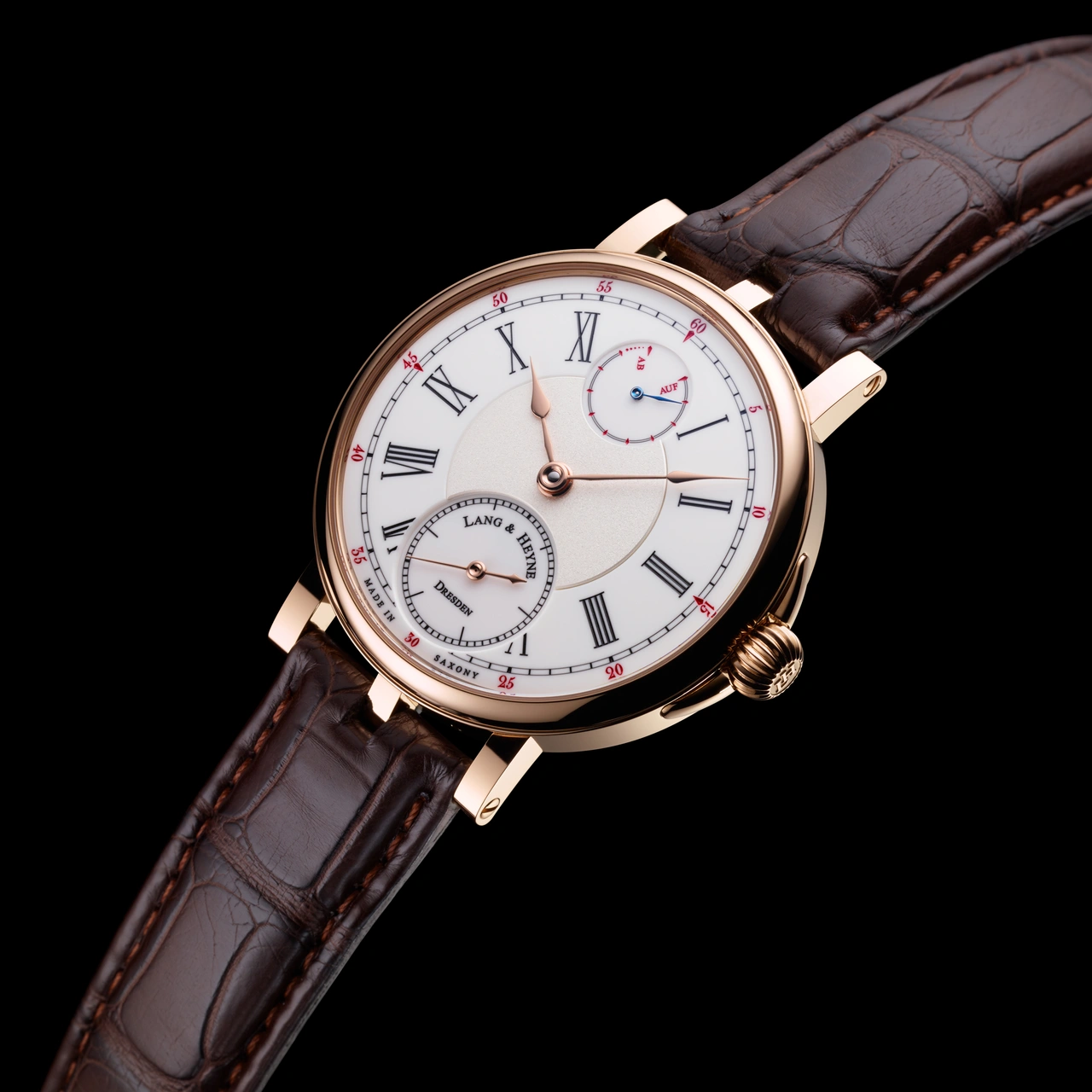
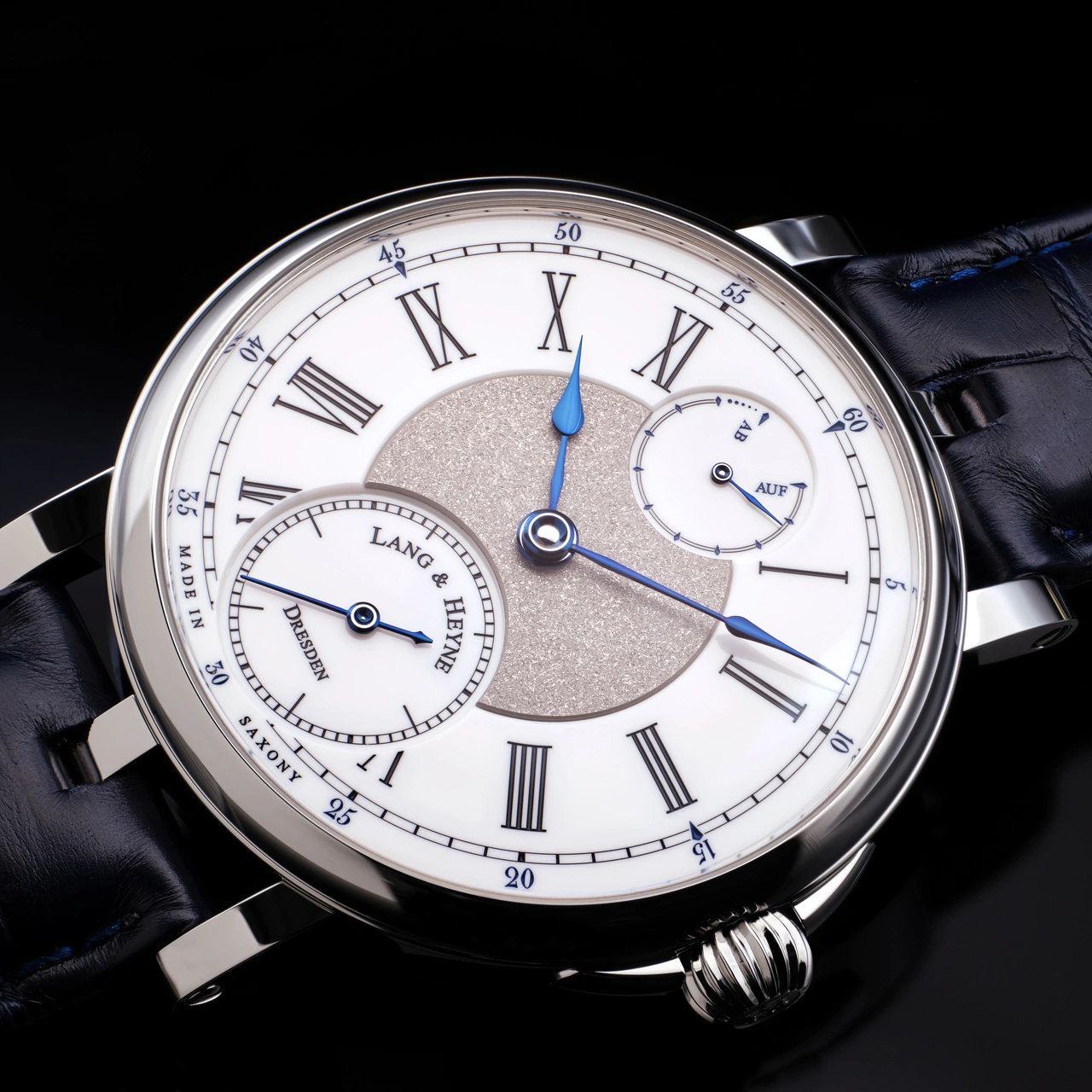
There is something particularly direct about a hand-wound movement. Without an automatic winding rotor covering part of the mechanism, movement architecture can often be displayed more openly through a sapphire caseback, allowing bridges, wheels, finishing and construction to become part of the watch’s character. This is especially relevant among independent watchmakers where movement design is often central to the identity of the watch. Brands such as Dornblüth & Sohn and Moritz Grossmann demonstrate how a manually wound movement can create a strong connection between the owner and the traditional craft behind the watch.

Manual winding also suits certain wearing habits better than others. Someone who wears the same watch most days may find a morning winding routine effortless, but a collector regularly switching between several watches may need to set the time whenever returning to a hand-wound piece. Owners should also remember that winding is not a test of strength. Once a conventional manual movement reaches full wind, the crown will provide clear resistance, and there is no benefit in trying to force it further.
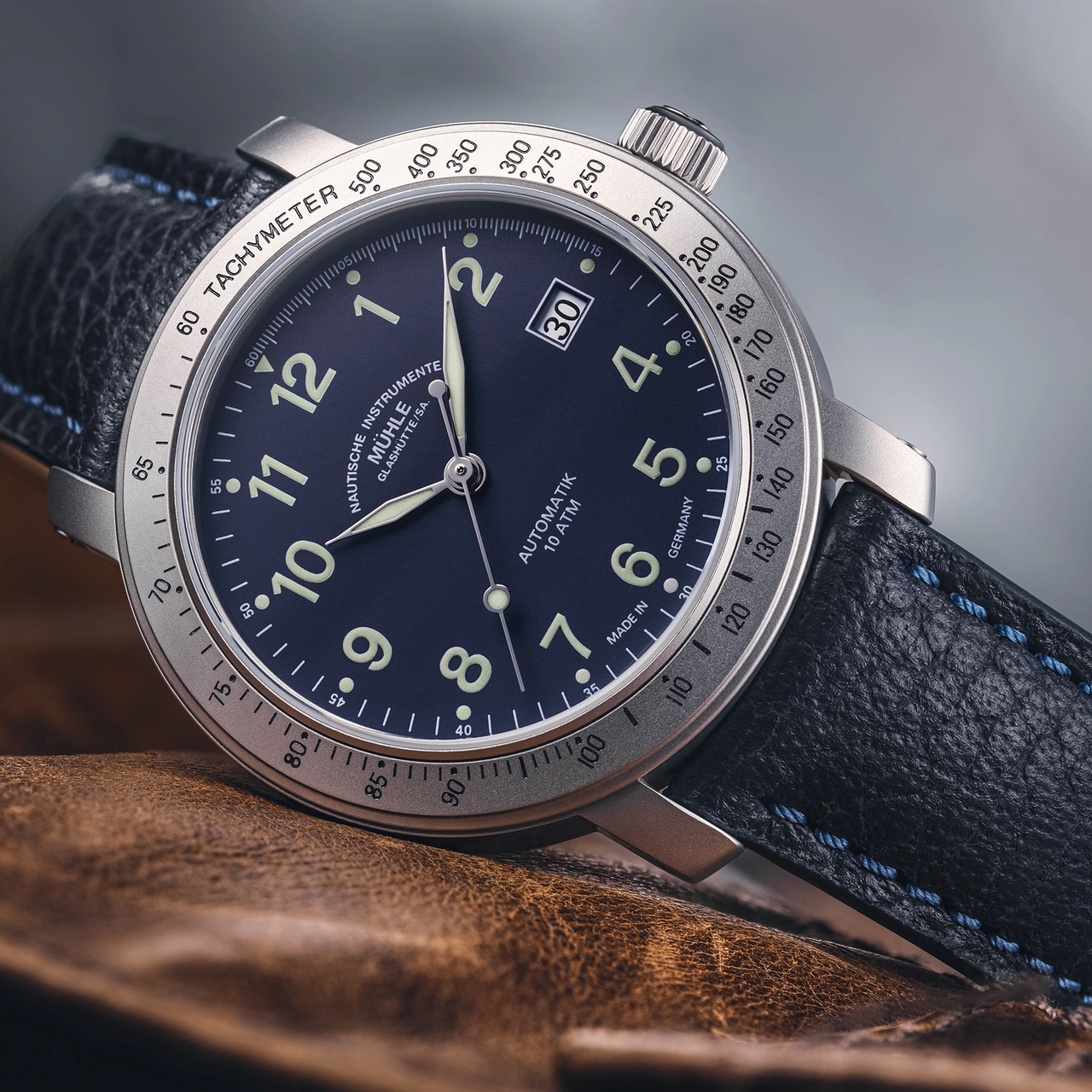
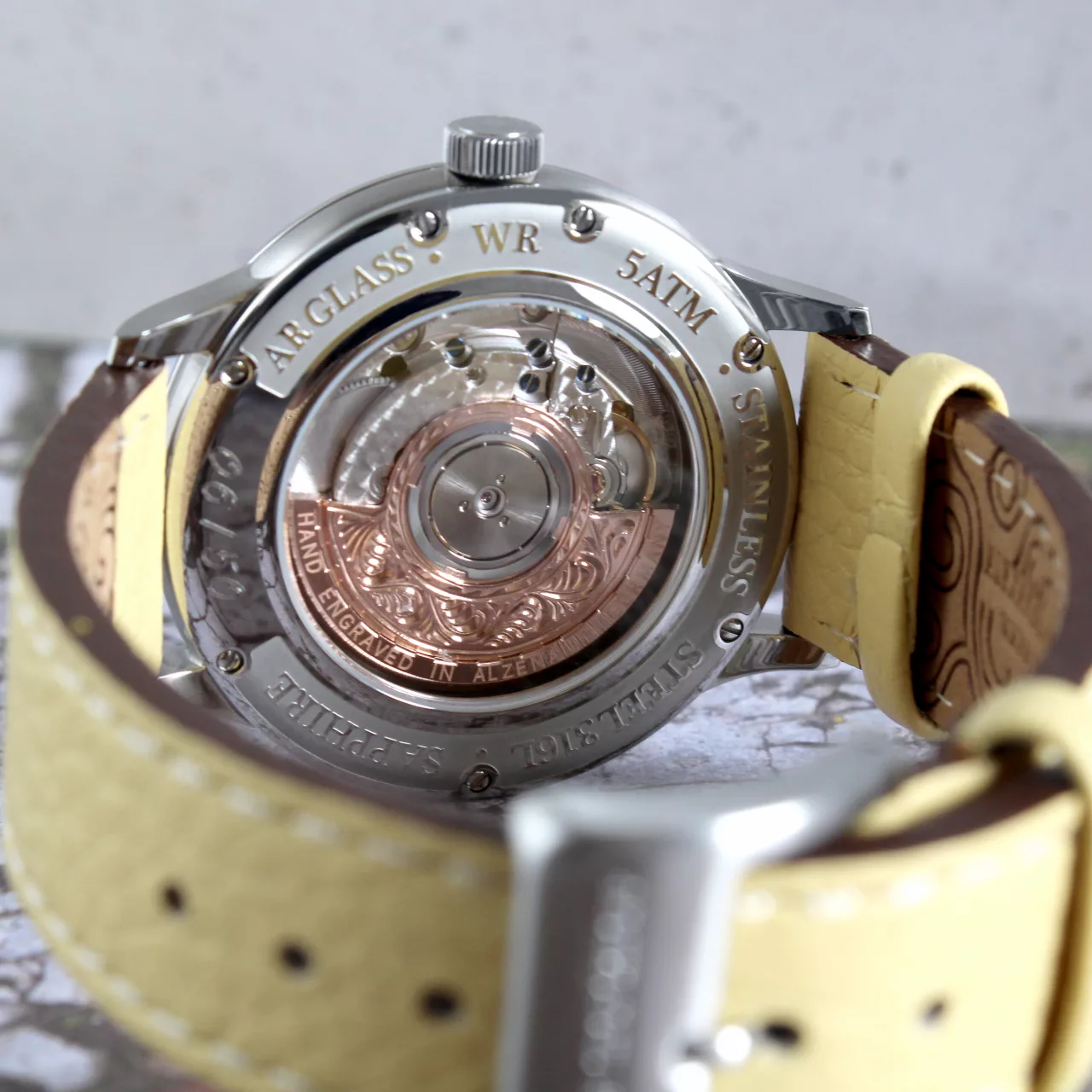
An automatic watch uses the same basic mechanical principles but adds a winding system designed to capture energy from the wearer’s movement. A weighted rotor moves as the wrist changes position, transferring energy into the mainspring and helping maintain the watch’s power reserve while it is being worn. This makes an automatic movement an appealing compromise for people who appreciate mechanical watchmaking but would prefer not to wind their watch by hand every day. Wear it frequently enough and it may continue running with very little conscious attention.
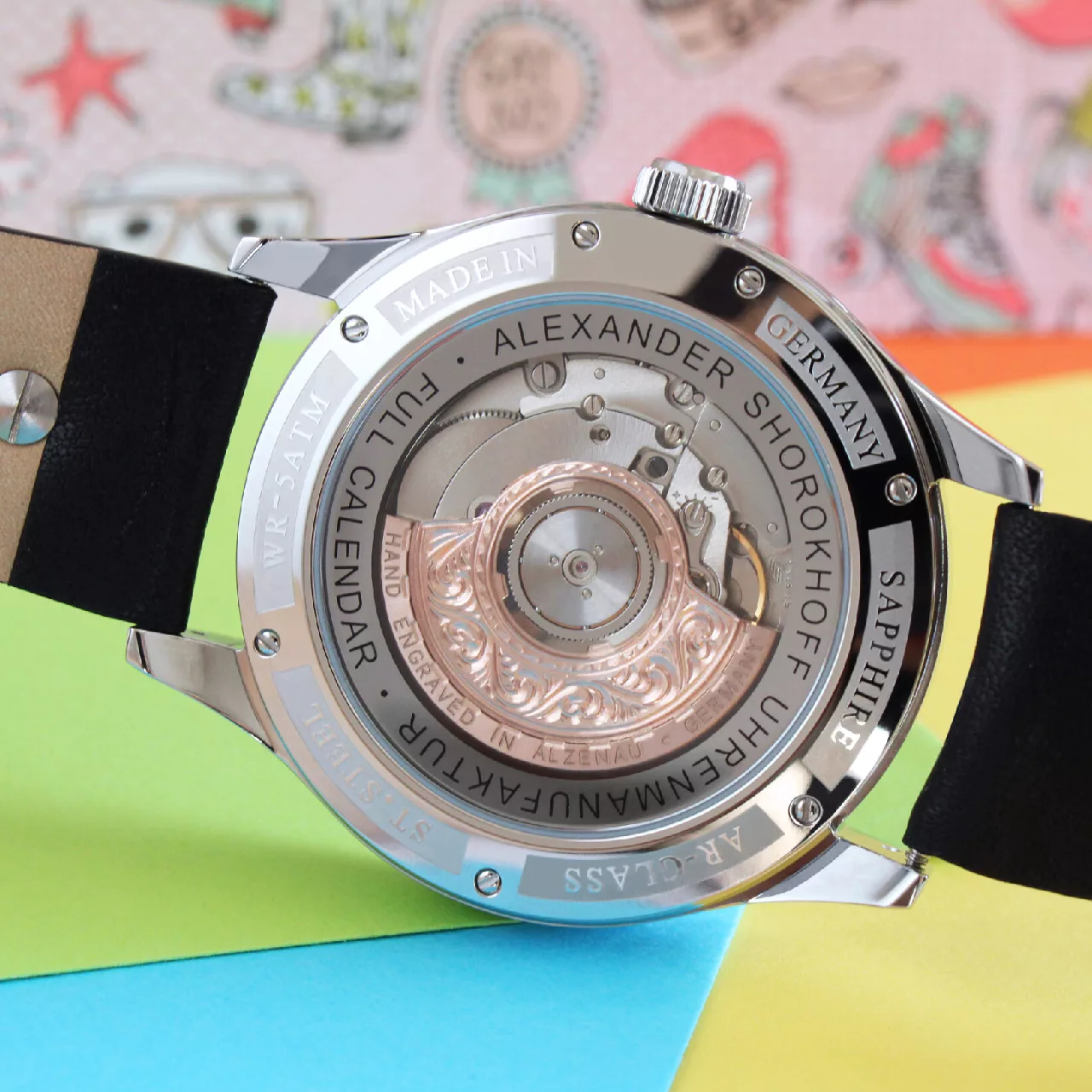
Automatic does not, however, mean that a watch can never stop. If an automatic watch has a 40, 60 or 80-hour power reserve and remains unworn for longer than that period, it will eventually run down just like a manually wound movement. Many modern automatics can also be wound through the crown, which is useful when starting a watch that has completely stopped. A few gentle turns before putting it on gives the movement an initial reserve rather than relying entirely on wrist movement to bring it back to life.
Accuracy is another area where expectations are worth considering. If the main priority is keeping extremely accurate time with almost no involvement from the wearer, quartz is difficult to argue against. Mechanical watches work within much tighter physical tolerances and are influenced by factors such as position, temperature, power reserve and movement regulation, so gaining or losing several seconds each day can be entirely normal. Their appeal lies less in beating electronic timekeeping and more in achieving impressive precision through springs, wheels, levers and carefully regulated mechanical components.
Servicing also differs between the three choices. A quartz watch will usually require periodic battery replacement, although service requirements vary according to the movement, seals and intended use of the watch. Mechanical watches contain lubricated moving components and will eventually require professional servicing, whether they are manual or automatic. An automatic movement can contain additional components associated with its winding system, but service needs should be considered in the context of the particular calibre rather than assuming one mechanical type is inherently troublesome.
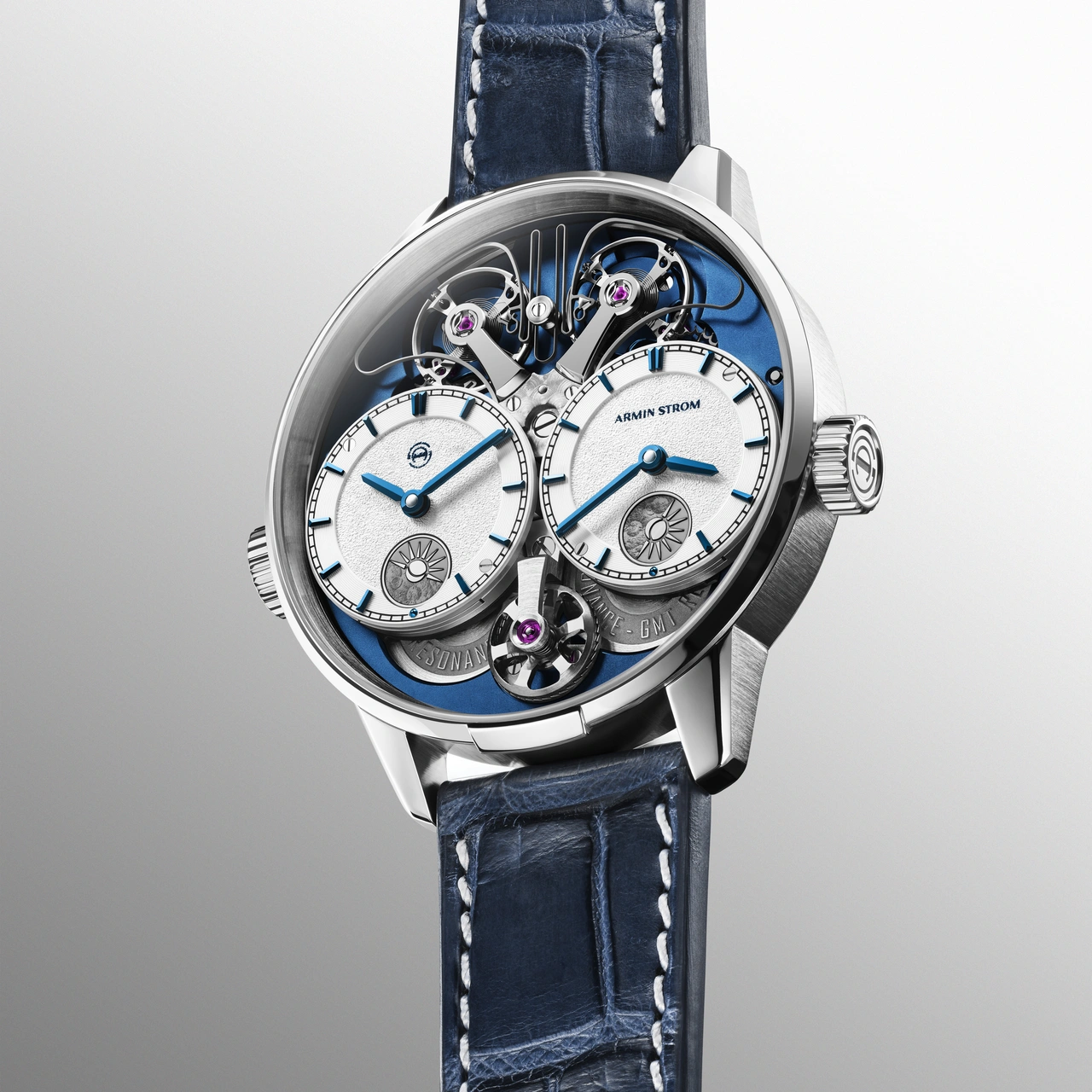
The best choice therefore depends less on which movement is theoretically superior and more on what you want from the relationship with your watch. Quartz makes sense for someone seeking accuracy, reliability and minimal involvement, while manual winding suits those who enjoy interaction and the traditional mechanics of watchmaking. Automatic movements sit comfortably between those positions, retaining the character of a mechanical watch while making everyday ownership particularly convenient. Across the independent makers represented by Define Watches, all three approaches can be appreciated for what they are intended to achieve rather than treated as steps on a hierarchy.
It is also worth thinking about how a watch will fit into a broader collection. A dependable quartz piece can be ideal for travel, sport or occasions when setting a mechanical watch feels unnecessary, while a hand-wound watch can become something deliberately chosen and enjoyed when there is time to appreciate it. An automatic often works particularly well as a regular everyday watch, especially when worn enough to remain running. Many enthusiasts eventually find there is room for more than one philosophy, because each offers a different answer to the same simple question of how a watch should accompany its wearer.
Ultimately, movement choice is part of what gives watches their individual personalities. Battery power offers effortless precision, manual winding provides a direct connection with the mechanism, and automatic winding combines traditional mechanics with considerable everyday convenience. None needs to be regarded as the correct answer for every collector. Choosing well means understanding how each works, considering your own habits and selecting the one whose character makes the most sense every time you put it on your wrist.