Beat rate is one of the simplest movement specifications to quote and one of the easiest to misunderstand. A watch described as “high beat” immediately sounds faster, smoother and more precise, yet frequency is only one part of a much larger mechanical system. The practical value of a higher frequency lies in how the regulating organ responds to disturbance, how the seconds hand moves and how the movement has been engineered to manage energy and friction. For collectors, the important question is not whether one number is higher than another, but whether the chosen rate suits the movement’s purpose.
A mechanical watch keeps time through the repeated oscillation of its balance wheel and hairspring. Frequency is usually expressed in hertz or vibrations per hour, with 18,000 vph equalling 2.5 Hz, 28,800 vph equalling 4 Hz and 36,000 vph equalling 5 Hz. Because each vibration releases the gear train by a small increment, a faster frequency produces more steps each second and makes the seconds hand appear to move more fluidly. The motion is still made up of tiny jumps, but at 4 or 5 Hz those steps become less obvious to the eye.
Higher frequencies became especially significant where short elapsed times had to be divided into finer fractions. A 5 Hz oscillator makes ten vibrations each second, so a chronograph designed around it can indicate tenths of a second mechanically. That capability helped make high-frequency chronographs technically compelling, although reading a fine fraction on a dial is different from maintaining an excellent daily rate. One concerns resolution, while the other depends on the overall quality and adjustment of the movement.
The main technical argument for a higher beat rate is stability rather than guaranteed accuracy. A balance completing more oscillations over a given period can average out brief disturbances more effectively, including small shocks or momentary positional changes. This can help the movement return to its established rhythm quickly, particularly in a watch worn during active daily use. It does not, however, correct poor regulation, weak amplitude, an imperfectly poised balance or errors introduced elsewhere in the escapement.

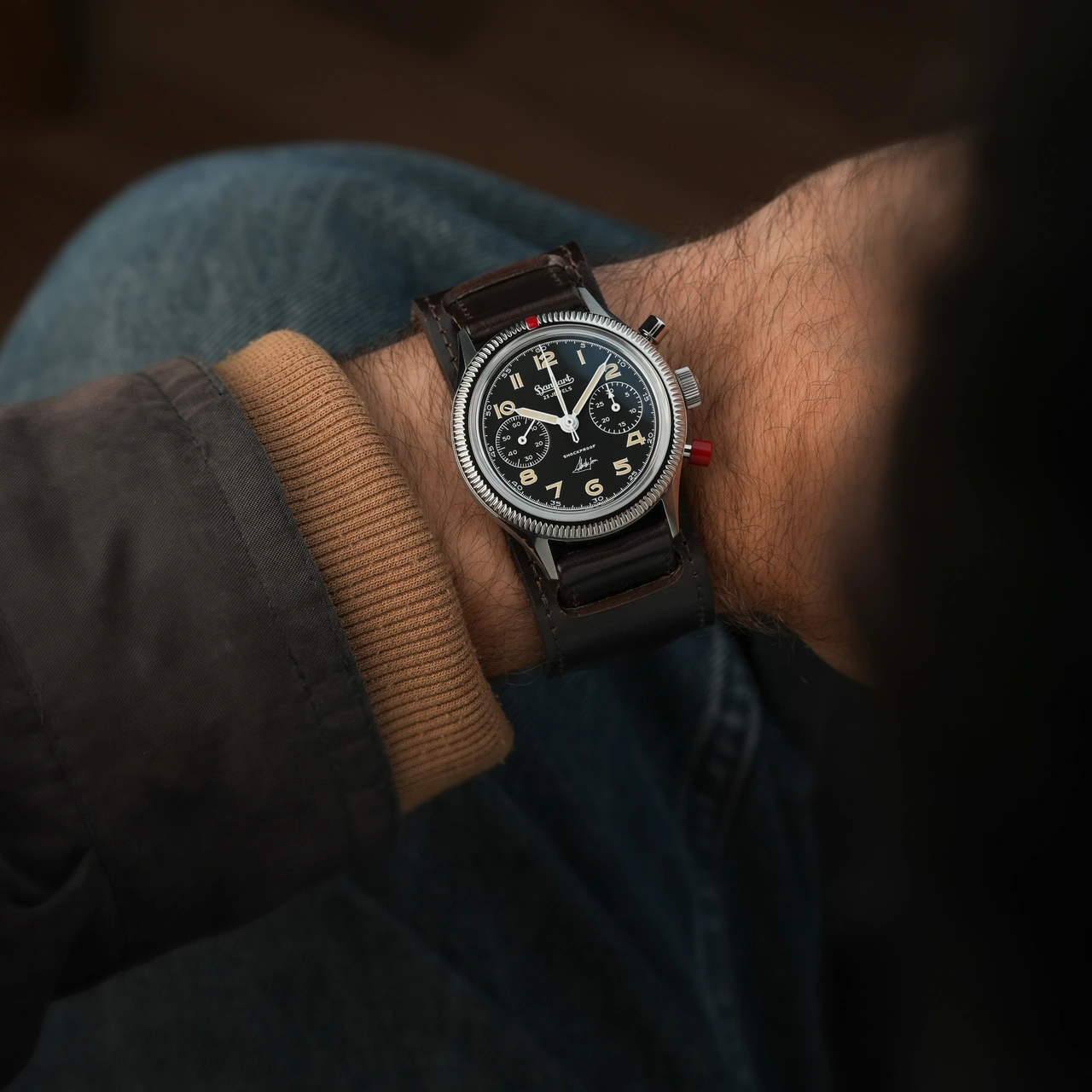
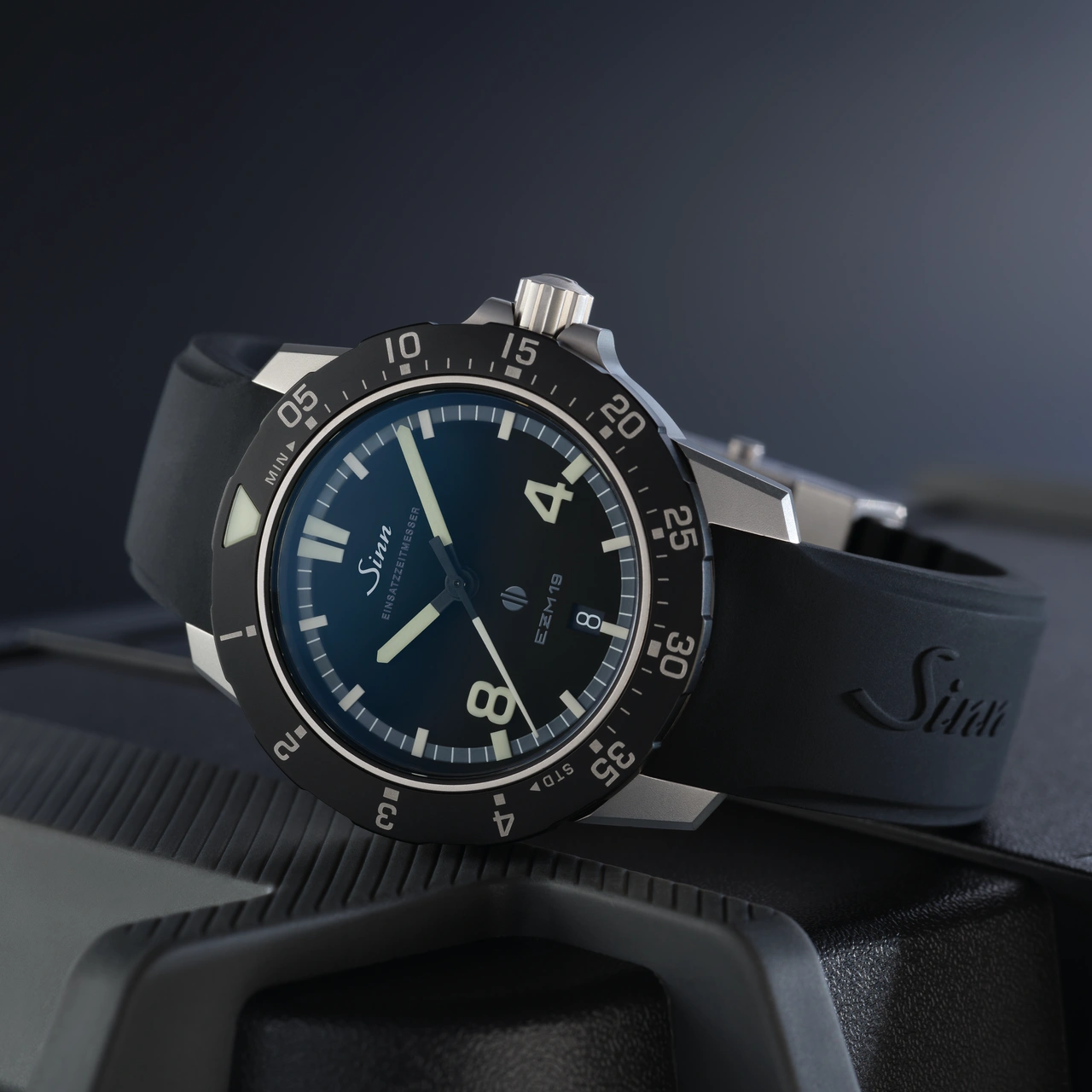
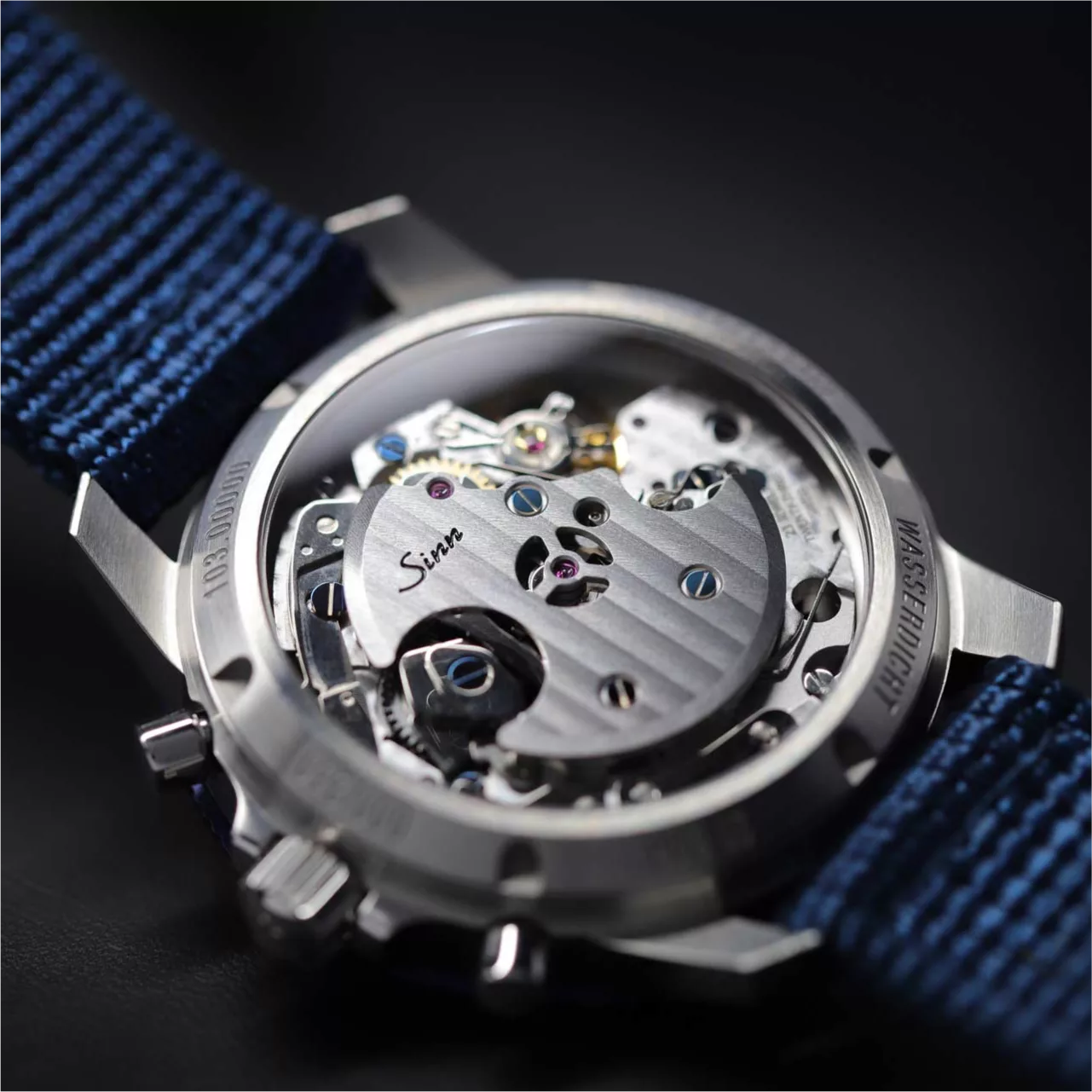
Many contemporary German and Austrian watches settle at 28,800 vph, or 4 Hz, because it offers a practical middle ground. Sinn uses this frequency across numerous instrument watches, including movements in the 556 family and the purpose-built SZ01 chronograph calibre. Hanhart’s hand-wound AMT 5100 M in the 417 ES Flyback also operates at 4 Hz, while Habring² uses 28,800 vph in its A11B family. In each case, the frequency supports a clean seconds display and modern rate stability without requiring the movement to operate at the more demanding 5 Hz level.
Damasko provides another good example of frequency being treated as one component within a broader engineering package. Its A26 and other manufacture movements operate at 28,800 vph, but the brand also pays close attention to materials, temperature behaviour, shock resistance and escapement design. Silicon escape components and proprietary balance-spring technology can address sources of variation that beat rate alone cannot solve. This is an important reminder that the movement specification should be read as a complete system rather than a single headline number.
A faster balance needs more energy because the escapement is unlocking and delivering impulses more often. Unless the movement is designed carefully, that demand can reduce power reserve, lower balance amplitude or require a stronger mainspring and revised gear train. The extra activity also means more contact events at the pallet stones, escape wheel and balance pivots over the same period of ownership. Modern materials and accurate manufacturing help manage these loads, but they do not remove the underlying mechanical demands.

Lubrication becomes especially important as frequency rises. Watch oils are applied in extremely small quantities, and their viscosity, placement and long-term stability affect how freely the escapement and pivots operate. At higher speeds, unsuitable, contaminated or displaced lubricant can have a greater effect on amplitude and rate, while excessive oil can be just as troublesome as too little. This is one reason a high-frequency calibre should be serviced by someone familiar with the movement and with the lubricants specified by its manufacture.
It is often said that high beat movements inevitably wear out faster, but the reality is more measured. A faster movement performs more cycles, so its designers must account for higher cumulative activity, yet wear depends heavily on surface finishing, pivot geometry, jewel quality, lubrication and the loads carried by each component. A well-designed 4 or 5 Hz calibre can provide decades of reliable service when maintained properly. Conversely, a slow-beating movement is not protected from wear if it is poorly lubricated, damaged or allowed to run far beyond a sensible service interval. Mechanical watch manufacturers themselves note that oils can dry out or become insufficient over time, allowing parts to wear regardless of the movement’s frequency.
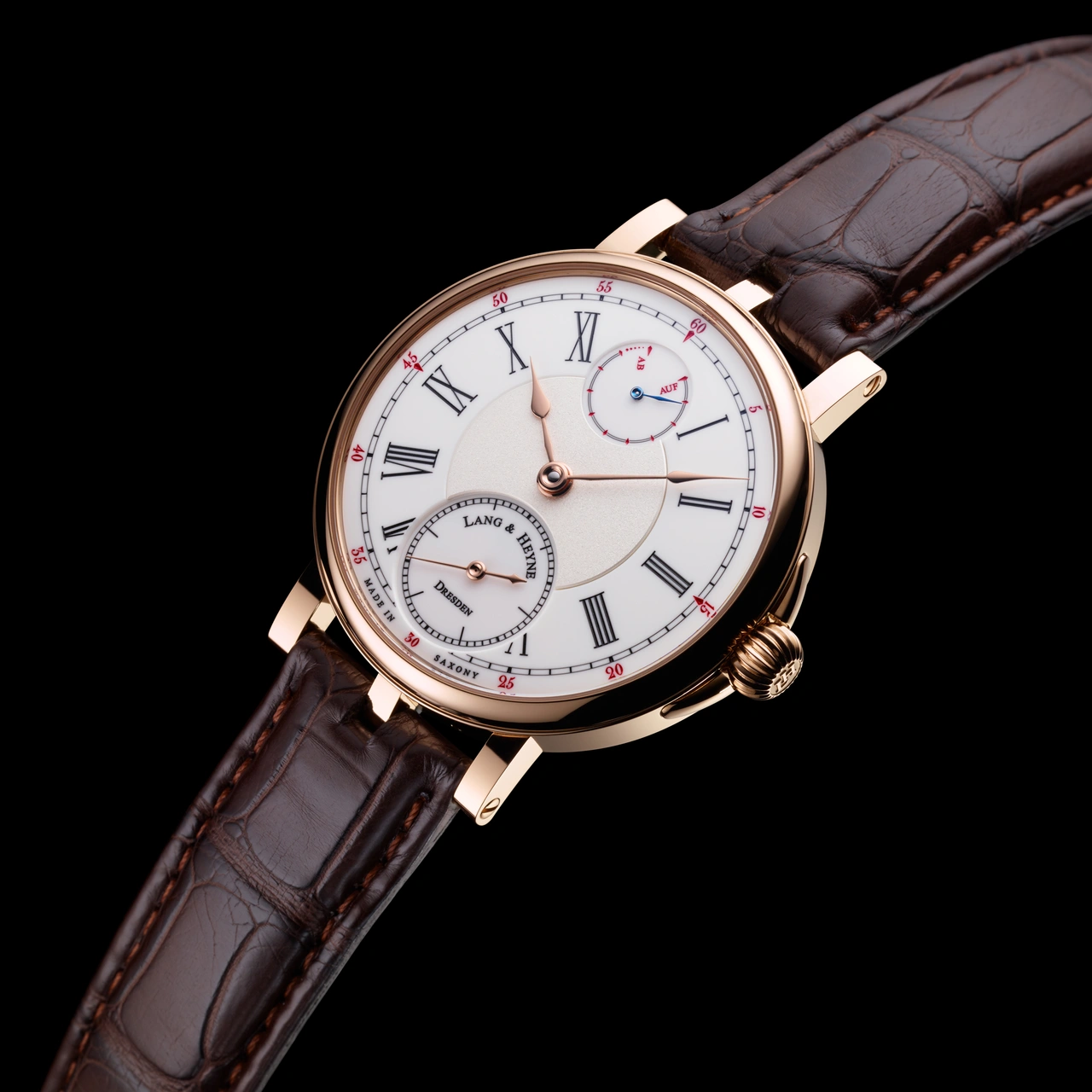
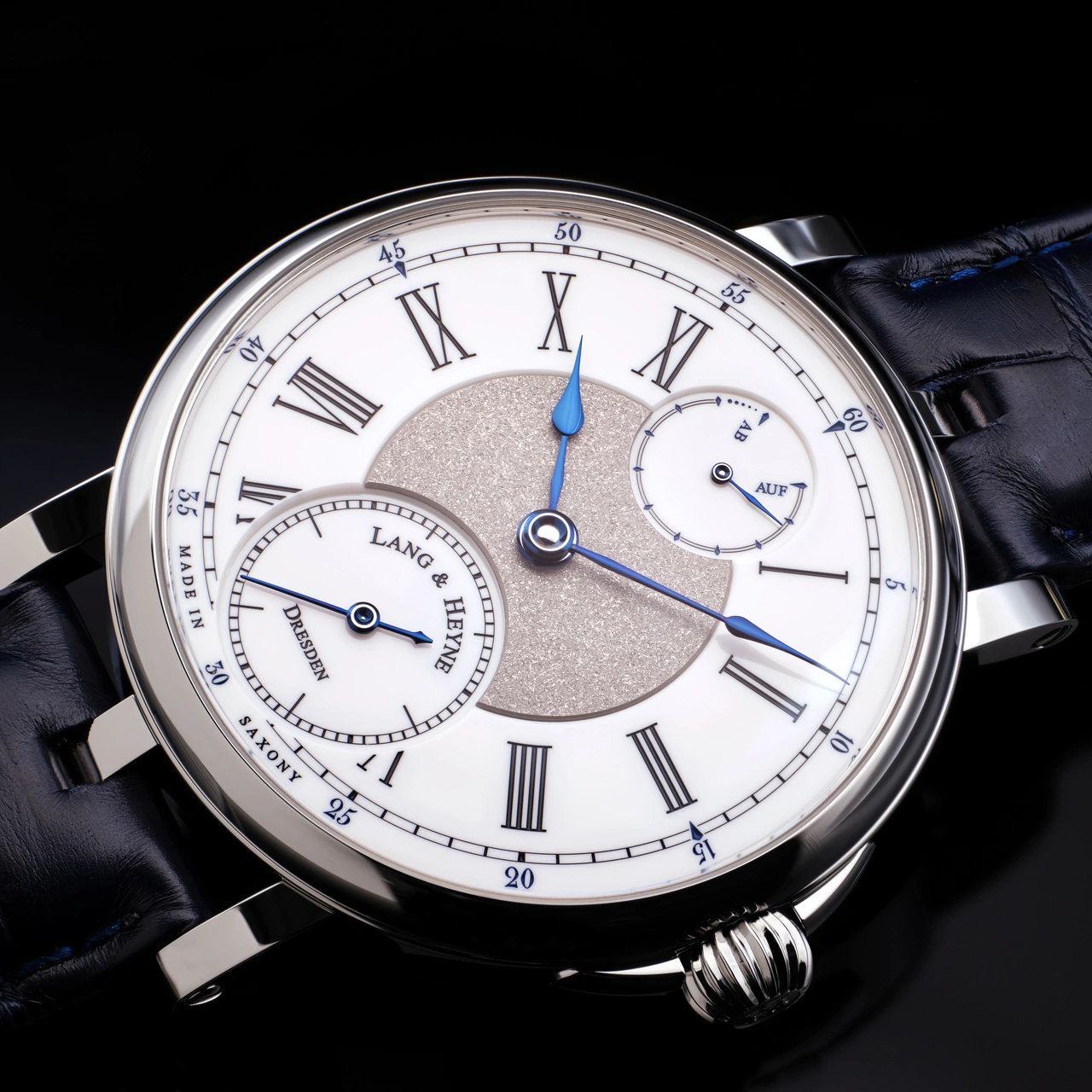
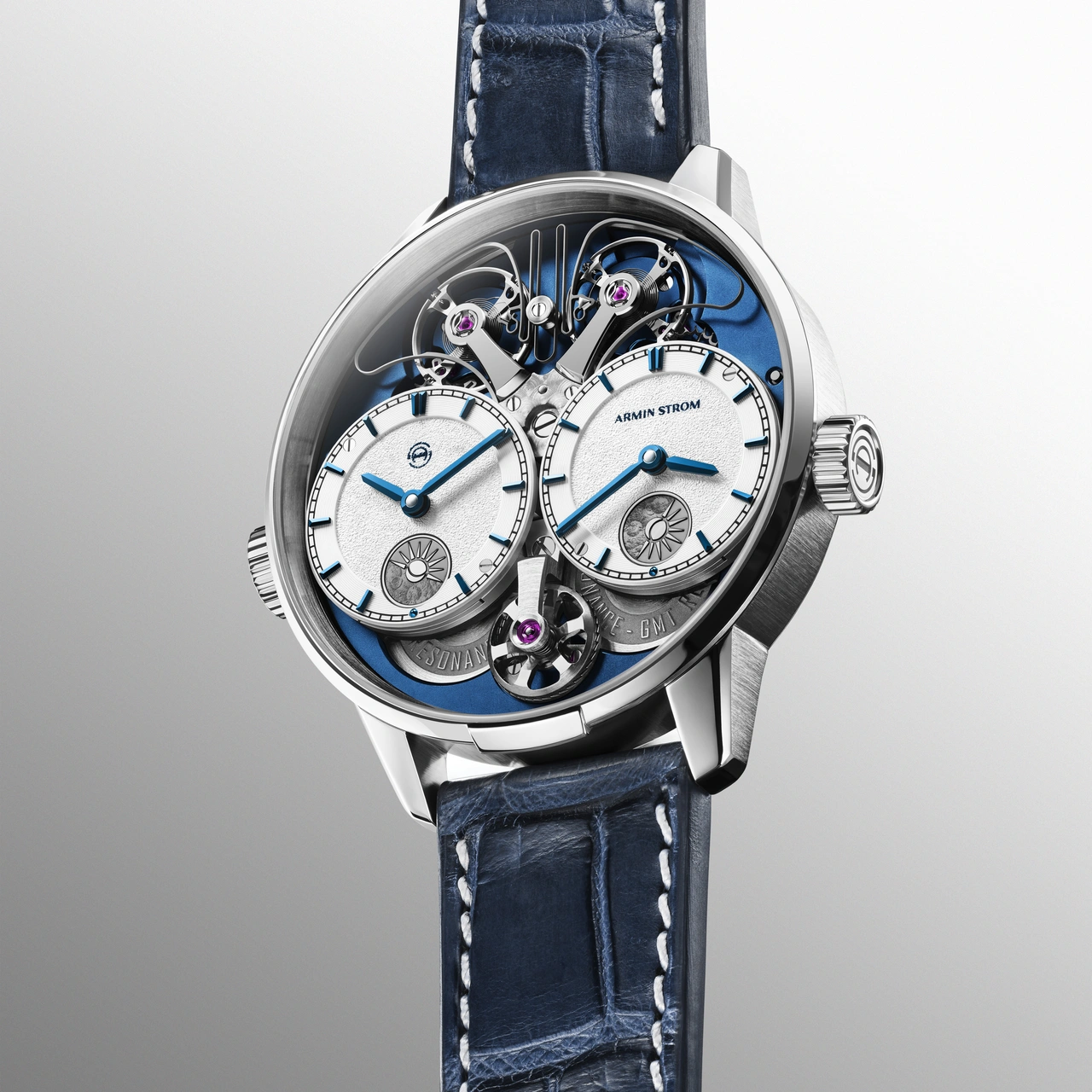
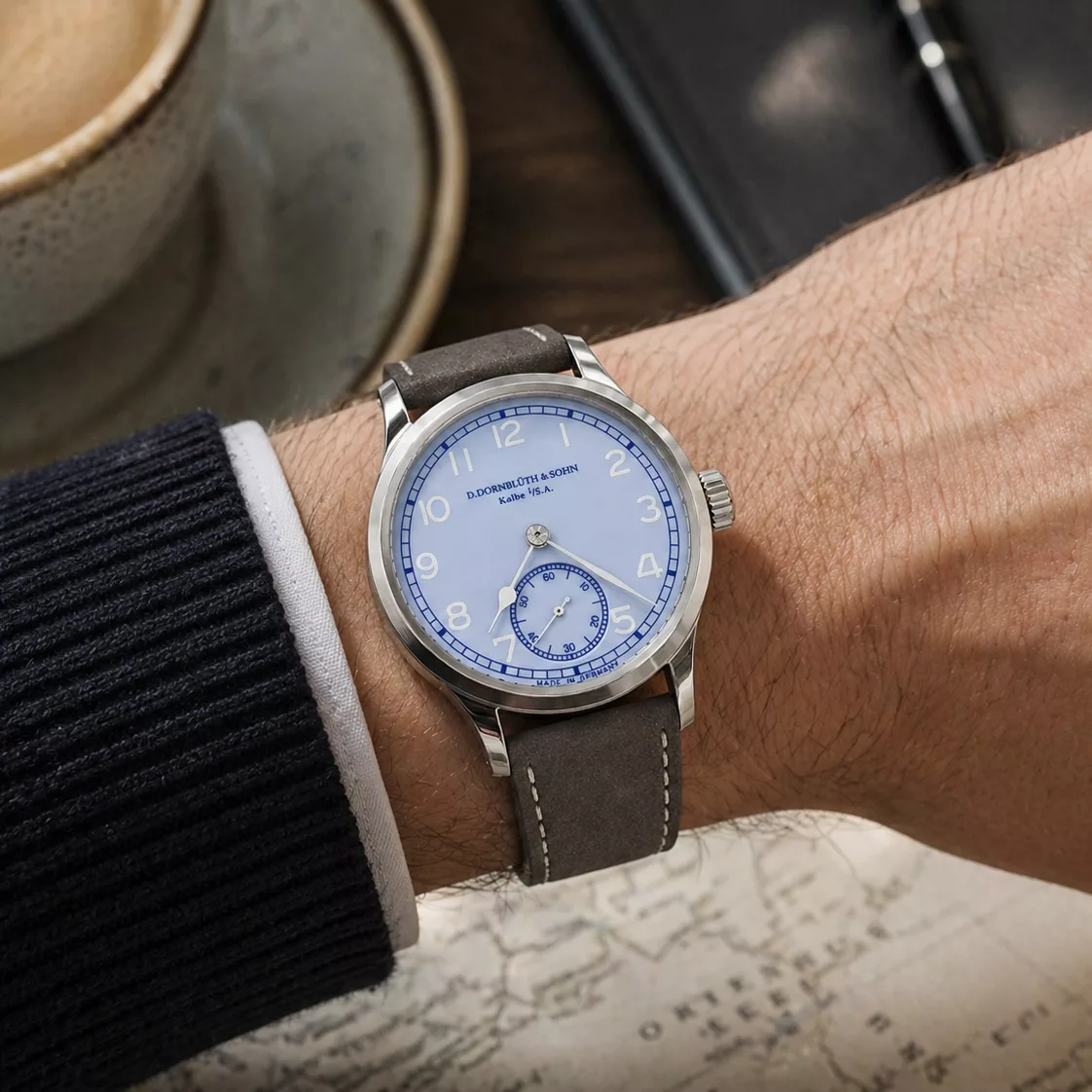
Some of the most thoughtful independent makers deliberately choose lower frequencies. The Dornblüth & Sohn calibre 99.1 runs at 18,000 semi-oscillations per hour, giving its large hand-finished movement a calm, traditional rhythm. Moritz Grossmann’s calibre 100.1 also demonstrates the point that rate accuracy is not achieved solely through higher frequency, relying instead on careful balance design, adjustment and traditional Glashütte construction. Armin Strom takes another path again, with movements such as the 3.5 Hz Mirrored Force Resonance using paired regulators and resonance to improve consistency rather than simply increasing speed.
Collectors should therefore resist ranking movements by beat rate alone. A 36,000 vph calibre may offer a particularly smooth sweep and strong resistance to brief disturbance, but it can also bring greater energy requirements and more exacting service needs. A 28,800 vph movement often represents an accomplished everyday balance, while 18,000 or 21,600 vph can be entirely appropriate for a large, traditionally constructed hand-wound calibre. The better measure is how intelligently the maker has balanced frequency, amplitude, power reserve, materials, regulation and long-term maintainability.
Beat rate is most meaningful when it reveals something about the watchmaker’s priorities. In a Sinn, Hanhart or Damasko instrument watch, a 4 Hz movement supports dependable modern performance. In a Habring², the same frequency may sit within an unusually inventive and serviceable independent calibre, while Dornblüth & Sohn, Moritz Grossmann and Armin Strom show that stability can be pursued through very different mechanical ideas. The figures matter, but the engineering choices behind them tell the more interesting story.