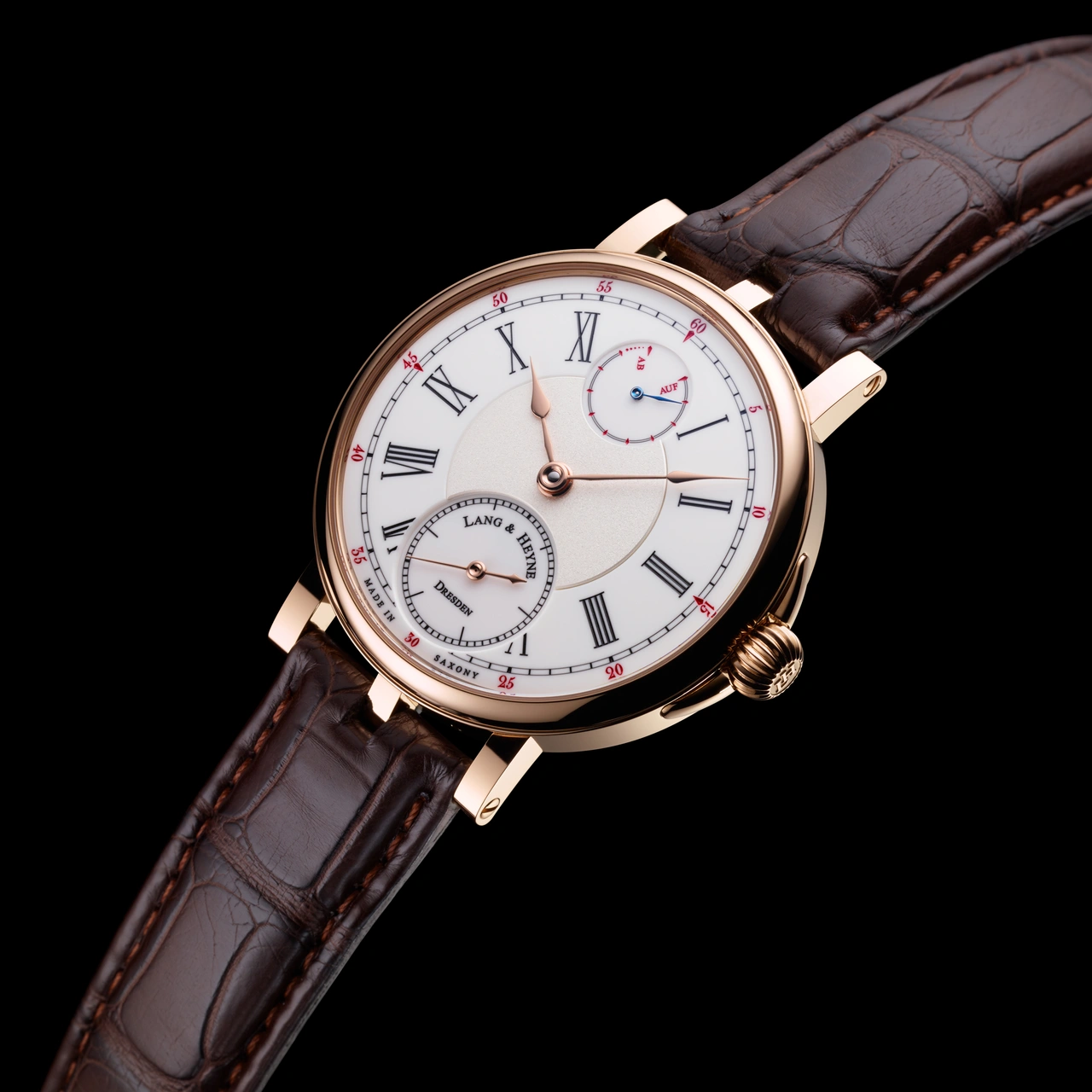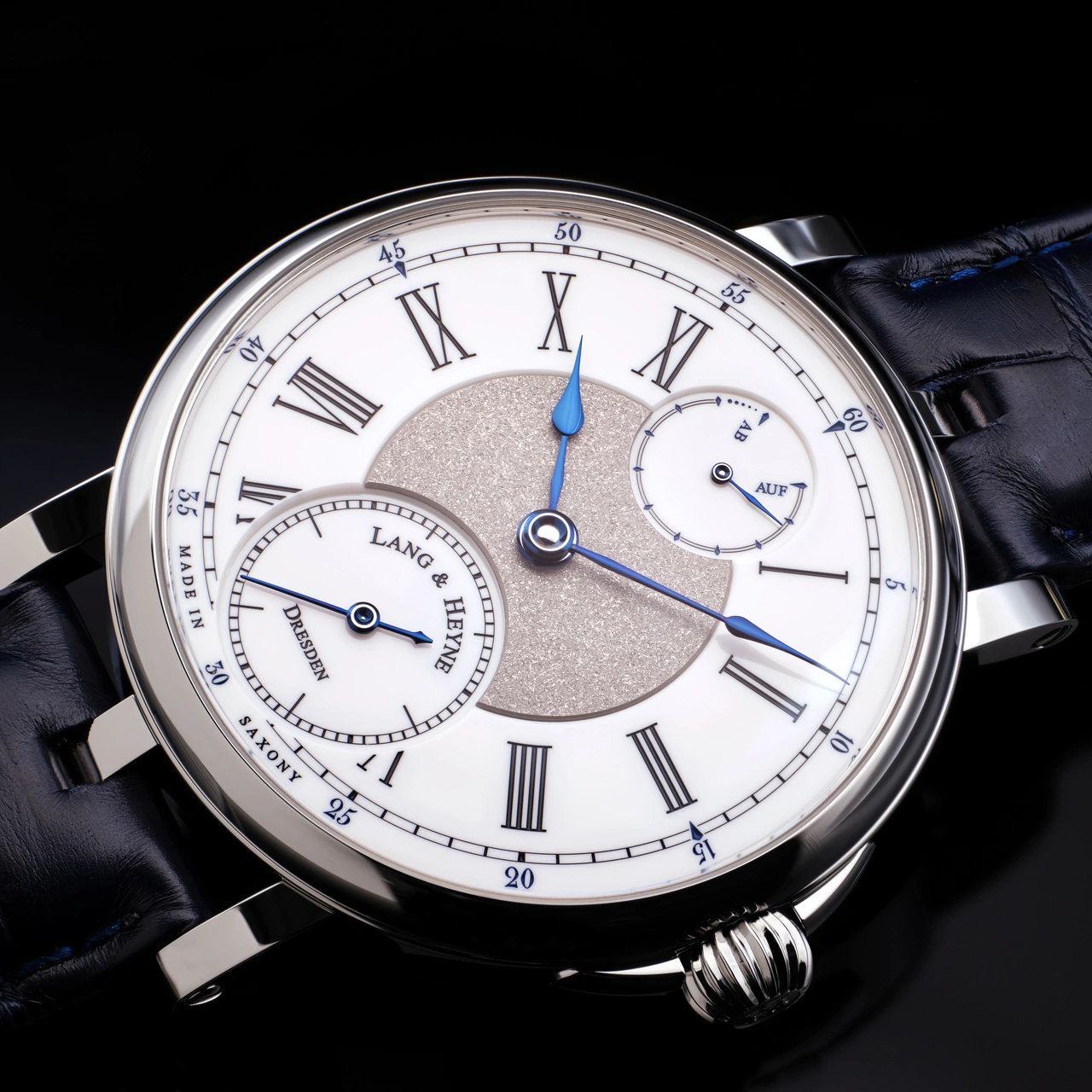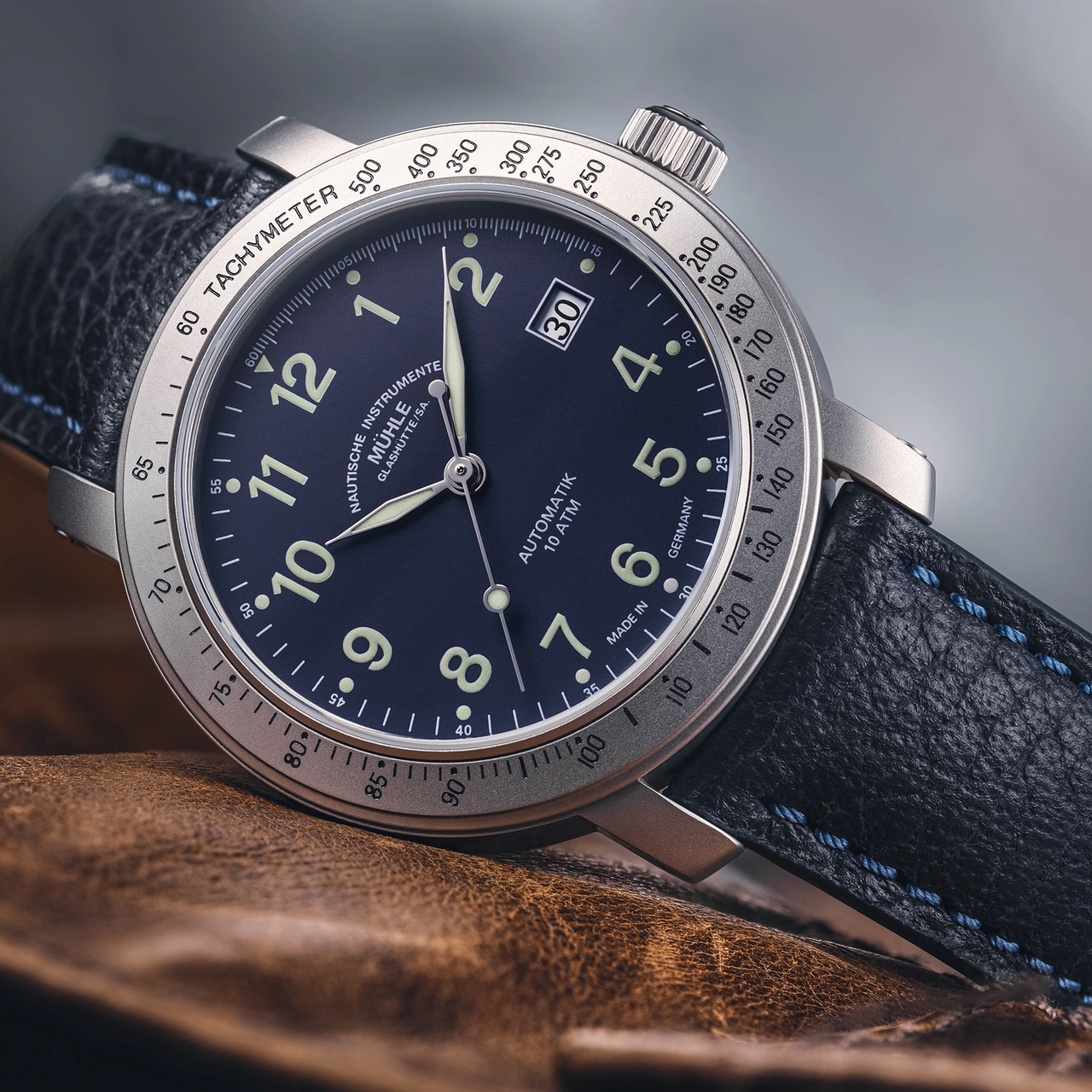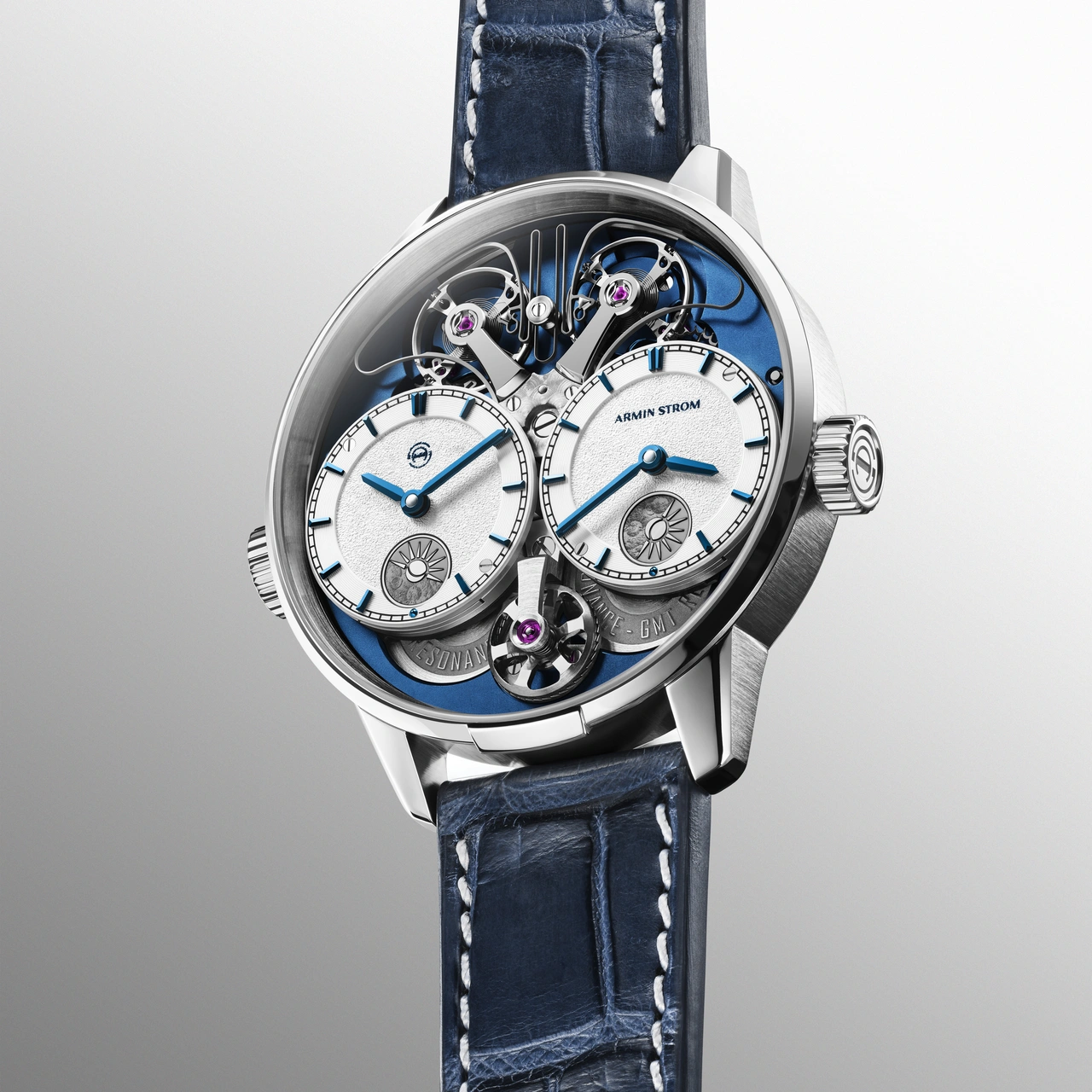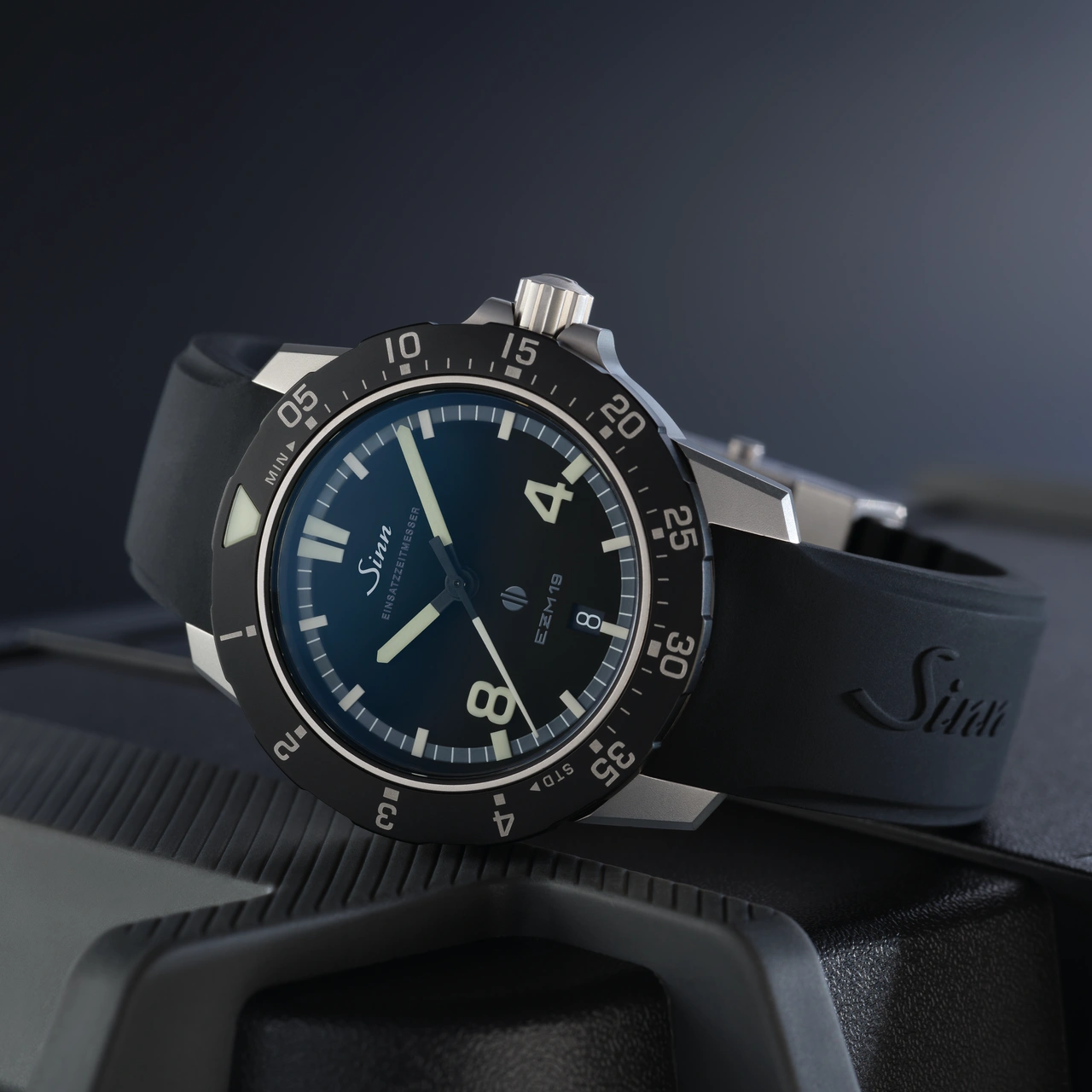
German watch design is often described as functional, but that word can be too narrow if it is left on its own. Function does not mean plain, and restraint does not mean a lack of beauty. In German watchmaking, the visual character of a watch often begins with purpose, but it can end in many different places. It might become a hardened Sinn instrument watch, a finely finished Moritz Grossmann dress watch, a hand-guillochéd Benzinger creation, or a Dornblüth piece that carries the warmth of a small workshop.
A better comparison is not German watches against Swiss watches, or utility against beauty. It is independent German watchmaking against the broader world of mass-produced watch design. Many mass-market watches are designed to be immediately attractive, easy to understand and commercially familiar. They often follow popular case shapes, dial layouts, colour trends and finishing styles that have already proved successful. A good German watch tends to feel different because it is less interested in copying a recognised formula and more interested in earning its own reason for existing.

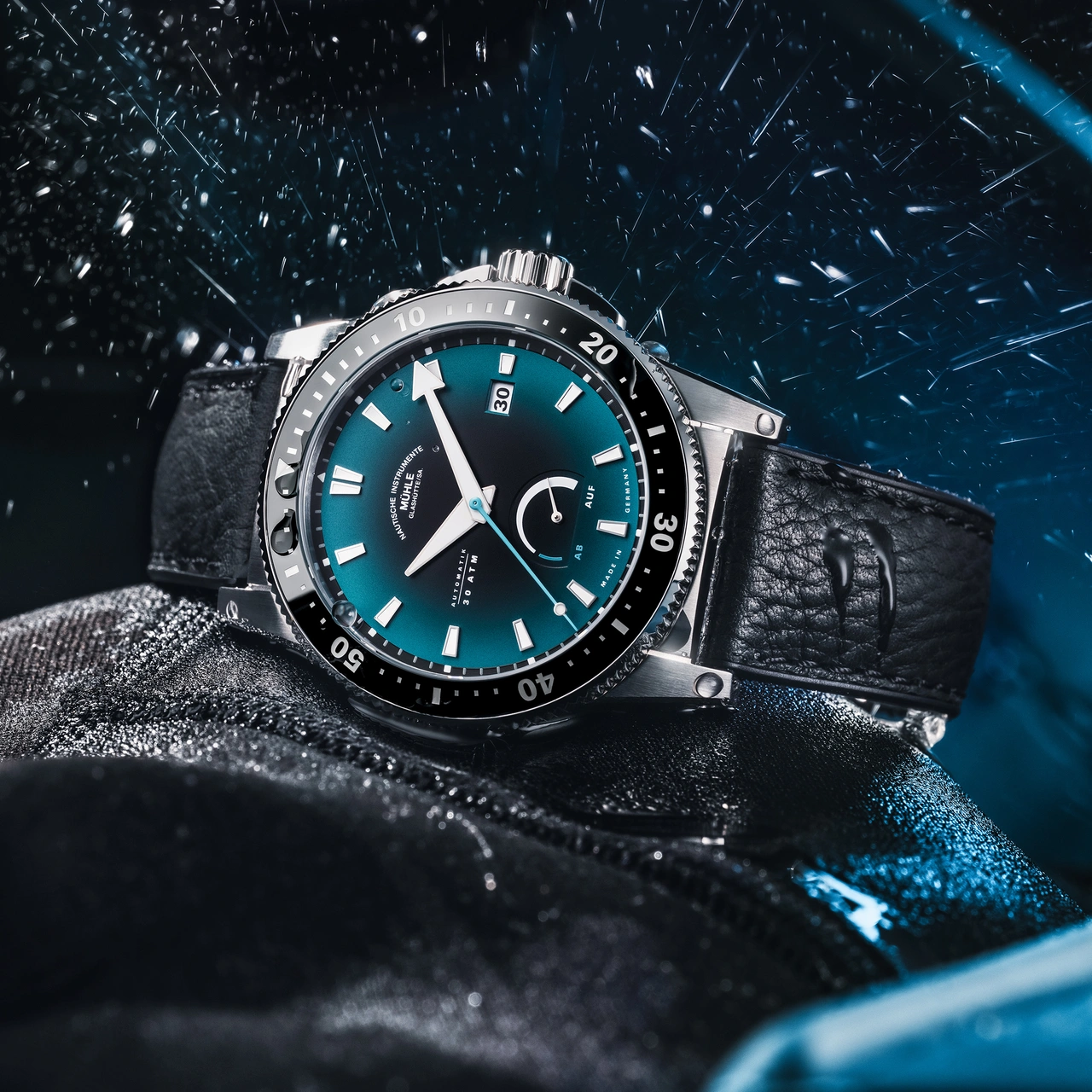
This is especially clear in brands such as Sinn and Damasko, where engineering is not hidden behind surface decoration. The case, crown, bezel, dial and bracelet are all part of the same design logic. Sinn’s approach to hardened surfaces, dehumidifying technology, magnetic field protection and professional-use testing gives its watches a character that comes from what they are built to withstand. Damasko brings a similar seriousness through hardened steel cases, clean dial layouts and mechanical confidence. These watches look the way they do because the design has been shaped by durability, legibility and reliability, not by fashion cycles.
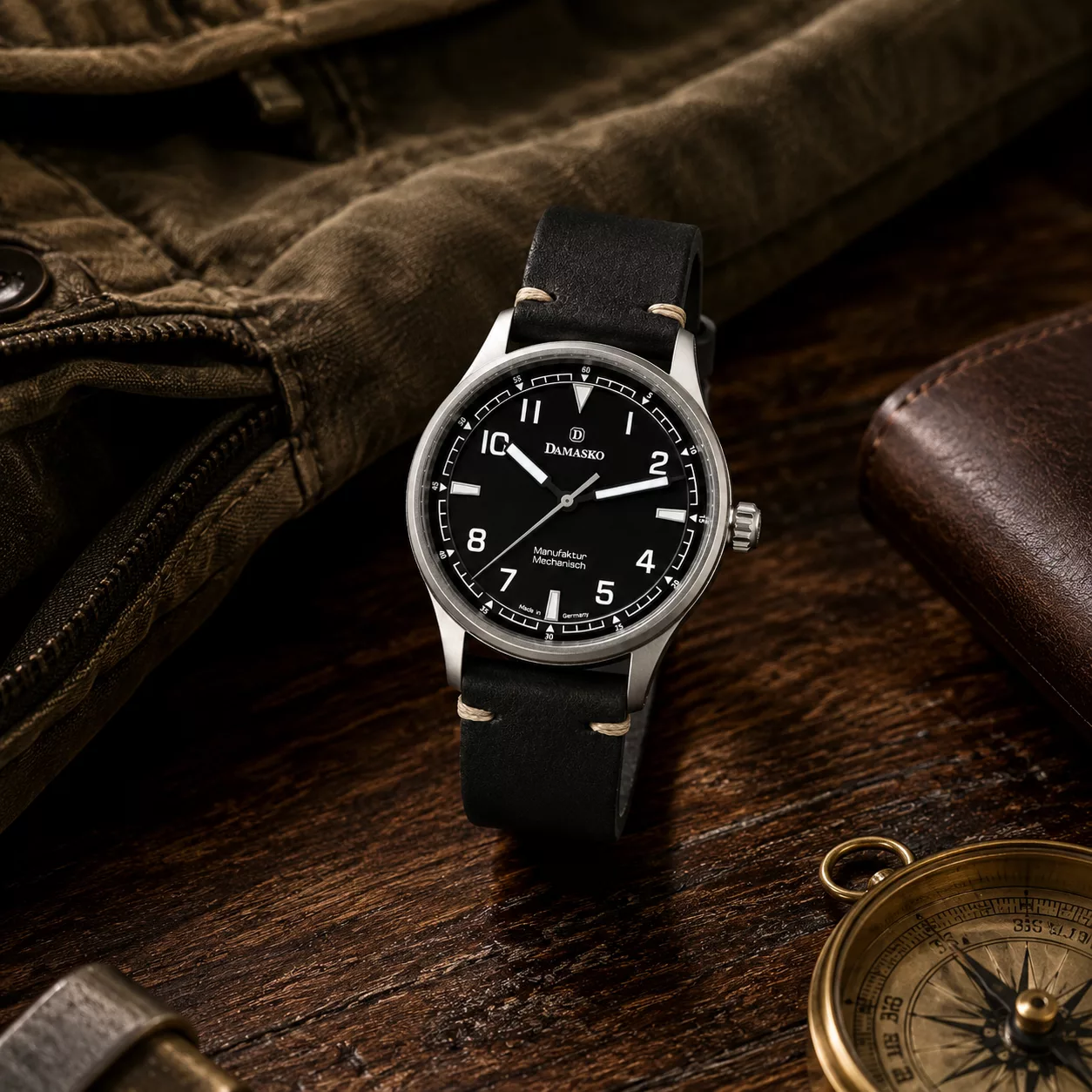
That does not make them unattractive. In fact, for many collectors, the appeal sits precisely in their clarity. A Sinn pilot chronograph or a Damasko three-hander can have a strong visual presence because nothing feels unnecessary. The typography, hands, case proportions and surface treatment work together with a sense of discipline. Where a mass-produced watch may use decorative cues to suggest performance, these brands often build the performance first and allow the appearance to follow naturally. The result is a type of beauty that feels practical, honest and long-lasting.

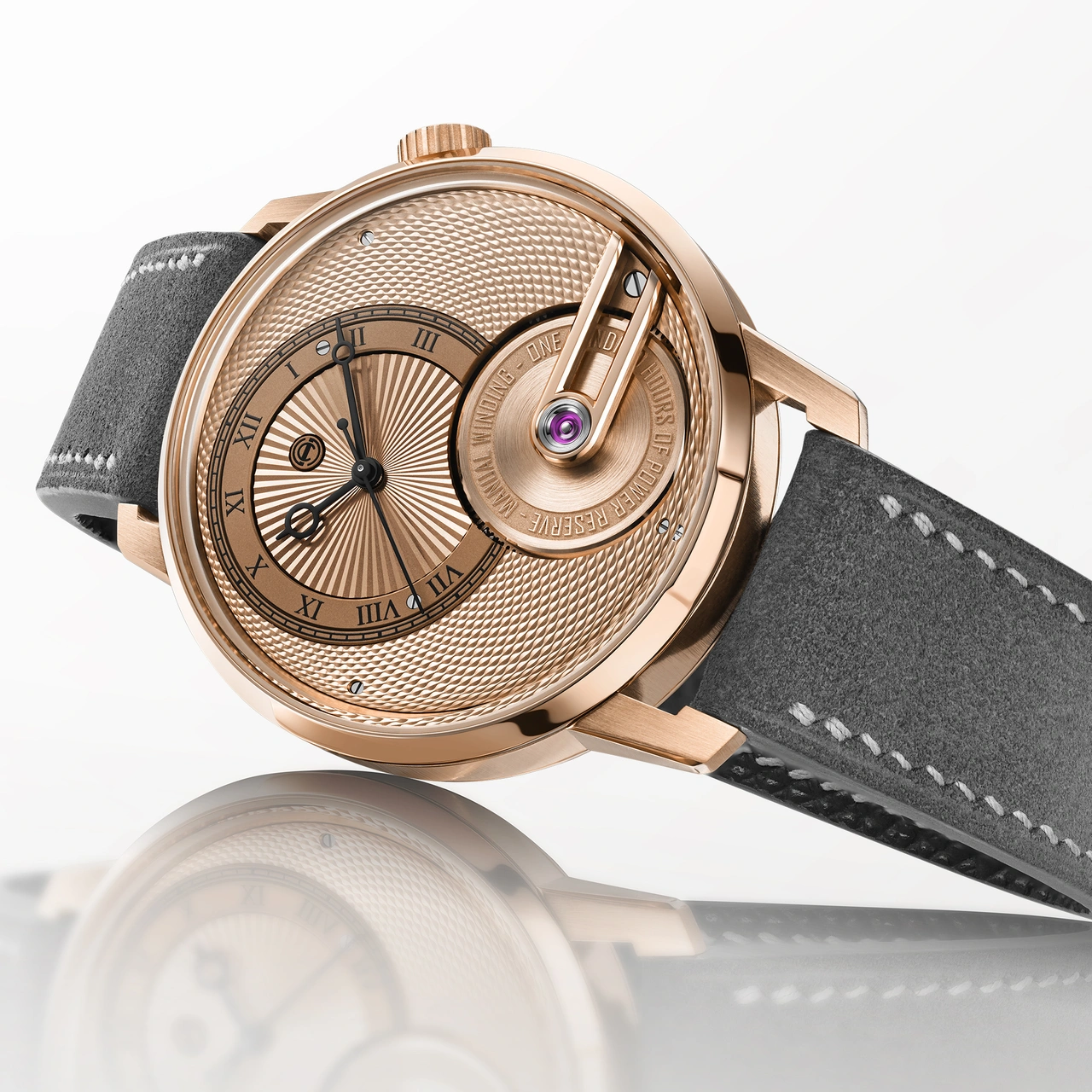
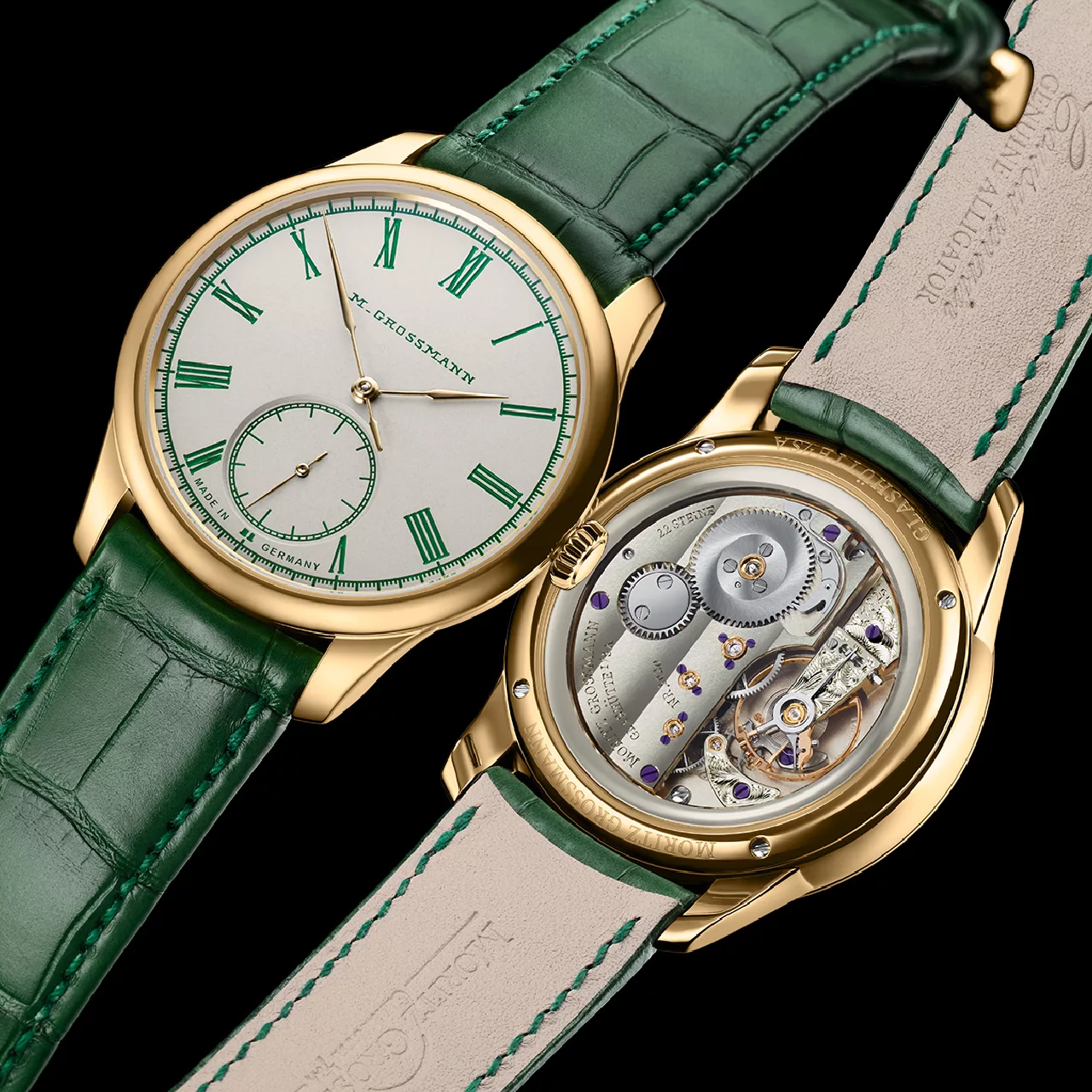
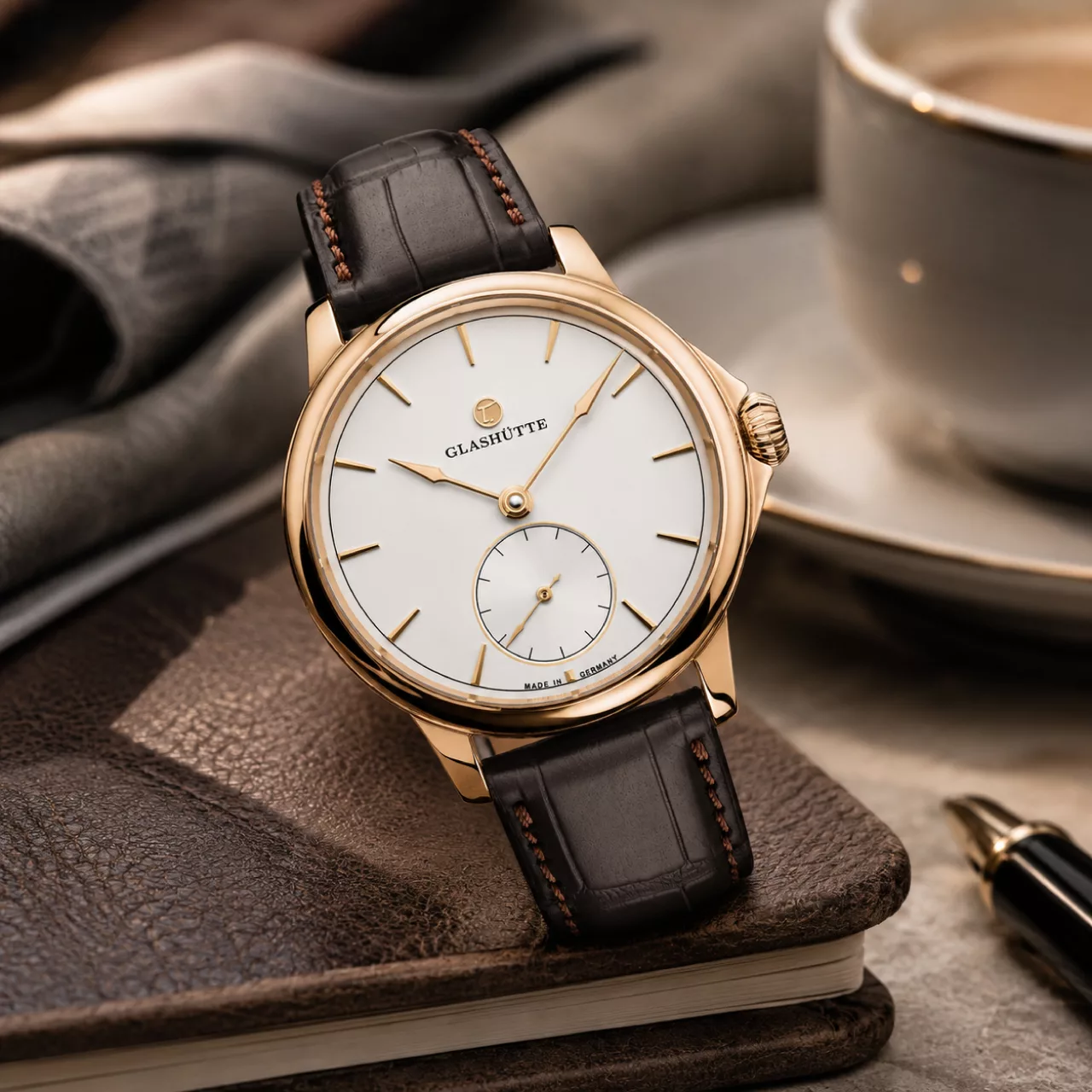
German design, however, is not limited to tool watches. Glashütte and other German watchmaking centres have a long tradition of highly refined mechanical craft. Moritz Grossmann is a strong example of how German restraint can sit alongside exceptional polish and finishing. The dials are often calm and balanced, yet the movements reveal hand-finishing, elegant architecture and a level of detail that rewards slow attention. This is not mass-market decoration designed to catch the eye from across a showroom. It is finishing that becomes more meaningful the closer you look.
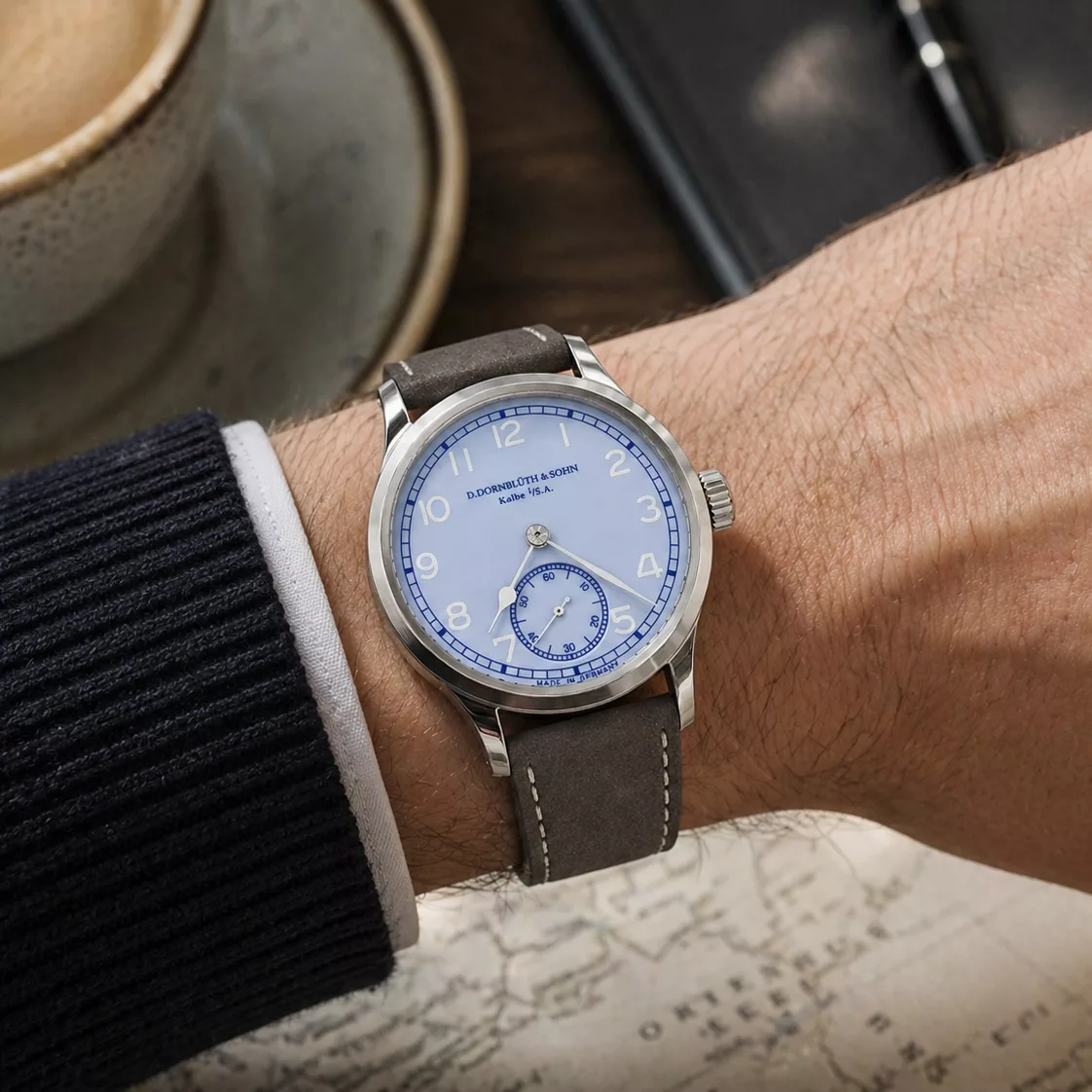
D. Dornblüth & Sohn brings another side of this same story. The watches have an intimacy that is difficult to reproduce at scale. Their charm comes from traditional construction, hand-applied finishing and a sense that the watch has passed through skilled hands rather than a purely automated production line. Compared with many mass-produced watches, the difference is not only in appearance, but in feeling. A Dornblüth dial, movement and case do not try to look generic or universally polished. They feel personal, deliberate and connected to a specific workshop identity.
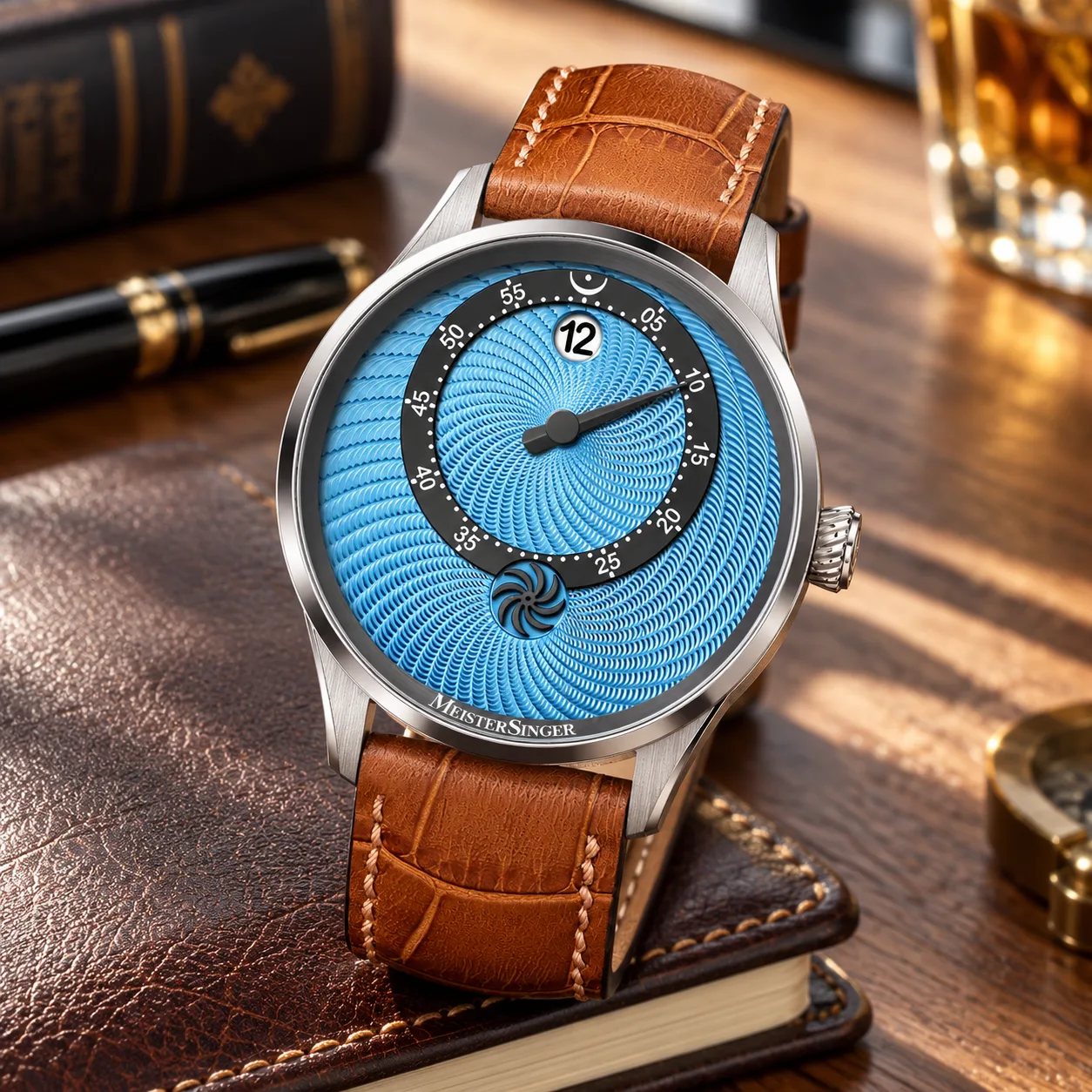
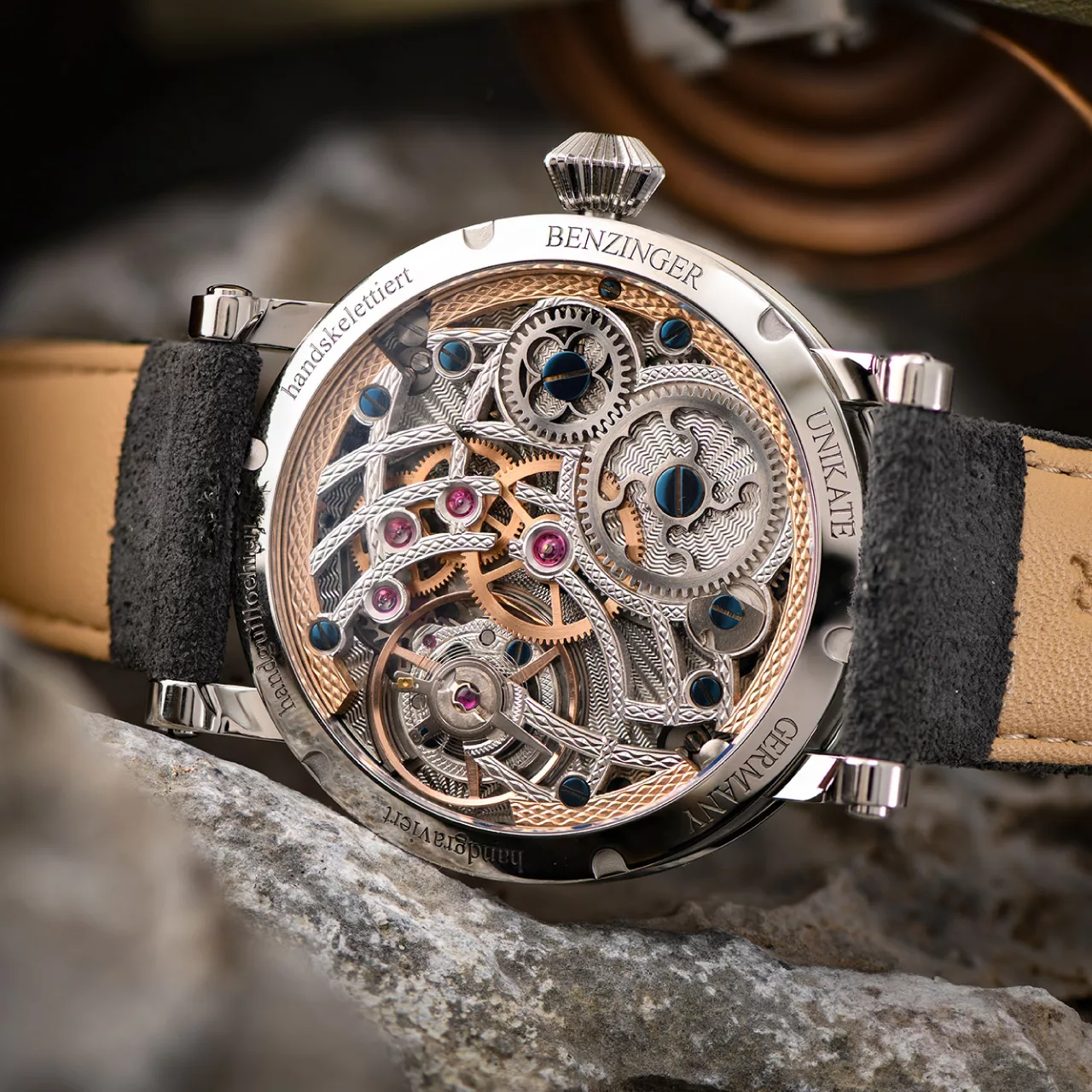
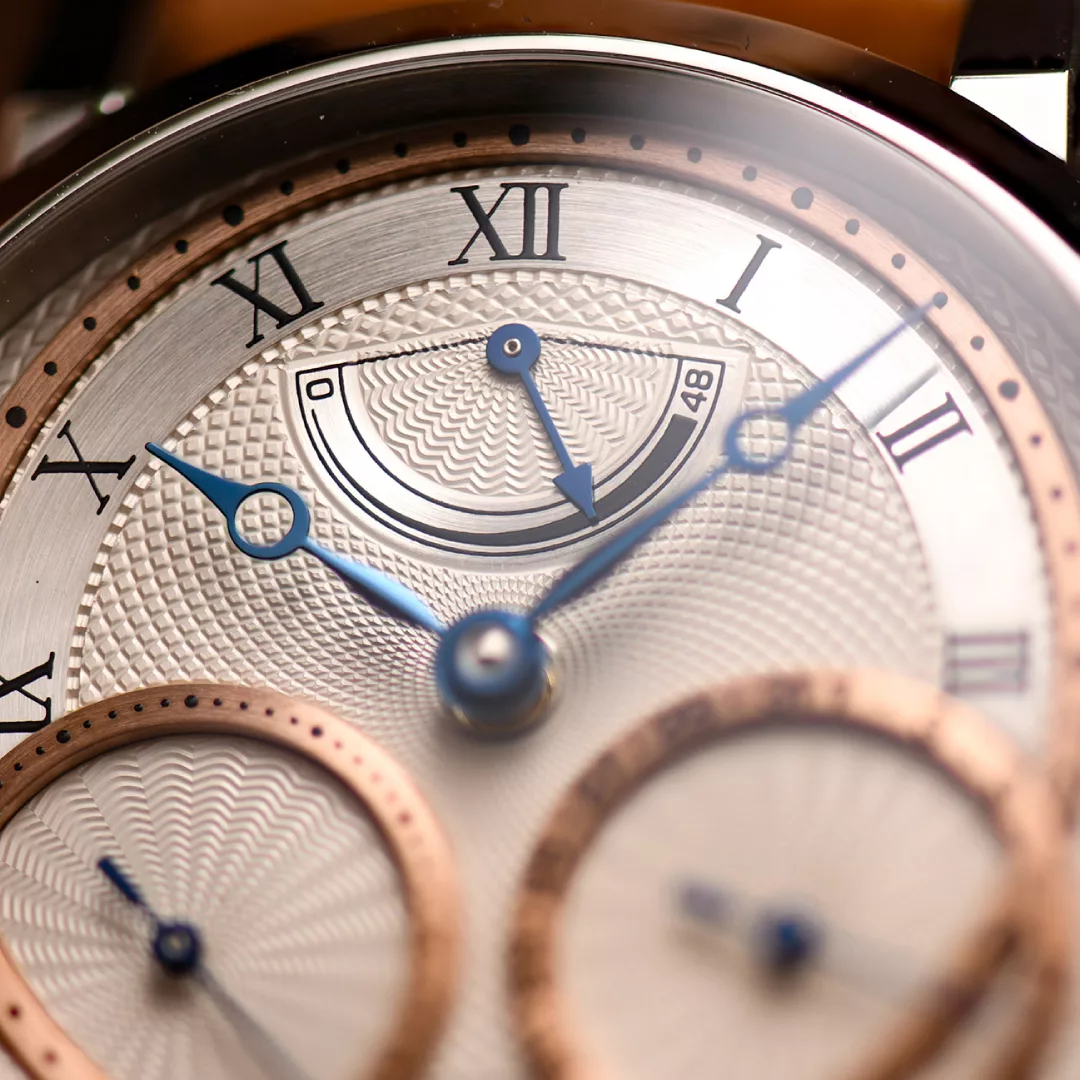
Benzinger shows that German watchmaking can also be deeply artistic. Hand-guilloché, engraving and skeletonised work all sit comfortably within the German tradition when they are executed with discipline and purpose. The decoration is not added simply to create flash. It is tied to old-world methods, patient handwork and a very particular understanding of mechanical beauty. In this sense, Benzinger challenges the idea that German watches are only practical or understated. They can be ornate, luminous and highly expressive, while still carrying the structural seriousness associated with German craft.
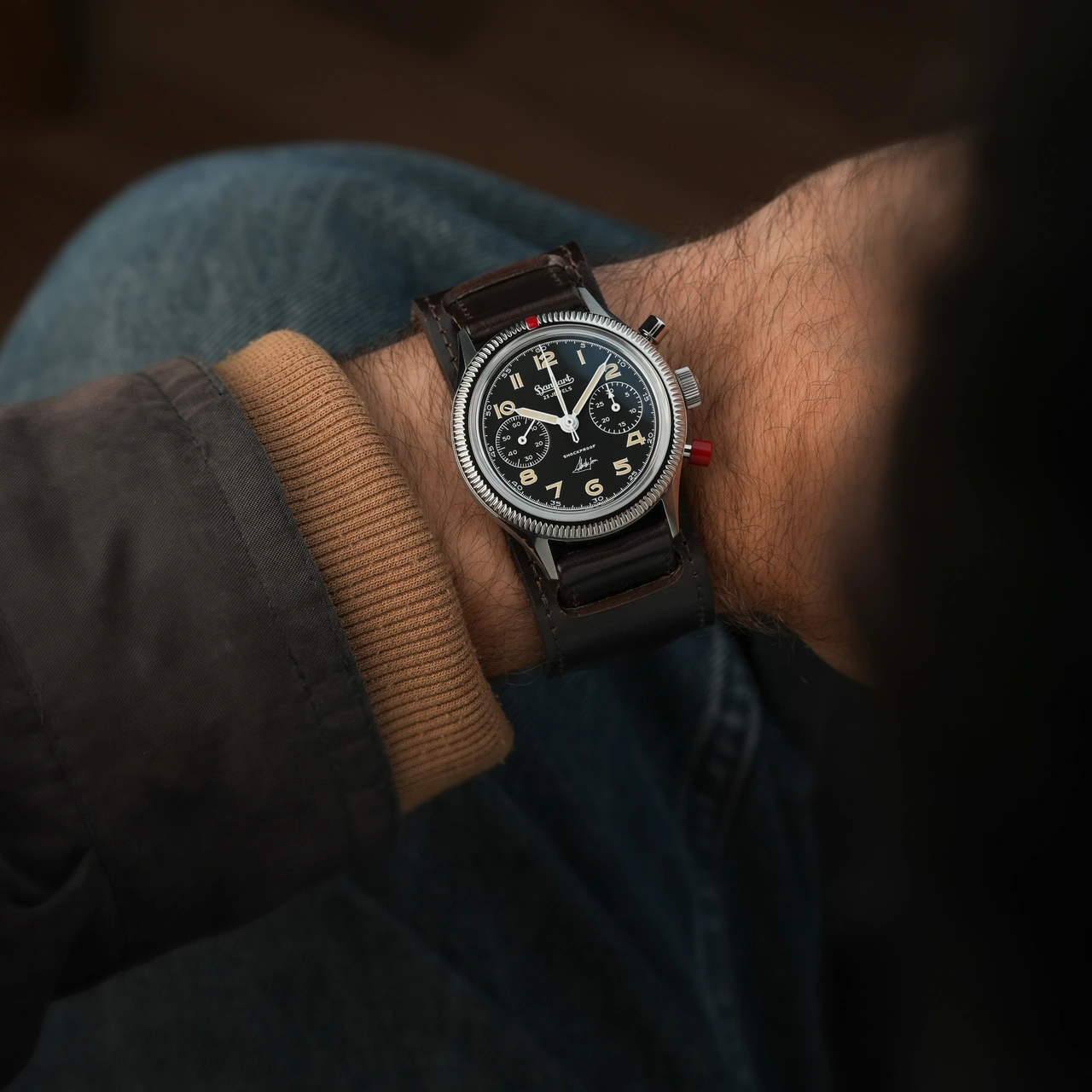
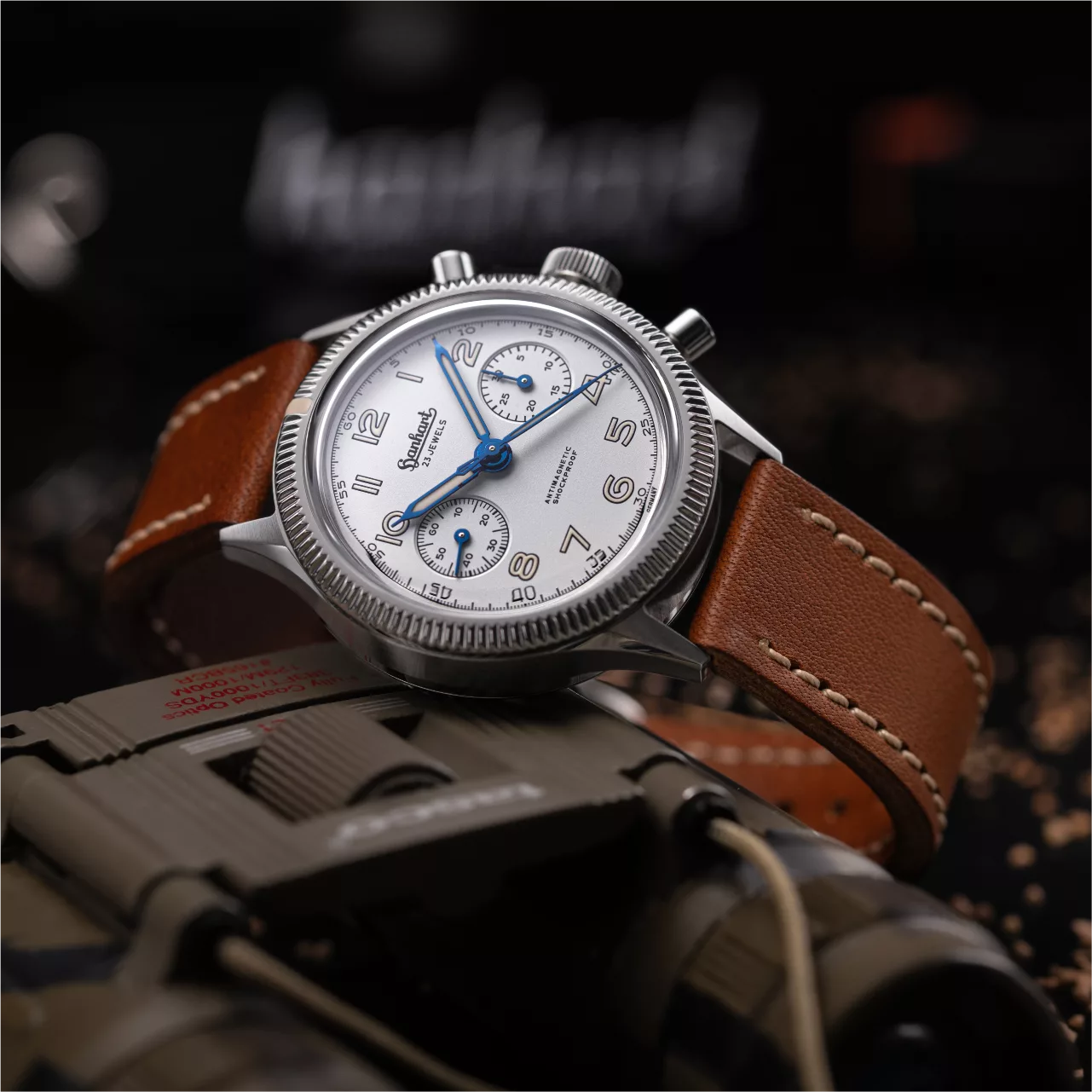
Hanhart and Tutima sit in another fascinating position, where history, function and refinement overlap. Hanhart’s chronographs carry a strong pilot and motorsport heritage, with designs that are immediately readable and full of character. Tutima, particularly through its Glashütte-made pieces, can move between robust professional watches and more refined expressions of German watchmaking. Both brands show that function does not have to strip away personality. A watch can be practical, historically grounded and visually memorable without needing to imitate the design language of mass-market luxury.
This is where the distinction becomes most useful. Mass-produced watches often need to appeal quickly and broadly, so their design tends to lean towards familiarity. Independent German watches are usually more specific. They are not trying to be everything to everyone. Some are built around toughness, some around finishing, some around dial artistry, some around tradition, and some around a combination of all of these qualities. That specificity is what makes them interesting. A German watch is often easier to understand once you know the question it was designed to answer.
The case finishing is a good example. In mass-produced watches, polishing and brushing are often used to create a recognisable sense of luxury. In German watchmaking, the surface treatment may be decorative, protective, or both. A hardened matte case from Sinn or Damasko communicates durability. A polished case from Moritz Grossmann communicates elegance and restraint. A hand-finished detail from Dornblüth or Benzinger communicates craft, time and human involvement. The visual finish is not a costume placed over the watch. It is part of the watch’s identity.
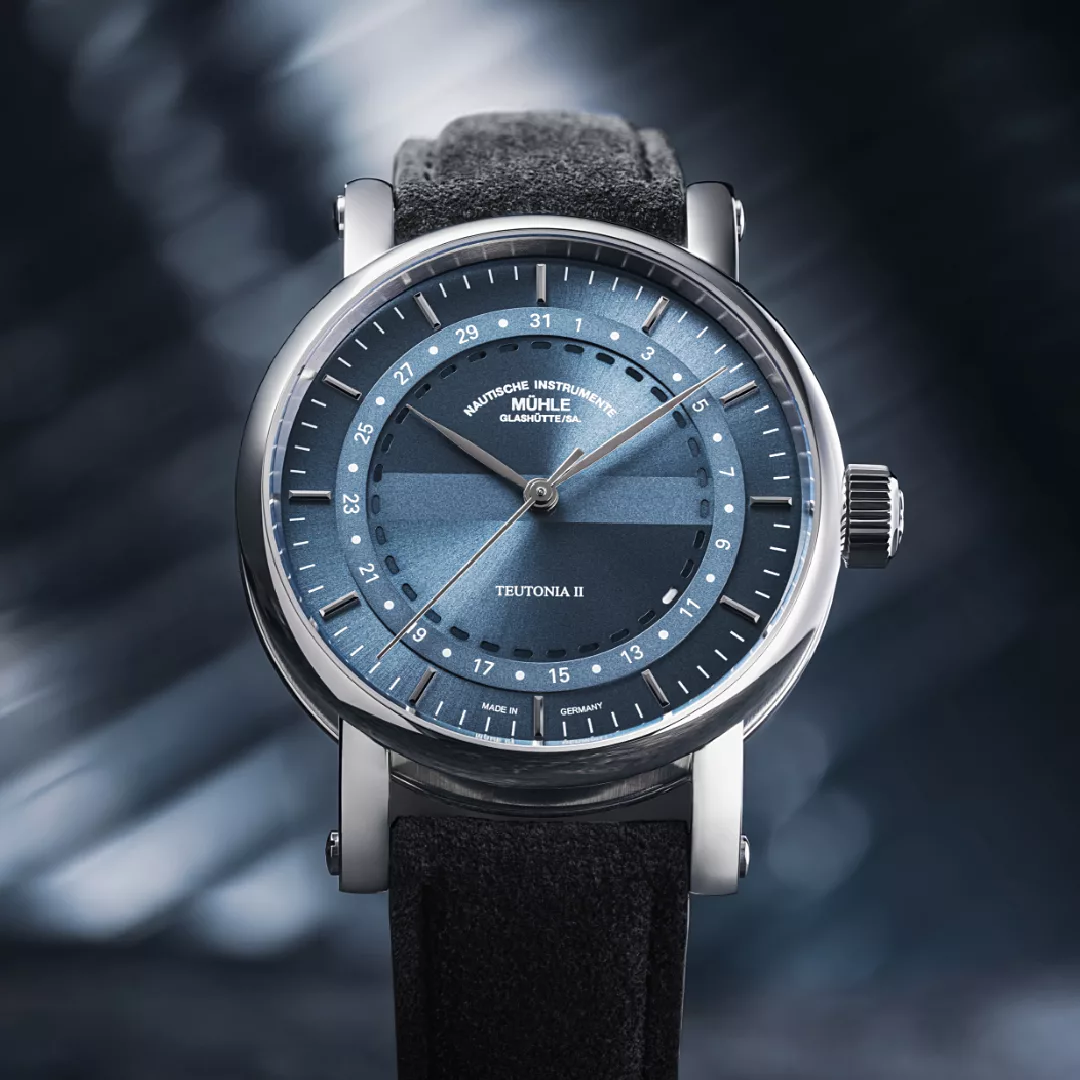
Dial design follows the same pattern. A mainstream watch dial often needs to look appealing in a crowded market, which can lead to familiar colours, oversized markers, borrowed proportions or design elements chosen for quick impact. German independents tend to be more intentional. A Sinn dial prioritises immediate readability. A Hanhart dial carries historical rhythm and bold character. A Moritz Grossmann dial may use space, texture and hand-finished elements to create calm sophistication. A Benzinger dial may turn traditional craft into visible art. These are very different outcomes, yet they are all recognisably connected by purpose.
That is perhaps the most important point. German watch design should not be reduced to the idea of plain utility. It is better understood as design with conviction. Sometimes that conviction produces a watch that is hardened, technical and built for demanding use. Sometimes it produces a watch that is polished, elegant and finely finished. Sometimes it produces a piece that is artistic, expressive and full of handwork. The common thread is not austerity. It is integrity.

For collectors, this is why German watches can feel so rewarding over time. They are not always designed to win attention in the first few seconds. Some do, especially the more artistic pieces, but many reveal themselves gradually through proportion, finishing, case construction, movement detail and the quiet confidence of their design. Against the sameness of much mass-produced watchmaking, that clarity of purpose stands out. A German watch can be functional, beautiful, highly polished, or all three, but at its best it is never generic.