Choosing the best watch brand is rarely about identifying one manufacturer that does everything better than every other. A serious tool watch, a hand-finished dress watch and an artisanal independent piece are built to answer very different questions. For Australian collectors, the more useful approach is to ask what kind of watchmaking matters to you: durability, historical character, technical innovation, hand craftsmanship, individuality or long-term serviceability. Define Watches has built its collection around independent German, Swiss and Austrian makers that each have a clear reason for being there.
For Functional and Everyday Watches
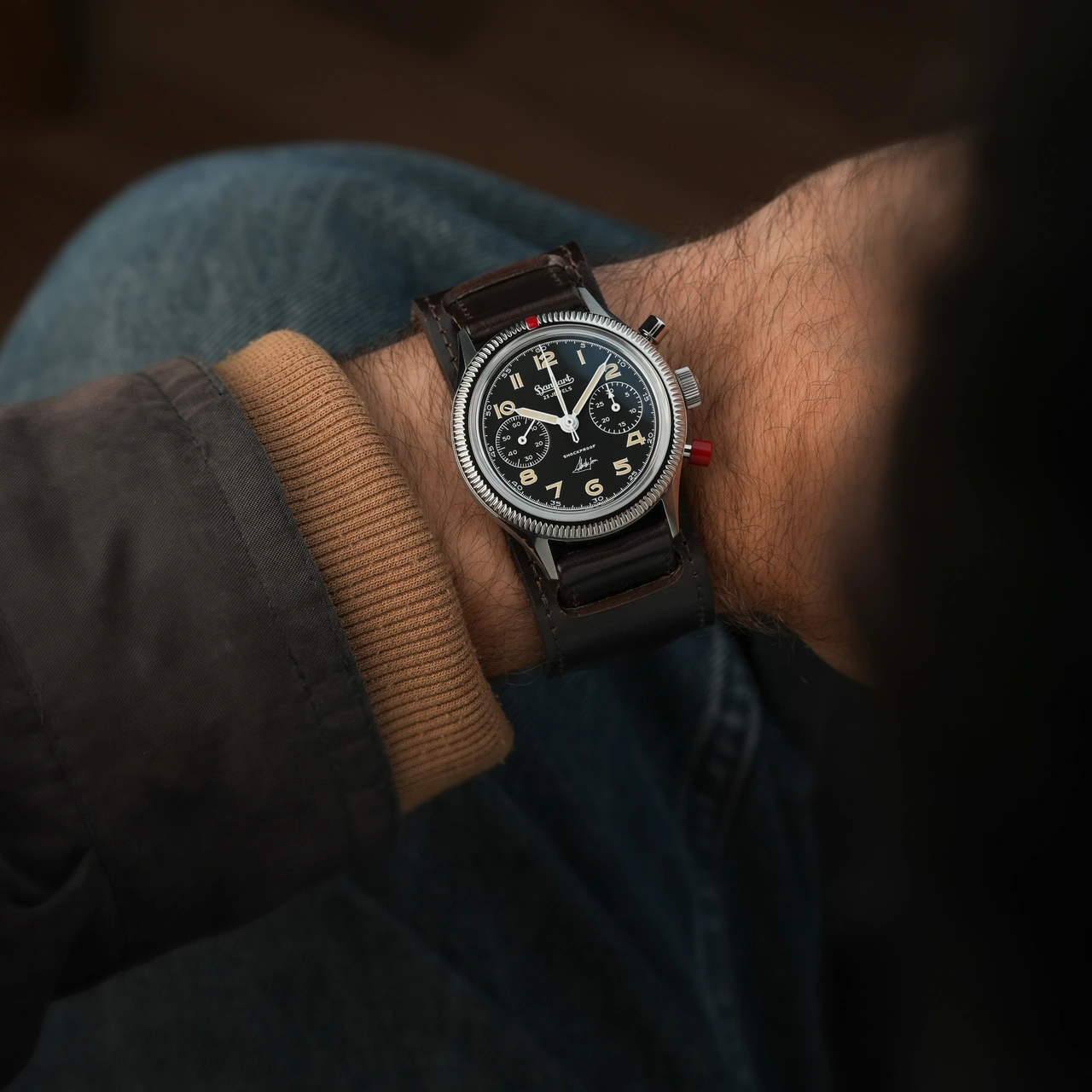
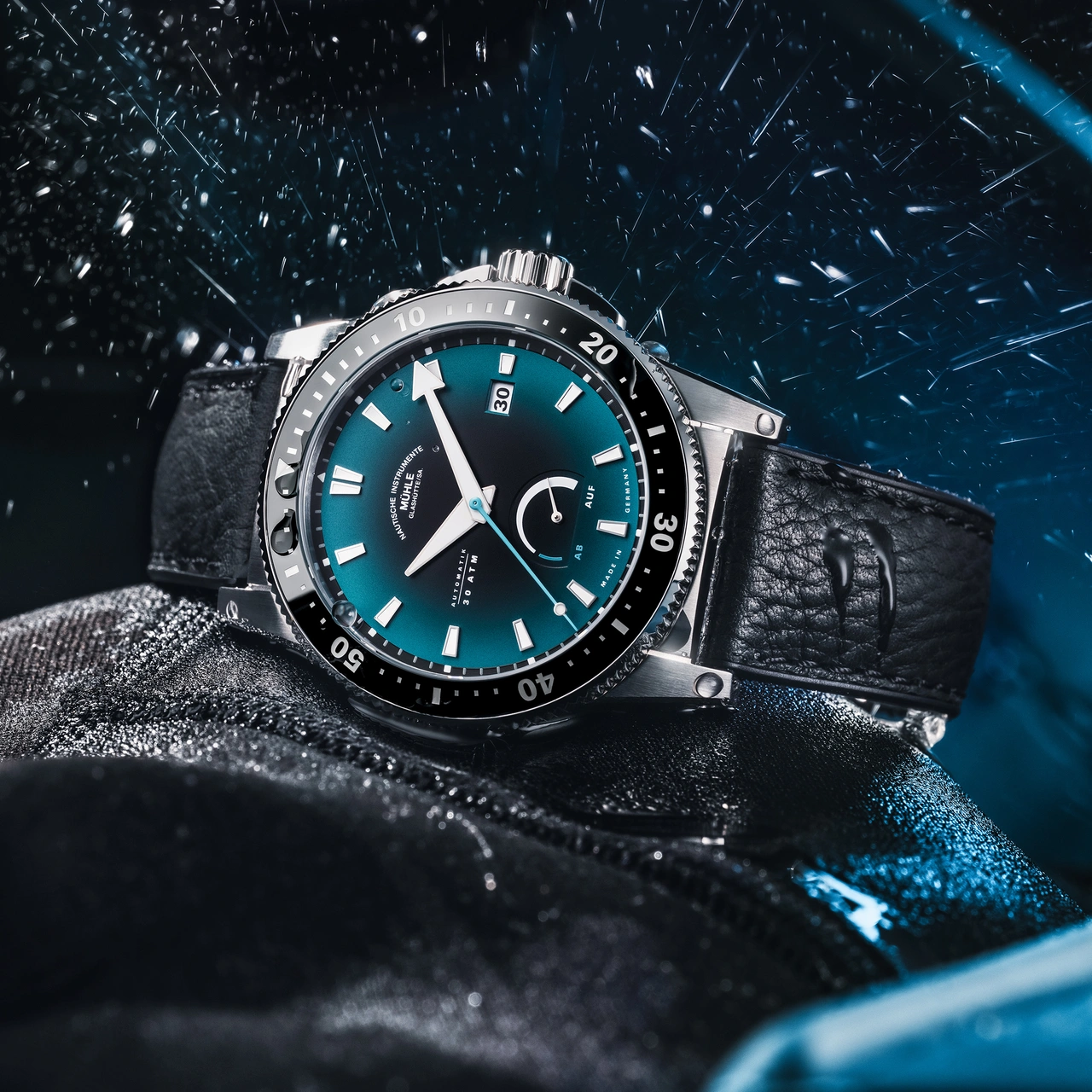
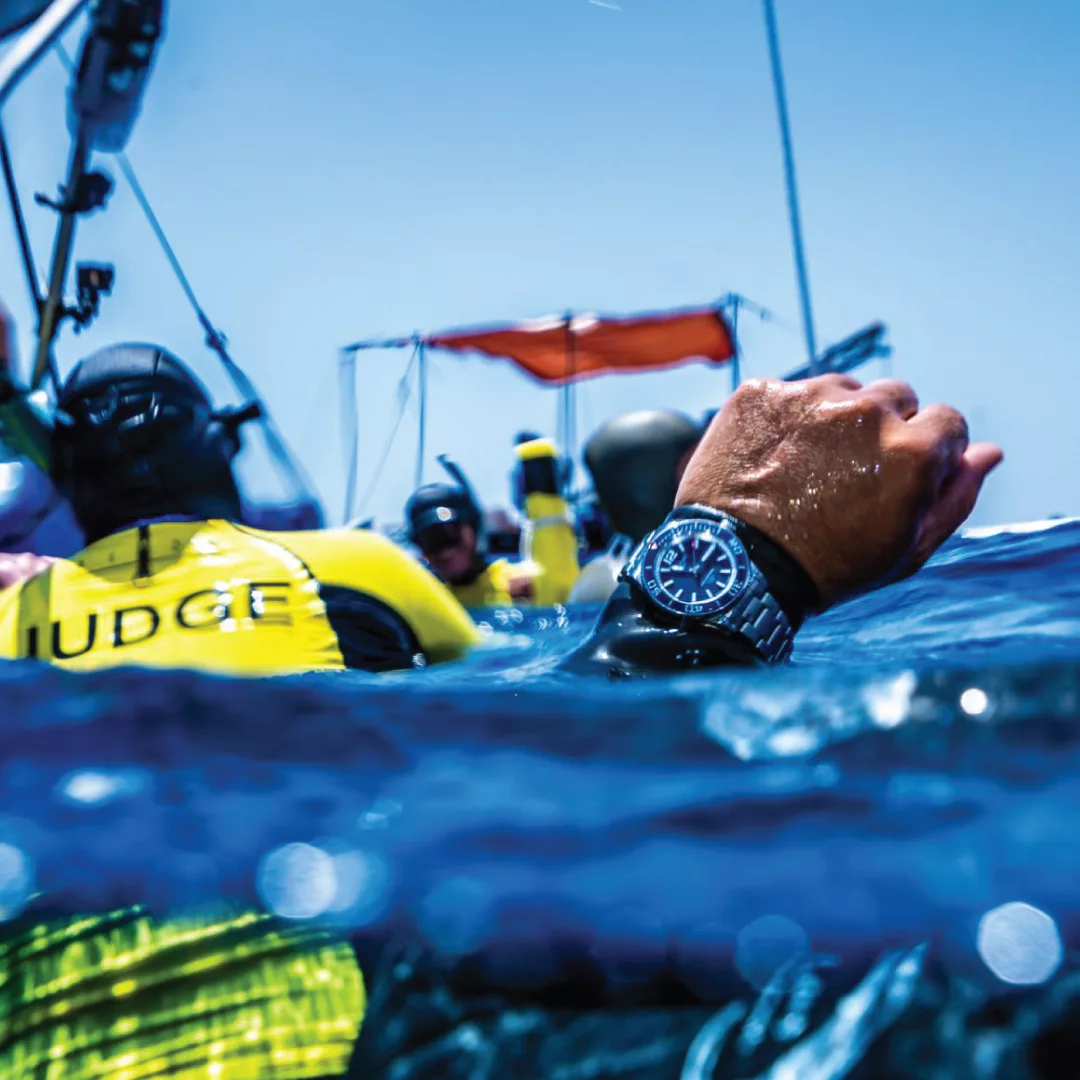
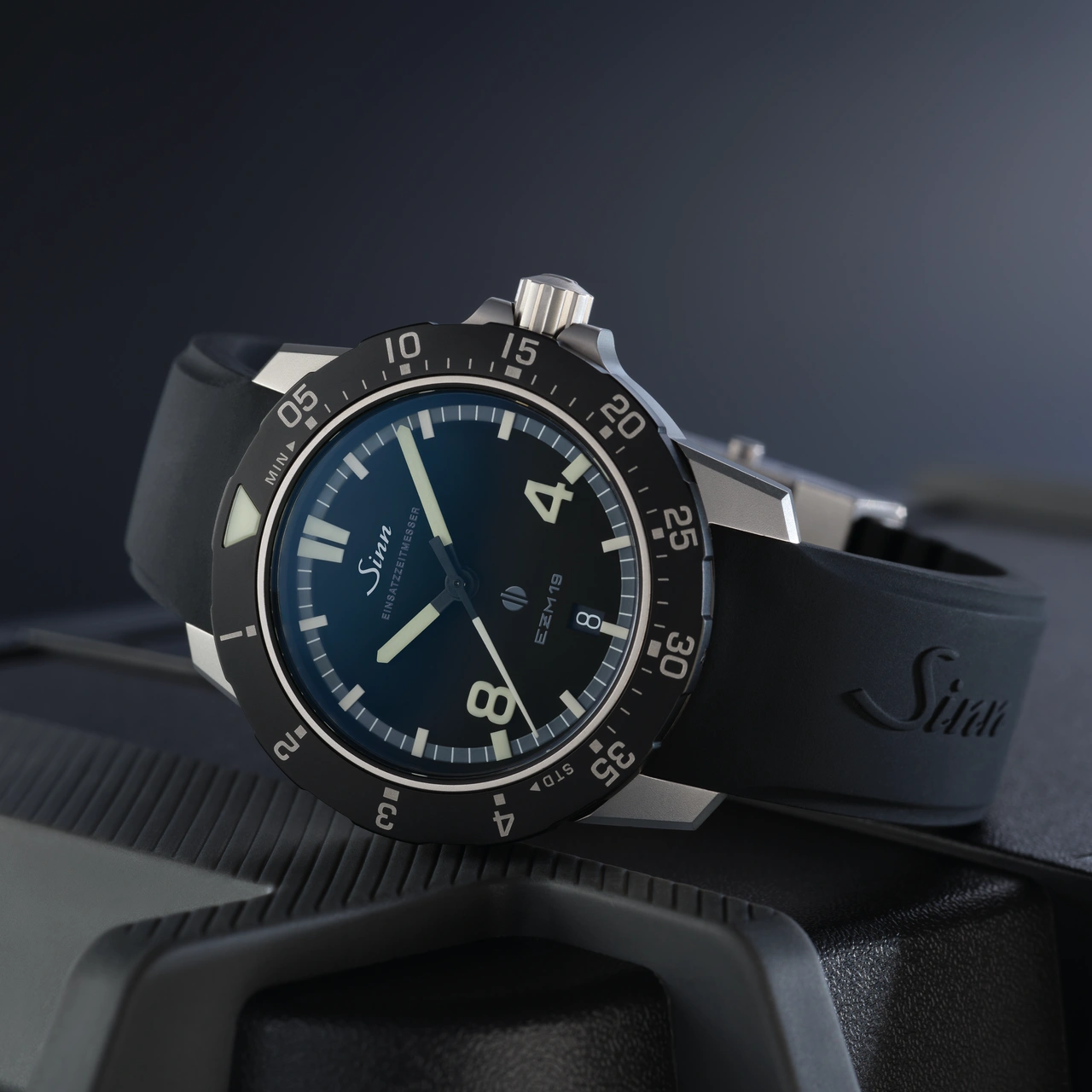
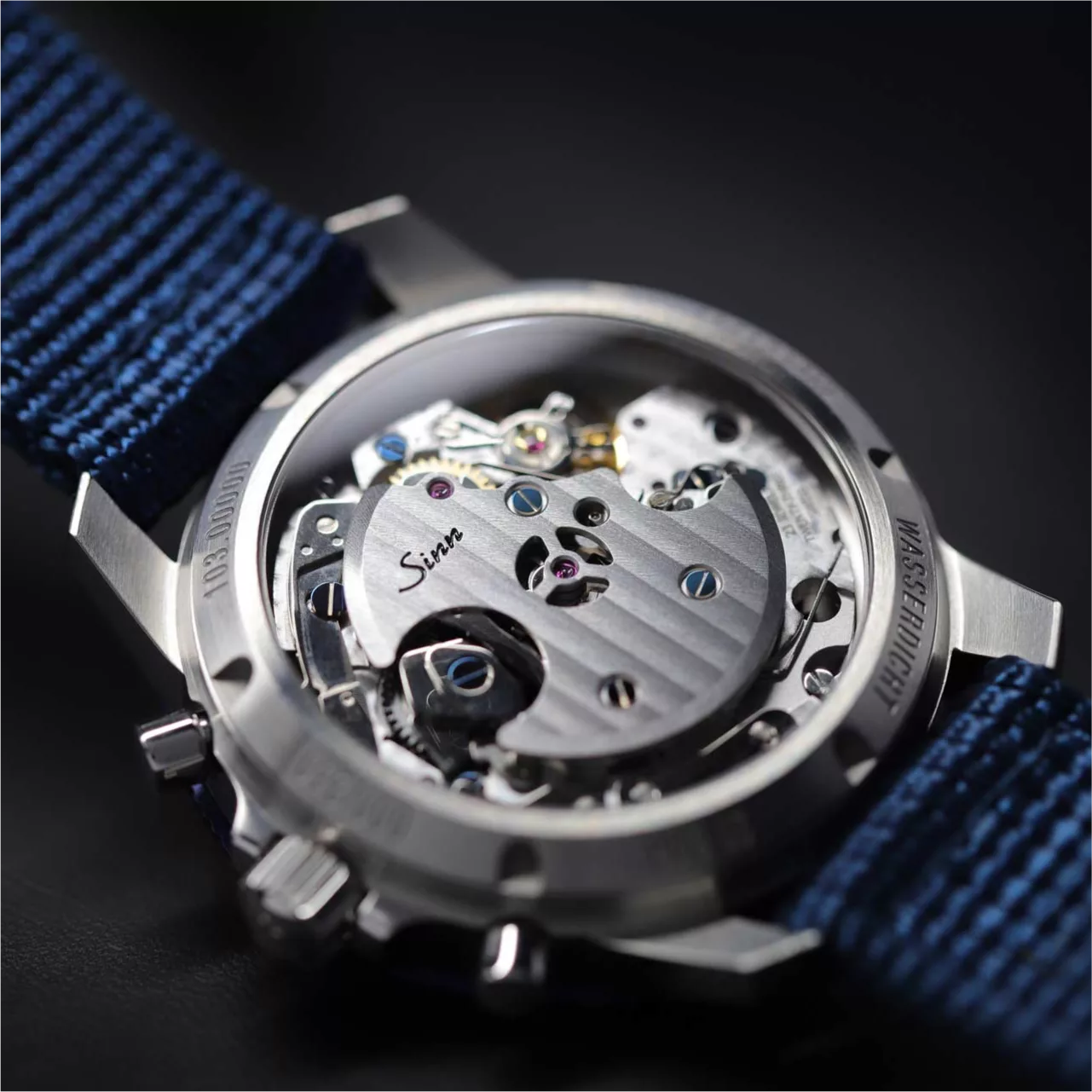
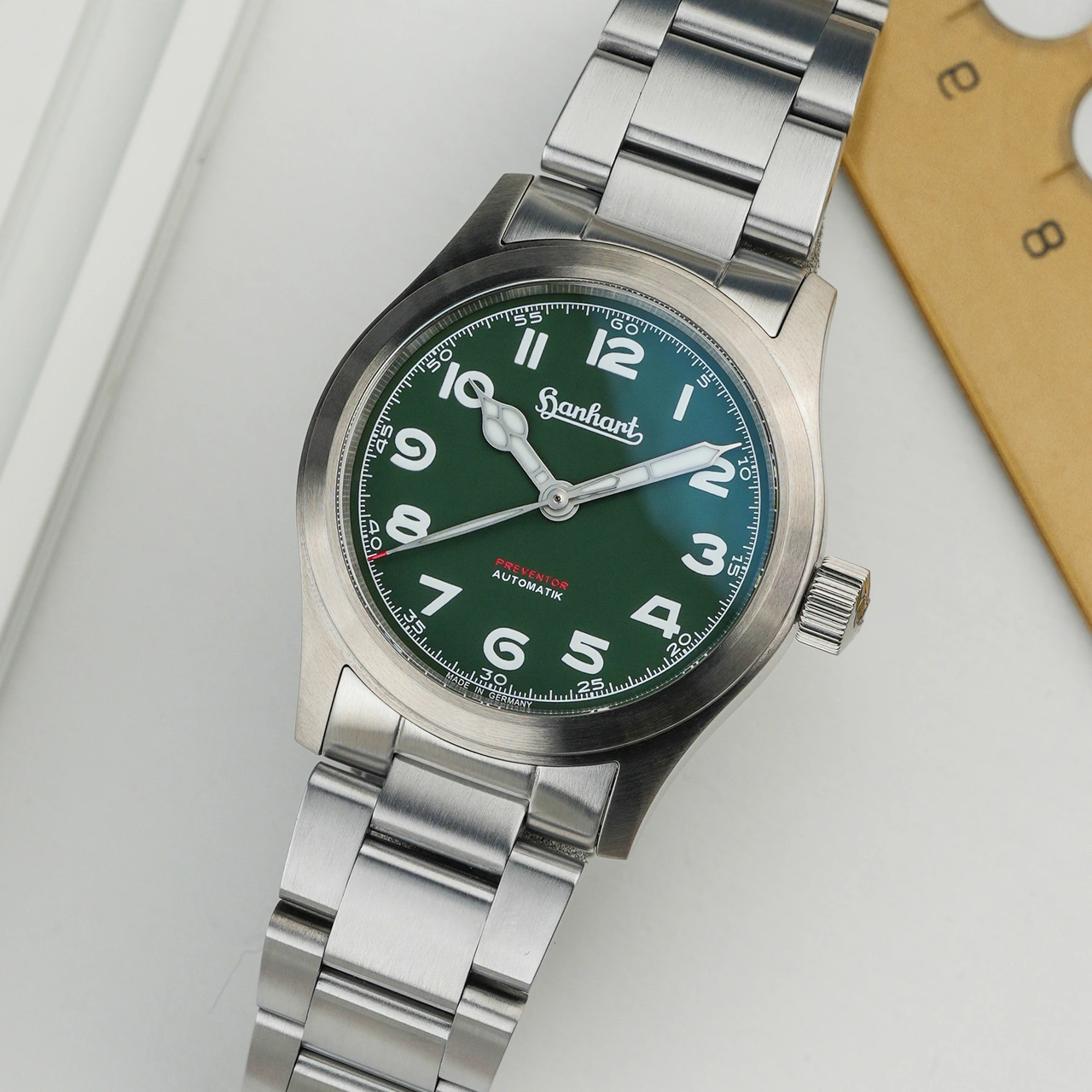
That independence matters because it often allows a brand to follow an idea further than a larger group might. Sinn, Damasko, Hanhart, Mühle-Glashütte and Tutima are excellent examples of brands whose identities come from function rather than fashion. Sinn is especially strong for pilots, divers and professionals who appreciate technologies such as Tegiment hardening and DIAPAL, while Damasko takes material engineering even further with ice-hardened steel, proprietary case technologies and in-house calibres. Hanhart brings more than a century of timing heritage to chronographs, while Mühle-Glashütte combines marine-instrument roots with practical regulation technology and Tutima balances Glashütte tradition with aviation and sports-watch capability.
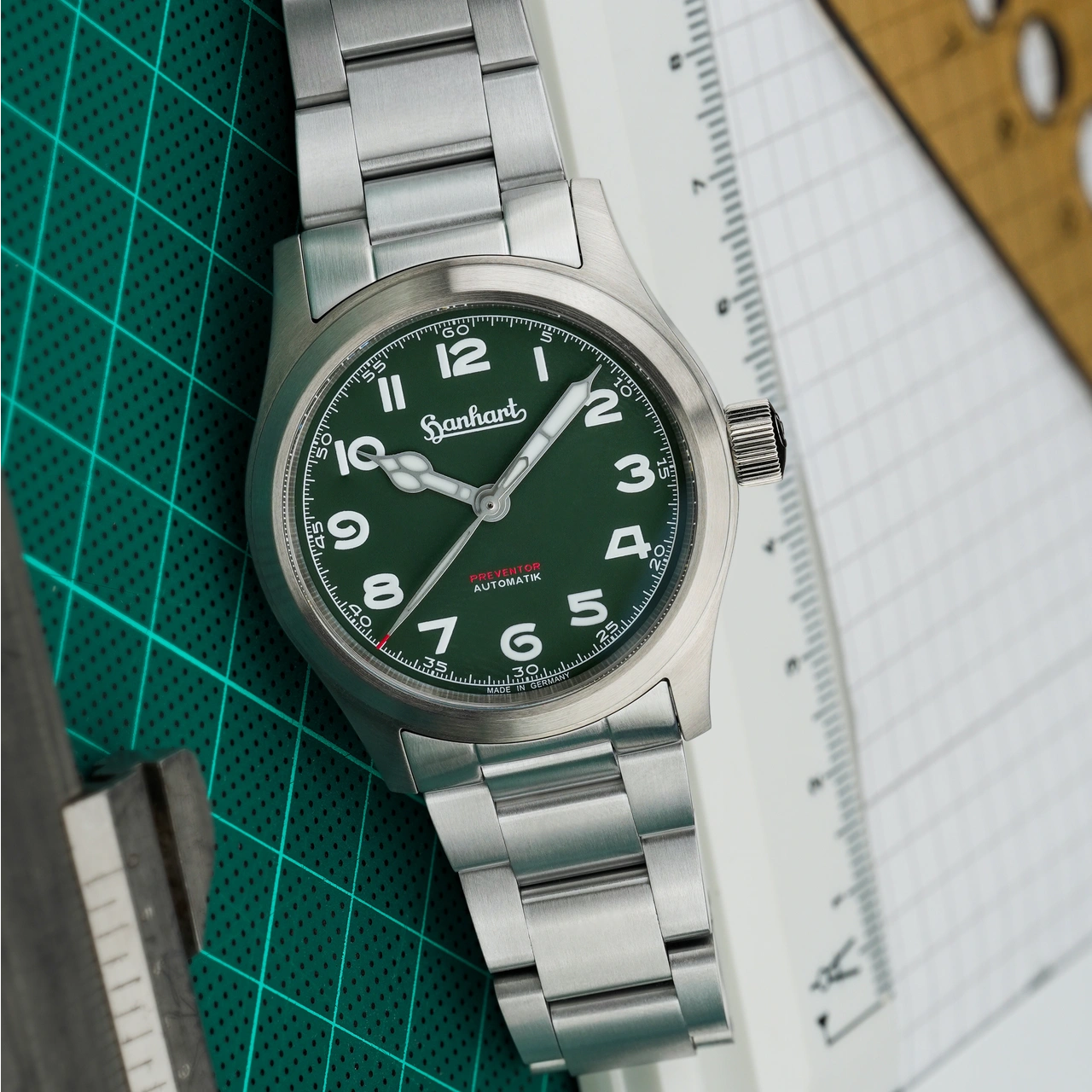
For many buyers, this functional group is the best place to begin because the watches make sense in everyday Australian conditions. Legibility, water resistance, robust cases and sensible bracelets or straps matter when a watch moves between work, travel, weekends and warmer weather. A technically impressive watch is not automatically a good daily watch if it is awkward to read, overly delicate or difficult to service. This is why the strongest German tool watches tend to earn loyal followings: their engineering is usually visible in how well they work, not simply in a list of specifications.
For Traditional Hand Craftsmanship
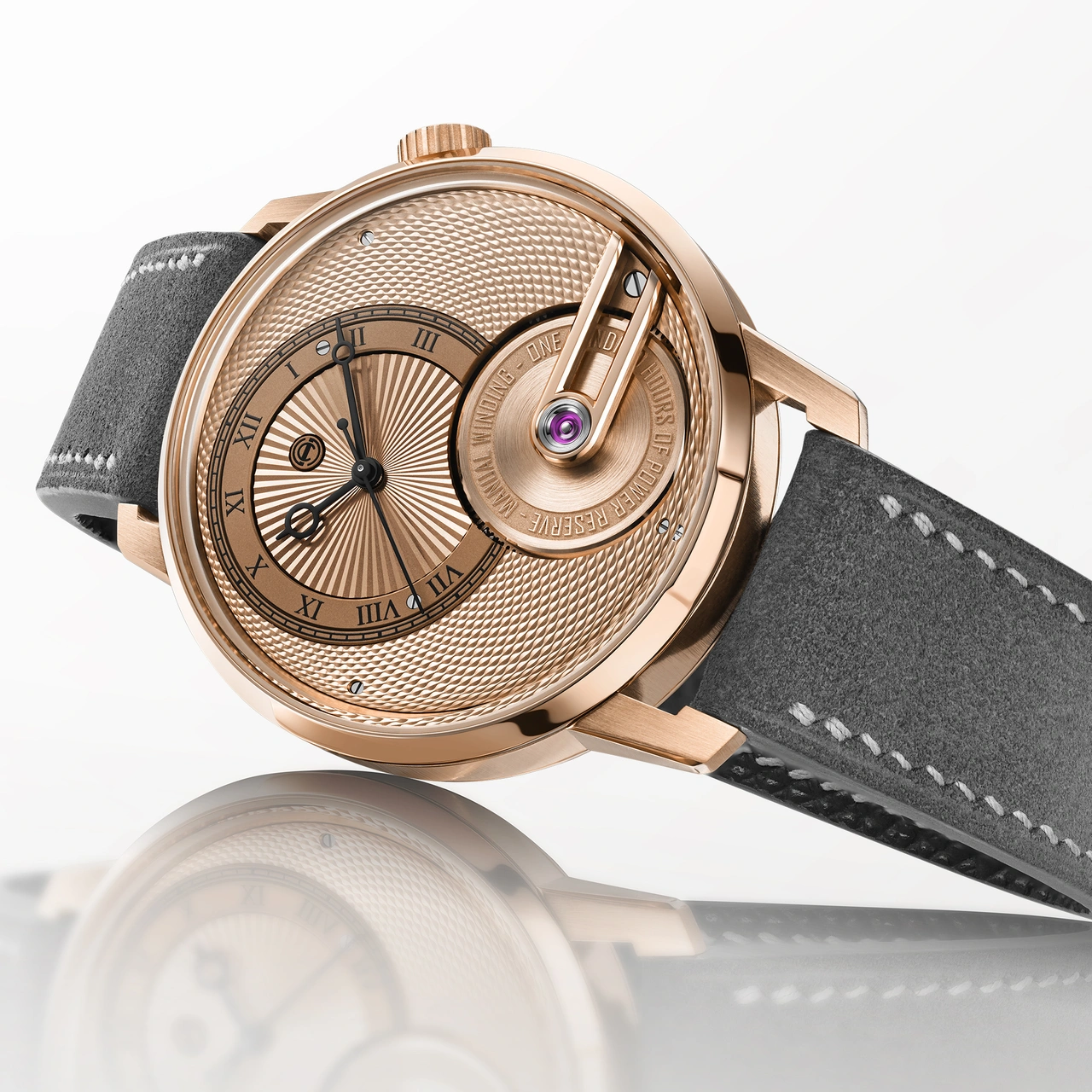
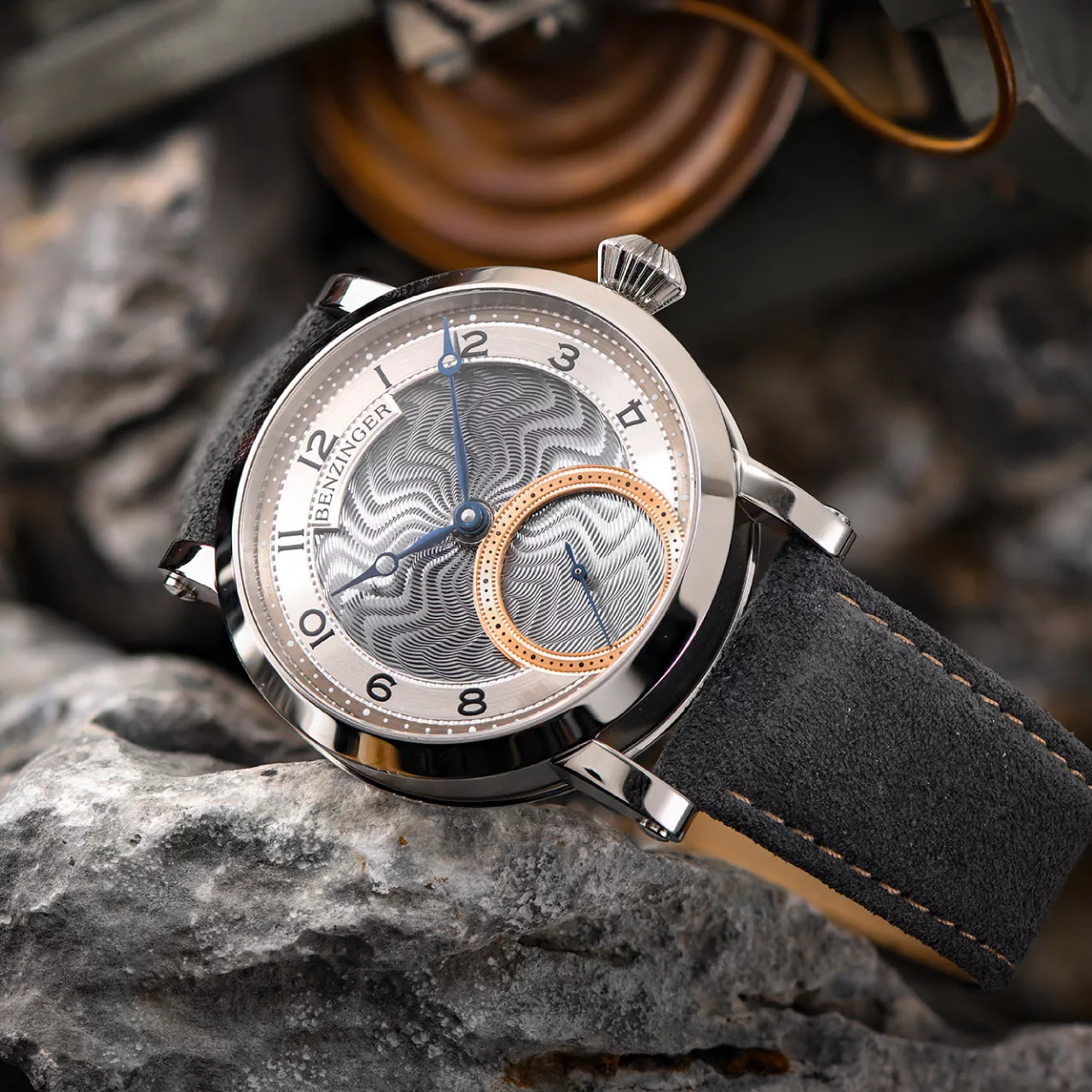
At the opposite end of the spectrum sits traditional hand craftsmanship. Dornblüth & Sohn, Benzinger, Jaeger & Benzinger and Hentschel appeal to collectors who want to see the hand of the maker in the finished watch. Dornblüth & Sohn is known for traditional construction and hand-finishing that deliberately preserves older methods, while Jochen Benzinger is respected for guilloché, engraving and skeletonisation using historic machinery. Jaeger & Benzinger brings that decorative craft into small-series watches with distinctive dial and movement finishing, while Hentschel continues Hamburg’s chronometer tradition through individually made watches with a strong sense of place.
For Personal Independent Watchmaking
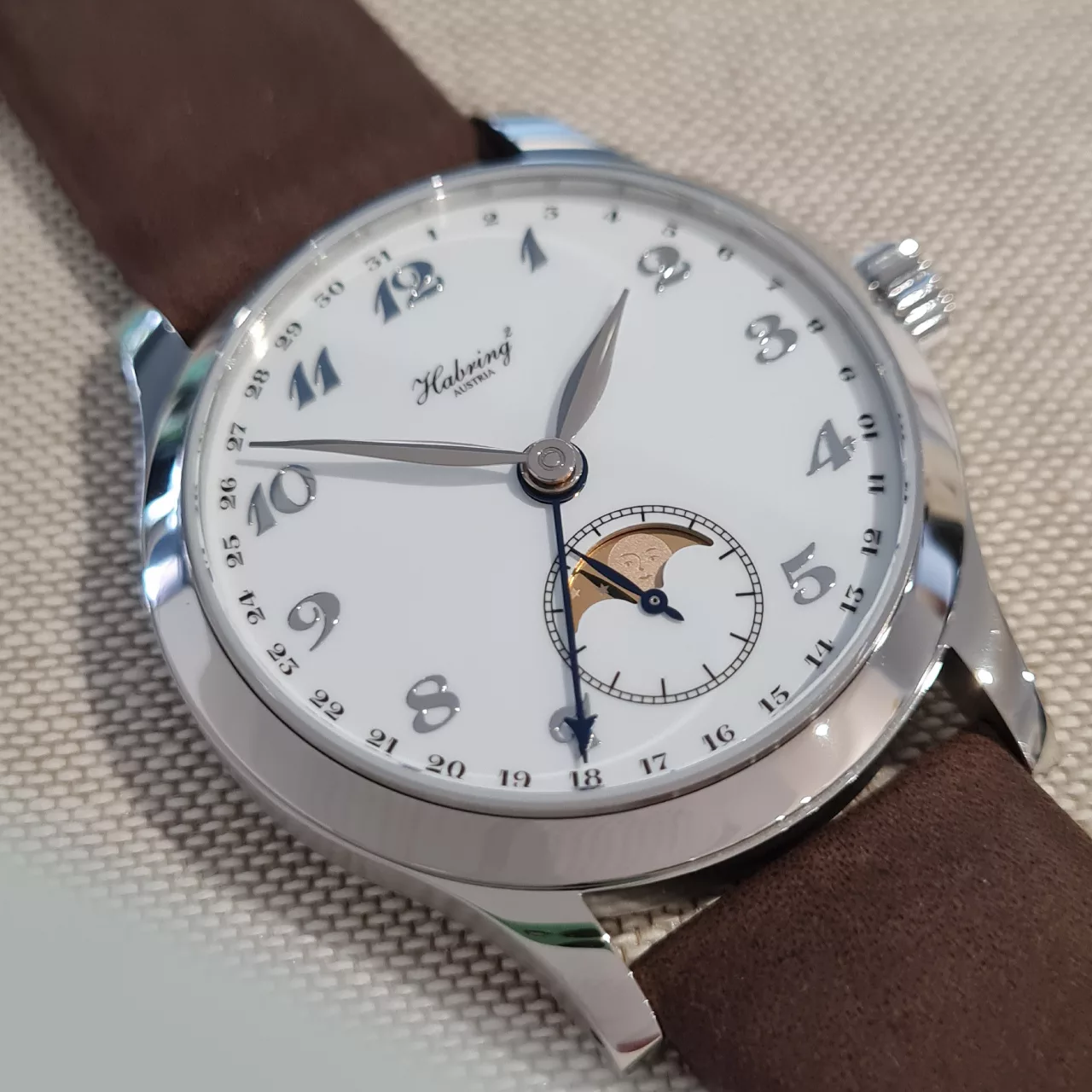
Habring² add another dimension to independent watchmaking because the personalities behind the brands remain closely connected to what leaves the workshop. Habring², created by Maria and Richard Habring in Austria, has built its reputation around mechanically interesting watches produced on a human scale, including deadbeat seconds, jumping seconds and chronograph complications. These brands are especially compelling for collectors who want a watch whose story can be traced back to identifiable watchmakers rather than an anonymous production line.
For Contemporary High Horology
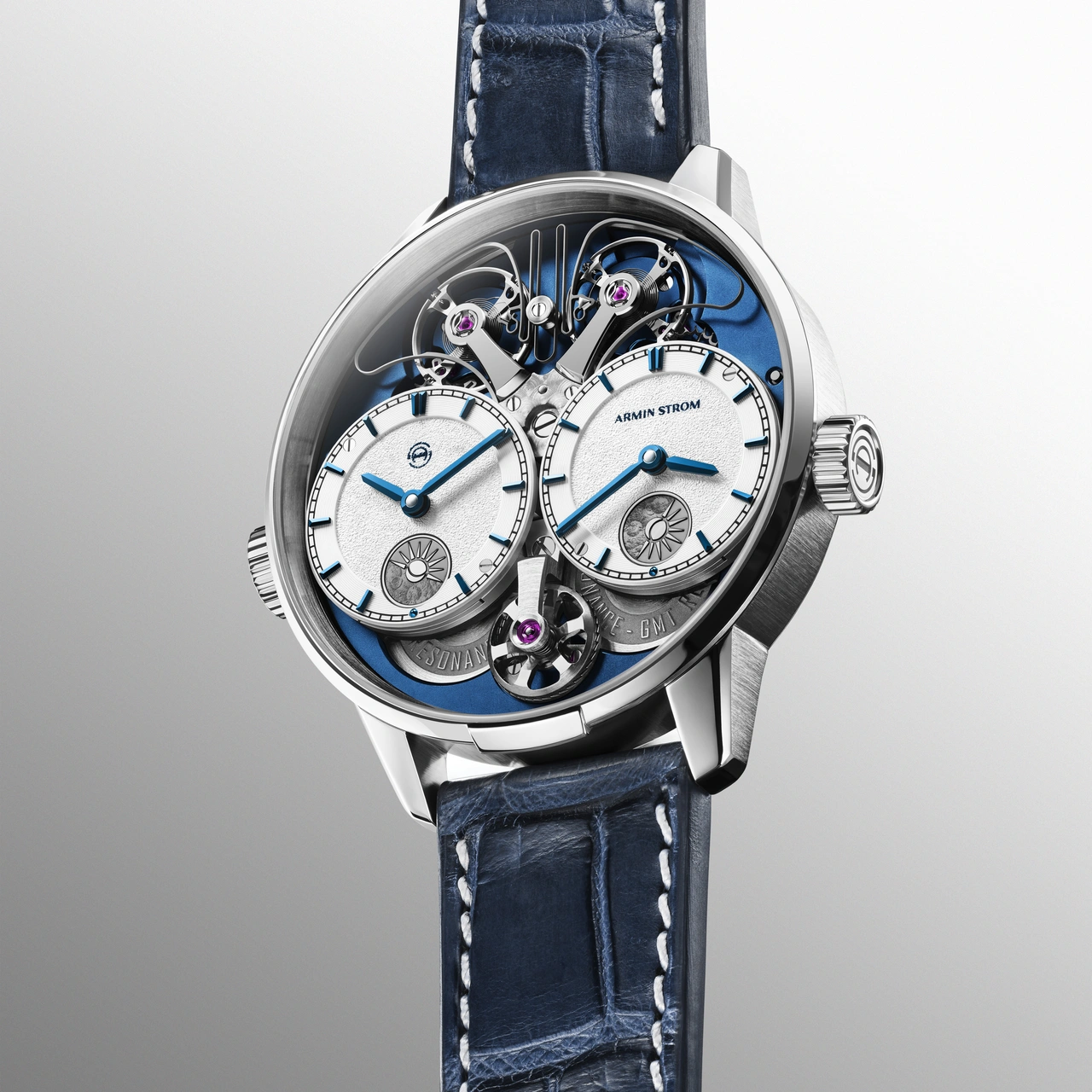
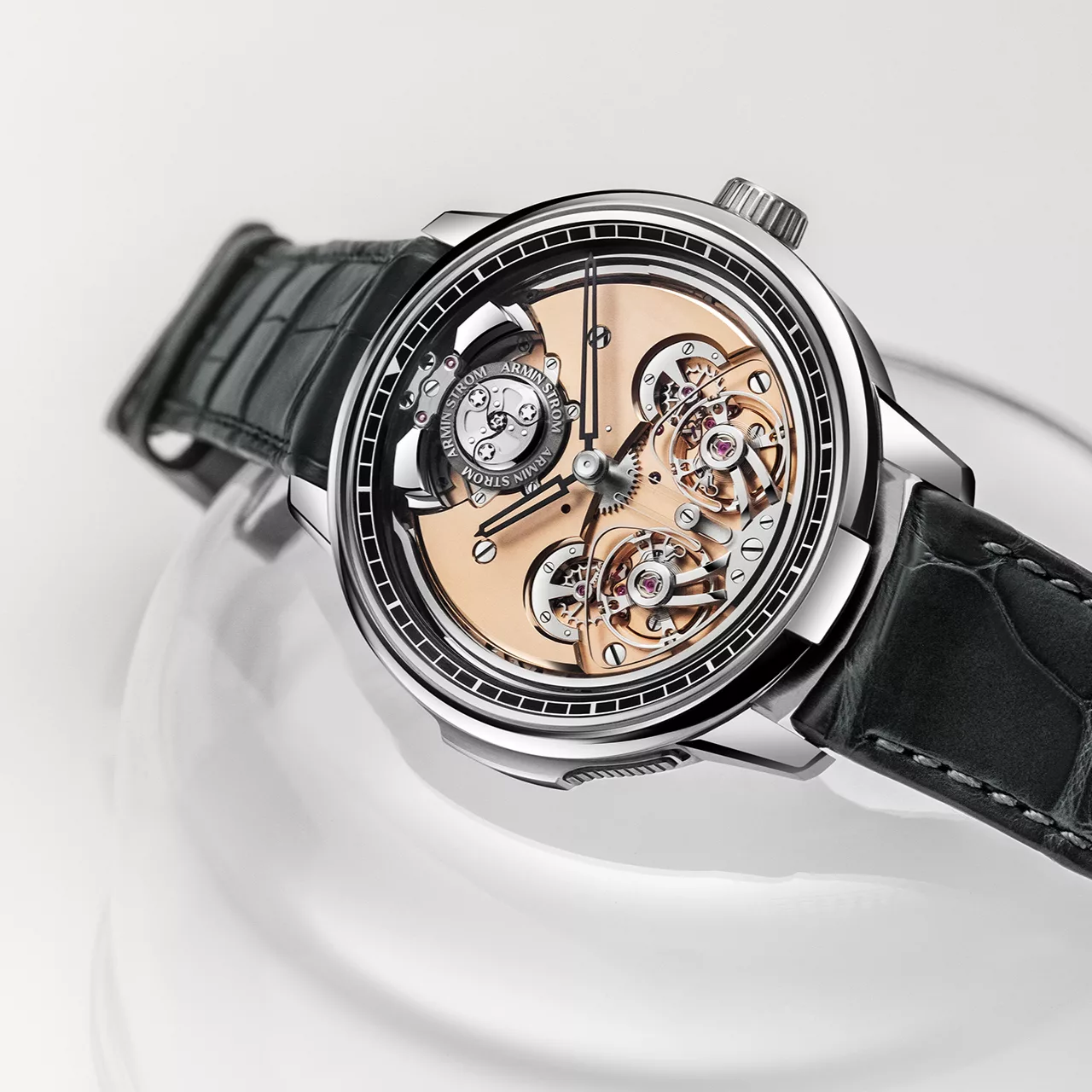
For those drawn to contemporary high horology, Armin Strom deserves particular attention. The Swiss manufacture places mechanics in view, using openworked architecture, resonance technology and deeply integrated movement construction as central parts of the design. Its watches are not simply decorative skeleton pieces: the movement itself becomes the visual language of the watch. For collectors considering serious haute horlogerie but wanting something less conventional than the most familiar Swiss names, Armin Strom offers a technically ambitious and genuinely independent alternative.
For Traditional Glashütte Watchmaking
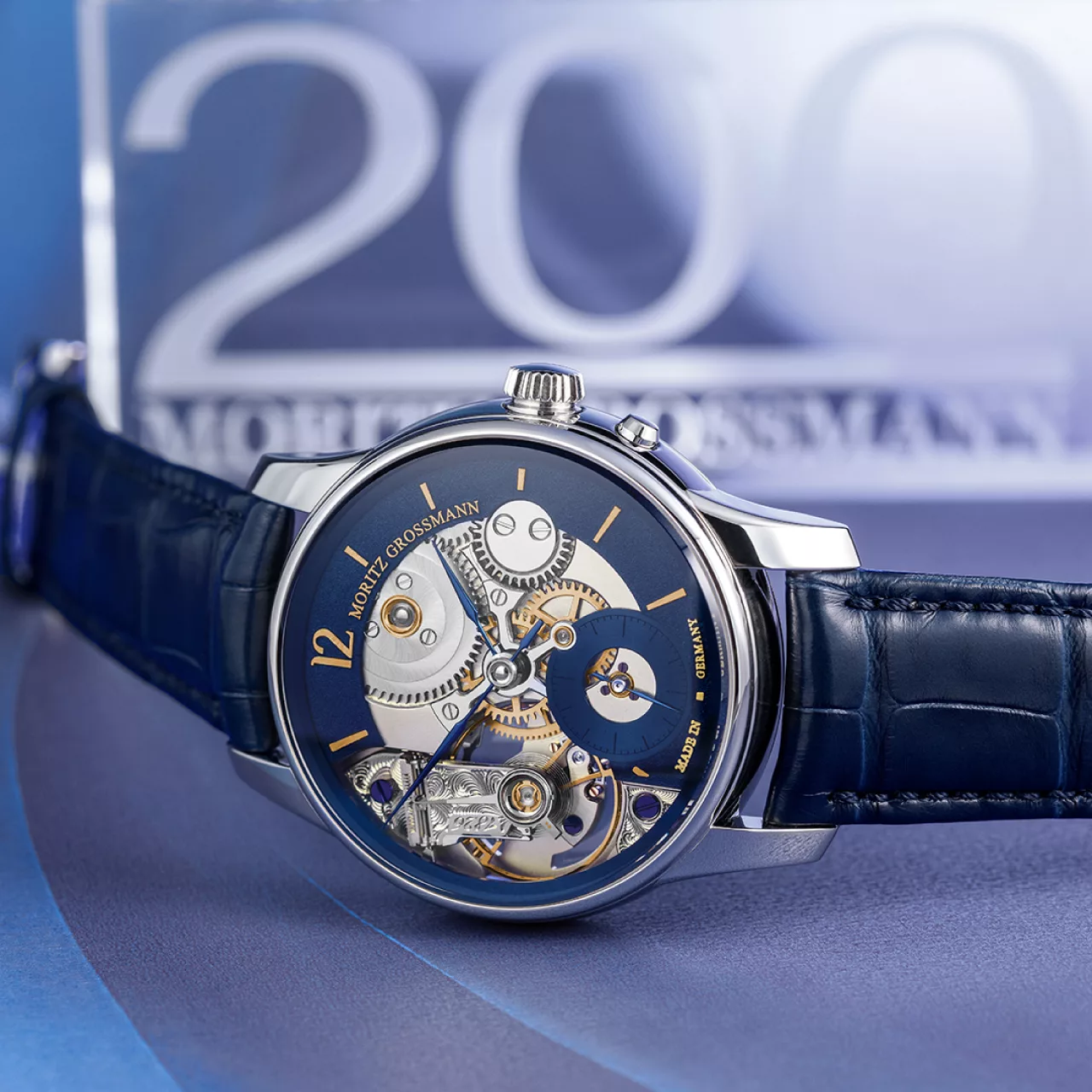
Glashütte’s more classical side is represented beautifully by Moritz Grossmann and, in a different way, Pöhlmann-Bresan. Moritz Grossmann combines traditional Saxon movement architecture, exceptional hand finishing and refined dial design with thoughtful modern engineering. Pöhlmann-Bresan is much younger, but its appeal lies precisely there: it represents a new generation of German watchmakers building an identity around an original calibre and low-volume production. Collectors who value rarity and the chance to follow a young manufacture as it develops may find that especially rewarding.
For Exceptional Movement Finishing and Precision
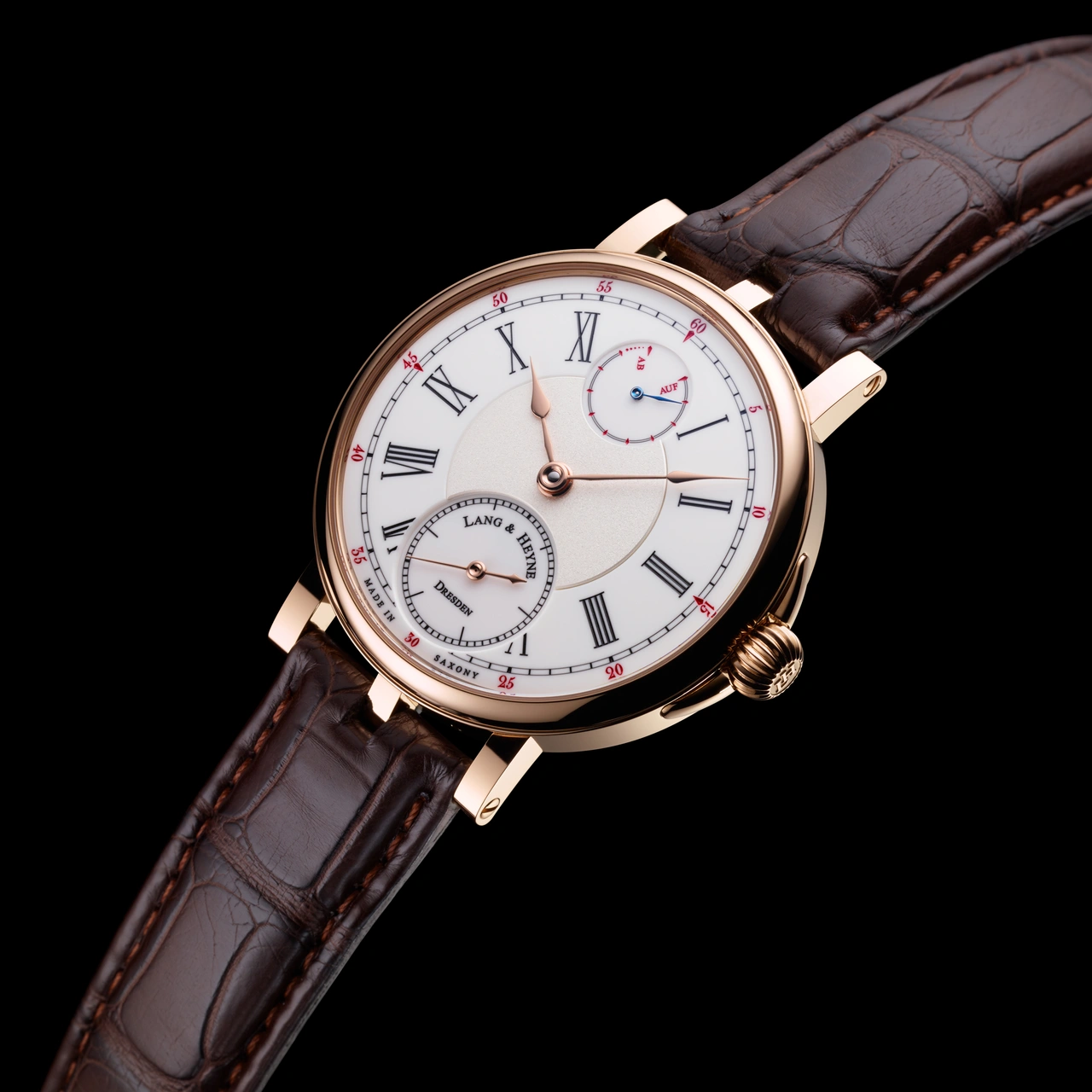
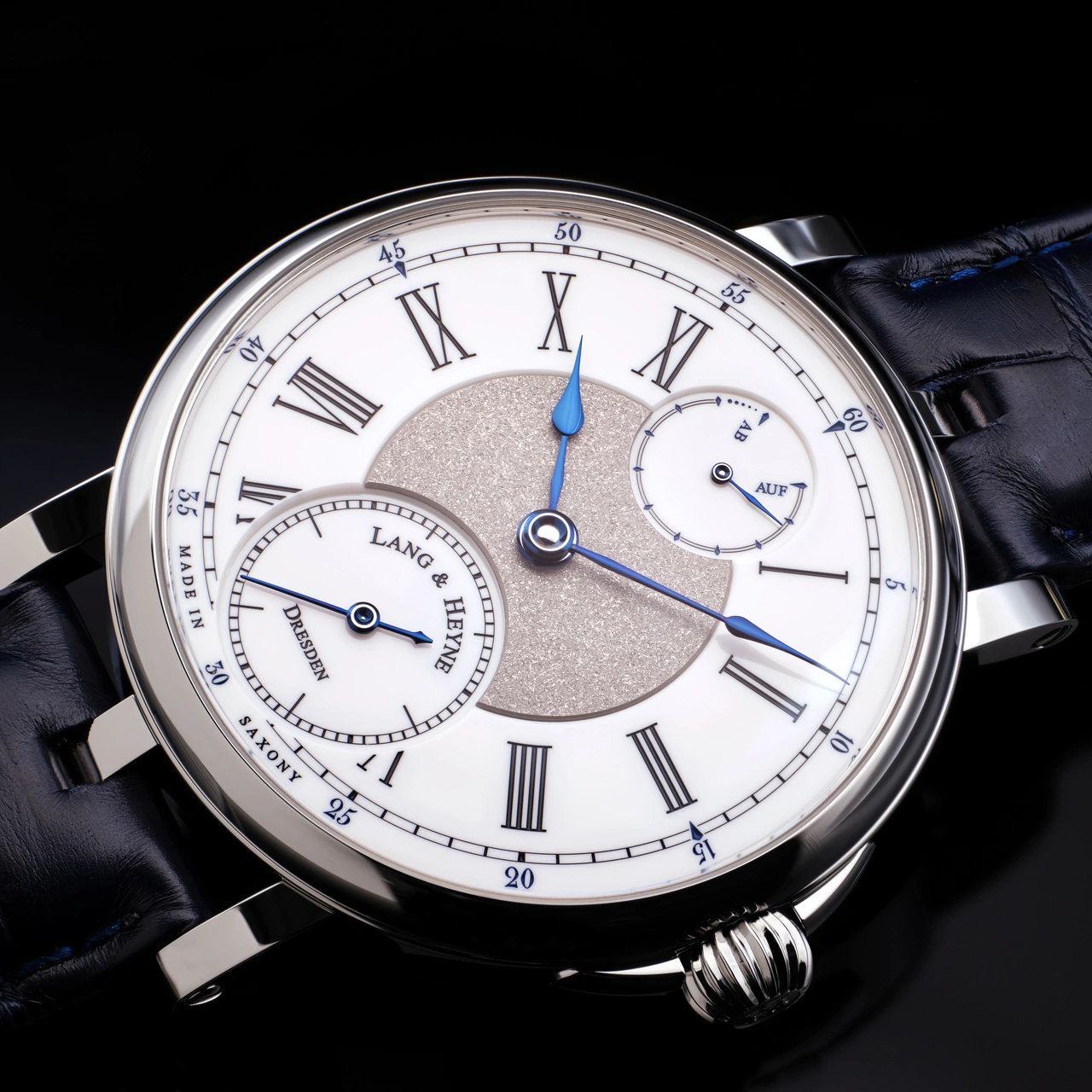
Lang & Heyne occupies another distinctive position. Based near Dresden, the manufacture produces watches in very small numbers and places extraordinary emphasis on traditional hand finishing, movement architecture and historical Saxon techniques. These are watches for someone who looks at a bridge shape, a polished steel component or a hand-finished edge and sees as much value there as in the dial. Lehmann approaches German manufacturing from another angle, bringing a background in precision engineering and component production into clean, modern watches with a strong emphasis on in-house technical capability.

For Watches with a Strong Individual Identity
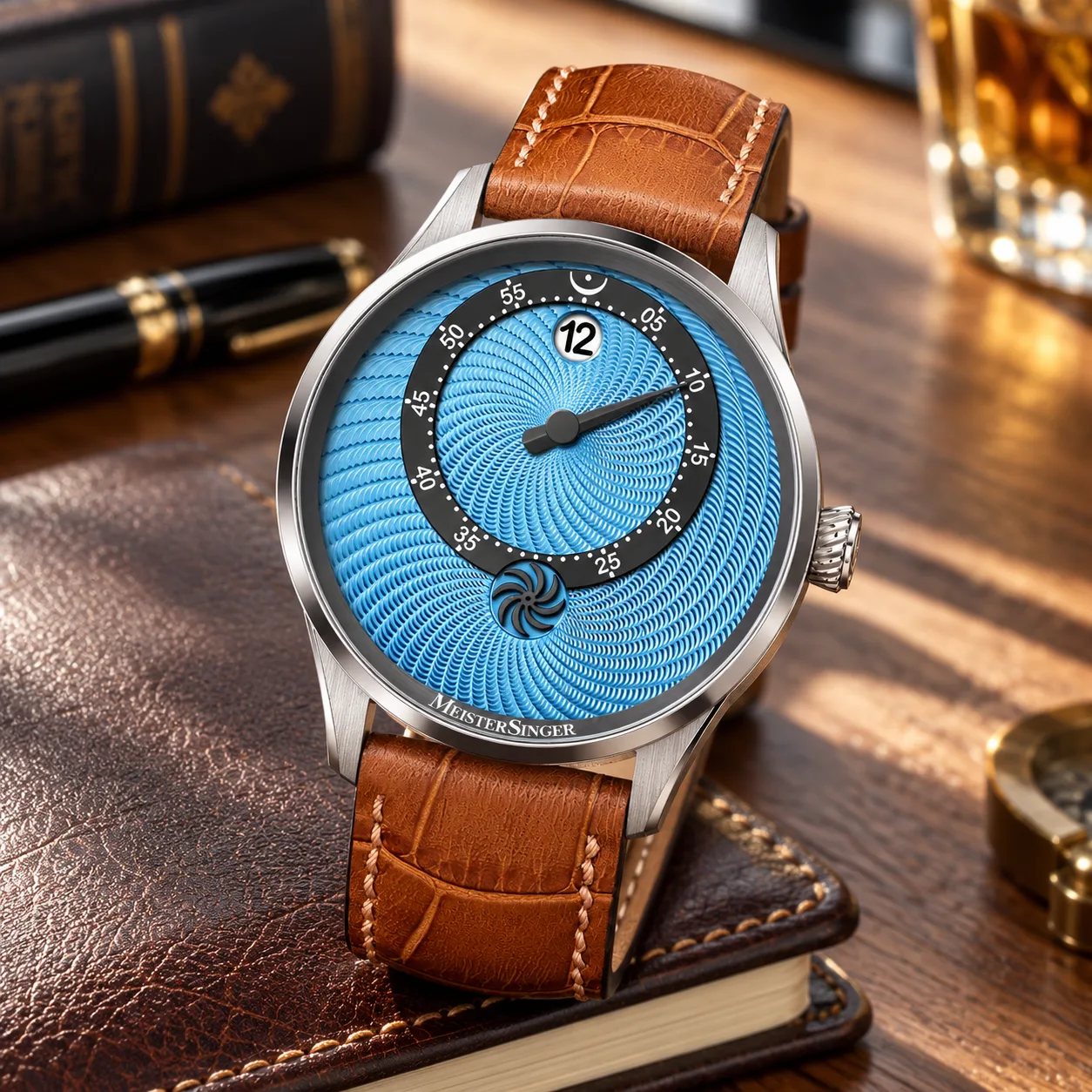
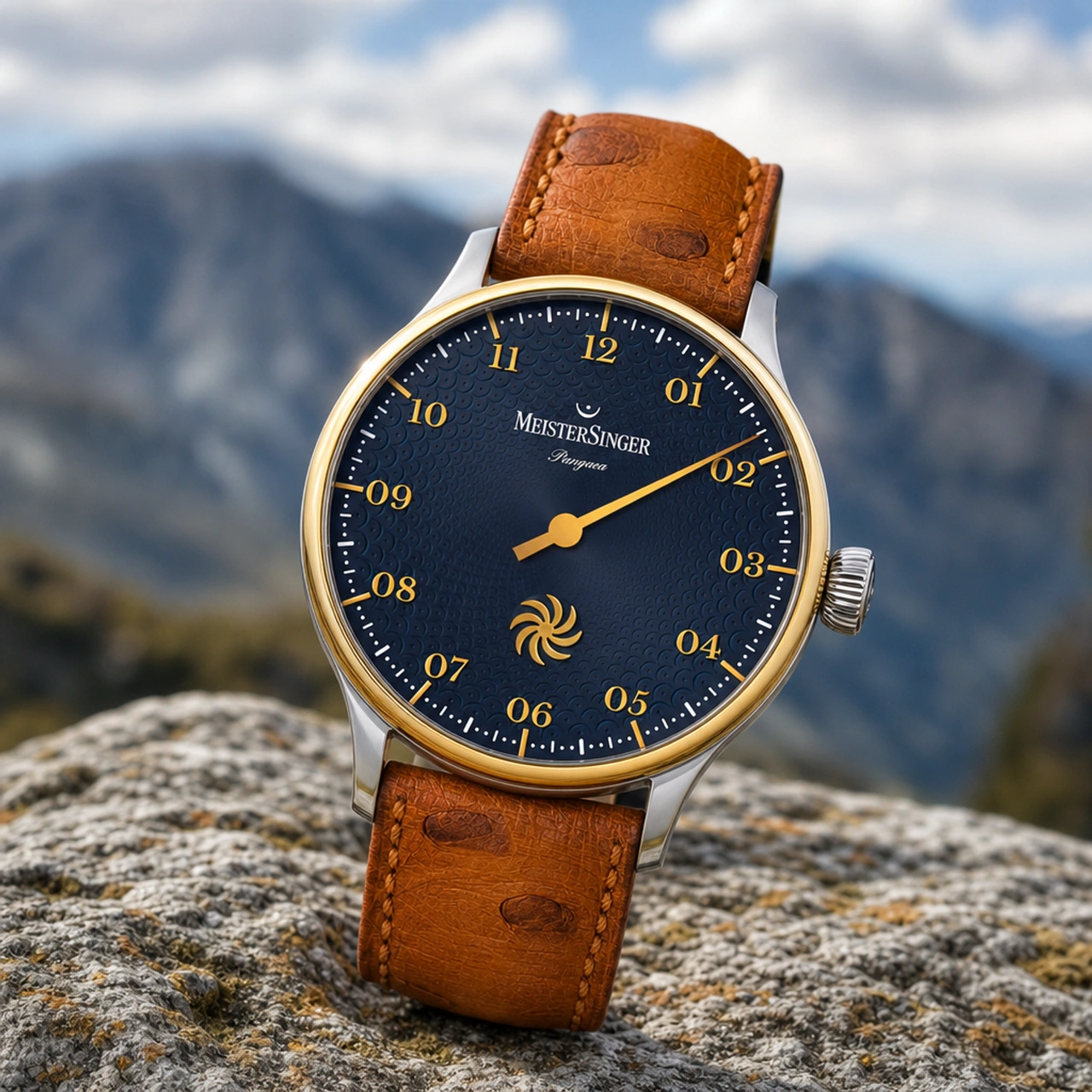
Not every great independent watch needs to be highly complicated or traditionally styled. MeisterSinger has built an entire identity around the single-hand display, changing the way the wearer reads time and giving its watches an instantly recognisable character. Alexander Shorokhoff takes almost the opposite aesthetic path, using colour, engraving, unconventional layouts and expressive design to create watches that function as wearable art. Bruno Söhnle broadens the collection further with accessible Glashütte-made watches across mechanical and quartz ranges, making German design available at price points that can suit first-time buyers as well as established collectors.
Beyond the Wrist
Erwin Sattler deserves mention because the best watchmaking is not confined to the wrist. The Munich-based maker is strongly associated with precision pendulum clocks, table clocks and sophisticated watch winders, alongside a smaller range of wristwatches. For a collector building a broader horological collection, Sattler offers a connection to traditional precision timekeeping that complements mechanical watches rather than competing with them. It also reflects an important point: a meaningful collection can include objects that deepen an appreciation of timekeeping itself, not simply more wristwatches.

How to Choose the Best Watch Brand for You
So which is the best watch brand in Australia? The answer depends on what you want the watch to do and what you want to feel when you wear it. Sinn or Damasko may make the most sense for uncompromising daily function, Hanhart for chronograph heritage, Mühle-Glashütte for versatile German engineering, MeisterSinger for a different relationship with time, Habring² or Kudoke for intimate independent watchmaking, and Moritz Grossmann, Lang & Heyne or Armin Strom for collectors pursuing the upper levels of mechanical craft. The value of the Define Watches collection is that these choices are not based on hype alone: they represent distinct approaches to watchmaking, backed by direct manufacturer relationships, authorised Australian supply and specialist knowledge, giving Australian collectors a far more useful basis for choosing a watch that genuinely suits them.