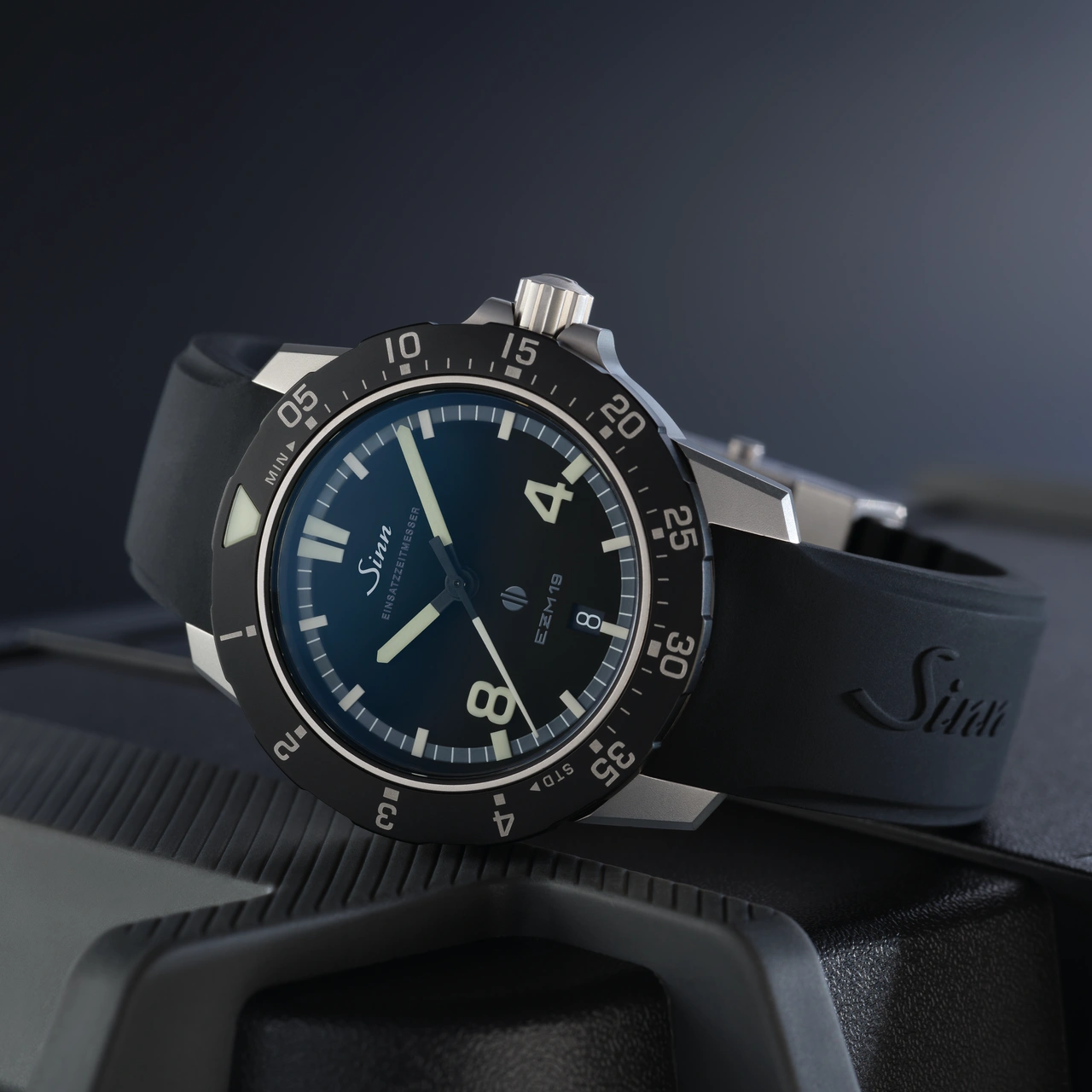
A formal watch is usually defined by context, meaning a watch chosen for a wedding, black-tie dinner, business function or other occasion where the clothing is more considered. A dress watch, by contrast, describes a particular approach to design, one built around restraint, proportion and quiet detail. It may be worn formally, but it can also sit naturally with a shirt, knitwear or even a simple weekend wardrobe. The distinction matters because it shifts attention away from etiquette alone and back towards the watchmaker’s decisions.
This is why a dress watch cannot be reduced to diameter alone. A small watch with a thick case, crowded dial or short, heavy lugs may feel less refined than a larger watch whose proportions have been carefully resolved. Thickness, bezel width, dial opening, lug length, crown size and strap taper all influence how a watch presents itself on the wrist. The aim is not necessarily to make the watch disappear, but to ensure that no single element overwhelms the whole.

Traditional dress watches were often modest in scale because they needed to slip easily beneath a cuff, yet the more important quality was visual lightness. A slim bezel can make the dial appear broad and composed, while gently curved lugs help the case settle rather than perch on the wrist. Even the relationship between the minute track and the edge of the dial matters, because too much empty space can feel vacant and too little can create tension. Good proportions are rarely dramatic, but they are often the reason a watch continues to feel right long after its specifications have been forgotten.
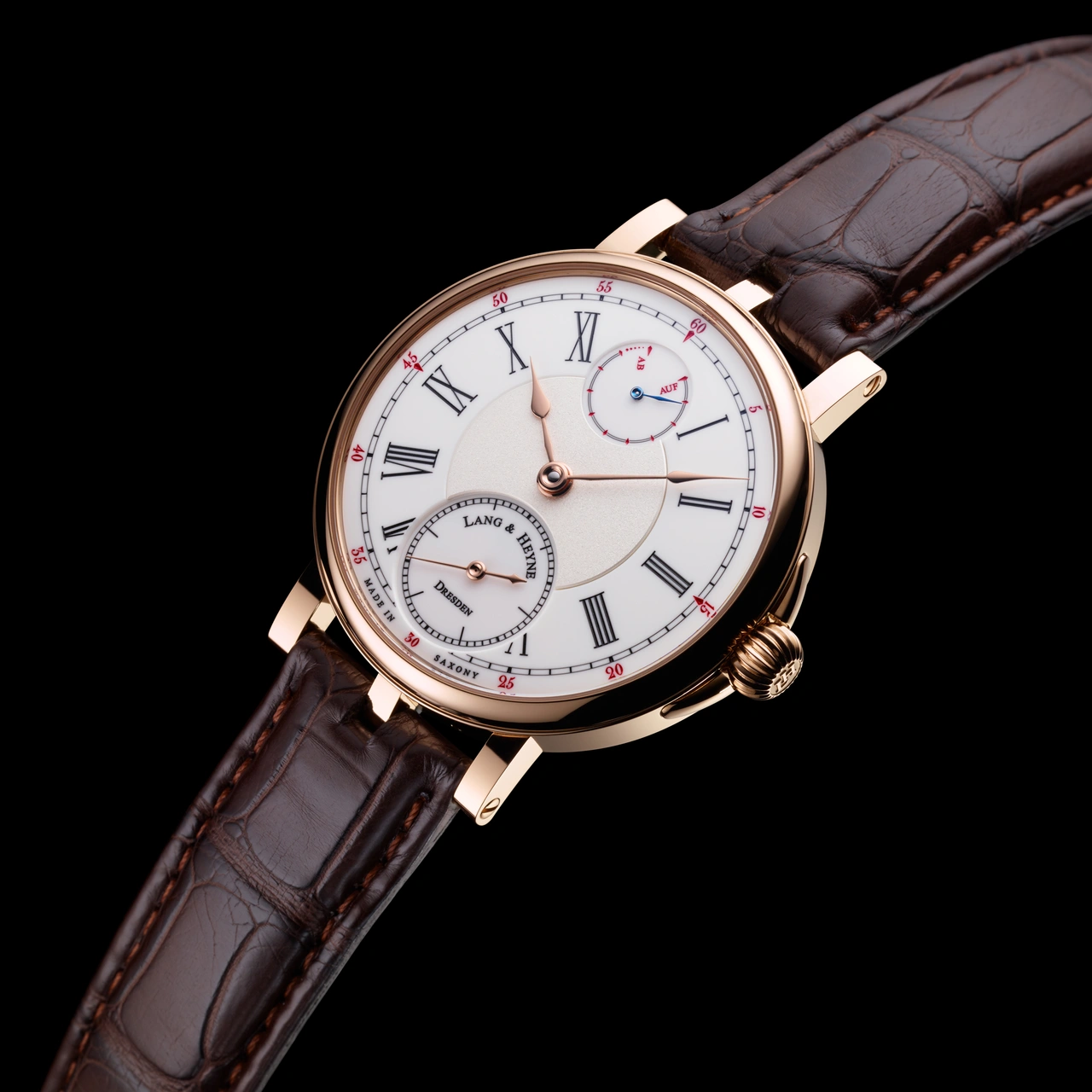
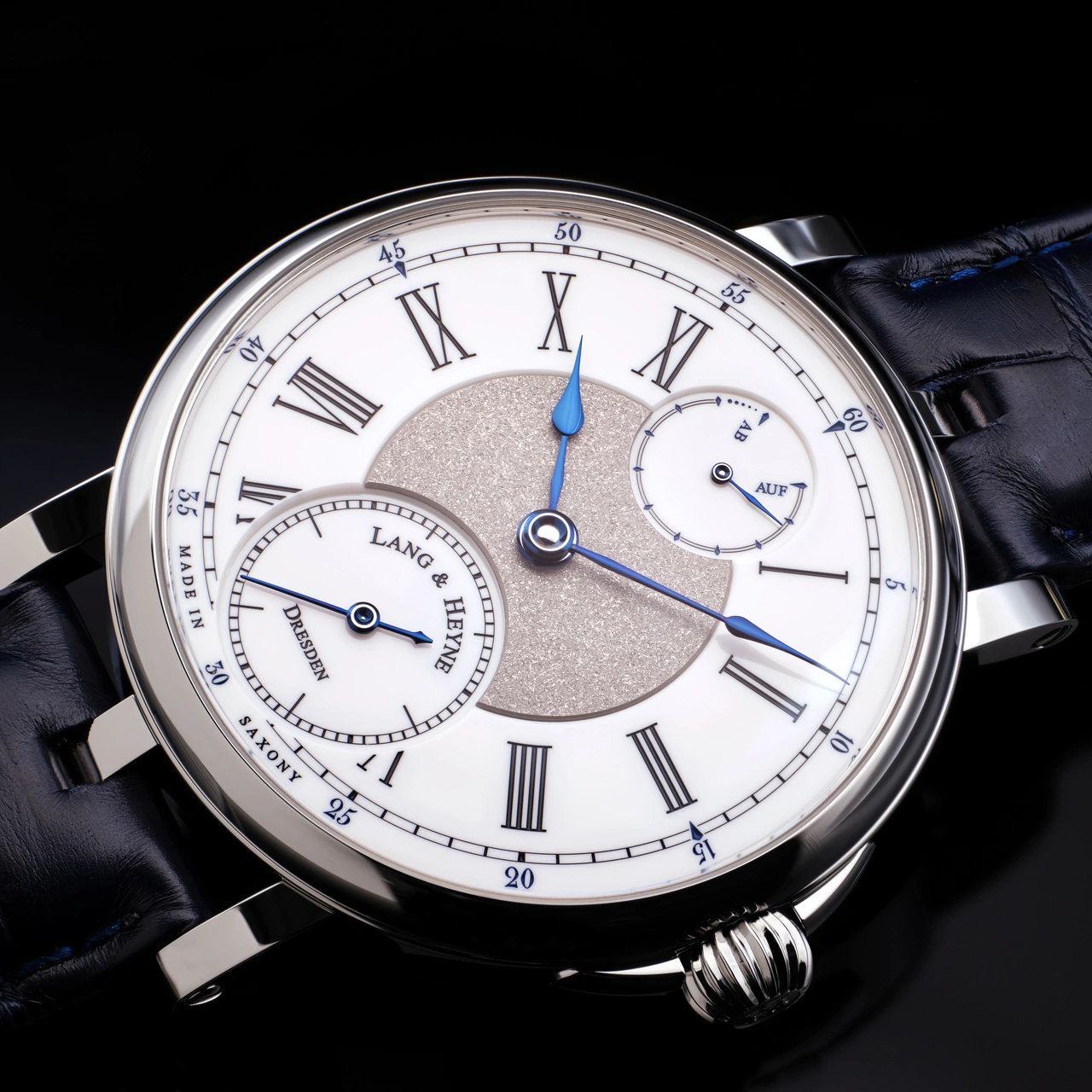
Dial simplicity is equally misunderstood. A restrained dial is not an unfinished dial, nor is it simply one from which complications have been removed. The placement of the small seconds, the weight of the numerals, the length of the hands and the spacing of the minute track must work together with unusual precision because there is nowhere for a weak decision to hide. A power reserve or date can still belong on a dress watch, provided it is integrated into the architecture rather than added as a visual interruption.

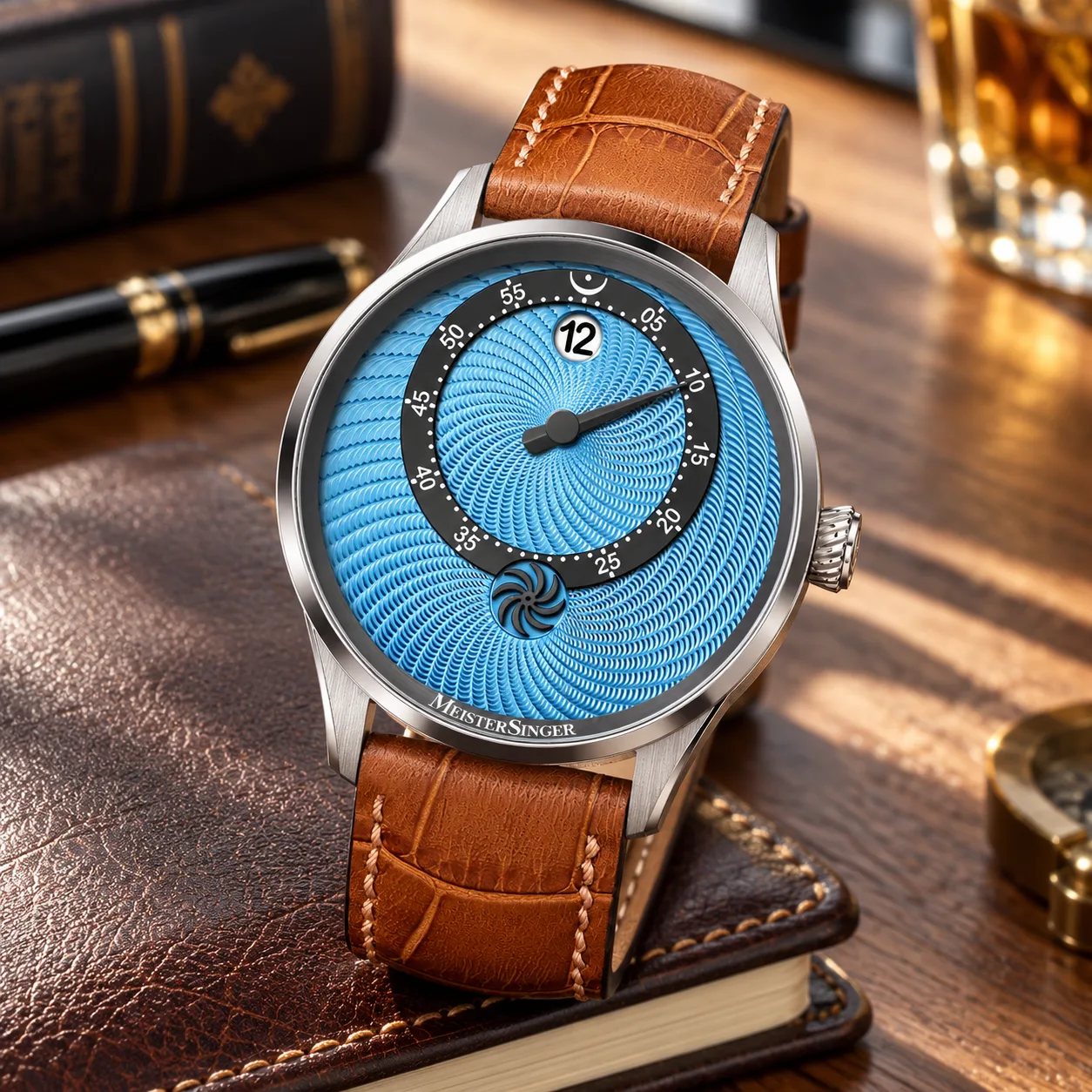
Finishing also plays a different role on a dress watch than it does on a sports watch. Instead of relying on protective bezels, deep knurling or strongly brushed surfaces, a formal case often uses polished planes, narrow bevels and controlled transitions to catch light without becoming showy. The quality is seen in the sharpness of an edge, the consistency of a curve and the way the bezel meets the middle case. These details are difficult to convey in a photograph, yet they become obvious when the watch is handled and turned slowly under natural light.
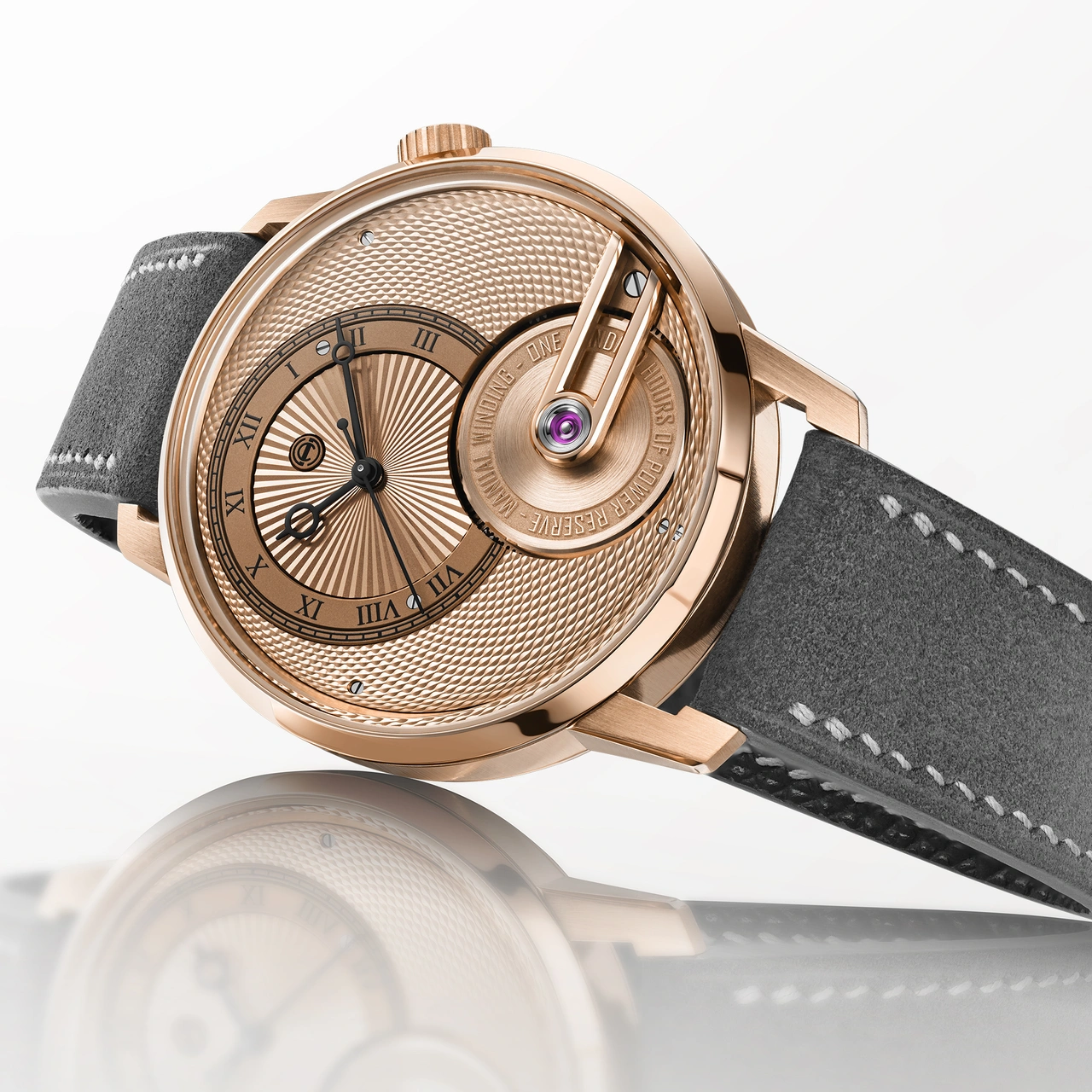
Precious metals have long been associated with formal watchmaking, but they are not a requirement for a genuine dress watch. Rose gold can add warmth, white gold can give a discreet density, and platinum brings a particular weight and subdued lustre, yet steel can be equally convincing when the design is disciplined. The metal should support the character of the watch rather than act as its main argument. A beautifully proportioned steel case is more persuasive than a poorly resolved gold one, just as an ornate dial does not become refined simply because it is expensive. Precious metal is most effective when its weight, colour and softer reflection deepen an already coherent design.

Moritz Grossmann sits close to the classical end of this spectrum. The manufacture’s 37-millimetre BENU models use compact cases, solid-silver dials and slender, manually made hands, while the TEFNUT takes the idea further with a notably thin hand-wound movement and cases in rose or white gold. Much of the refinement lies in the reduction of visual noise, but the watches are far from plain when examined closely. The brown-violet annealed hands, precise dial printing and carefully finished Glashütte movements reward attention without demanding it.
Dornblüth & Sohn approaches formal watchmaking from another direction. Its watches draw strongly on German deck-watch and marine-chronometer traditions, with broad sterling-silver dials, heat-blued hands, prominent small seconds and substantial hand-wound movements beneath three-quarter plates. Many examples are 40 or 42 millimetres across, which immediately challenges the claim that a dress watch must be small. Their formality comes instead from clarity, symmetry, traditional finishing and the calm authority of an instrument designed to be read precisely.

The contrast between Moritz Grossmann and Dornblüth is particularly instructive. Grossmann often expresses refinement through delicacy, fine hands, slim profiles and precious-metal cases, while Dornblüth expresses it through legibility, balance and the honest scale of its movement architecture. Through Define Watches’ relationships with both makers, it is possible to see that they are not competing answers to the same brief so much as two interpretations of restraint. One is closer to the salon, the other to the navigation room, yet both understand that refinement depends on coherence.
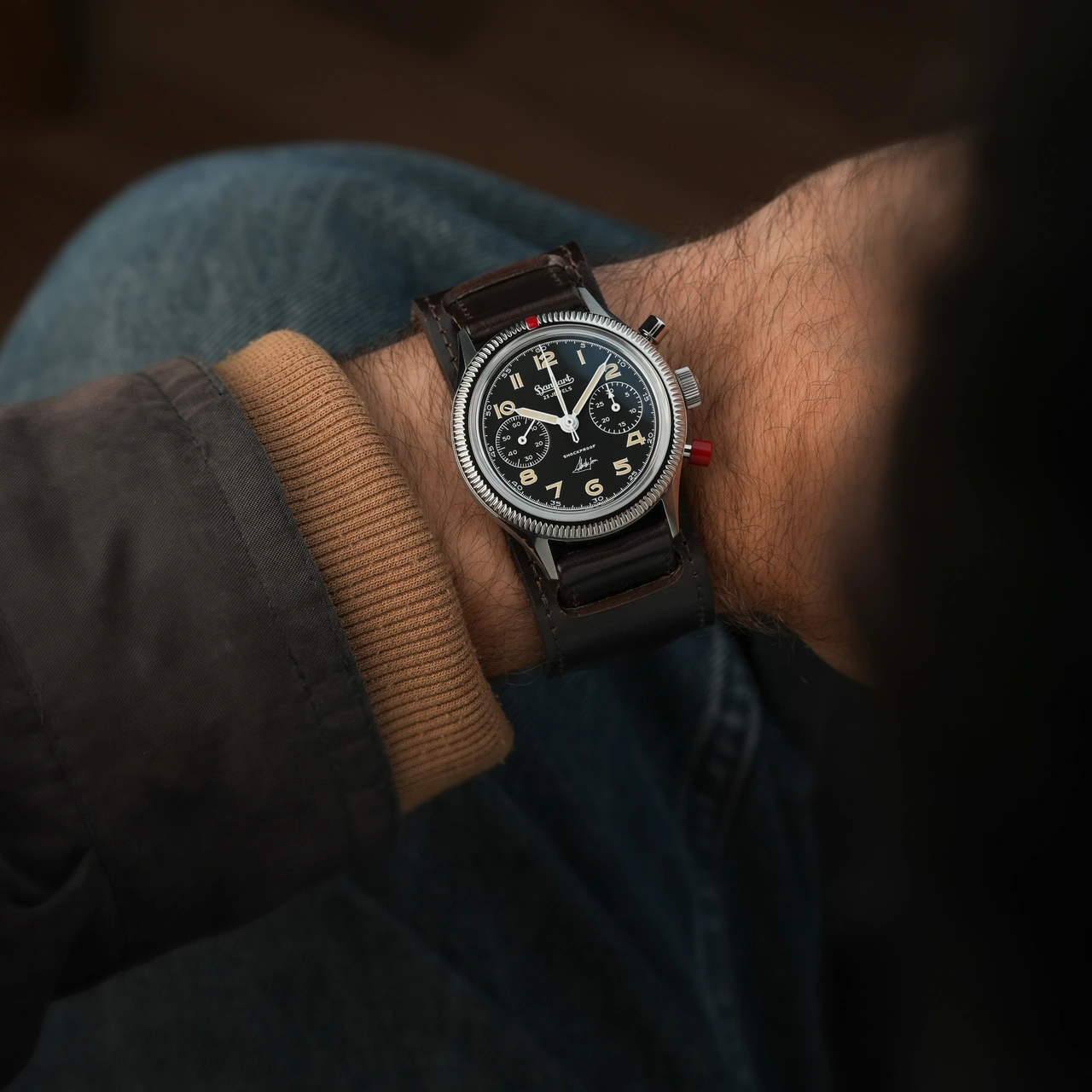
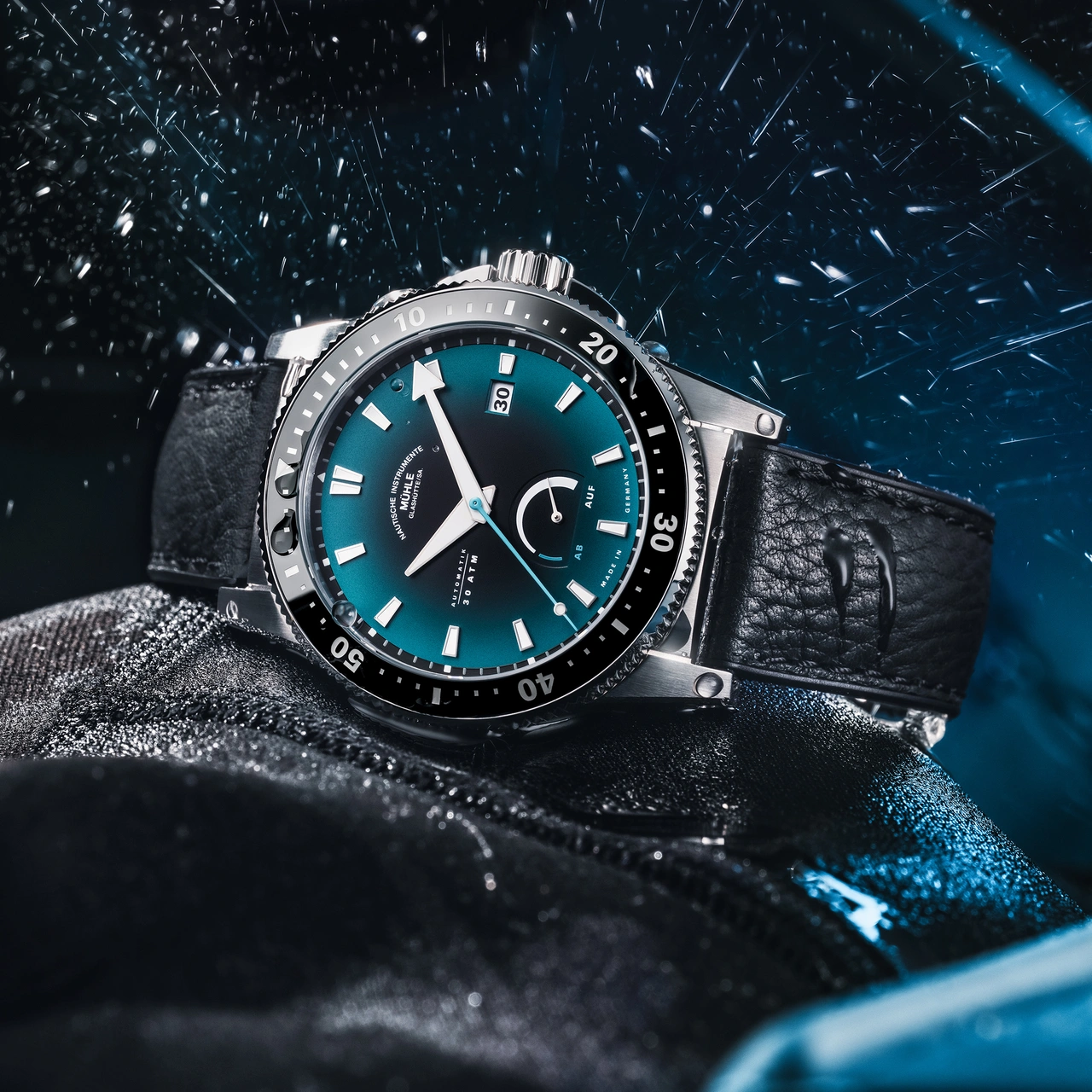
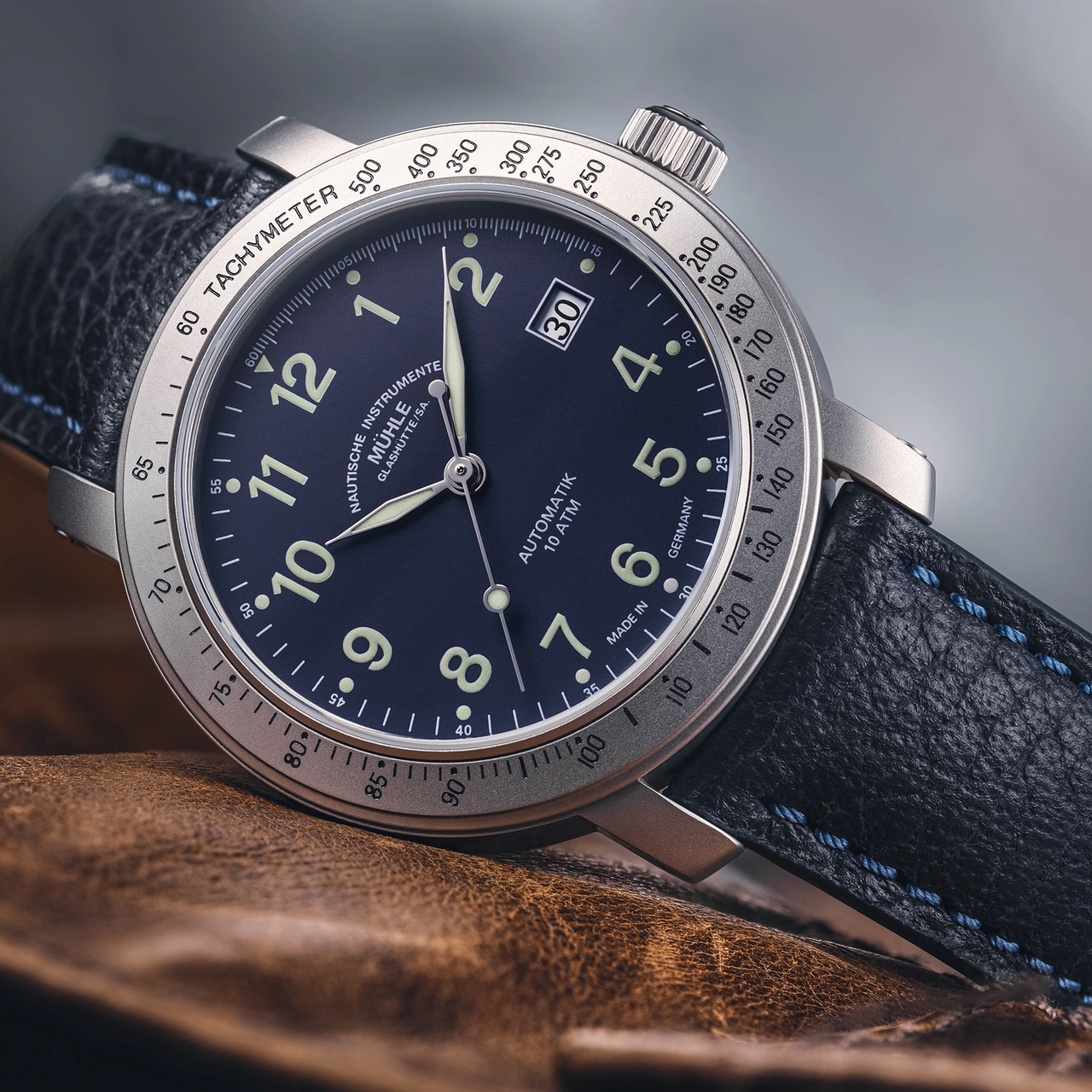
This also explains why a formal watch and a dress watch can overlap without being interchangeable. A steel sports watch may now be accepted with a suit, making it formally appropriate in a modern social sense, but that does not transform its protective bezel, luminous dial and bracelet into dress-watch design. Conversely, a true dress watch can look entirely at home with casual clothing because its restraint is architectural rather than ceremonial. The category is best understood not by asking how small or expensive the watch is, but by asking how carefully it has chosen what to leave out.
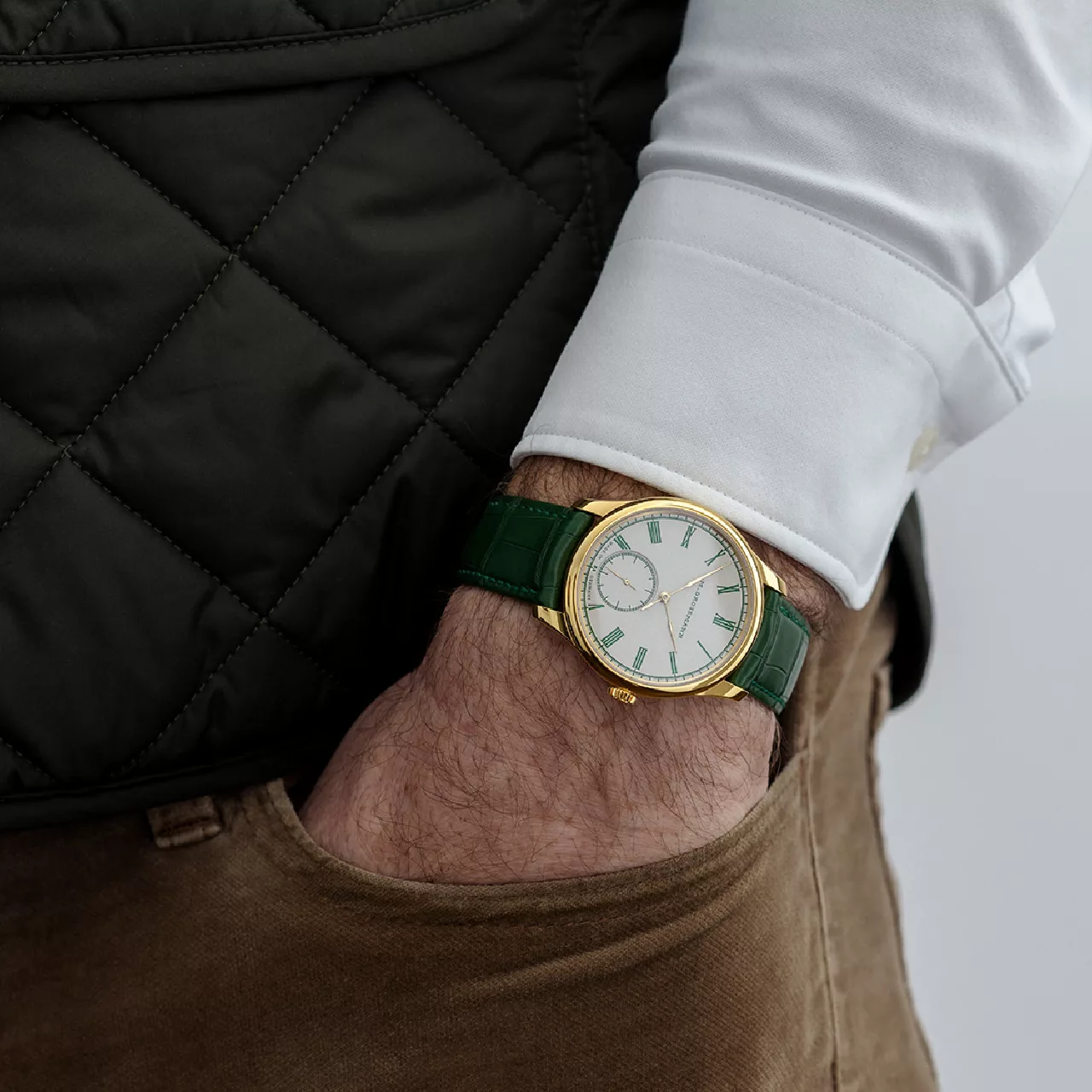
At its best, a dress watch is a study in judgement. Its success depends on millimetres, surface transitions, typography and the relationship between parts that may seem almost too simple to merit attention. Moritz Grossmann and Dornblüth demonstrate that restraint can be delicate or substantial, precious or practical, but it must always be intentional. The finest examples do not announce formality from across the room, they reveal it gradually through balance, workmanship and the quiet confidence of a design that has nothing unnecessary to prove.