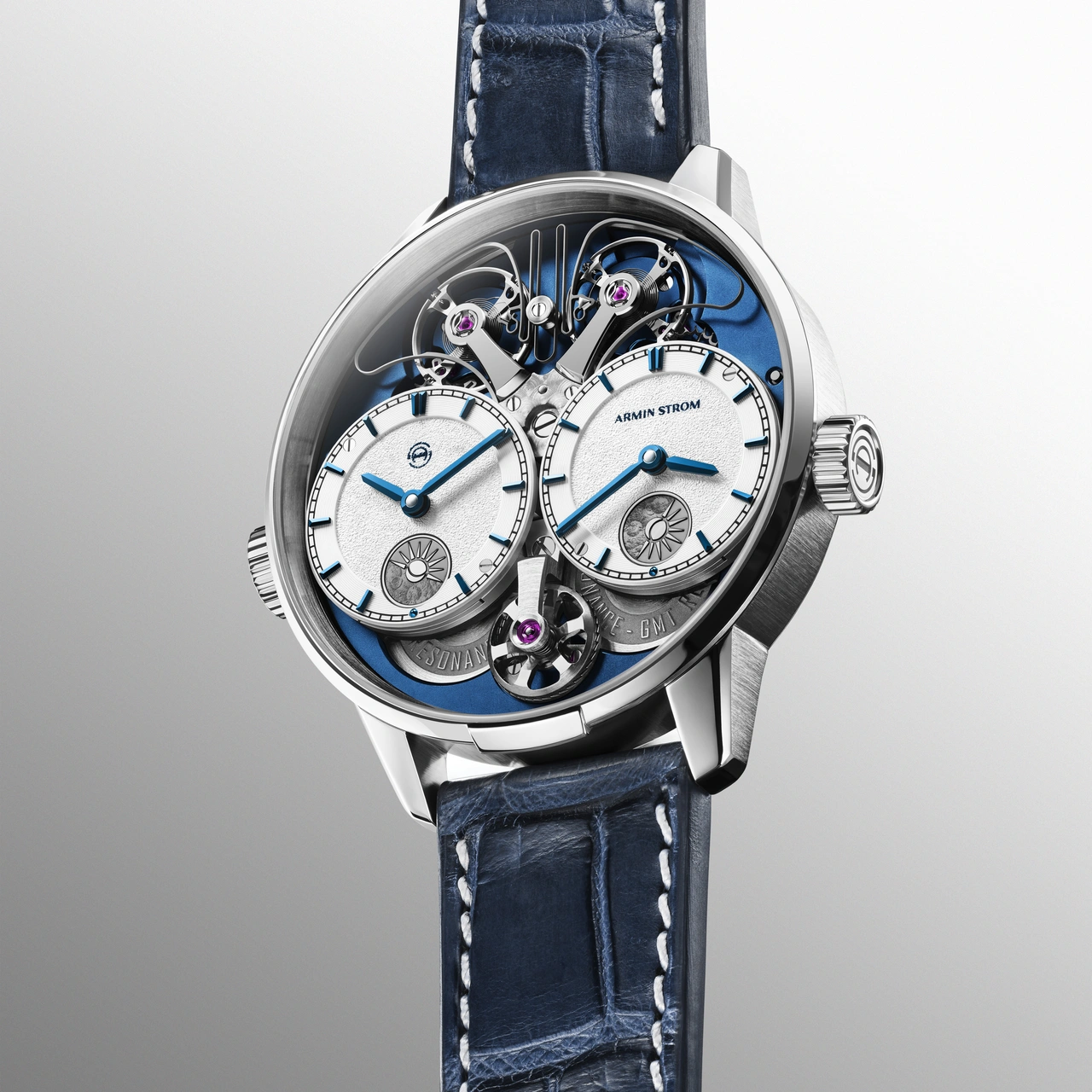
Few decorative techniques in watchmaking carry the same quiet gravitas as hand-turned guilloché. The process looks deceptively simple at first, a small cutting tool tracing repeated lines into a metal surface. Yet those who have watched a master at work, such as Jochen Benzinger, understand that this is one of horology’s most exacting crafts. Each stroke commits the artisan to absolute precision. A single error means starting again, because guilloché cannot be polished away or corrected. It is a dialogue between the craftsman’s hands, the lathe, and the metal itself.
The origins of guilloché reach back to the late eighteenth century, when engine turning was used to decorate snuff boxes and other fine objects. Watchmakers soon saw the potential of this technique for dials, bridges, and cases. Beyond beauty, the patterns improved legibility by breaking light into clean, matte reflections. A well-cut pattern still creates this effect today, giving depth without distraction. While modern CNC machines can imitate aspects of the geometry, hand-turned guilloché remains unmatched in its sharpness, rhythm, and energy.
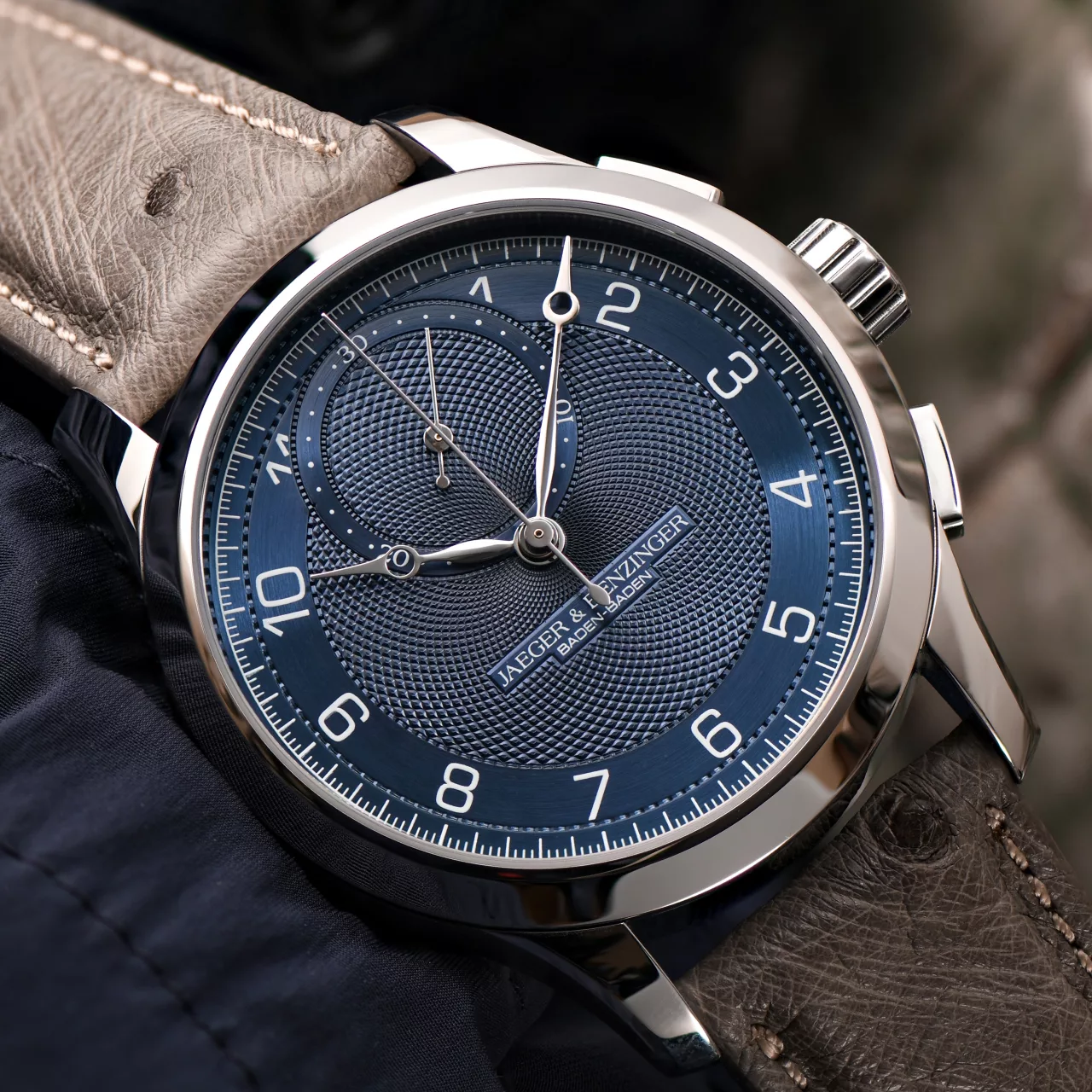
Jochen Benzinger is among the few artisans who maintain this tradition with the same spirit as the early masters. Working from his workshop in southwestern Germany, he has restored and maintained antique lathes, some more than a century old. These machines offer no automation, no shortcuts, and no tolerance for hesitation. Each pattern, whether barleycorn, basketweave, ray, or wave, demands confident, steady movement. Benzinger has spent decades refining that sensitivity, giving his dials a signature clarity that collectors recognise instantly.
The process begins long before cutting starts. A solid metal blank must be perfectly flat, perfectly secured, and perfectly aligned on the lathe. Even the slightest unevenness will telegraph through the pattern, causing wavering lines or uneven spacing. On a rose engine lathe, cams and rosettes guide the motion, but the craftsman still regulates pressure, speed, and depth with the fingertips. The result is a pattern that feels alive. The lines have a crisp edge that catches light differently depending on the viewer’s angle, giving the surface a sense of movement.

When Benzinger creates a dial for a collaboration such as the GAP 1 series, the patterns serve both aesthetic and structural purposes. Guilloché adds rigidity to thin metal surfaces by introducing micro-ridges, similar to how corrugation strengthens sheet metal. This dual function hints at the reason many independent watchmakers continue to work with him. His craft respects the mechanical integrity of the watch as much as its beauty. The dial becomes more than decoration, it becomes part of the watch’s character and architecture.
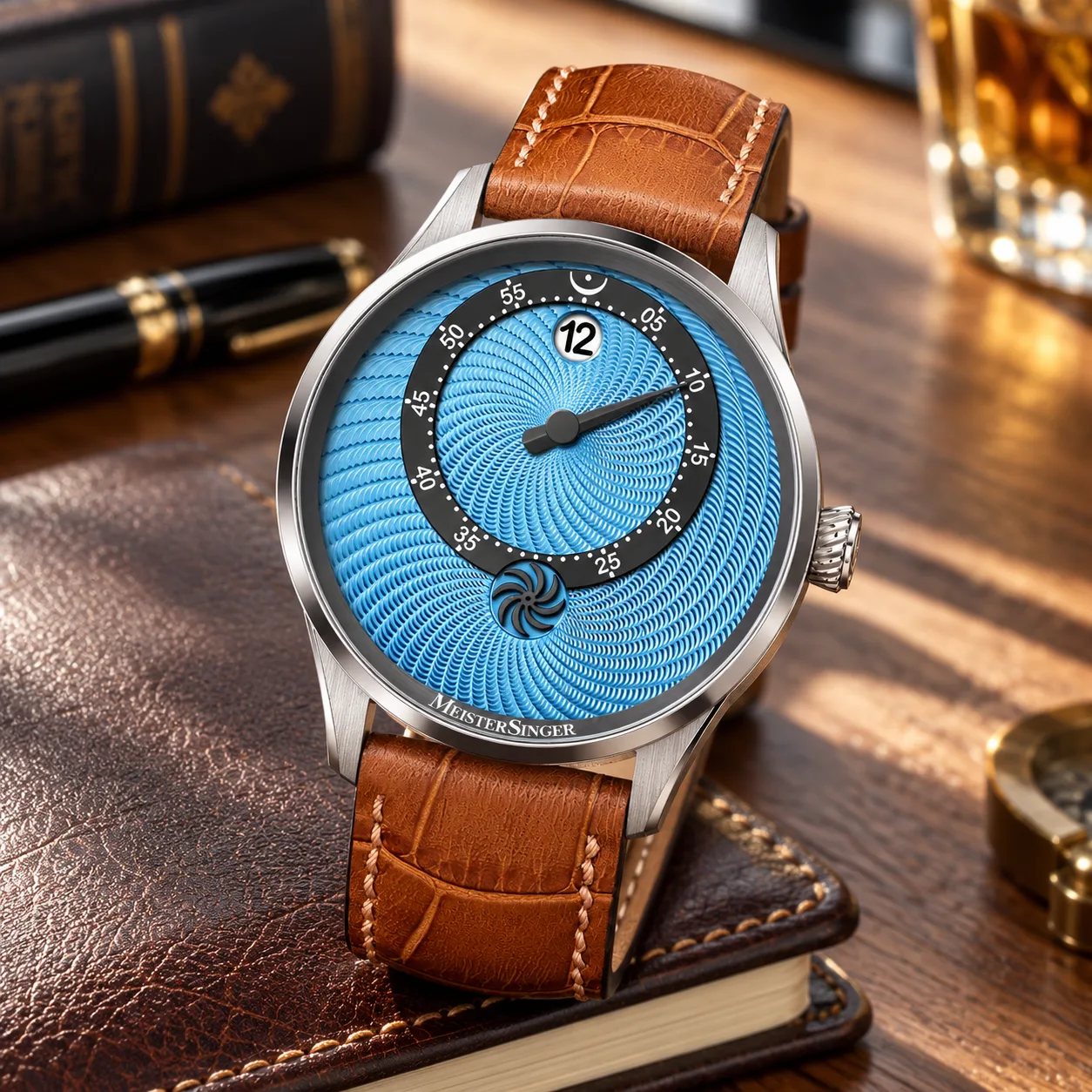
Colour and finish also play a critical role. After cutting, the dial may be plated, rhodium-treated, or galvanised, depending on the intended tone. In the Ice Blue edition, for example, Benzinger’s guilloché sits beneath a soft hue that does not mute the lines but amplifies them. Light pools in the recesses then lifts across the peaks, giving the dial a glow that feels subtle rather than showy. This interplay between pattern and light is where guilloché earns its reputation as “living metal”. Every glance reveals a new facet.
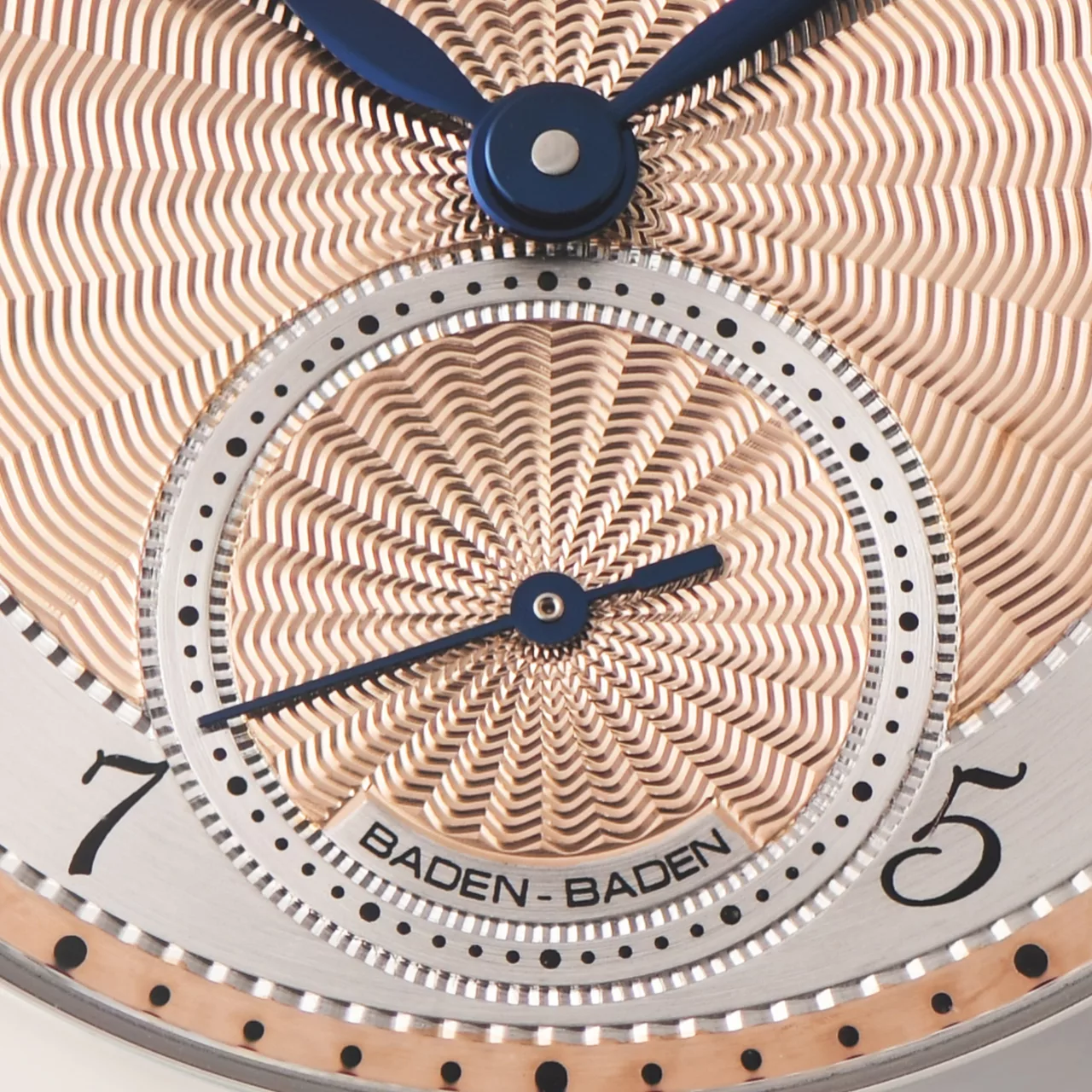
Another important aspect is the deliberate imperfection inherent in hand turning. While each line is mathematically precise, there is always a faint organic quality that distinguishes true guilloché from machine simulation. That human trace is part of the appeal. Collectors value the knowledge that their dial is quite literally one of one, because no hand-cut piece can be replicated exactly. In an era of mass production, this authenticity resonates deeply with those drawn to independent watchmaking.
Independent brands often work closely with artisans like Benzinger because they share a similar philosophy. They favour small-scale production, personal oversight, and a tangible connection to heritage techniques. Guilloché supports this ethos naturally. It is slow, unforgiving, and profoundly rooted in skill passed from one generation to the next. Many of the lathes still in use today are the same ones that shaped pieces more than a hundred years ago, making each cut a continuation of history rather than a reproduction of it.

For collectors, guilloché adds another layer of engagement. It invites closer inspection, encouraging the viewer to shift the watch under light, to notice how the dial seems to breathe. This is more than aesthetics, it is an invitation to appreciate the time and intention behind the craft. The complexity of the pattern reflects the complexity of the movement beneath, creating harmony between form and function that feels purposeful rather than decorative.
As long-time supporters of independent watchmaking, we have seen first-hand the impact artisans like Benzinger have on the industry. His dials do not simply adorn a watch, they define it. When a collector handles a Benzinger-turned piece, there is usually a moment of quiet recognition, an understanding that this surface was shaped with care, knowledge, and a kind of patience that is becoming increasingly rare. That is the true value of guilloché, it connects the wearer to the craft in a way few other elements can.

Guilloché endures because it rewards careful observation. It is not loud or attention-seeking, it rewards those who appreciate depth, precision, and the human touch behind fine watchmaking. Whether viewed under bright sunlight or a soft lamp at the end of the day, a well-cut dial continues to reveal new details. In this sense, guilloché is both art and science, a partnership between hand, machine, and metal that brings a watch to life.