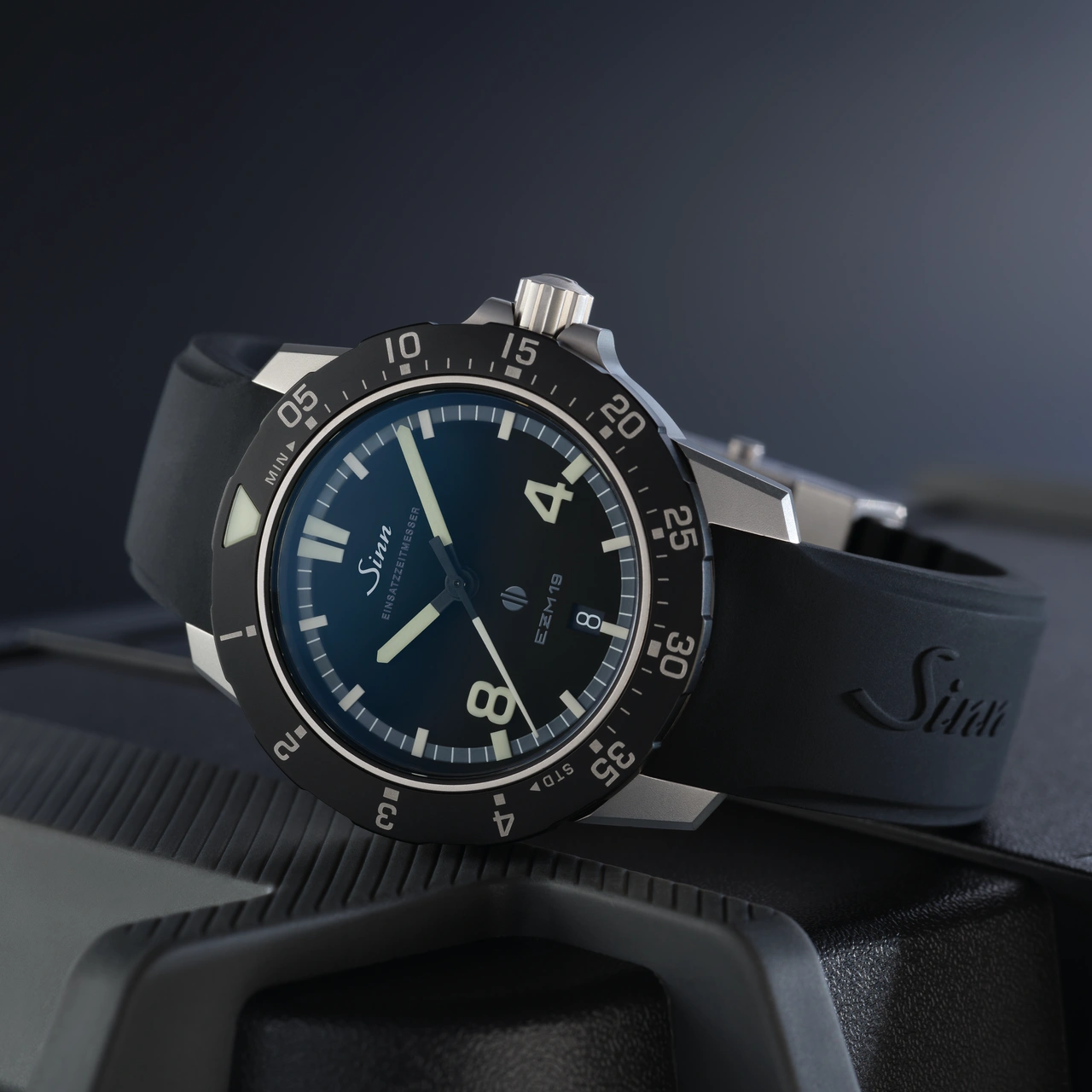
For many collectors, a watch winder eventually becomes much more than a useful accessory. It takes on the quiet importance of a well-made cabinet, a writing desk, or a favourite armchair, something that earns its place through daily use and lasting presence. That is partly because it performs a simple but genuinely helpful task, keeping an automatic mechanical watch wound and ready to wear. It is also because it sits so naturally alongside the rituals of collecting, where care, organisation, and appreciation of fine mechanics all matter.

To understand why a watch winder feels so relevant, it helps to begin with the automatic watch itself. Unlike a manual-wind movement, which relies on the wearer turning the crown to tighten the mainspring, an automatic movement is designed to wind itself through motion. Inside the watch is a weighted rotor that moves as the wrist moves, transferring energy into the mainspring and maintaining the power reserve through ordinary wear. When the watch is taken off for long enough, that reserve gradually runs down, and the movement stops until it is worn again or manually wound.
The appeal of that system is easy to understand. An automatic watch feels alive in a way that is closely tied to its owner, responding to movement and daily routine rather than asking for a separate winding ritual each morning. That sense of convenience is one of the reasons automatic watches became so important in the twentieth century, but the idea behind them is much older. Long before the automatic wristwatch became commonplace, watchmakers were already working on ways to harness motion as a source of energy for mechanical timekeeping.

The earliest roots of self-winding horology are usually traced to the eighteenth century. Abraham-Louis Perrelet is often credited with creating one of the first self-winding mechanisms in the 1770s, using the movement of the wearer to wind a watch without the need for constant manual input. Abraham-Louis Breguet later refined the concept, producing self-winding pocket watches known as Perpétuelles, which improved both reliability and practicality. These early efforts were remarkable for their time, although they remained relatively specialised and did not yet have the broad usefulness that the wristwatch would eventually give to the idea.
The real turning point came in the early twentieth century, once wristwatches were becoming part of everyday life. In 1923, the English watchmaker John Harwood patented an automatic wristwatch system that used a pivoting weight to wind the movement as the wearer moved. Harwood’s design was important not only because it worked, but because it gave the self-winding watch a clear practical role in modern life. A few years later, Rolex advanced the concept further with its Perpetual rotor system, introduced in 1931, using a freely rotating central rotor that became the foundation for most automatic movements that followed.

That history matters because the watch winder is, in many ways, a natural extension of the automatic watch’s original purpose. If the movement was created to reduce interruption and keep the watch running through ordinary activity, then the winder simply continues that logic when the watch is off the wrist. Early watch winders were not designed as luxury objects in the modern sense. They were practical devices used by retailers and watchmakers to keep automatic watches running for display, demonstration, and testing, particularly when self-winding wristwatches were still unfamiliar to many customers.
Over time, the watch winder moved from the workshop and showroom into the home of the collector. That shift happened because collections grew, complications became more common, and owners wanted a more seamless way to rotate between watches. Resetting the time on a simple three-hand automatic is hardly a burden, but once a watch includes a pointer date, moon phase, dual time indication, annual calendar, or perpetual calendar, the process becomes more involved. A good winder helps keep that process to a minimum, allowing a watch to remain ready for use without constant adjustment.

There is also a deeper pleasure in what a watch winder represents. Collectors are rarely interested in watches only as instruments for telling the time. They are interested in the mechanics, the finishing, the traditions behind them, and the feeling that these small machines are doing exactly what they were built to do. A watch winder supports that relationship by keeping the movement in motion, preserving not just convenience but continuity. When a collector reaches for a watch and finds it running, set, and ready, the connection feels immediate rather than interrupted.
Of course, not all winders are equal, and not every automatic watch needs one all the time. A proper watch winder should rotate in measured cycles, often with settings for direction and turns per day, rather than spinning endlessly. Different movements have different winding needs, and a thoughtful winder respects that by simulating the natural patterns of wear rather than forcing constant motion. That balance is part of what separates a serious watch winder from a novelty item, and why better examples tend to feel more like finely made home objects than electronic accessories.

This is where the idea of the watch winder as a favourite piece of furniture begins to feel entirely reasonable. The best winders are designed to live in the same visual and tactile space as the watches they hold, made with timber, leather, glass, and careful detailing. They do not simply store a watch, they frame it, protect it, and make it part of the room. For collectors who value mechanical watchmaking for its quiet discipline and enduring craft, that presence matters almost as much as the winding function itself.

At Define Watches, this has always been part of the appeal of a well-considered collection. A mechanical watch is not only about ownership, it is about how the object fits into daily life, how it is worn, cared for, and returned to over time. A watch winder supports that rhythm in a very natural way, especially for those who rotate between several automatic watches and appreciate the convenience of having them ready to hand. It is a practical device, certainly, but it also speaks to the respect collectors have for fine mechanics and the habits built around them.
That is why a watch winder so often earns a place beyond mere utility. It reflects the long history of the automatic watch, from the earliest experiments in self-winding horology to the refined movements collectors enjoy today. It keeps a watch prepared for the next wear, but it also keeps alive the sense that these movements are made to move, not sit dormant. For many watch lovers, that is exactly why a watch winder becomes less an accessory and more a cherished part of the collection itself.