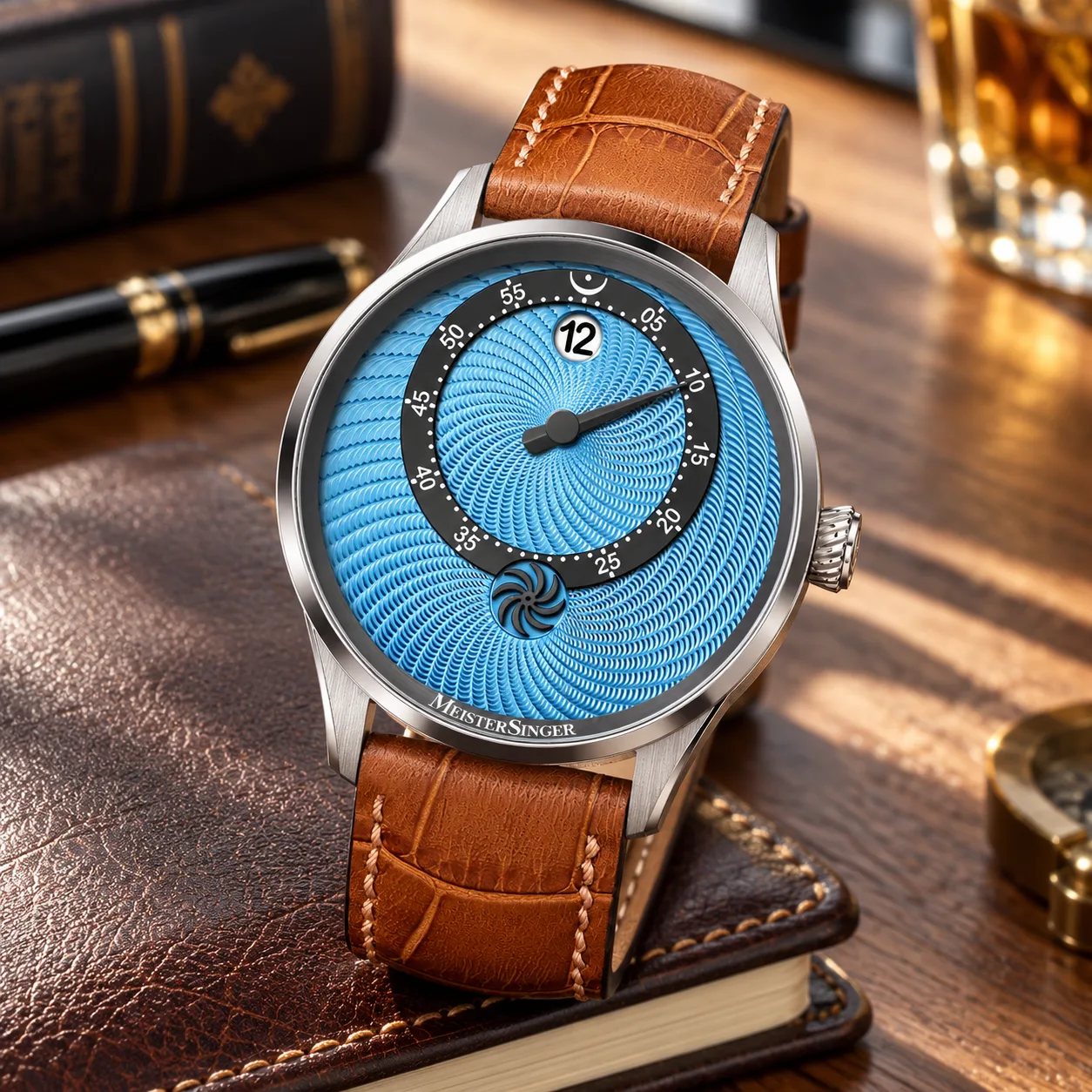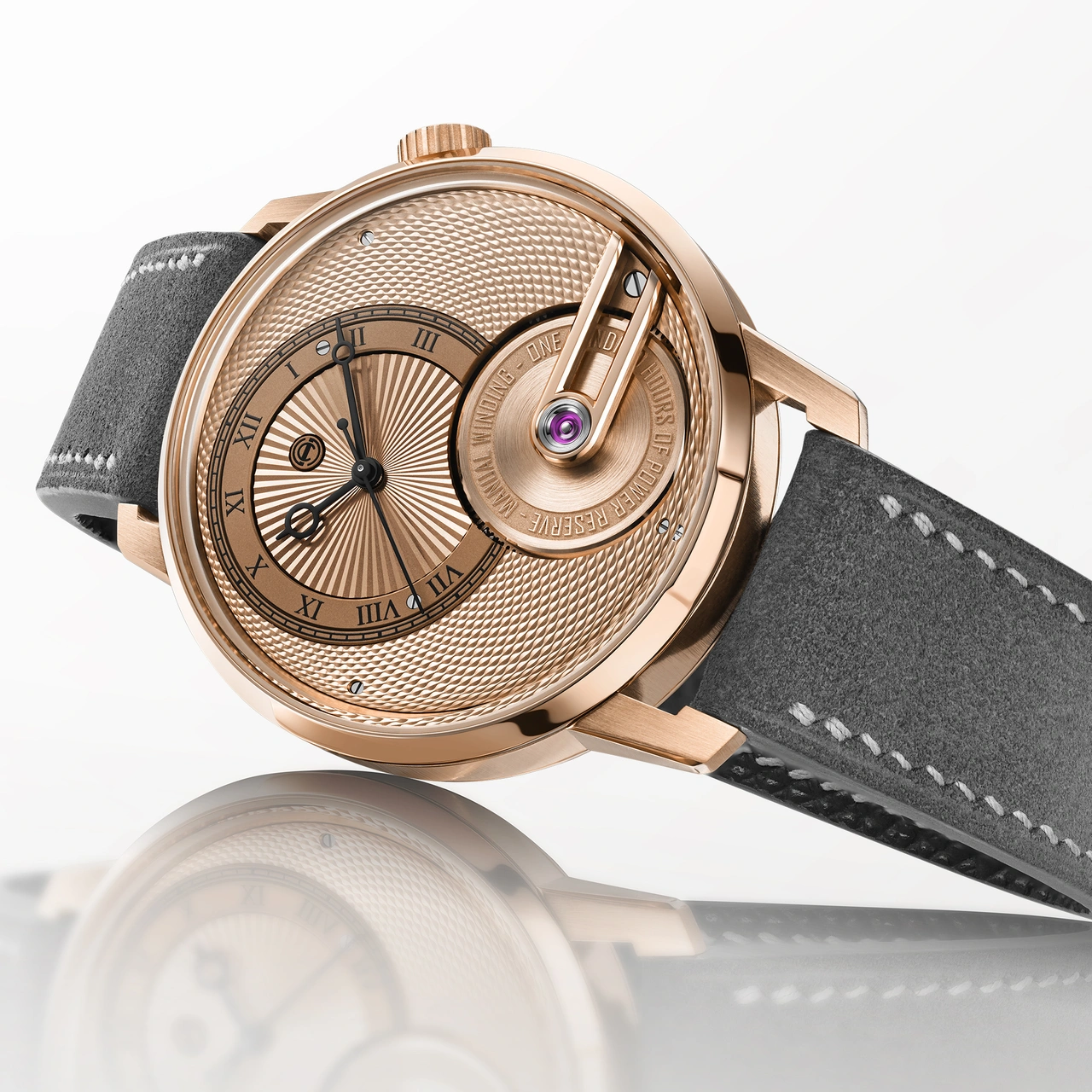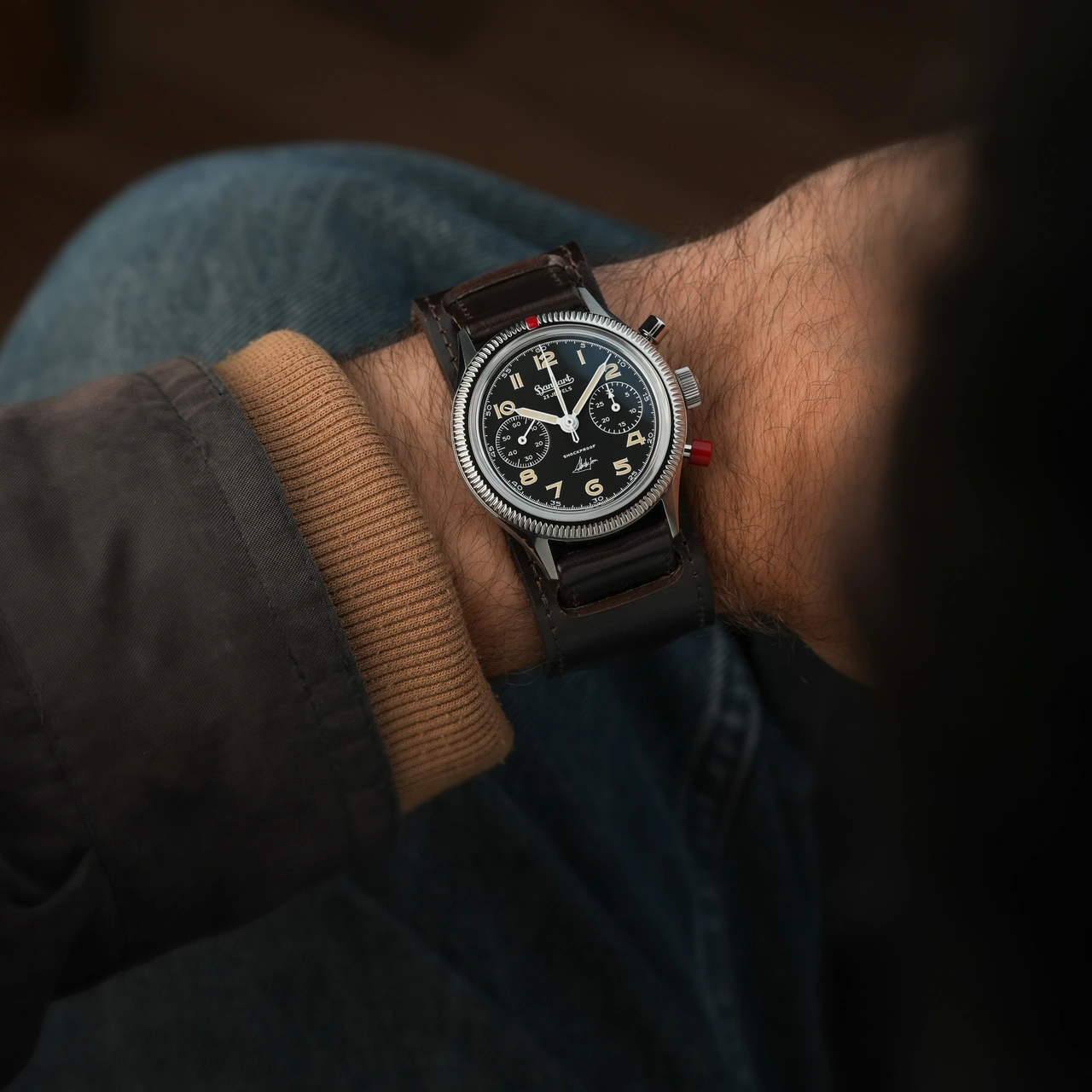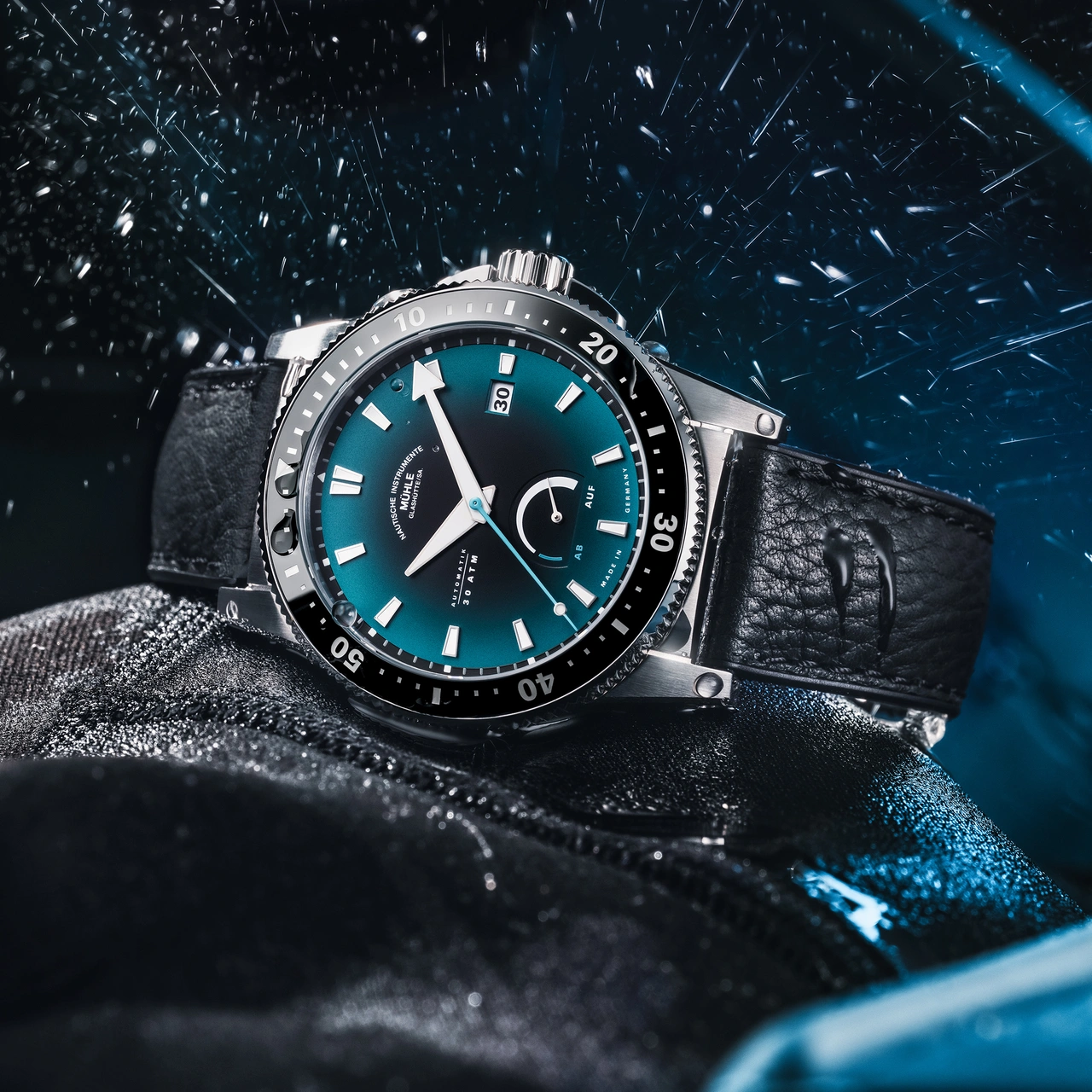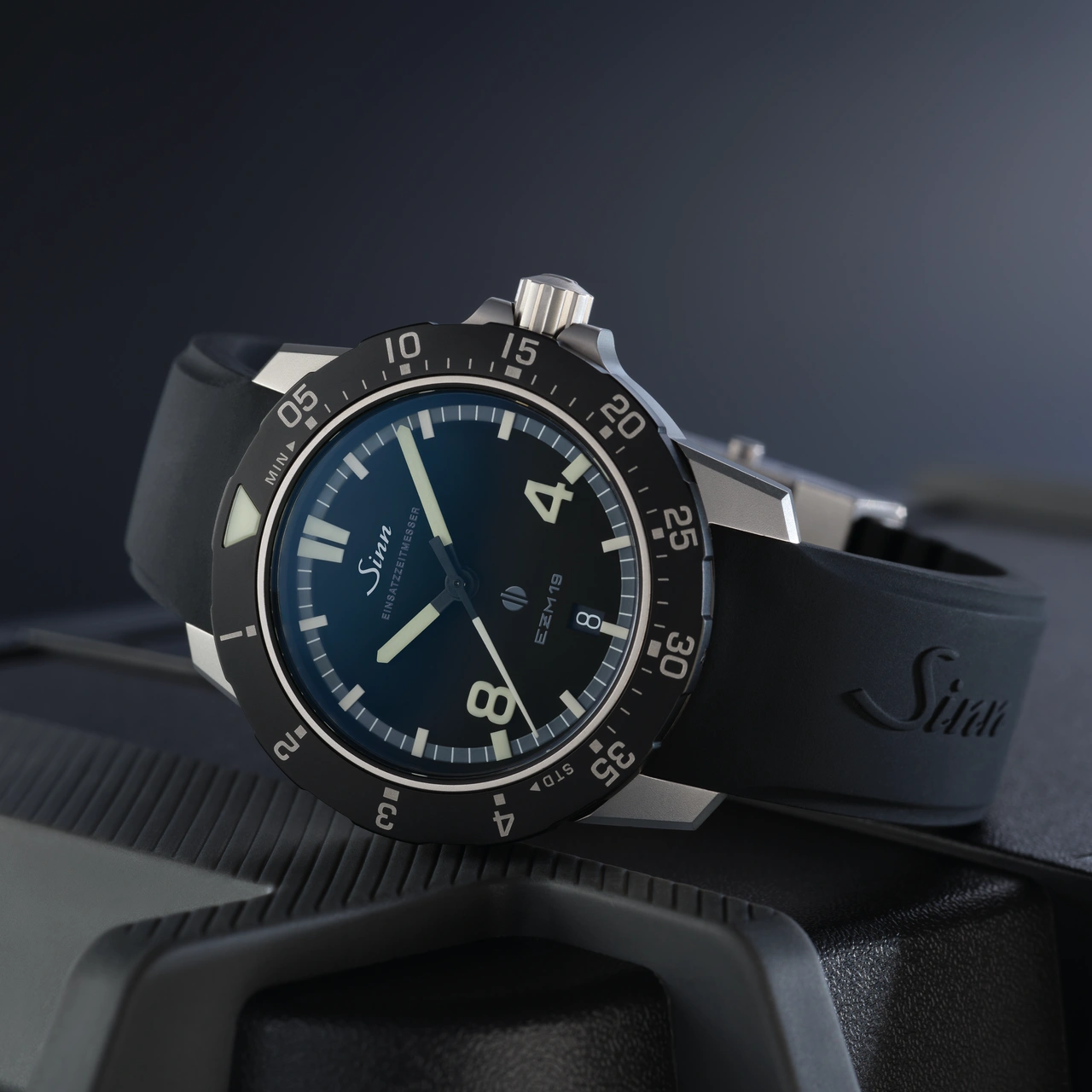
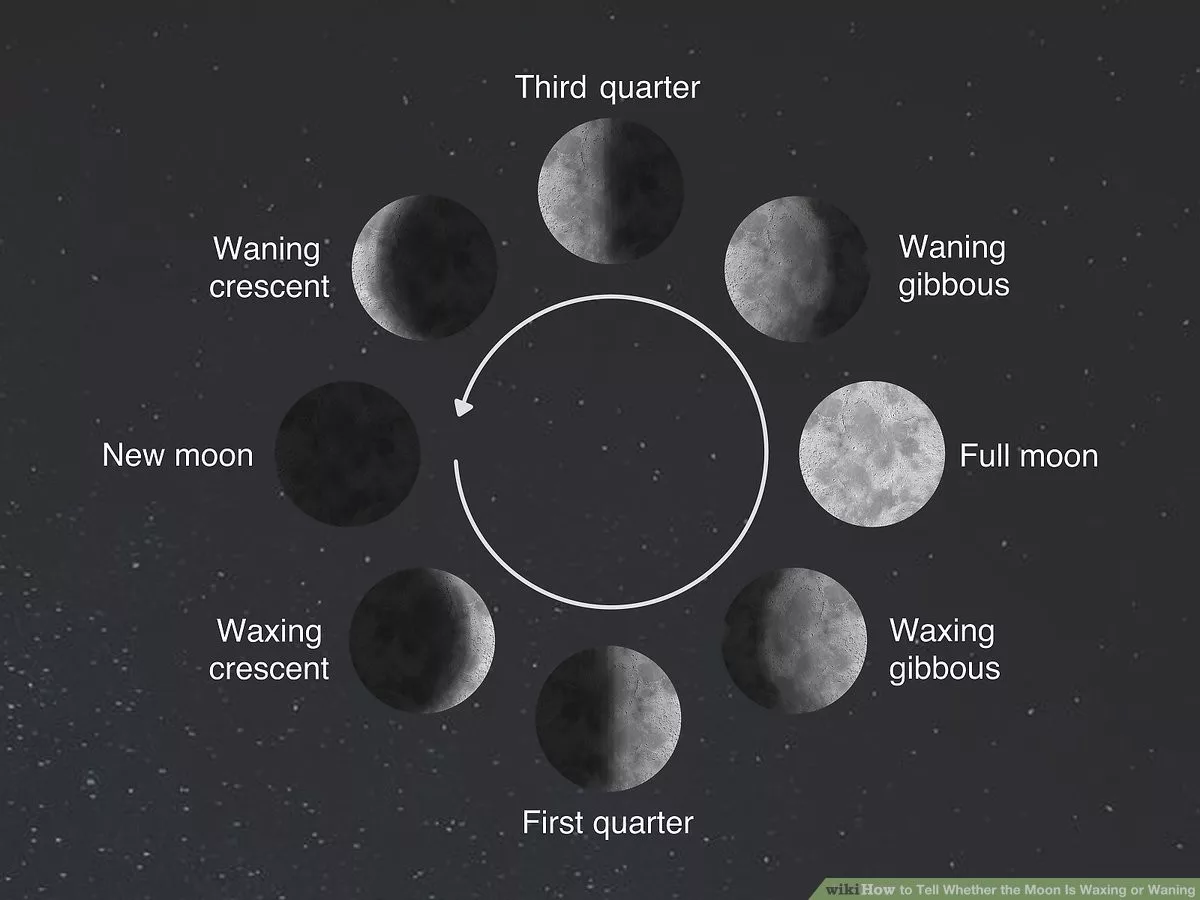
A moon phase complication is one of the most distinctive features in classical horology and luxury watchmaking. It not only ads a touch of refinement and nostalgia to a timepiece but also serves functionally to indicate the current waxing or waning phases of the moon. While some may say this complications serves little practical use in modern life, moon phase timepieces remain highly prized, especially among serious collectors who appreciate tradition and skilled craftmanship.
The Origins
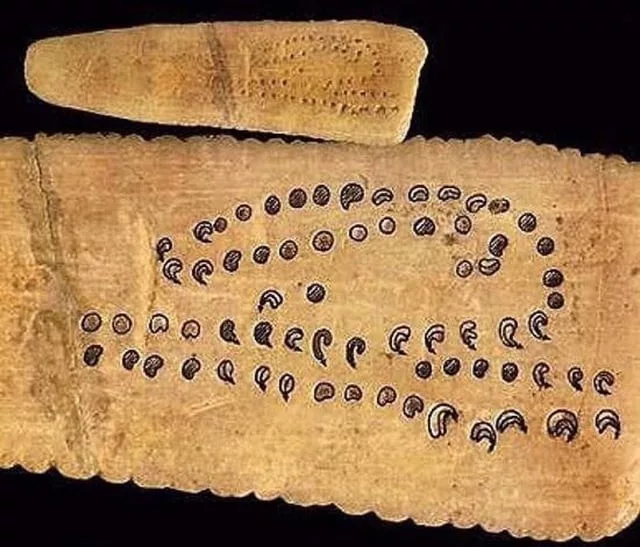
The concept of tracking the moon’s phases isn’t new. Historians believe humans began tracking moon phases as early as 30,000 to 32,000 years ago during the Upper Palaeolithic period, evidenced by notches on prehistoric bones and cave art indicating lunar cycles. This early timekeeping allowed ancient hunter-gatherers to predict seasons, hunting, and migration patterns, long before written history. Other notable artifacts such as prehistoric cave art, particularly in Lascaux, France (circa 15,000–30,000+ years old), features abstract dots, lines, and squares that researchers interpret as early lunar calendars.
The first mechanical moon phase complications appeared on large astronomical clocks during the Renaissance (15th-17th centuries) often seen in grand churches or town squares, with a notable early example being the Prague Astronomical Clock, installed in 1410 in the town square. Their purpose was to give the public a visual representation of the moon’s cycle, a significant feature for an era when the lunar phases played a practical role in agriculture and navigation. By the 17th Century, moon phase complications were commonly integrated into grandfather clocks that could be housed indoors.

Transition to Pocket Watches
As people’s lifestyles changed and became more mobile, watchmaking evolved to keep up with demands for ‘time on the go’. In the 18th and 19th centuries, watchmakers began incorporating moon phase complications into pocket watches and travel clocks, symbolising sophistication and technical mastery that could be put on show in high society circles, who saw them as symbols of prestige. The complication showed that an individual possessed astronomical knowledge and learning, and appreciated the art of precise mechanical engineering.
Rise of the Moonphase Wristwatch
With the transition from pocket watches to wristwatches in the early 20th century, the moon phase complication experienced a resurgence as well as a challenge for watchmakers to replicate in minute form. First Wristwatch (1925): Patek Philippe is often credited with the first wristwatch to incorporate a moon phase as part of the “Perpetual Calendar” watch (ref 97975) from 1925. This set a benchmark for high end horology, establishing the complication as a desirable and charming addition and point of functional artistry.

Moon Phases today
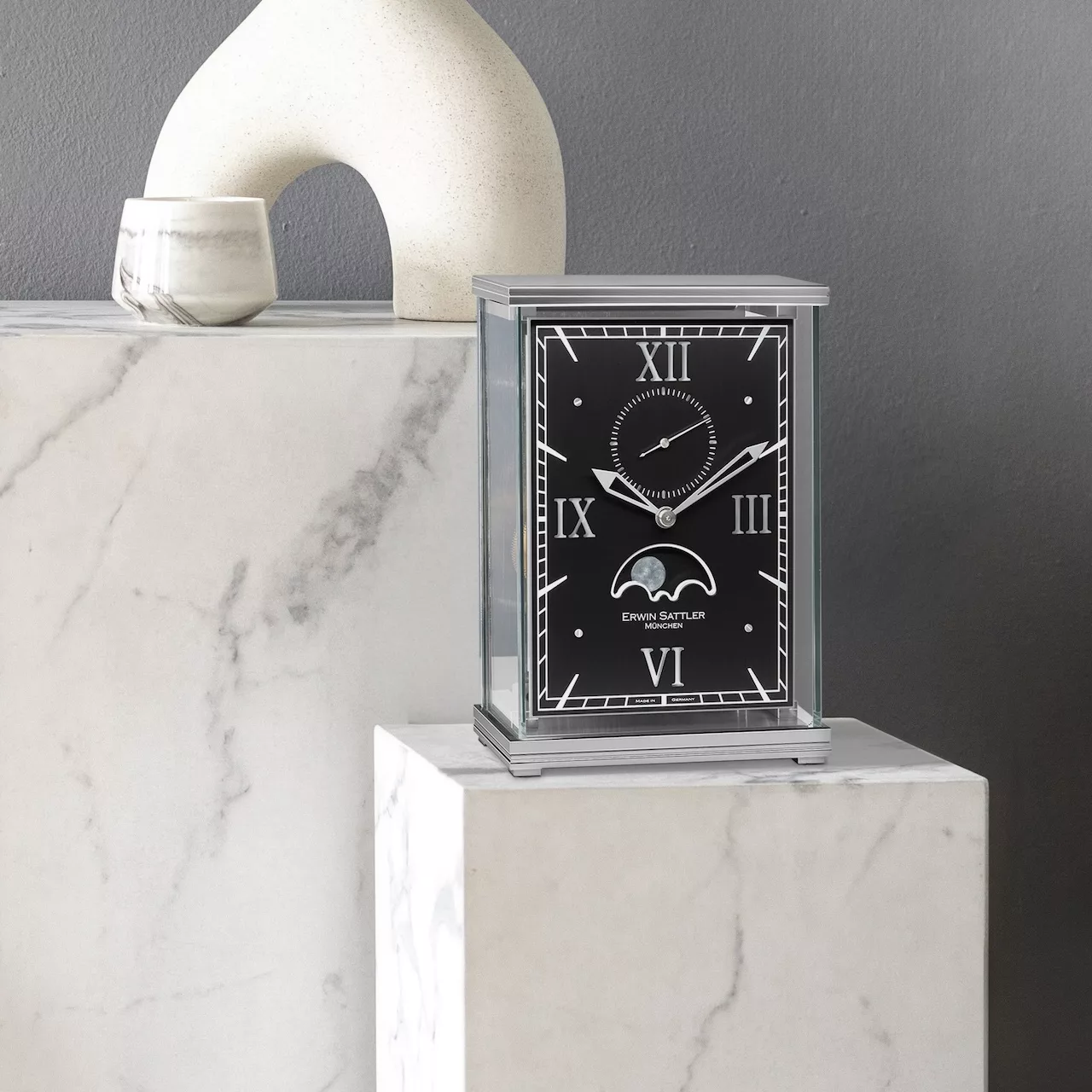
As the moon remains our constant companion, moon phase complications in watches hold a coveted place in modern watch collections. Some of the most highly regarded pieces, like the Lange 1 Moonphase and the Audemars Piguet Royal Oak, integrate the moon phase in a way that complements aesthetics while preserving historical significance. Brands have refined the moon phase display over the years, using materials like aventurine for a starry-sky effect, hand-painted realism, or adding photorealistic details to the moon itself. Some clock makers like Germany’s Erwin Sattler have even created a complication that shows the moon phases in both the northern and southern hemispheres simultaneously.

Fun fact: Although the moon’s phases are identical in both hemispheres, they appear inverted or rotated relative to each other due to opposing viewing angles. In the Northern Hemisphere, the moon appears “right-side up,” while in the Southern Hemisphere, it looks upside down. Waxing phases illuminate from right-to-left in the North, but left-to-right in the South.


The allure of a moon phase goes beyond its aesthetic charm. For collectors, it’s a piece of history, a reminder of watchmaking’s intricate relationship with timekeeping and astronomy bringing a sense of storytelling to a watch. What will your story look like?