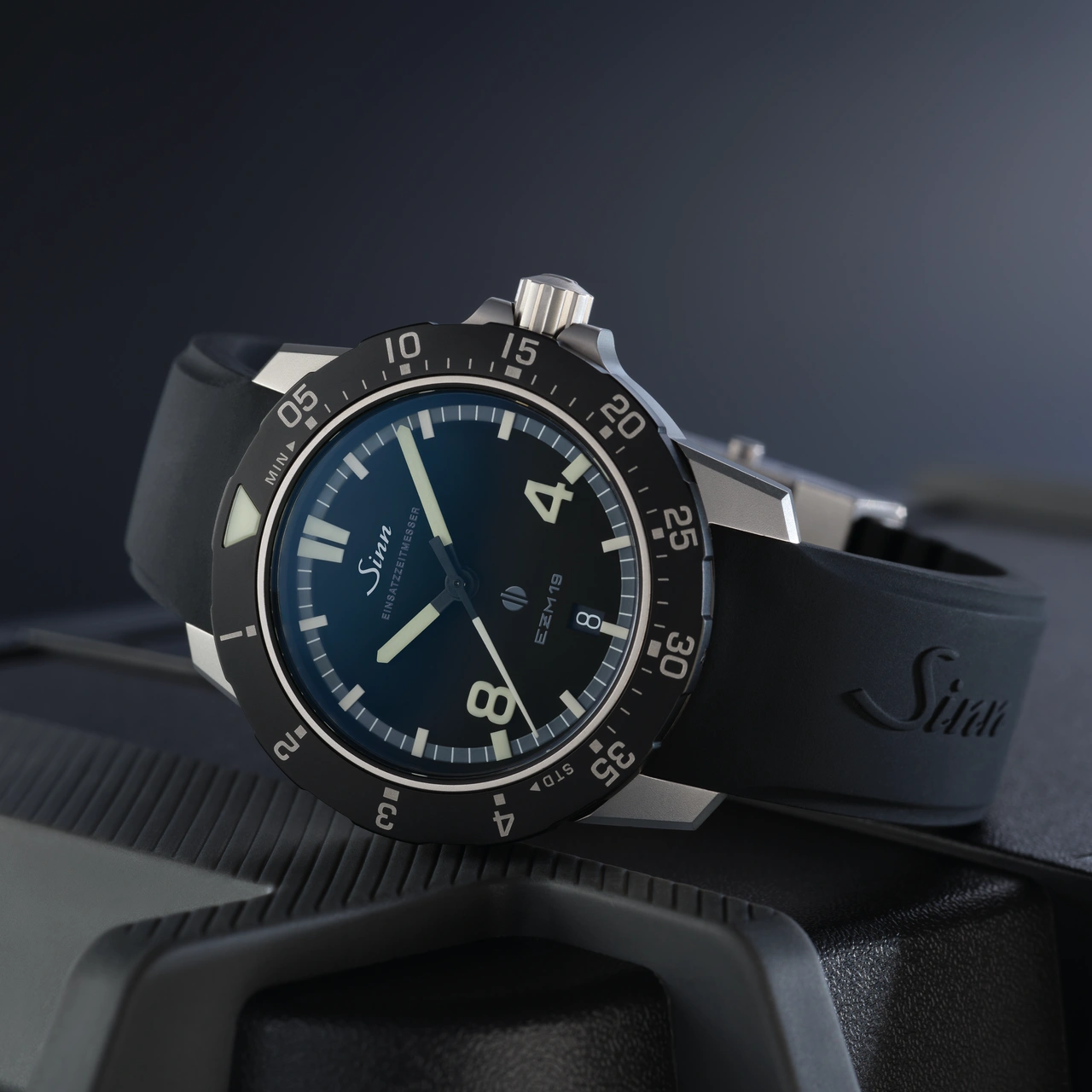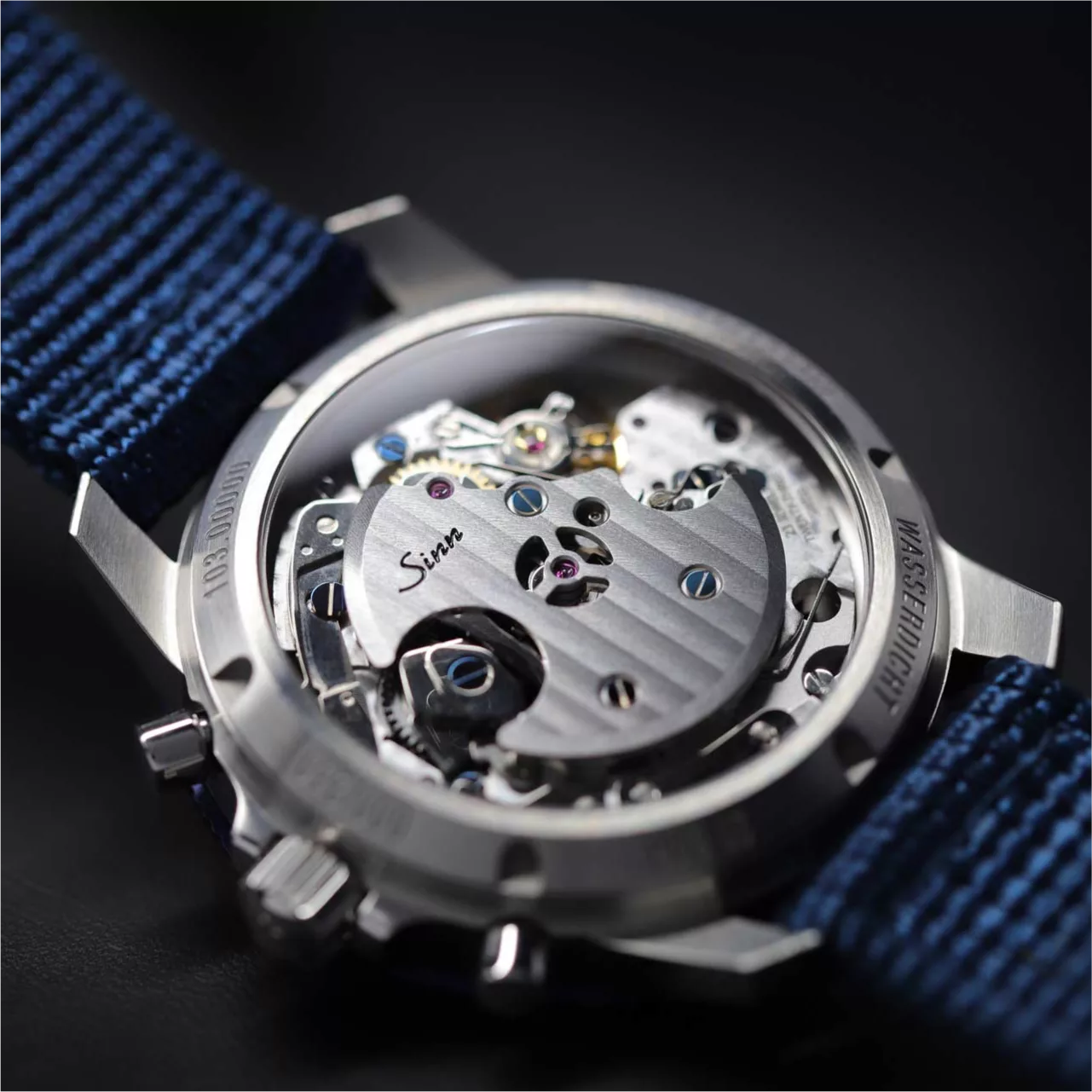
Titanium is one of those materials that sounds modern, but its appeal in watchmaking is surprisingly practical. It sits on the periodic table as a light, strong metal with excellent resistance to corrosion, and it has a very particular feel in the hand. Pick up a titanium watch for the first time and the reaction is often the same, it feels almost too light for its size. That “missing weight” is not a gimmick, it is simply the nature of a metal with a much lower density than steel. For many wearers, that single characteristic changes how a watch fits into daily life.

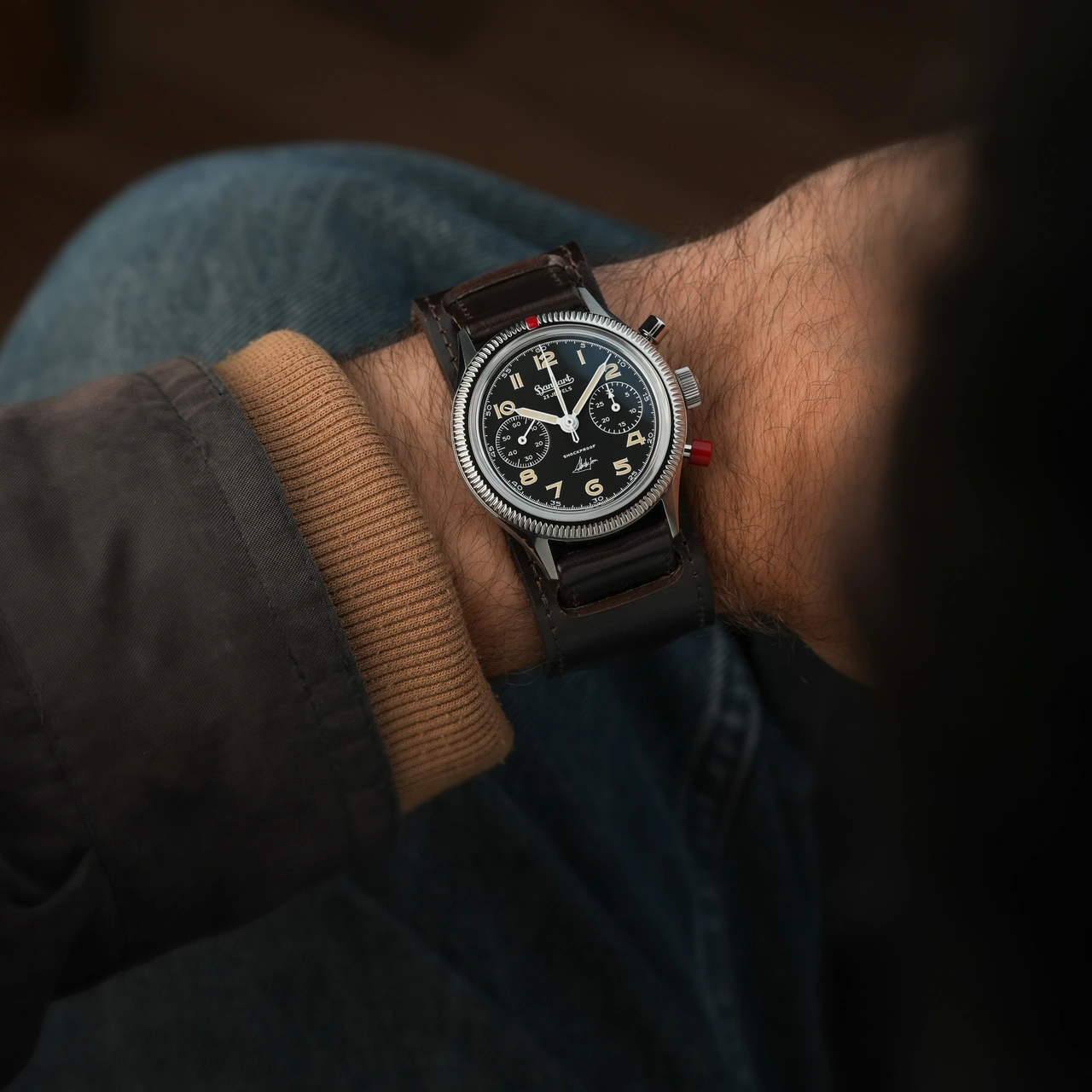
At a basic level, titanium offers an unusual balance of strength and weight. Compared with stainless steel, titanium achieves comparable structural toughness while being noticeably lighter, which is why it became a favourite in aerospace and engineering long before it became common on wrists. In a watch case, that translates to a larger or thicker tool watch that does not feel top-heavy or tiring across a long day. It also changes the way the watch “moves” on the strap or bracelet, there is less inertia, less shifting, and often a more settled feel. If you are sensitive to weight, titanium can be the difference between wearing a watch occasionally and wearing it every day.
When watch brands talk about titanium, they are often referring to a specific grade. Grade 2 titanium is widely used because it is highly corrosion-resistant and comparatively easy to work with, while Grade 5 titanium, an alloy that typically includes aluminium and vanadium, is stronger and often chosen for more technical cases. These choices are not just marketing, they influence the finishing options, the crispness of edges, and how a case holds its lines over time. Titanium can be challenging to machine and finish cleanly, which is part of why good titanium cases feel so deliberate. The best examples look restrained and purposeful, but the work behind them is anything but simple.

One of titanium’s quiet strengths is its relationship with the wearer’s skin. Titanium is widely valued for its biocompatibility, and for many people it is a comfortable option when other metals can irritate. That makes it a sensible choice for hot climates, active wear, or simply long hours with a watch against the wrist. It also tends to feel warmer than steel in cold conditions, because its thermal conductivity is lower, so it does not draw heat from the skin as quickly. In day-to-day terms, it avoids that sharp “cold metal” moment in the morning. These are small details, but they add up in real ownership.
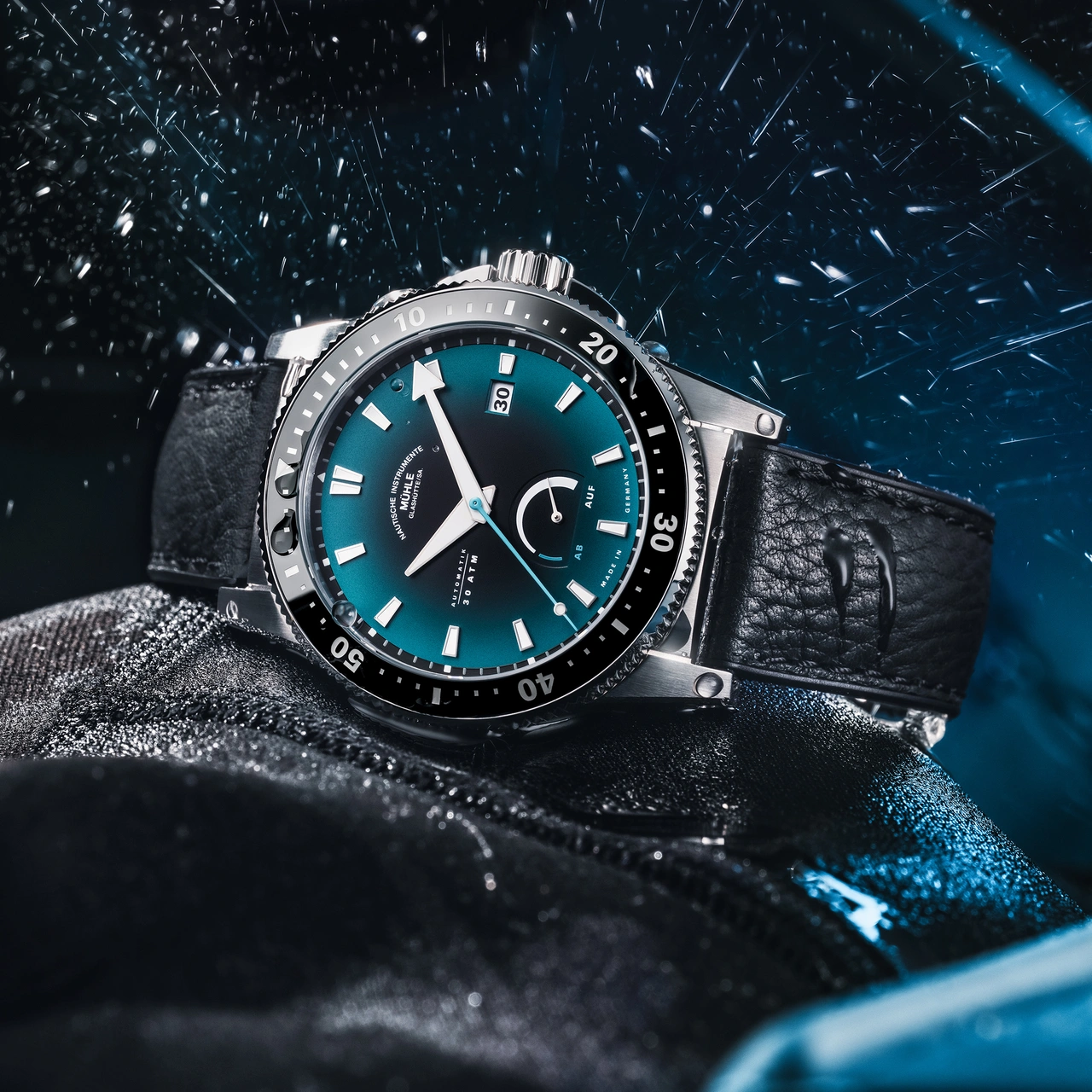
Corrosion resistance is another reason titanium belongs in serious watch cases. Salt air, humidity, sweat, sunscreen, and the everyday chemistry of life can be surprisingly harsh, especially for people who live near the coast or spend time outdoors. Titanium naturally forms a thin oxide layer that helps protect it, so it handles these environments with a calm confidence. This is why titanium has long been associated with dive watches and aviation-inspired tool watches, designs that are expected to keep working without fuss. It is not that steel cannot do the job, it certainly can, but titanium is naturally inclined to shrug off the elements. That quality suits the understated, functional mindset found in much of German watchmaking.
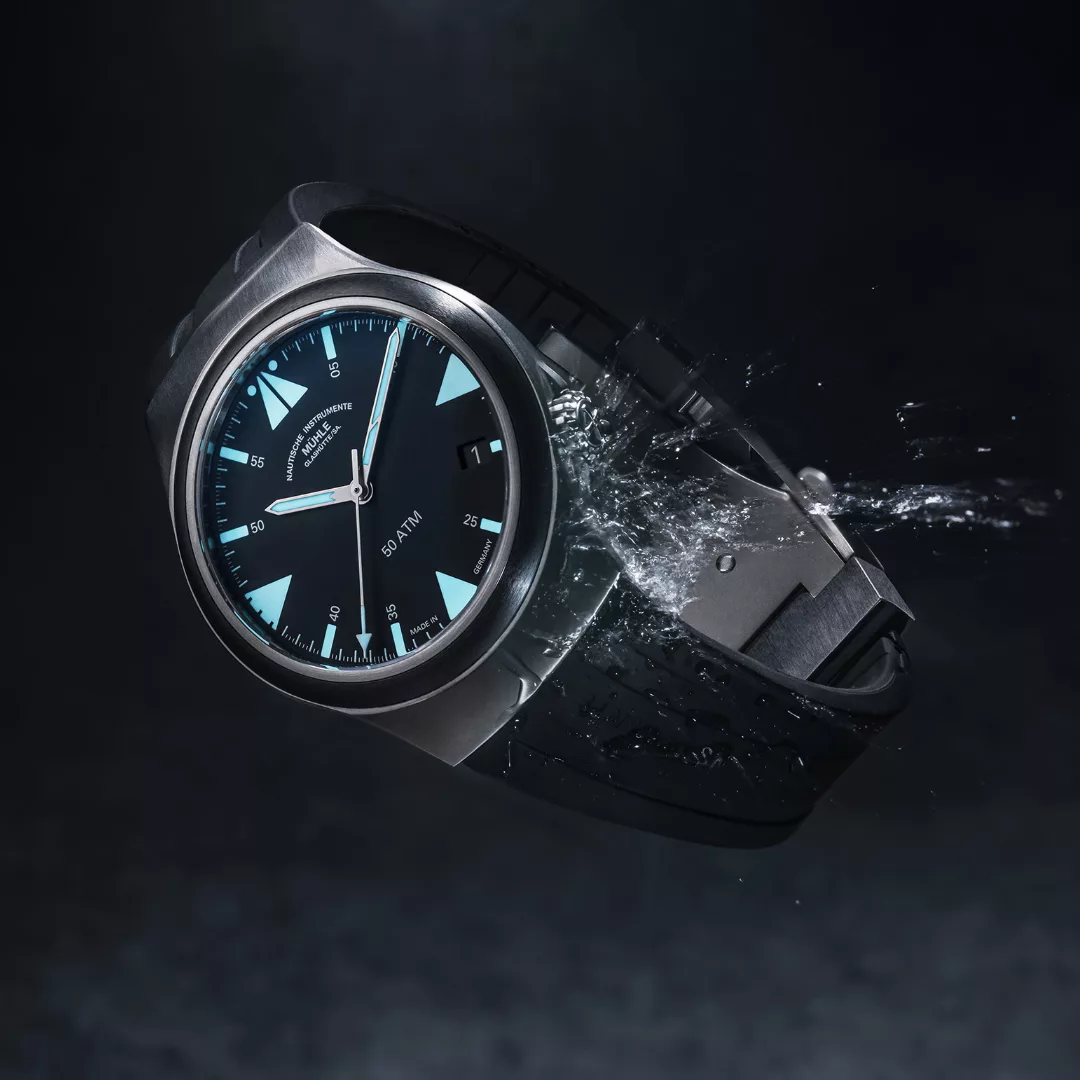
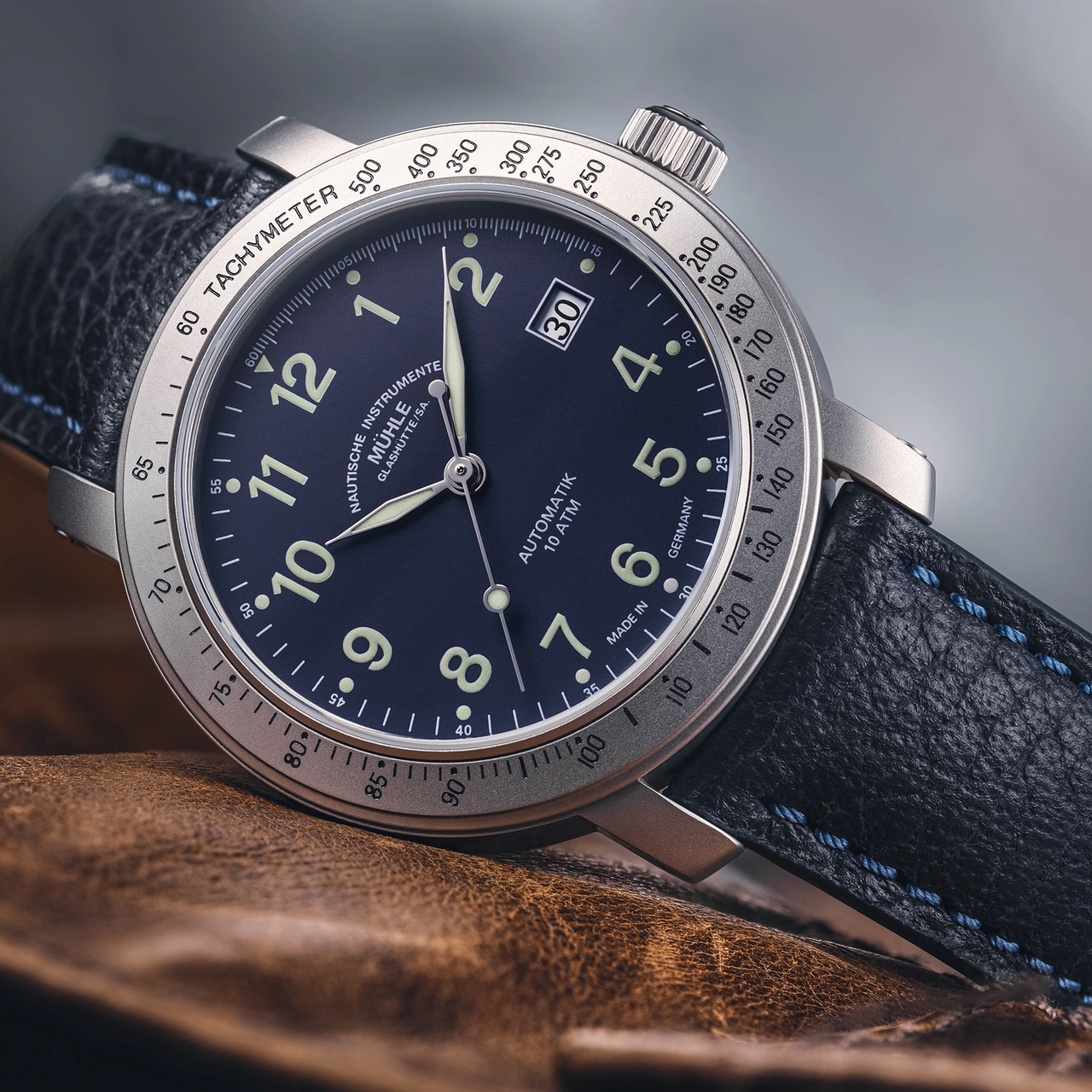
Bezels are a particularly interesting place to use titanium because that is where wear tends to show first. The bezel is the contact point, it brushes doorframes, desks, and the accidental knocks that happen when you stop paying attention. Titanium can mark more readily than hardened steel in some finishes, especially if it is bead-blasted or matte, and it is worth understanding that honestly. Those marks are not rust and they are not damage in a structural sense, they are usually superficial traces in the surface. Some wearers love this, as it builds a lived-in character that suits a tool watch, while others prefer titanium that has been surface-hardened or combined with more scratch-resistant inserts.
This is where brand-specific engineering becomes important. Some manufacturers apply hardening processes or coatings to improve scratch resistance and maintain a cleaner look over time. In the German sphere, you will often see case technologies designed for real-world wear rather than showroom shine, with surfaces that prioritise readability and restraint. A matte titanium case paired with a carefully executed bezel can reduce glare and improve legibility, which matters if the watch is used for its intended purpose. It is a reminder that titanium is not only about comfort, it can also be about function. A metal choice can shape the entire character of a watch.
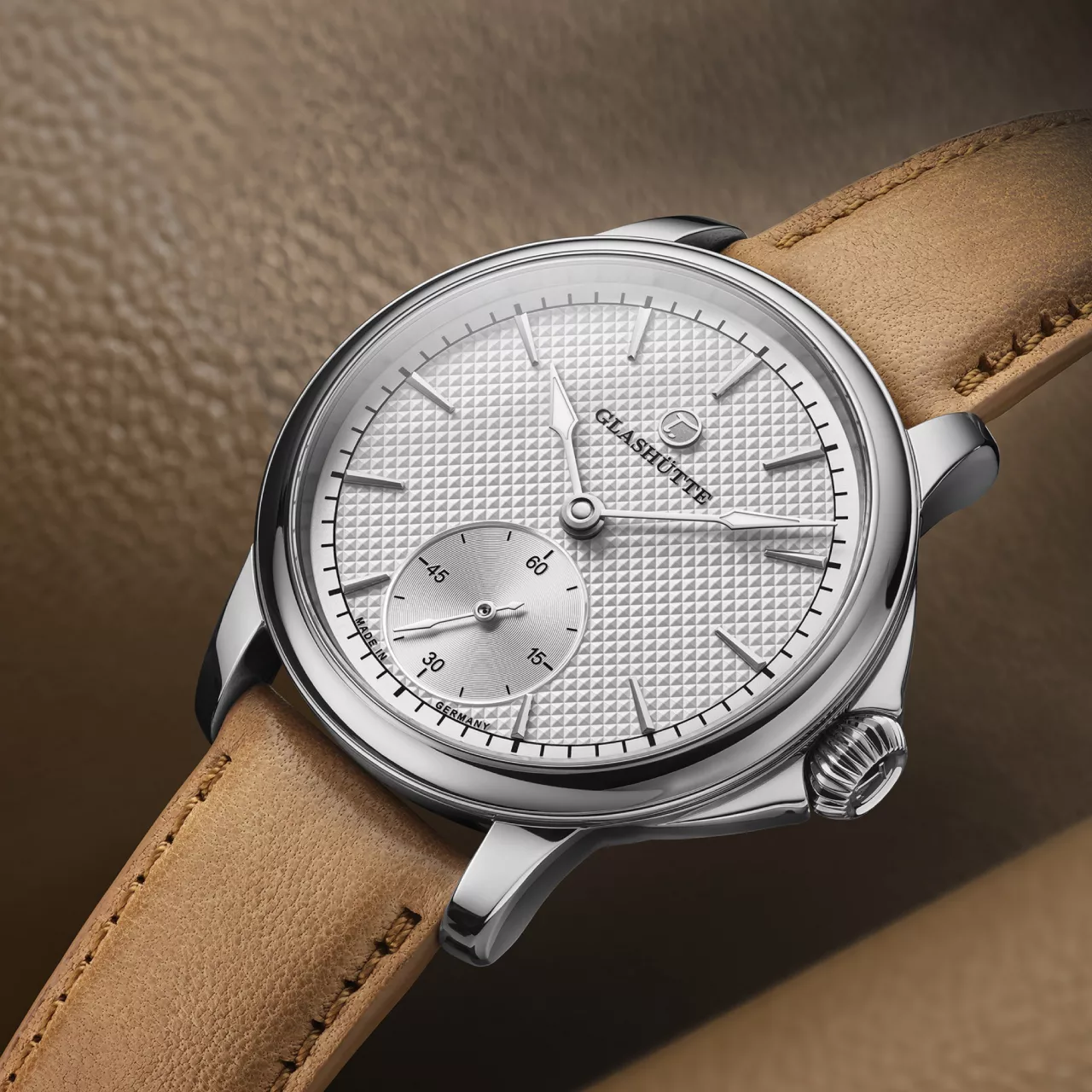
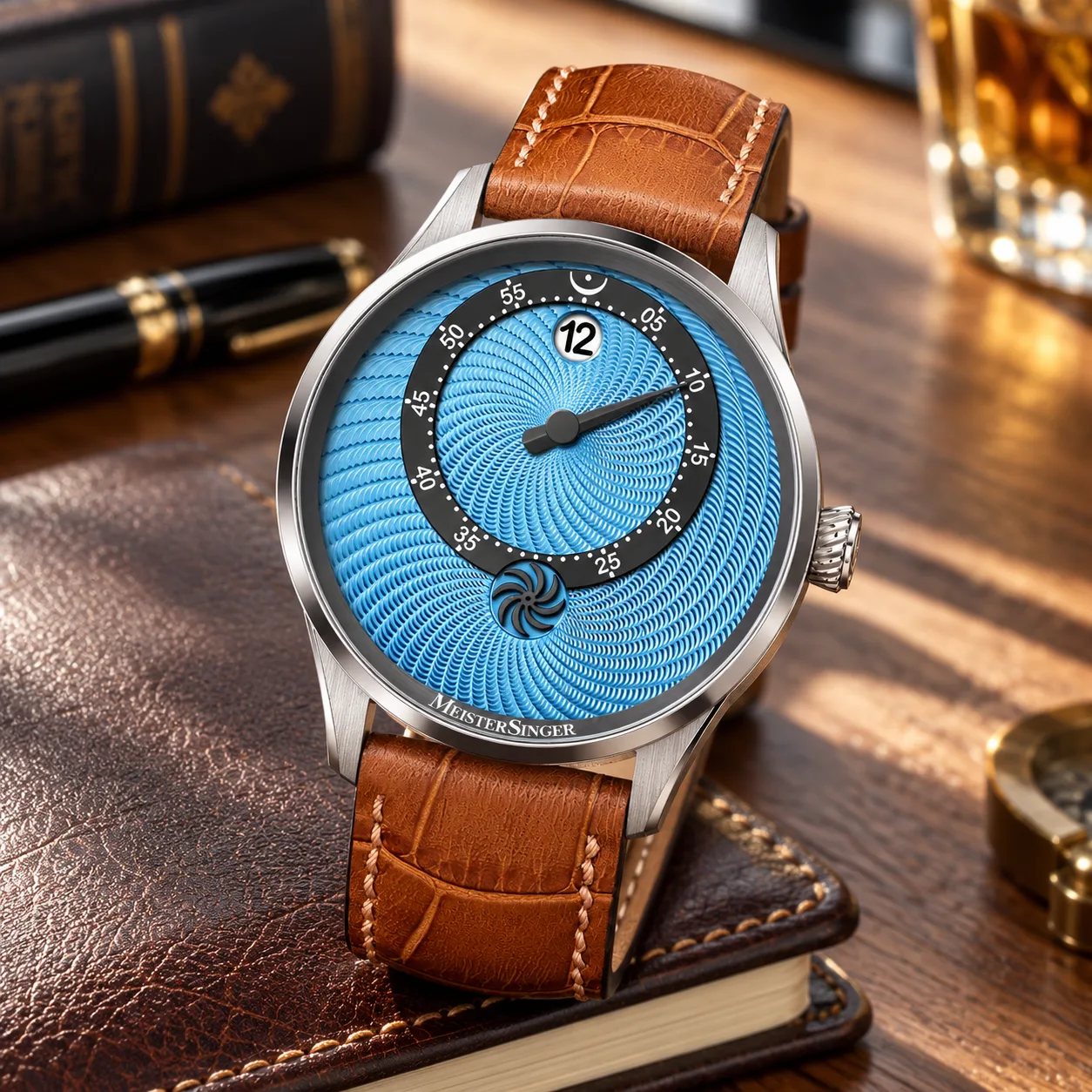
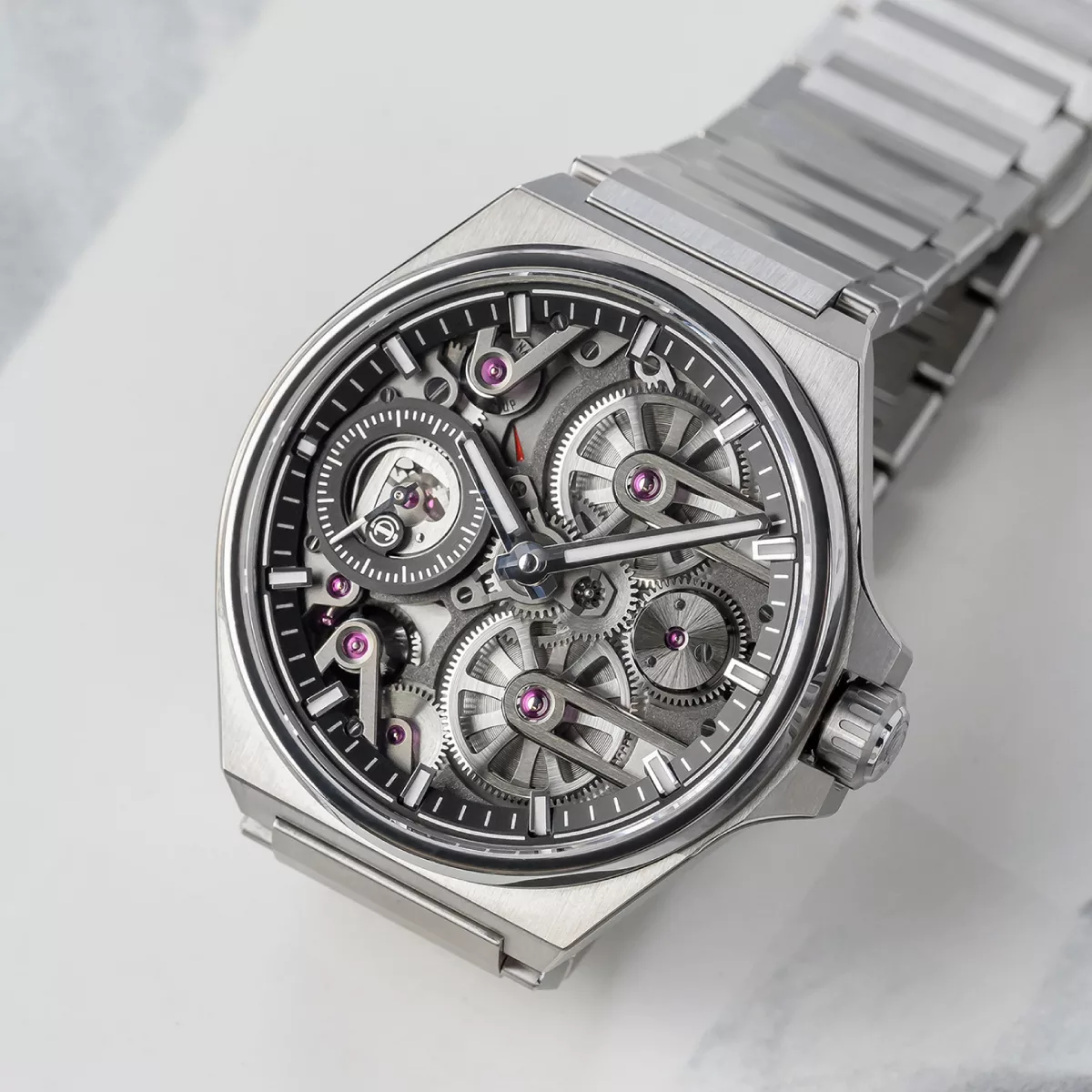
Titanium also has a distinctive aesthetic that is easy to recognise once you have handled it. Even when polished, it rarely has the same bright, mirror-like sparkle of steel, and many brands lean into that by using brushed or bead-blasted finishes. The colour sits slightly darker and more muted, often described as a soft grey, and it pairs naturally with utilitarian dials and high-contrast hands. On the wrist, titanium looks more like a purpose-built instrument than jewellery, which is exactly the point for many collectors. That visual restraint aligns well with independent brands that value engineering clarity over flash. It can make a watch feel serious without feeling loud.
So who benefits most from titanium? Anyone who wears a watch for long hours, especially in warm climates or active routines, will notice the comfort quickly. If you enjoy larger cases but dislike the weight that often comes with them, titanium can make those designs genuinely wearable. If you are around salt air, water, or perspiration-heavy conditions, titanium’s corrosion resistance is a very practical advantage. And if you like the idea of a watch developing honest signs of use, titanium can wear in a way that feels authentic rather than fragile. It is a material that rewards real ownership, not careful avoidance.
There is also a philosophical reason titanium has become part of modern watchmaking. Mechanical watches are, by nature, anachronistic in the best way, they persist because craftsmanship and engineering still matter to people. Titanium brings a contemporary material intelligence to that tradition, without needing to look futuristic or experimental. It allows independent makers to build watches that feel more wearable and more resilient, while still honouring the discipline of mechanical design. In the end, titanium is a good metal in watchmaking for the same reason it is respected elsewhere, it is honest, capable, and quietly efficient. It does not ask for attention, but it earns it every time you put the watch on.