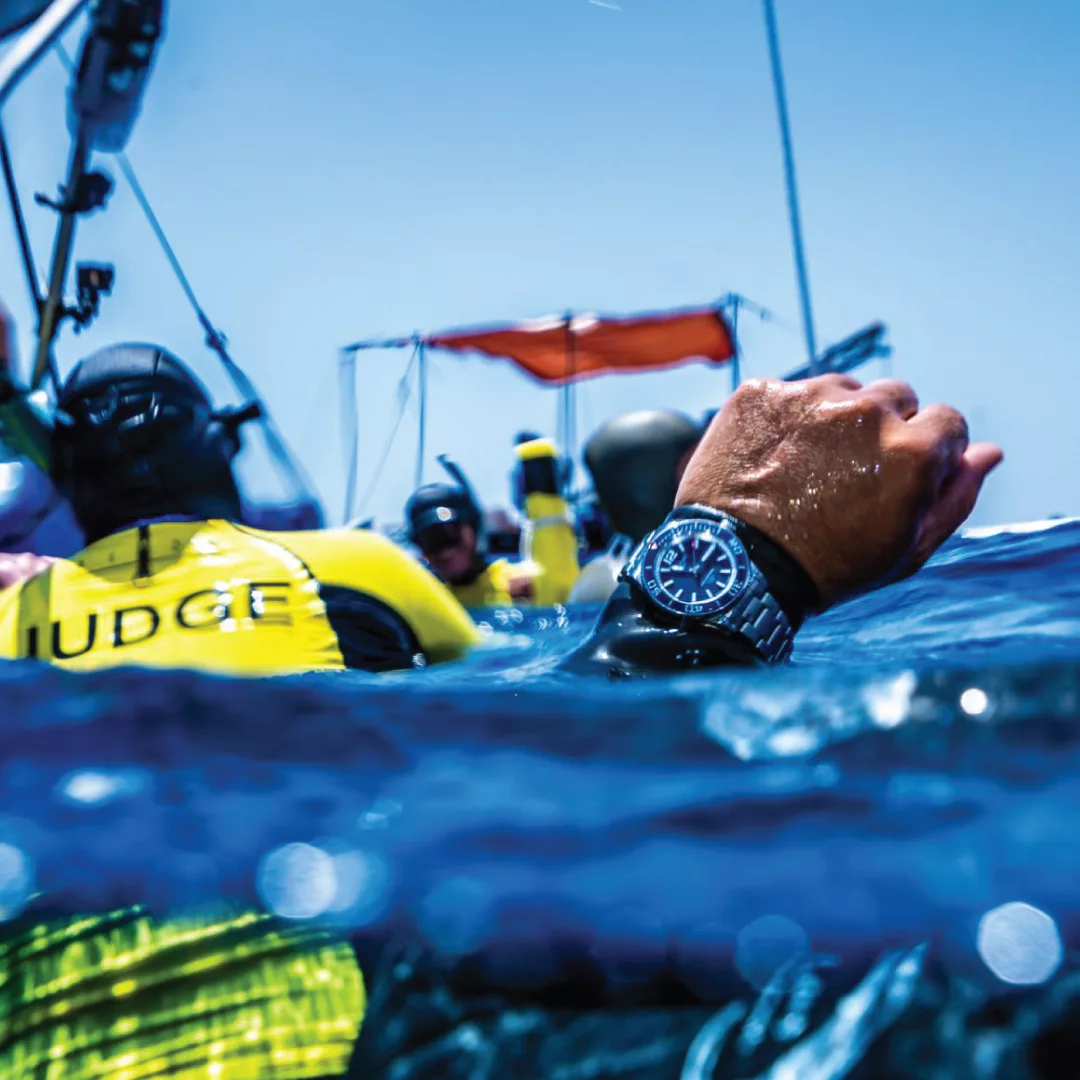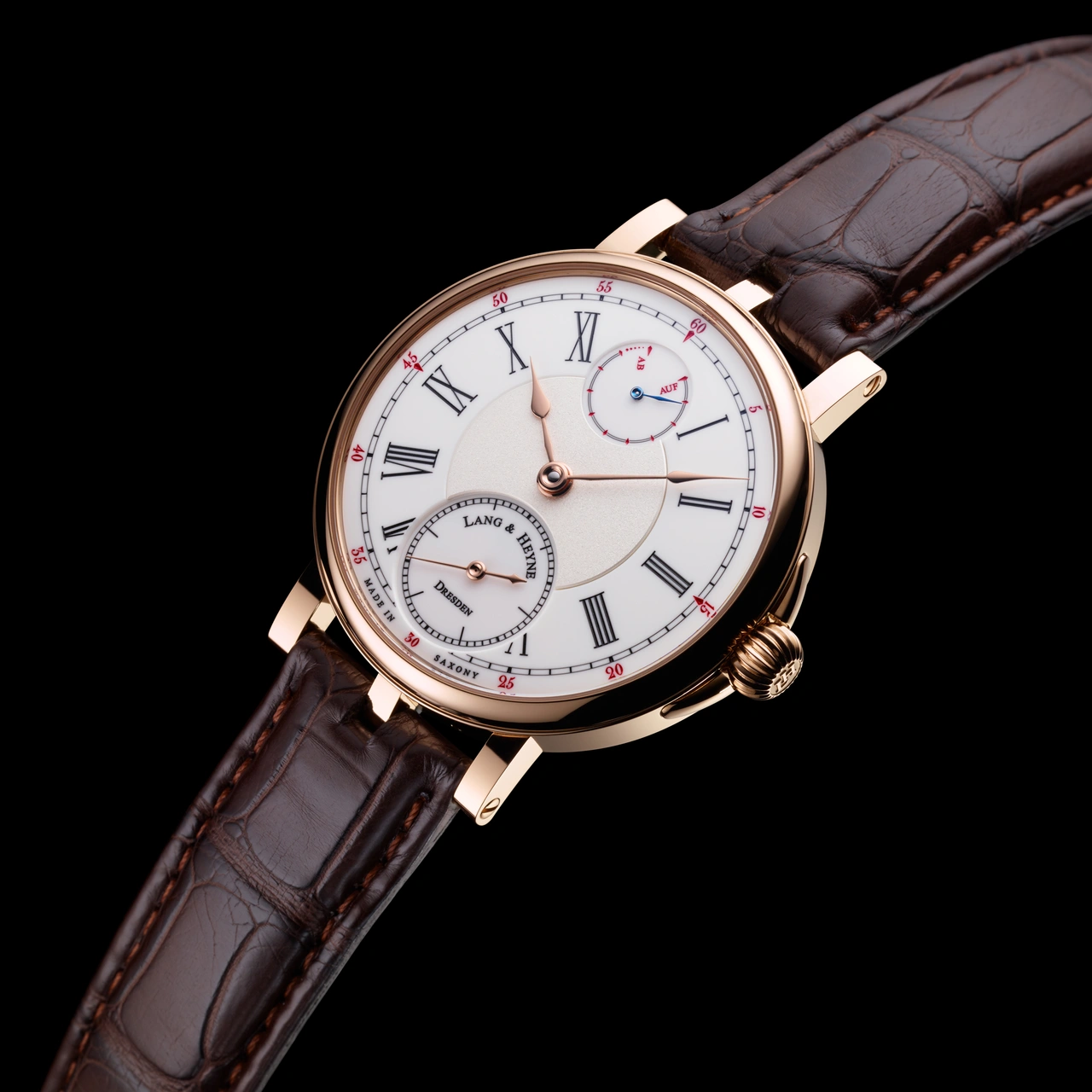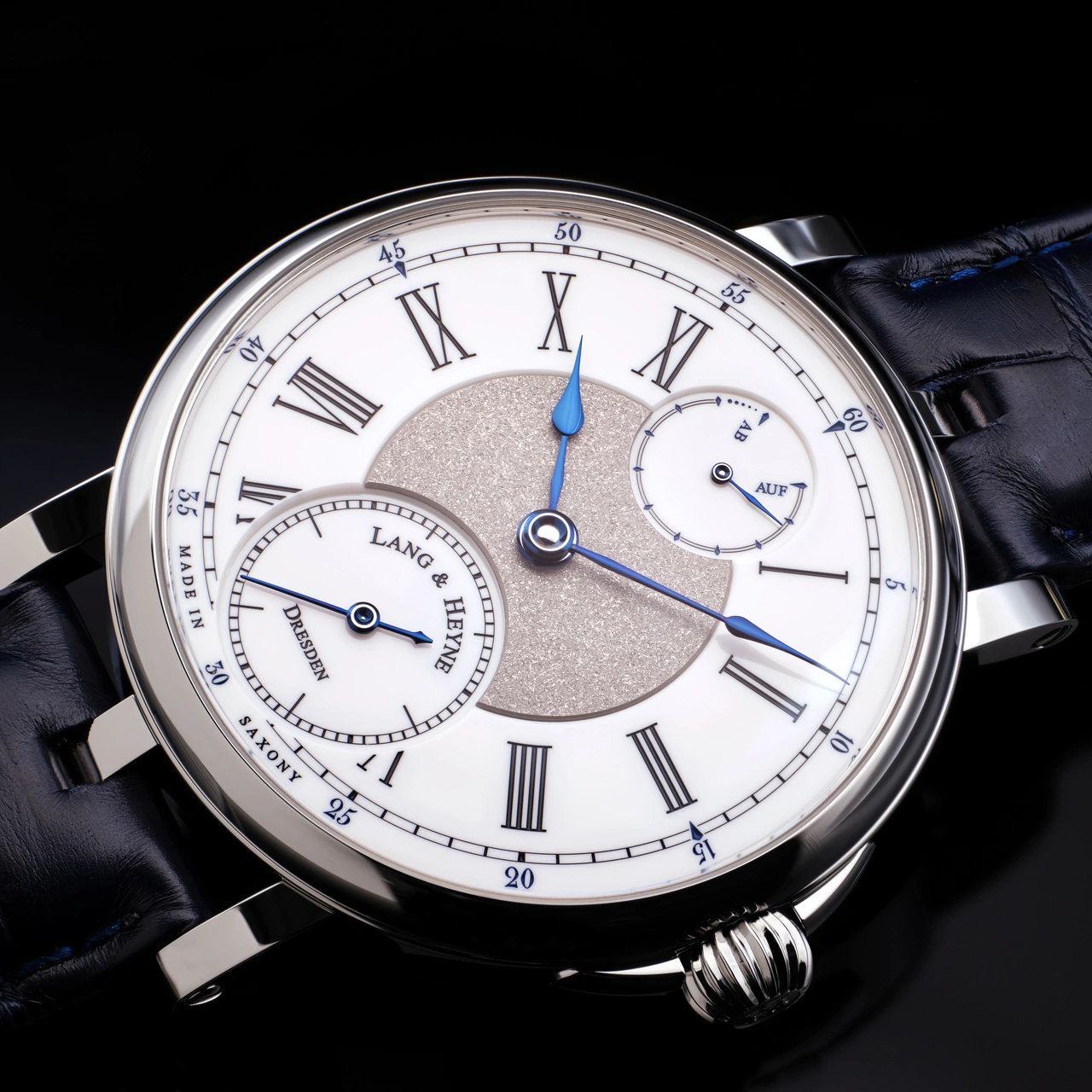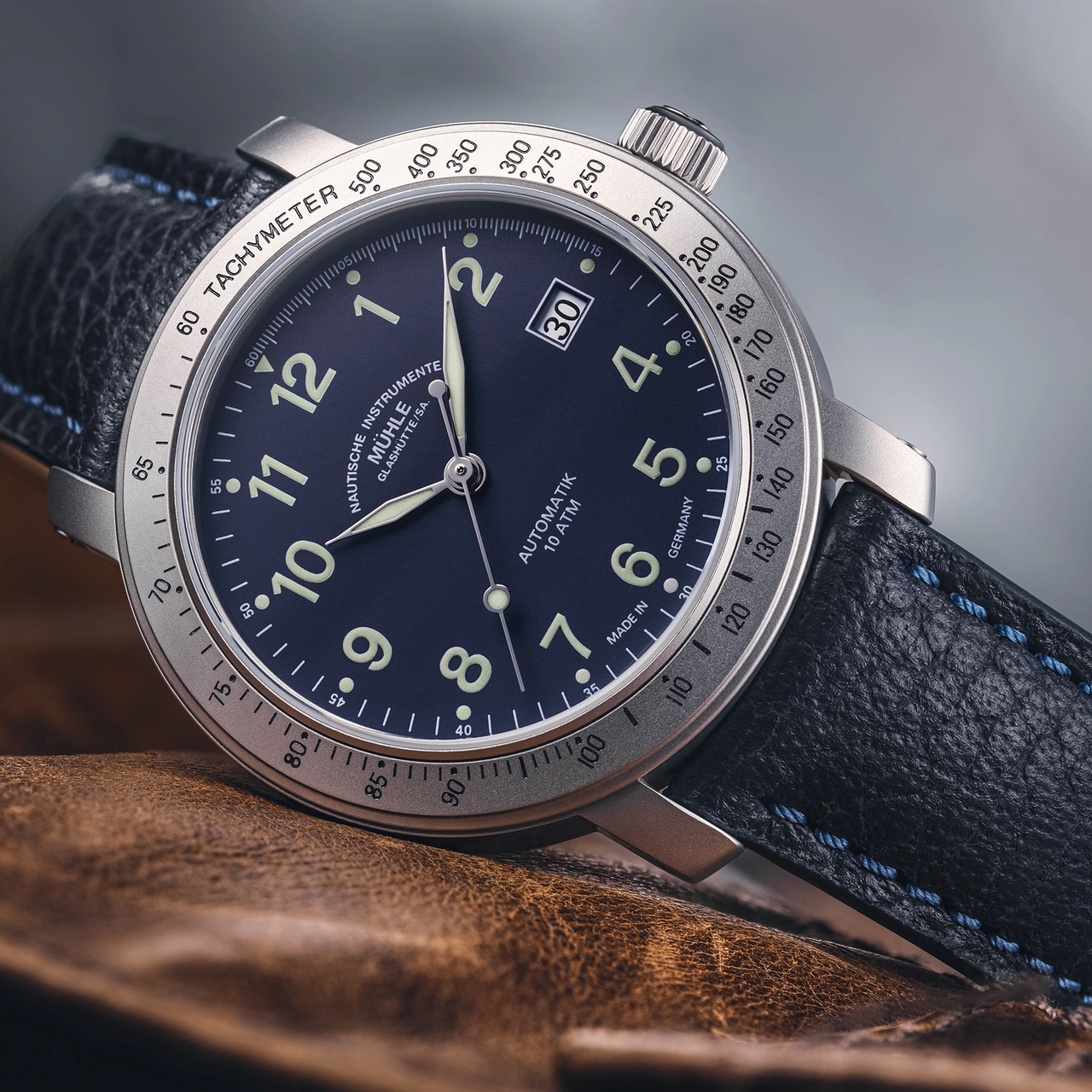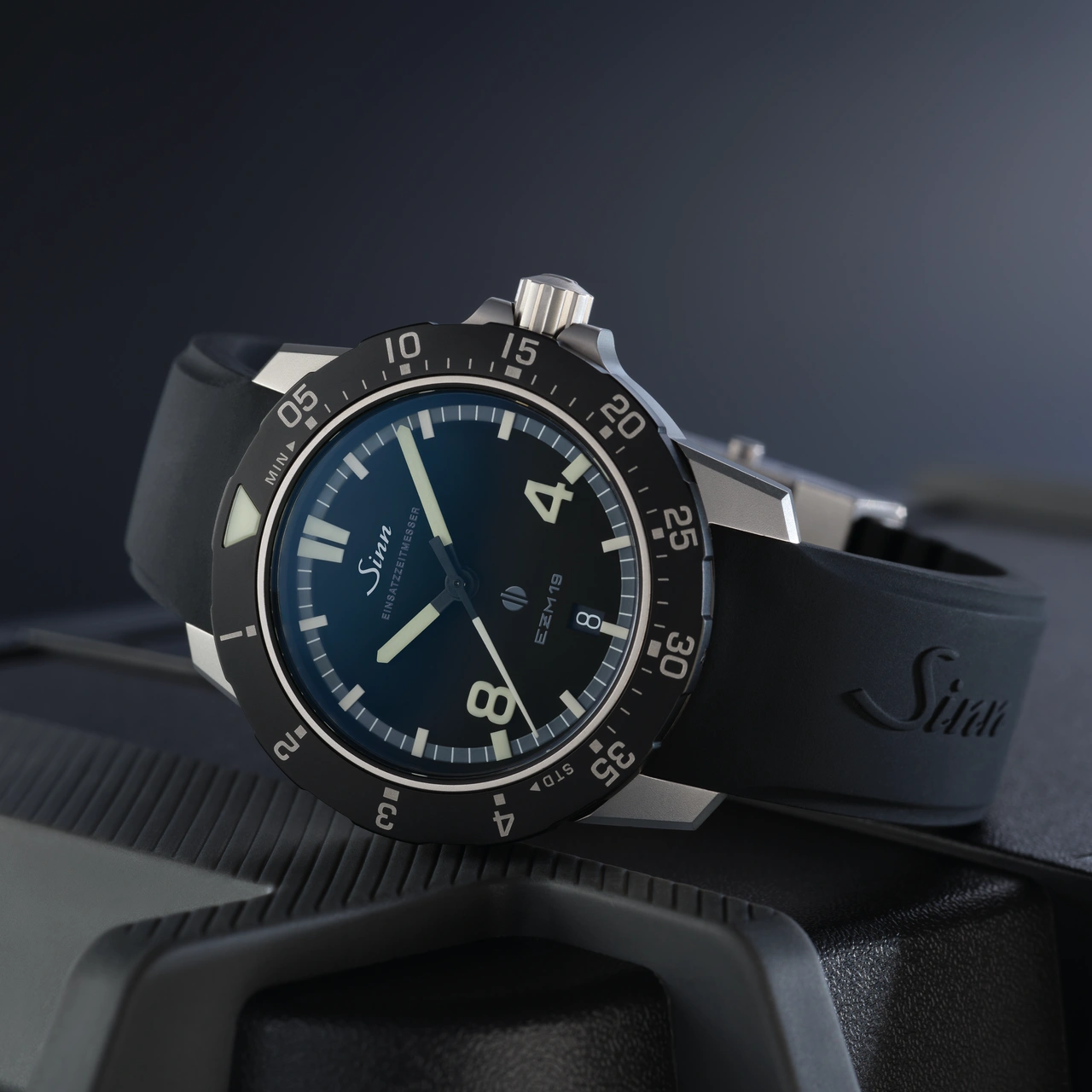
The rotating bezel on a mechanical dive watch is often viewed as a stylistic cue, something that visually sets a diver apart from other sports watches. Yet the feature was never introduced for aesthetic reasons. It began as a simple but dependable timing tool designed for divers who needed a clear way to track how long they had been underwater. In those early decades of recreational and professional diving, a reliable bezel could be just as critical as an oxygen gauge. Its purpose was always practical, and its success hinged on clarity, engineering, and precise mechanical behaviour.
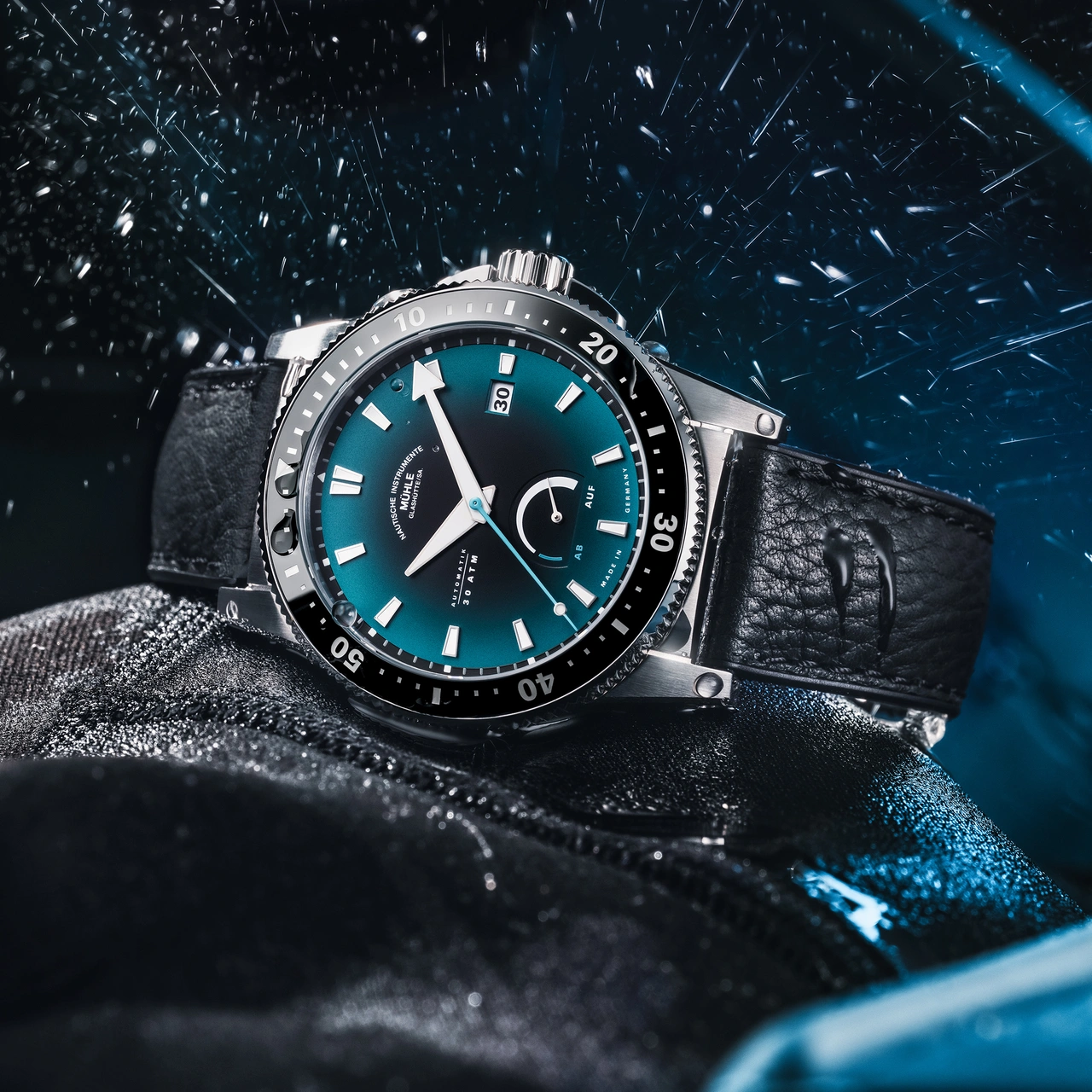
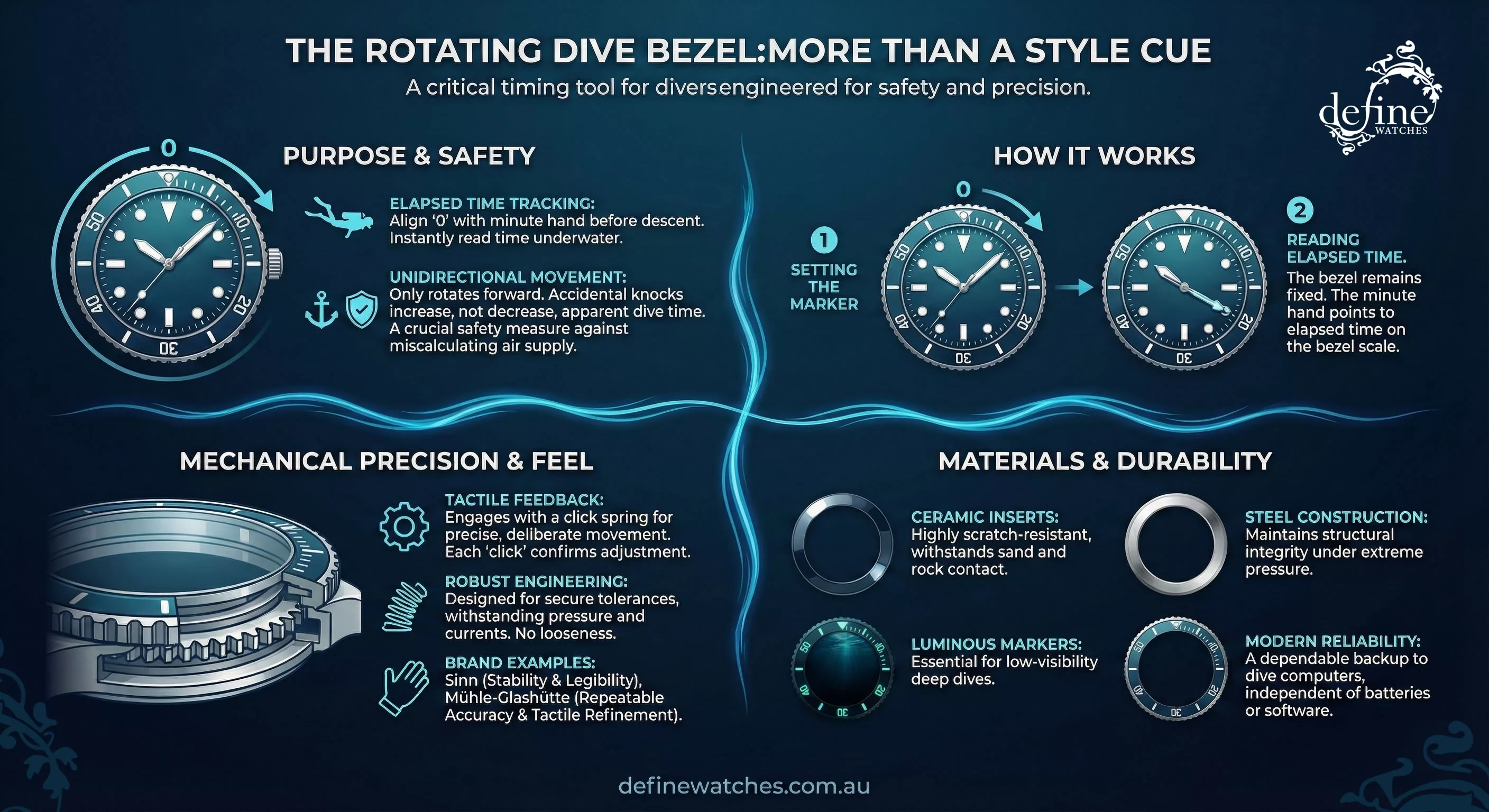
To appreciate why the bezel is valued by both divers and watch enthusiasts, it helps to understand its basic function. Before the ascent, the diver aligns the zero marker on the bezel with the minute hand. As the minutes pass, the hand moves around the dial while the bezel stays fixed in place, giving an instant reading of elapsed time. There are no sub-menus, underwater touchscreens, or layers of information. The bezel reduces everything to a single, reliable reference point that can be read at a glance even in low visibility. Its simplicity is the foundation of its effectiveness.
Most dive bezels turn only one way. This unidirectional movement is an essential safety measure rather than a design choice. If the bezel is knocked or brushed against equipment, it can only rotate forwards which increases the apparent dive time. It cannot rotate backwards to shorten the time and give the diver a false sense of how much air remains. This little mechanical safeguard prevents a potentially dangerous misreading. It shows how watchmakers think about the realities of underwater environments and anticipate how the watch might be affected during use.

While the outward concept is simple, the internal mechanics are surprisingly nuanced. A rotating bezel engages with a click spring or ratcheting system that provides resistance and controls how it moves. Every “click” represents a small mechanical interaction, and that tactile sensation speaks volumes about the quality of the engineering. A well-constructed bezel will feel secure with deliberate movement, never loose or vague. It must stay readable in strong currents, gloved hands, or contact with dive gear. A smooth, confident action is not about luxury, it is about trust.
Brands known for functional tool watches often devote significant attention to this component. Sinn, for example, has long been recognised for bezels that prioritise stability and legibility. On many of their diving models, the bezel is held in place with secure tolerances designed to withstand shifting pressures. Sinn’s focus on robust mechanical engagement helps ensure that once the bezel is set, it stays aligned even in demanding conditions. Their approach reflects decades of experience producing equipment intended for professional environments, where absolute clarity and durability matter above all else.
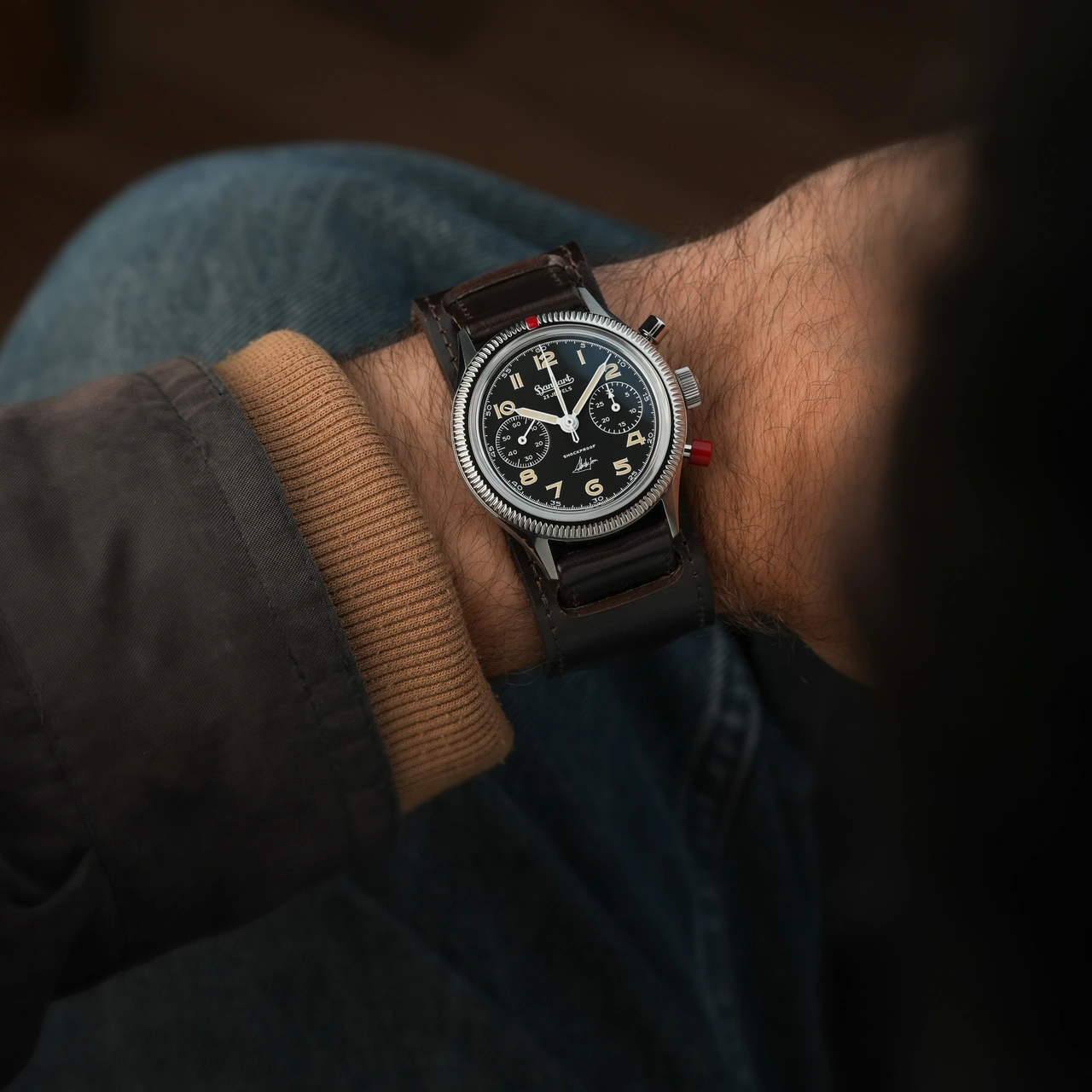
Brands like Tutima, Mühle-Glashütte and Hanhart take a similarly practical path, although their philosophy centres on precision and tactile refinement. Their bezels are engineered for repeatable accuracy, meaning the alignment between the zero marker and the minute hand remains dependable dive after dive. It is a subtle distinction, but it speaks to the brand’s broader commitment to measured performance. When a diver turns the bezel, it should fall into place with the same resistance every time. That consistency builds familiarity, and familiarity builds confidence in a situation where guessing is not an option.

The materials used in modern bezels further enhance their durability. Ceramic inserts resist scratches from sand, rocks, and contact with equipment, while steel constructions maintain structural integrity under pressure. Luminous markers increase readability in darker waters so that elapsed time can be judged instantly. What seems like a simple ring around the dial is in fact a carefully engineered component that must balance visibility, durability, and ease of use in an environment that is constantly shifting.
It is also worth remembering how comparatively recent digital alternatives are. Before dive computers became common, mechanical timing was the primary method available. Even today many divers take a mechanical watch as a backup, not out of nostalgia but because the bezel’s logic remains reliable even when batteries or electronics fail. The mechanical diver’s watch offers a consistent reference that does not depend on software, charging, or operating temperatures. This reliability keeps the rotating bezel relevant long after its invention.
For those who are not divers, the feature still carries a certain appeal. The bezel represents a piece of functional engineering rooted in real-world purpose. Turning it evokes the same tactile clarity that made it indispensable underwater. Even if it is used to time a walk, a workout, or the last few minutes of a meeting, the mechanism retains its meaning because it was designed with such care. Its simplicity is part of its strength, and its presence on the wrist is a reminder of the enduring role mechanical design plays in everyday life.
Understanding the rotating bezel gives a deeper appreciation for the thought that goes into a true dive watch. It highlights how independent makers such as Sinn and Mühle-Glashütte continue to refine practical components with a sense of responsibility to the diver and respect for mechanical craft. The bezel is not a decoration. It is a tool built with intention, and its quiet reliability remains one of the reasons many enthusiasts still gravitate toward mechanical dive watches. In a craft where authenticity matters, this unassuming ring of steel or ceramic tells a story of precision, safety, and purpose that continues to resonate.