Mechanical watches have always been personal objects, but independent watchmaking makes that quality unusually difficult to ignore. When a company is small enough for the ideas of a few people to shape nearly every decision, the finished watch carries more than a design language or a list of specifications. It carries judgement: where to spend time, which traditions deserve preserving, which technical problems are worth solving and which fashionable ideas are better left alone. That sense of intent is one of the reasons independent watches can feel different before anyone has even asked how rare they are.
Scale matters because it changes the distance between the person making the watch and the person eventually wearing it. In a large group, excellent watches can still be produced by extraordinarily talented designers, engineers and watchmakers, but the path from an original idea to a collector’s wrist is inevitably layered. Independent companies often have fewer layers, so their personalities remain easier to read. A dial proportion, an unusual movement architecture, a deliberately old-fashioned finishing technique or even a refusal to make a watch thinner can reveal something about what that maker believes good watchmaking should be.
HABRING² is a particularly clear example. Maria Kristina and Richard Habring describe their watches as made-to-measure and produced with traditional manual work, and the name itself refers to the two people behind the company. Since 2004, the brand has built a reputation around mechanically clever watches that rarely seem interested in spectacle for its own sake. That makes a HABRING² feel personal not because a story has been added after the watch was designed, but because the people responsible for the watch are so closely connected to the engineering decisions that define it.
D. Dornblüth & Sohn expresses the same idea through a very different German tradition. The company’s own history begins with Dirk Dornblüth presenting his father Dieter with a watch for his 60th birthday in 1999, prompting the pair to revive Dieter’s decades-old plans for a movement and sketch a new calibre together. Their stated philosophy is equally revealing: precision watches can still be created with traditional tools and machines rather than depending entirely on sophisticated automated production. The story matters because it explains the watches themselves, which have always carried the feel of a workshop product rather than an anonymous industrial object.
At Moritz Grossmann, the scale is different again, yet the human element remains central. The Glashütte manufacture emphasises that its watches pass through many skilled hands, with movement construction, finishing and even the manufacture of hands treated as part of one coherent craft. It is an unusually complete approach, but what gives it personality is not simply the percentage of work done in-house. It is the consistency of the decisions, from traditional German silver movement architecture to the finely made hands on the dial side, which makes the watch feel as though one philosophy has guided the whole object.
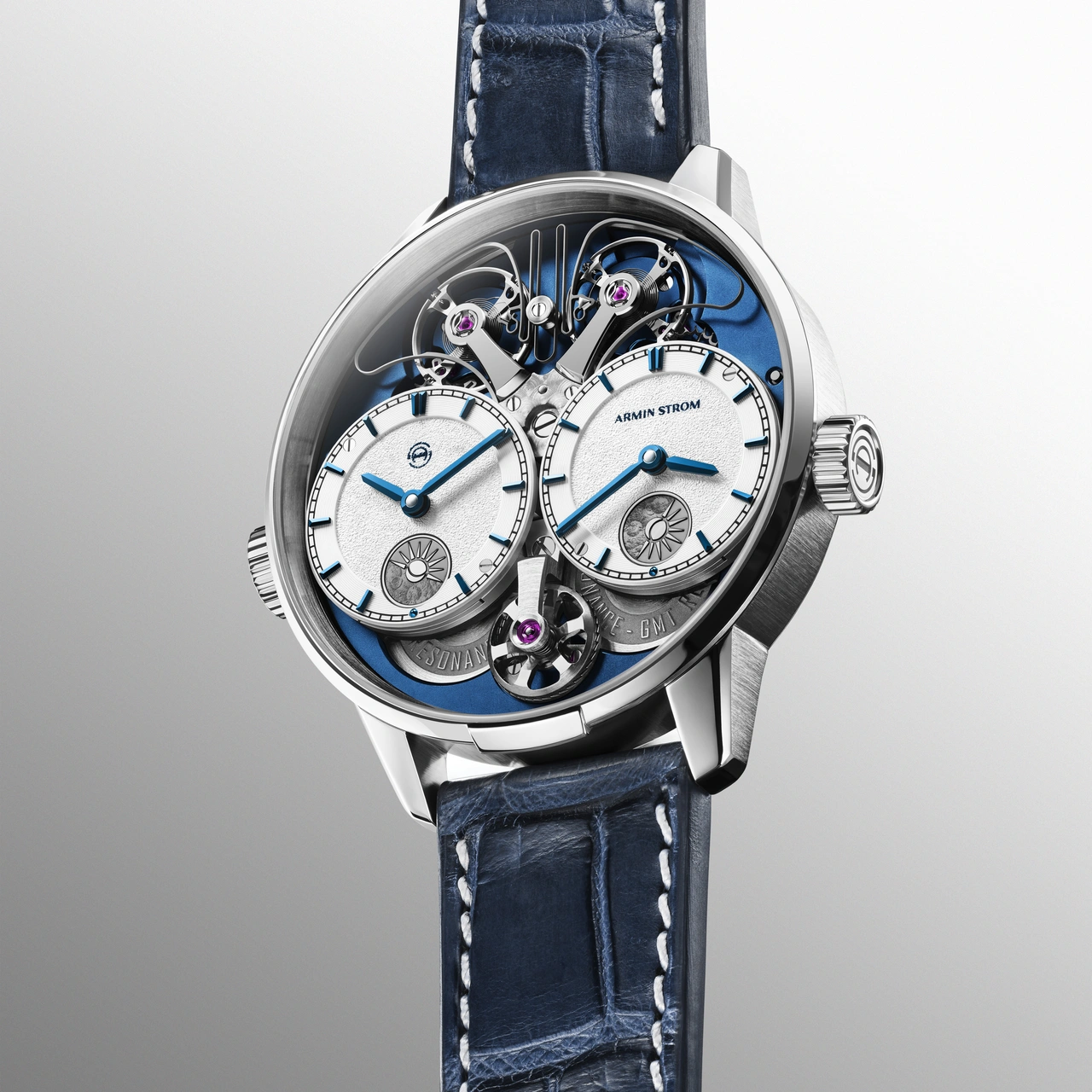
Armin Strom shows how personal independent watchmaking can also be thoroughly modern. Its manufacture in Biel/Bienne was established in its present form in 2009 under Serge Michel and master watchmaker Claude Greisler, with a strong focus on developing movements in-house and making the mechanics visually central to the design. The result is a very different character from Dornblüth or Moritz Grossmann: open architecture, technical experimentation and movement finishing are not hidden behind convention, but made part of the watch’s identity. That distinctness matters because collectors are not simply choosing between levels of quality, they are choosing between different ways of thinking about a mechanical watch.
This is where the relationship between maker, retailer and collector becomes important. Independent watches often require more explanation than a familiar logo does, not because they are obscure for the sake of it, but because their value is frequently contained in details that are easy to miss in a photograph. A specialist retailer therefore becomes less of a conduit for stock and more of an interpreter, able to explain why a movement was designed in a certain way, why a dial is finished by a slower method, or why a small workshop deliberately produces at its own pace. For Define Watches, representing independent German and Swiss makers has always made that conversation part of the job rather than an extra service around it.
The relationship works in the other direction as well. A retailer close to the brands can carry questions, preferences and practical feedback from collectors back towards the people building the watches. That does not mean every request becomes a special edition or every opinion changes a design, nor should it. What matters is that the chain remains short enough for communication to retain some meaning. In the best independent watchmaking relationships, the collector is not treated as a data point at the end of a distribution system, and the maker is not reduced to a logo at the beginning of one.
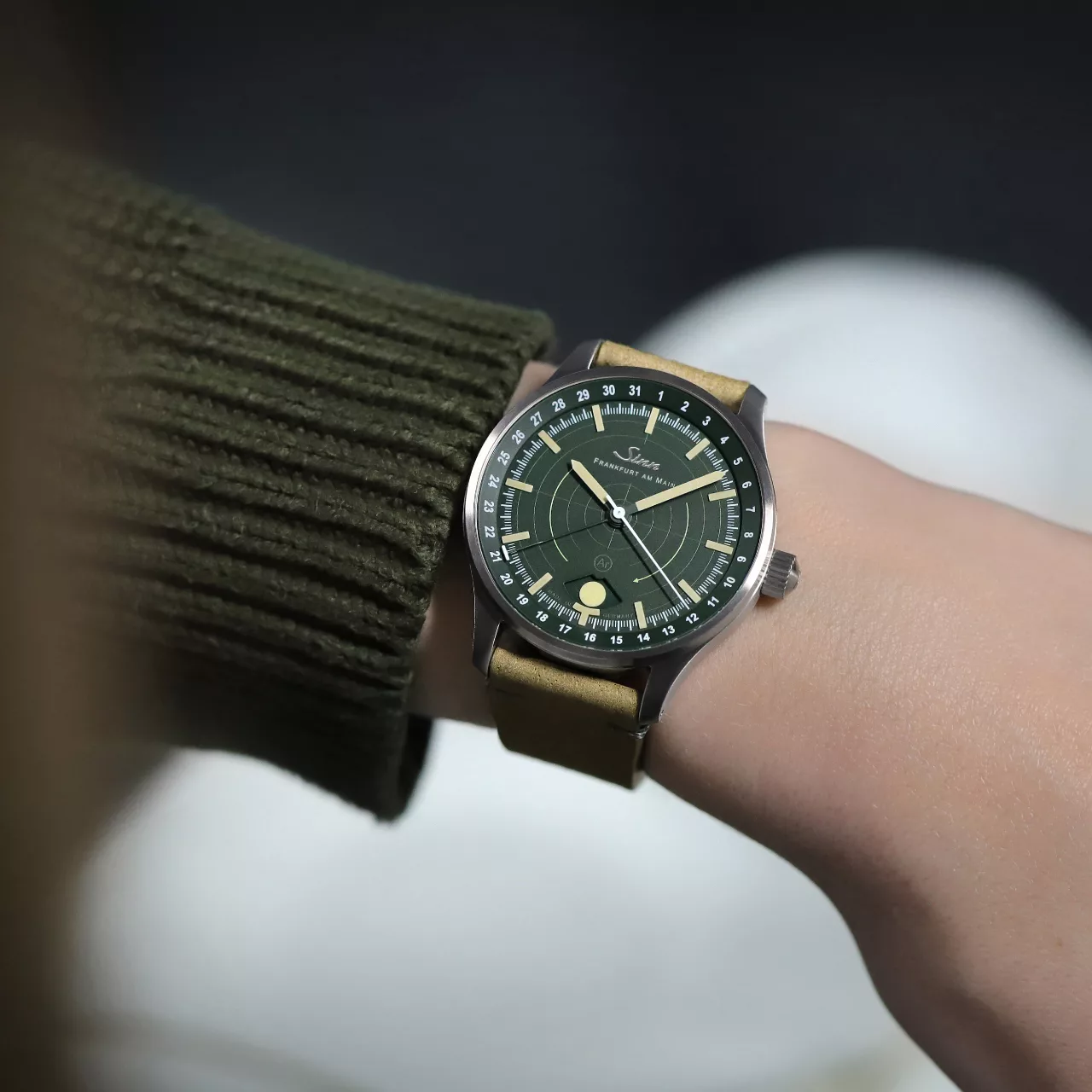
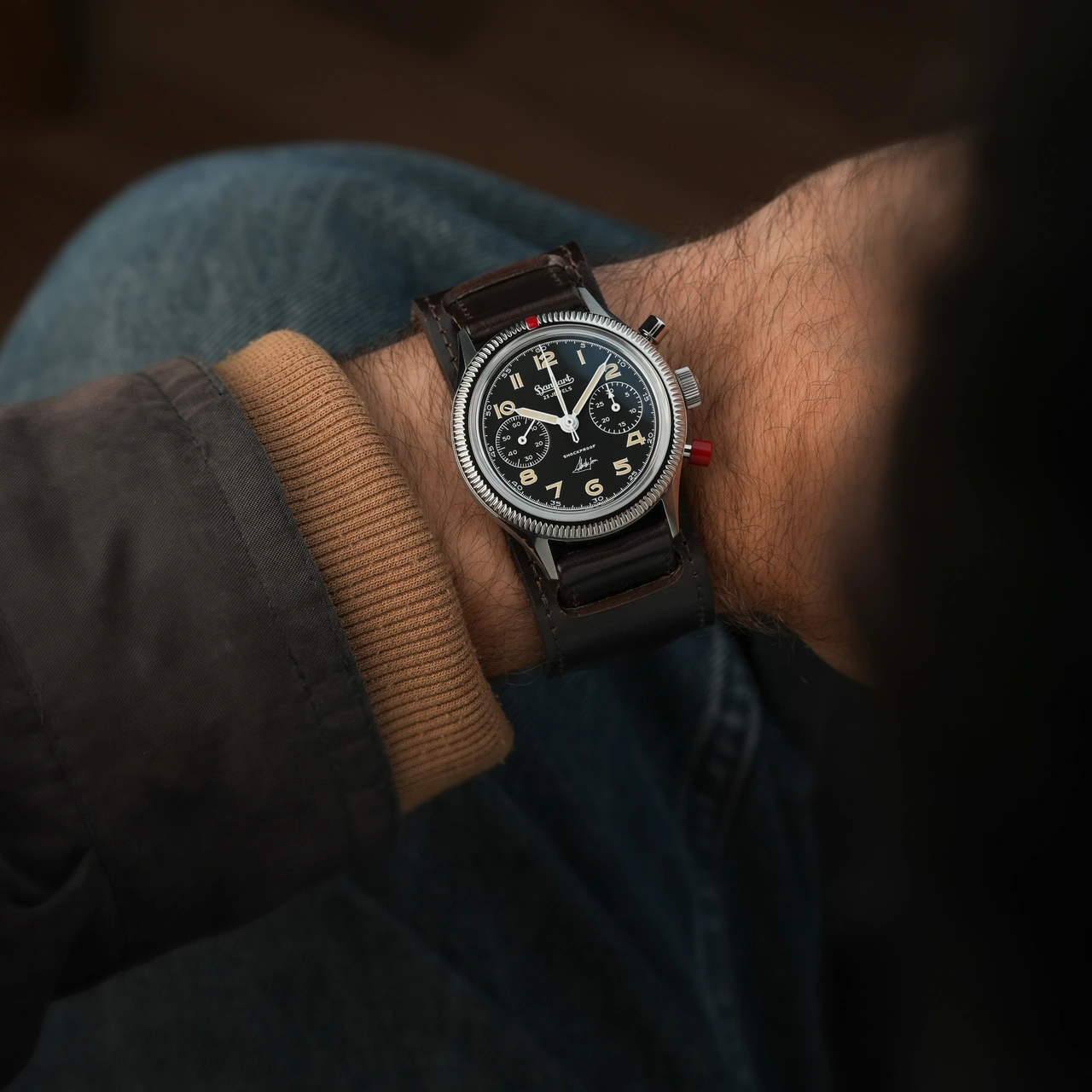
That human scale also changes the way collectors live with a watch after the initial purchase. Small variations in hand-finishing, a maker’s particular solution to a mechanical problem, or knowledge of the workshop behind a movement can become more meaningful with time than specifications that looked impressive on the first day. The watch gathers context because the owner understands where its character came from. This is especially noticeable across a range as varied as Sinn, Hanhart, HABRING², Armin Strom, Dornblüth & Sohn, Moritz Grossmann, Tutima and Erwin Sattler, where independence does not produce one shared aesthetic, but allows each maker to preserve a recognisable point of view.
Perhaps that is why independent watchmaking continues to resonate even as the broader industry becomes more polished, connected and commercially sophisticated. The attraction is not a rejection of larger manufacturers, nor is smallness automatically a guarantee of better watchmaking. It is the possibility of seeing people, priorities and convictions more clearly in the object itself. When the maker, the retailer and the collector remain close enough for those things to be understood, a mechanical watch becomes more than a well-made possession, it becomes part of a conversation that can last for years.