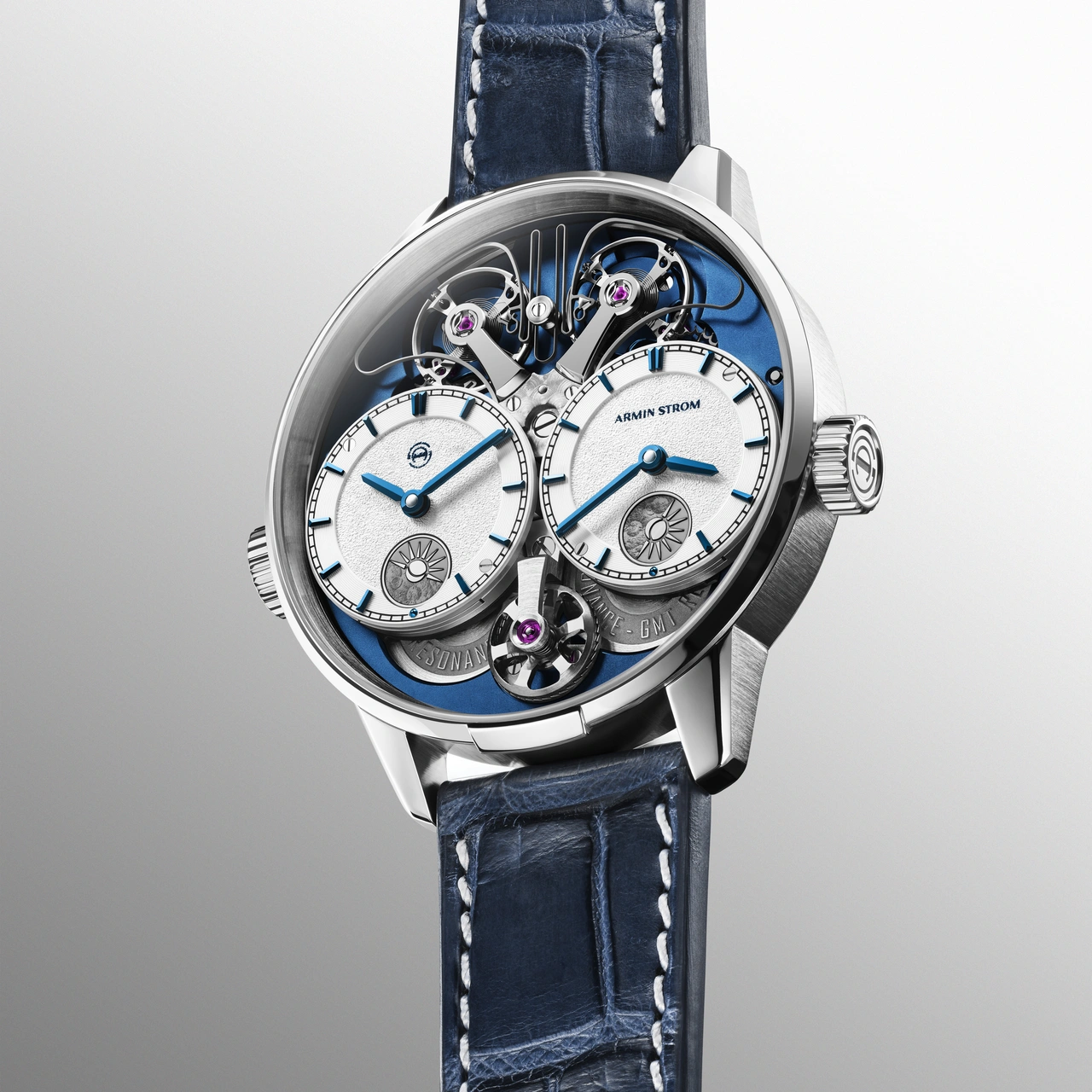
German watch design has a particular kind of restraint. It rarely tries to draw attention through ornament alone, nor does it rely on unnecessary drama to make its presence felt. Instead, the best German watches tend to reveal their character through use. Their dials are clear because they need to be read quickly. Their cases are proportioned because they need to sit well on the wrist. Their details are considered because every decision has a role to play.
This purpose-led approach is one of the reasons German watches have such a loyal following among collectors who value substance over spectacle. Whether looking at the instrument clarity of Sinn, the technical toughness of Damasko, the navigational heritage of Mühle-Glashütte, or the refined watchmaking traditions of Glashütte brands such as Moritz Grossmann and Tutima, there is often a common thread. Form is not ignored, but it is rarely treated as separate from function. The beauty comes from the logic.
Much of this mindset can be understood through the wider history of German industrial design. Germany has long had a reputation for engineering culture, where objects are expected to perform reliably, withstand use, and communicate their purpose clearly. This can be seen in tools, cameras, cars, writing instruments, and architectural fittings, as much as in watches. The object is designed around what it must do, then refined until the result feels balanced, efficient, and lasting.
The influence of Bauhaus design is often mentioned in this context, and for good reason. Founded in 1919, the Bauhaus school brought together art, craft, architecture, and industrial production under a shared belief that design should serve modern life. Its legacy is not simply a visual style of clean lines and minimal decoration. More importantly, it encouraged designers to think about usefulness, proportion, materials, and clarity as inseparable parts of a finished object. In watchmaking, this way of thinking remains especially relevant.
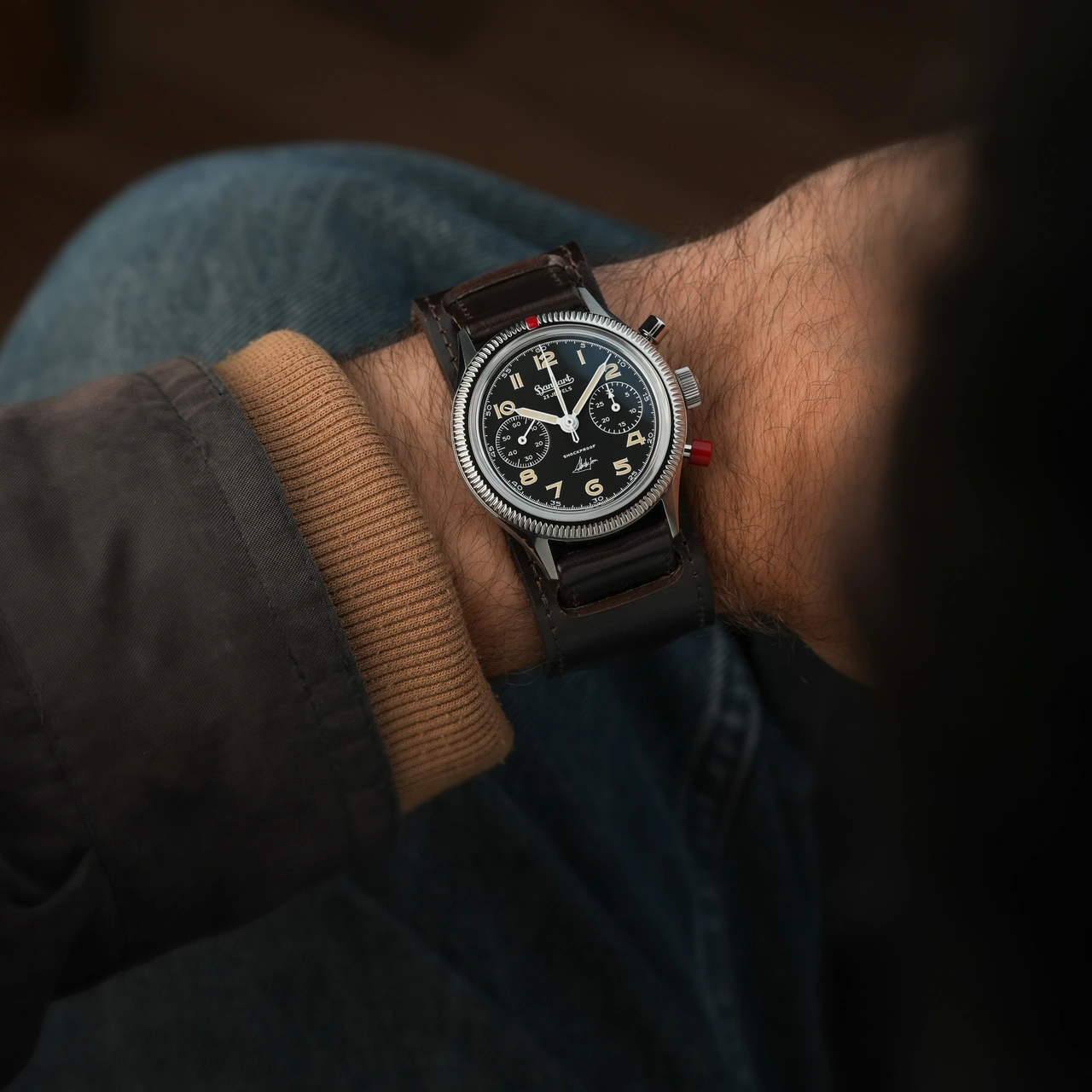
A watch is, at its heart, a functional object. It tells the time, sometimes measures elapsed intervals, sometimes tracks a second time zone, sometimes withstands pressure, magnetism, shock, or extreme environments. German watchmakers often begin with these requirements, then build the visual language around them. A pilot’s chronograph needs contrast, scale, and legibility. A dive watch needs orientation, grip, and reliability under pressure. A dress watch needs restraint, comfort, and quiet precision rather than visual excess.
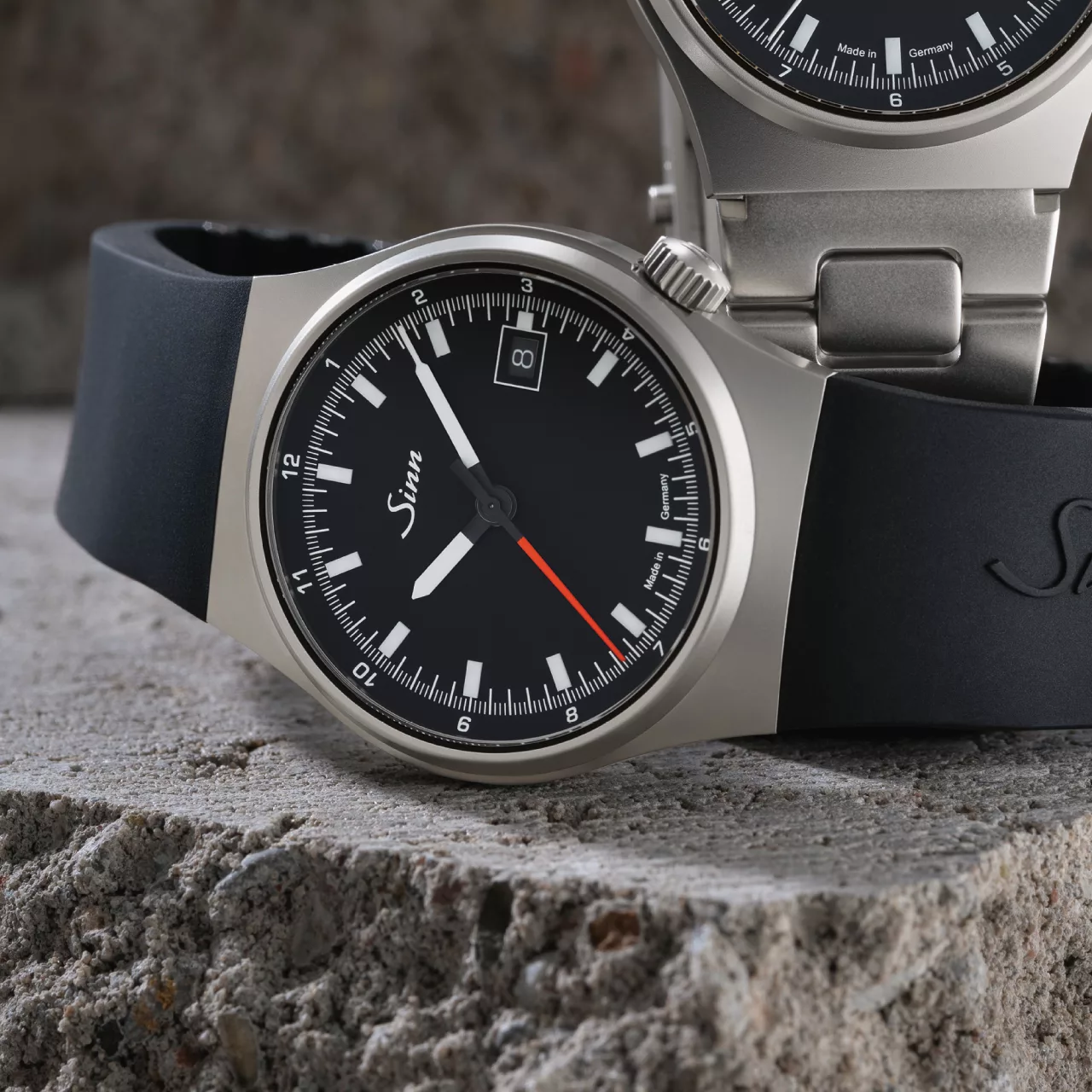
This is why many German watches feel so visually coherent. The typography, hand shape, case finish, crown size, bezel grip, lume placement, and movement architecture are not isolated decorative choices. They are part of one design system. On an instrument watch, a matte dial reduces reflection. Strong minute tracks improve reading accuracy. Broad hands support quick recognition. A hardened case surface is not a feature added for a brochure, it is a practical response to daily wear.
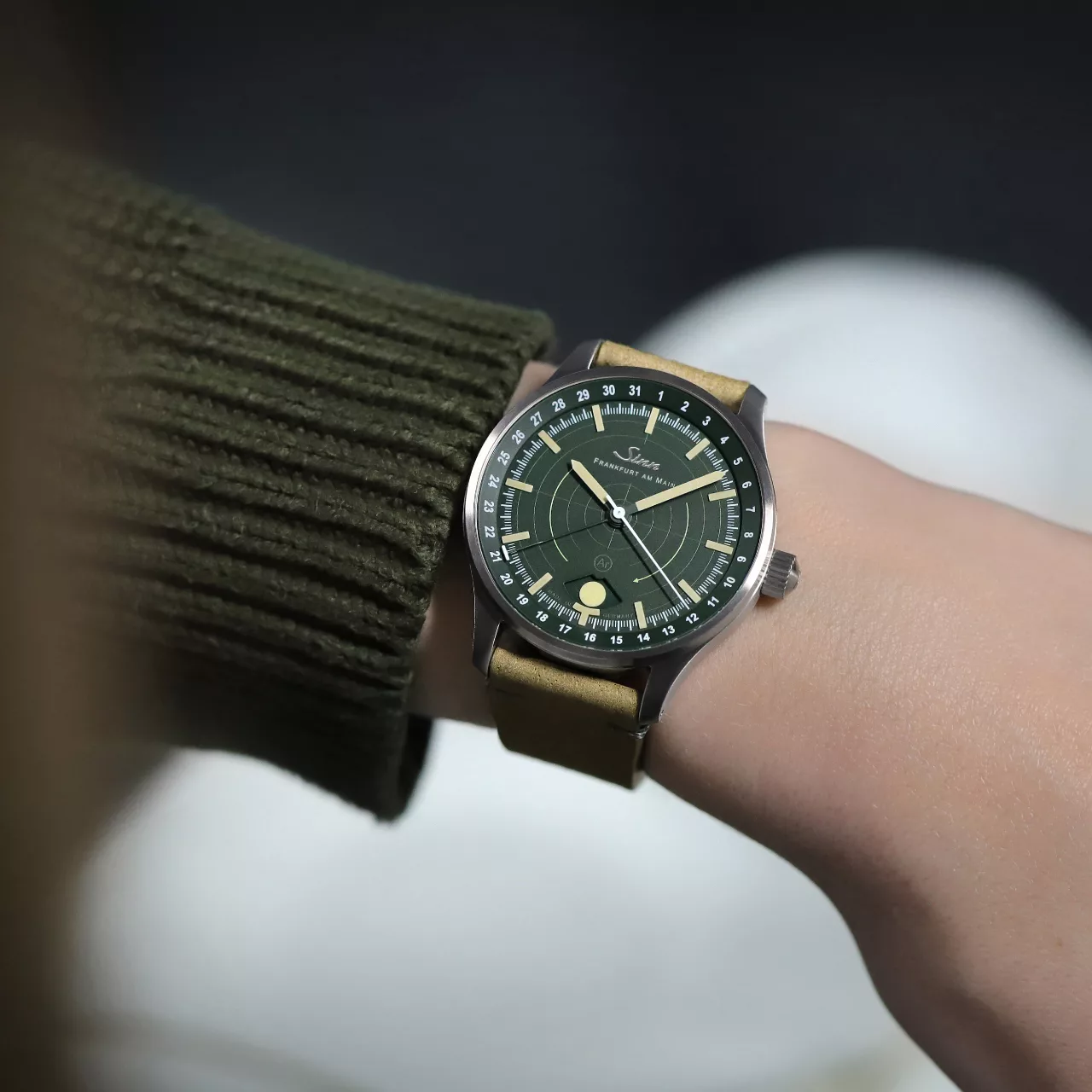
Sinn is one of the clearest examples of this function-first philosophy. The brand’s background in navigation clocks and aviation instruments has shaped a catalogue where technical purpose is central. Technologies such as Tegiment surface hardening, Ar-Dehumidifying Technology, magnetic field protection, and mission timer layouts all come from a desire to make watches more dependable in demanding conditions. The result is not decorative minimalism for its own sake. It is practical design, refined through engineering.
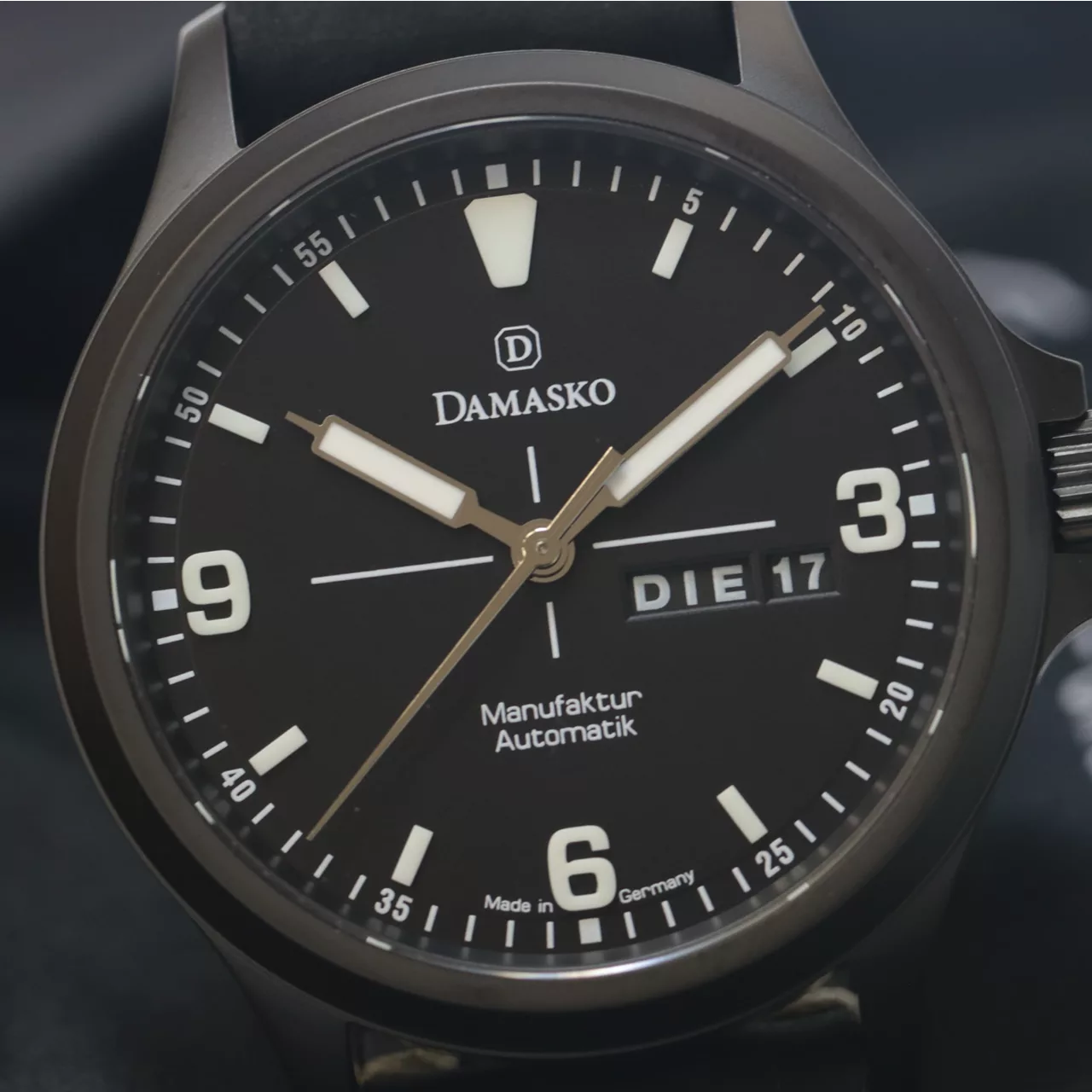
Damasko approaches the same idea with its own uncompromising character. Its ice-hardened stainless steel cases, hardened bezels, protected crowns, and robust movement technologies are designed for people who expect a mechanical watch to endure real use. The watches have a strong technical presence, yet that presence is not forced. It comes from the materials, the construction, and the functional clarity of the dial. Every part feels as though it has been selected for a reason.

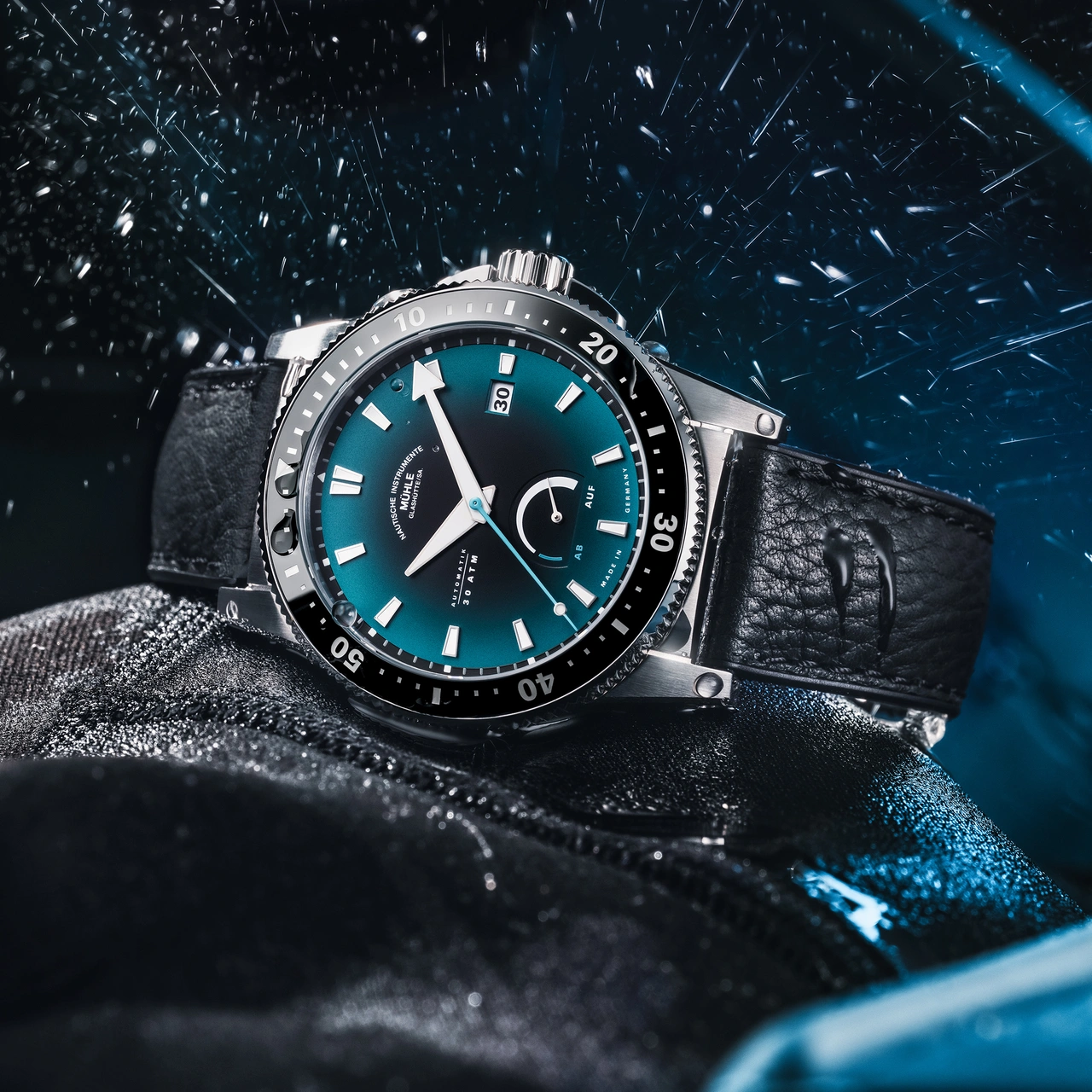
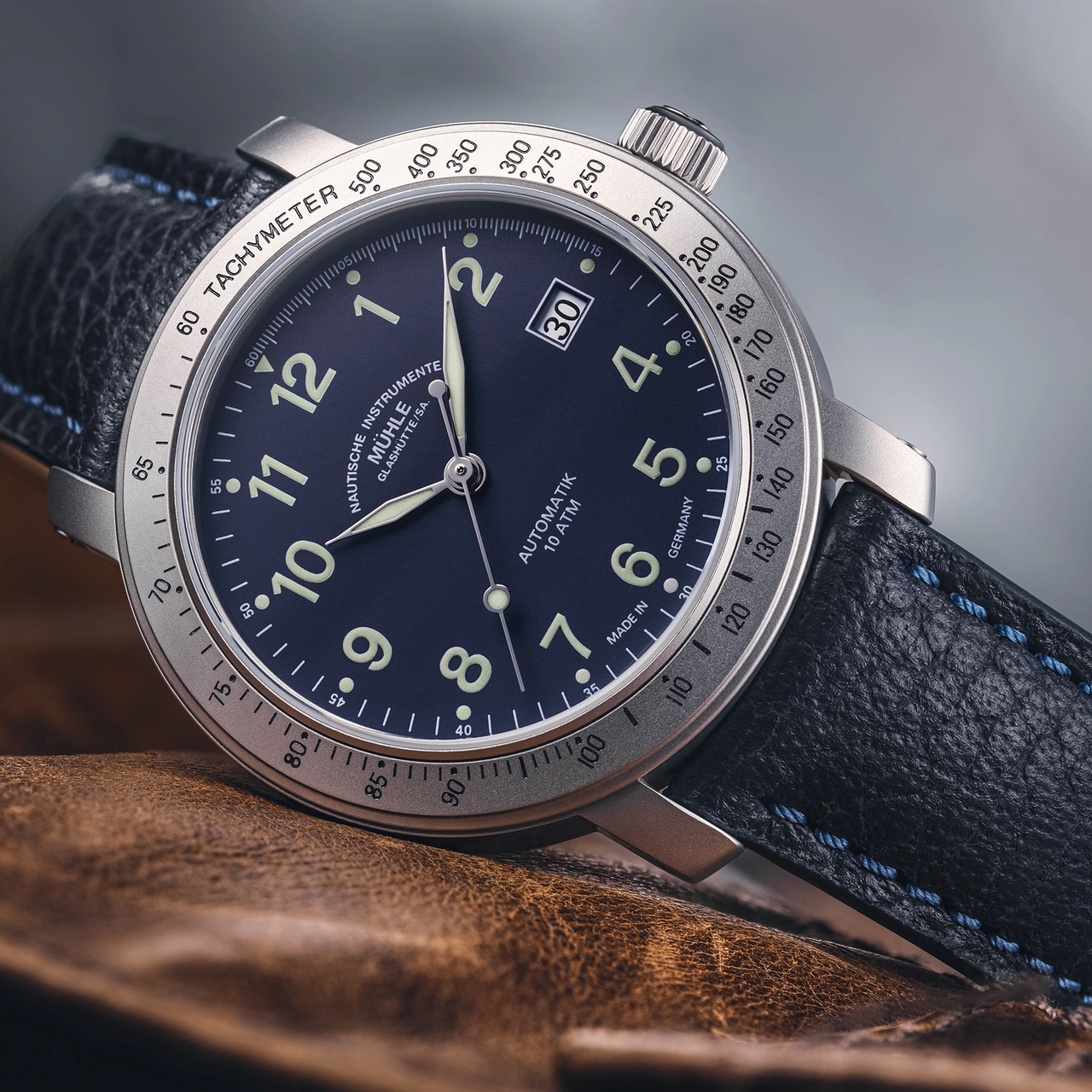
Mühle-Glashütte brings another expression of German purpose-led design. With roots connected to precision measurement instruments, the brand has a deep association with accuracy, legibility, and maritime reliability. Its woodpecker neck regulation is a good example of a technical detail that reflects this philosophy. It is not visible from across the room, yet it shows how even movement regulation can be approached with robustness and practical serviceability in mind. The design language follows the same line of thought, steady, clear, and quietly assured.

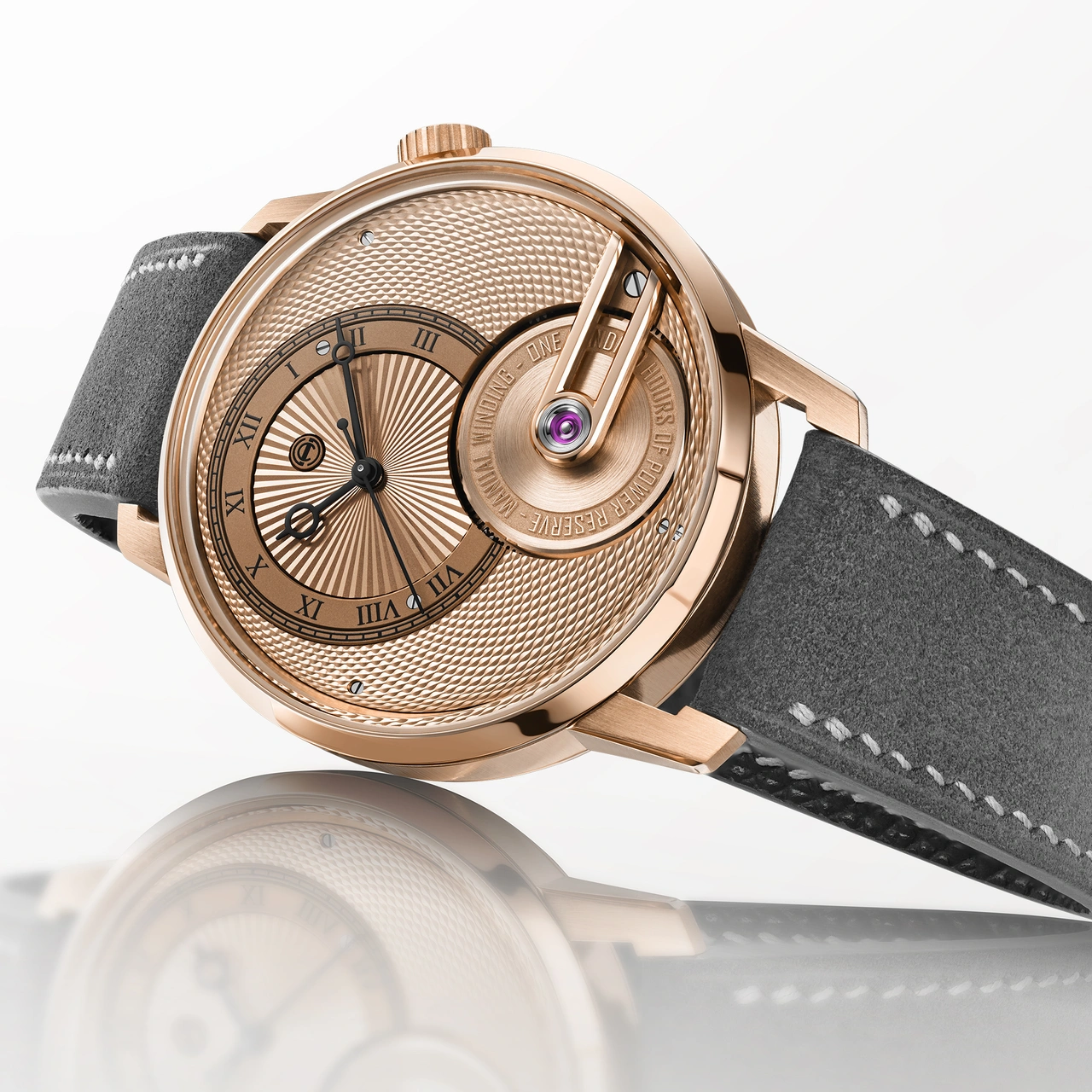
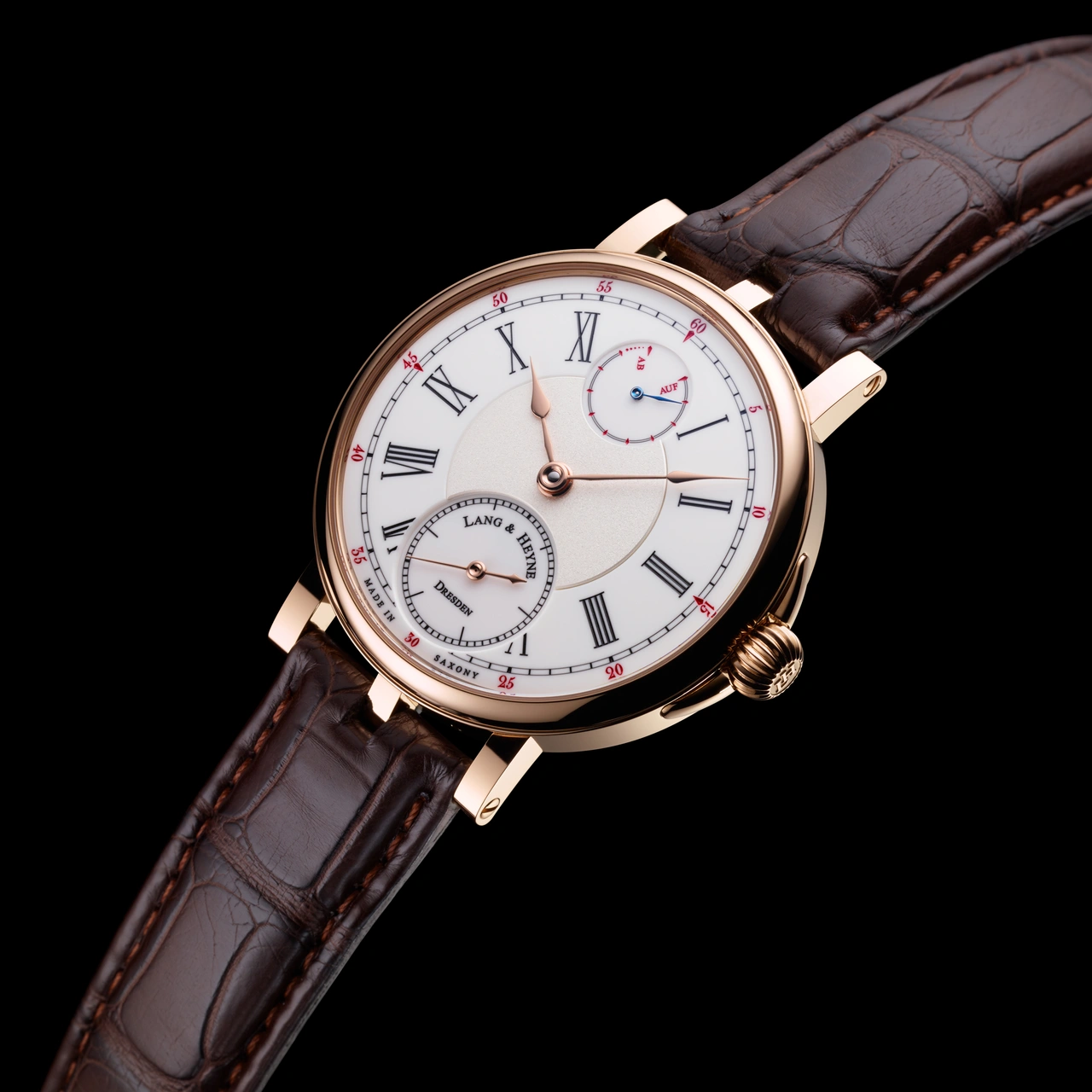
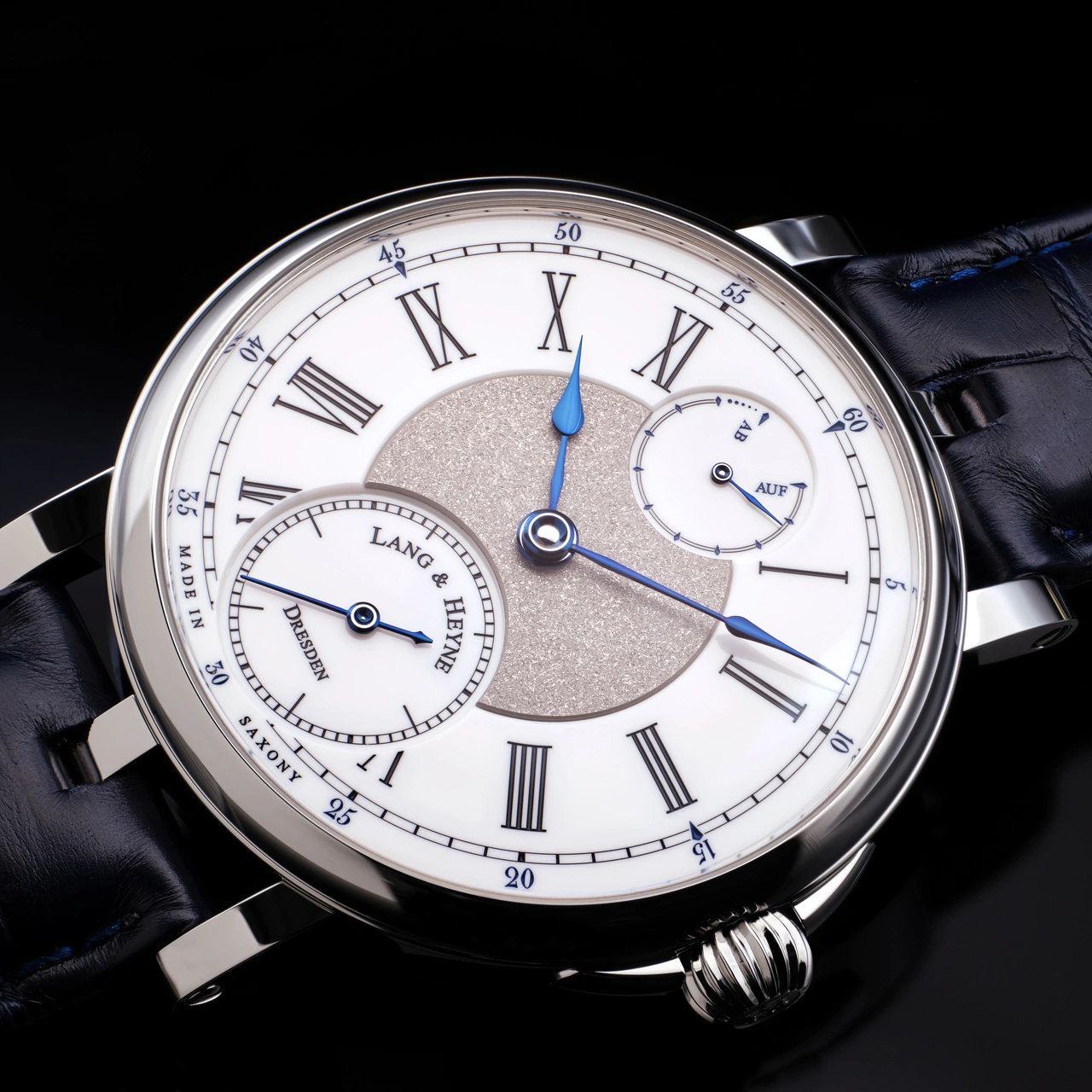
There is also a more classical side to German functionalism. In the work of houses such as Moritz Grossmann, Tutima, and Dornblüth & Sohn, purpose is expressed through refinement rather than ruggedness. A manually wound movement may be finished by hand not only to demonstrate craft, but to honour the mechanical architecture beneath the dial. A slender case may be shaped for elegance, but also for comfort and proportion. A dial may be sparse, yet carefully balanced so that reading the time feels effortless.
This is where German design becomes particularly interesting. It is sometimes described as cold or purely rational, but the best examples are far from that. There is warmth in well-made restraint. There is pleasure in a crown that turns precisely, a chronograph pusher with the right resistance, a dial that remains readable in changing light, or a case that feels secure without being heavy. Function may be the starting point, but the human experience of using the watch is still at the centre.
For collectors, this approach can be deeply satisfying because it rewards close attention over time. A German watch may not always announce itself immediately, but it often becomes more impressive the longer it is worn. The clarity of the dial, the consistency of the finishing, the durability of the case, and the honesty of the design all begin to matter in daily life. These are not qualities that depend on trend or novelty. They are qualities that come from discipline.

At Define Watches, this is one of the reasons German watchmaking has always held such a significant place. The appeal is not limited to one brand, one region, or one design language. It is found in a broader philosophy, where craftsmanship, engineering, and visual restraint work together. Whether a watch is built for pilots, divers, travellers, collectors, or those who simply appreciate mechanical clarity, the same principle often remains. The form earns its place by serving the function.
That is the quiet strength of German watch design. It does not need to separate beauty from purpose because, at its best, the purpose is what creates the beauty. The bevel on a case, the contrast on a dial, the resistance of a bezel, the architecture of a movement, each detail is shaped by intent. In a watch culture often drawn to noise and novelty, this kind of design feels refreshingly grounded. It reminds us that a truly well-made object does not have to explain itself loudly. It simply works, and keeps working with grace.