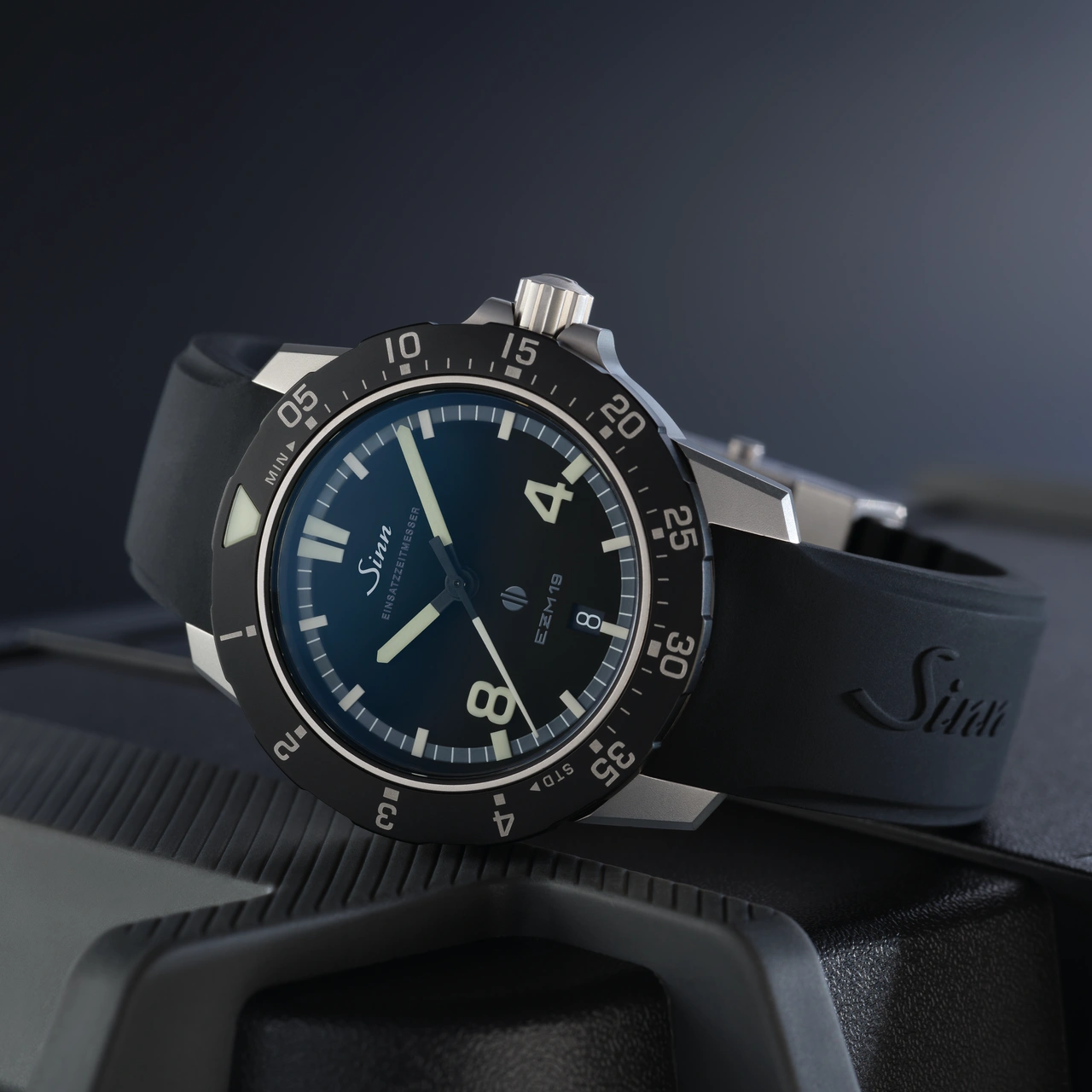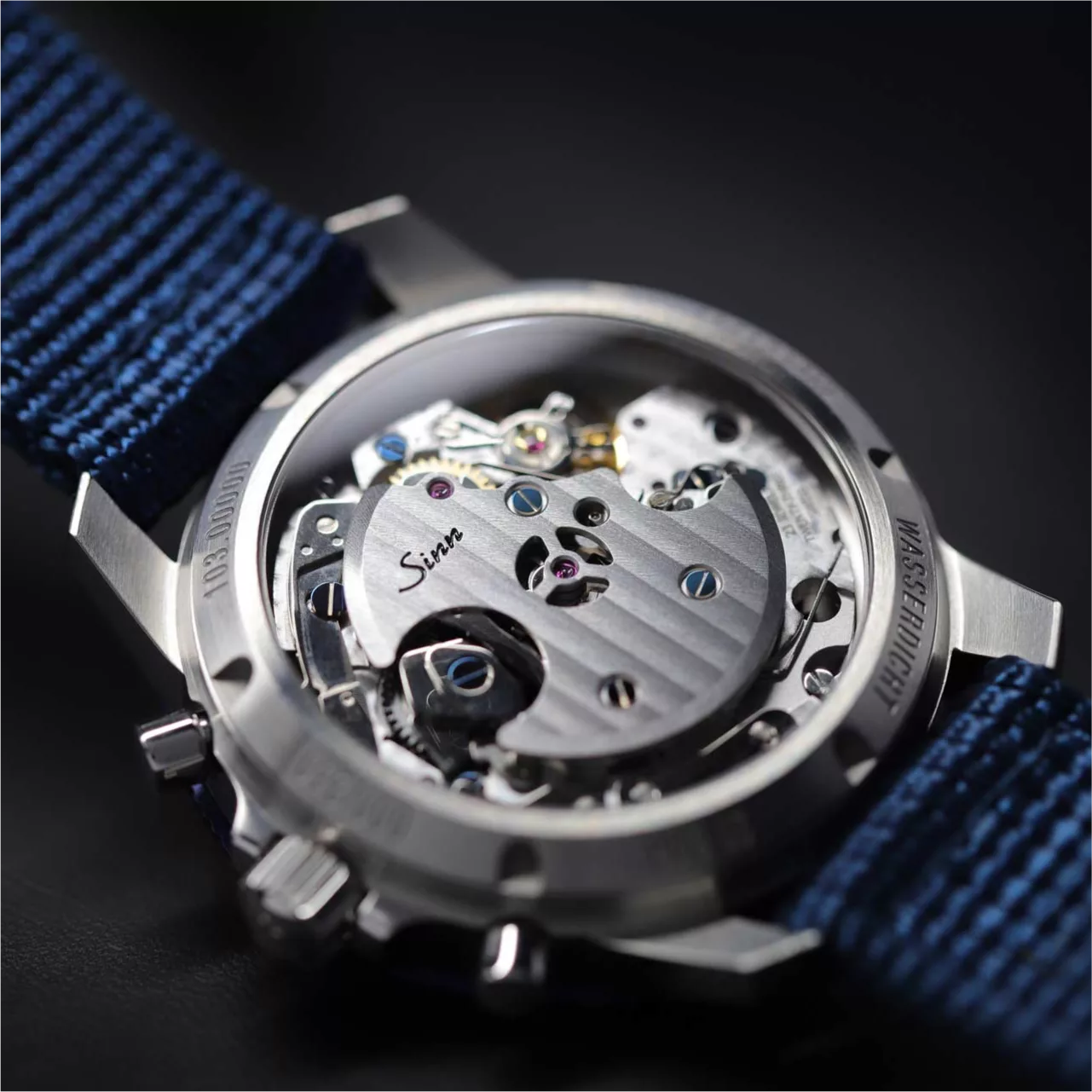
An everyday watch has a deceptively difficult job. It needs to be comfortable enough to wear from morning to night, durable enough to cope with work, travel and weekends, and versatile enough not to feel out of place when the setting becomes more formal. None of those qualities is especially dramatic on its own, but together they define a watch that earns regular wrist time rather than occasional admiration. For many collectors, that quiet usefulness becomes more valuable with time, especially once a watch begins to accumulate the small marks and memories of ordinary use.
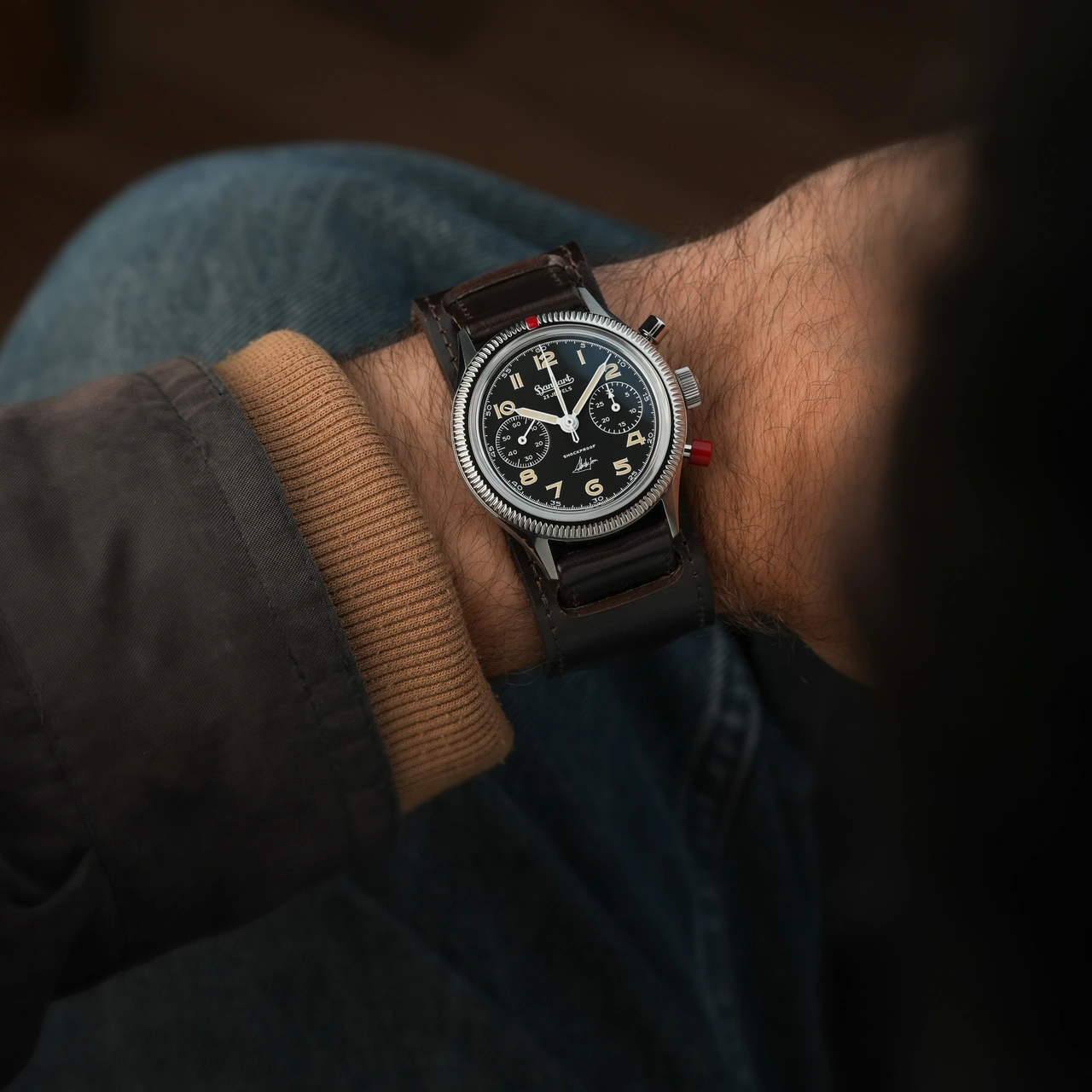
The idea of a robust everyday watch has roots in the practical watches developed for pilots, engineers, military personnel, divers and other professionals. Those watches were designed around clear priorities: easy reading, dependable construction, secure attachment and a case suited to the environment in which it would be used. Modern everyday watches rarely need to meet the same occupational demands, yet the principles remain relevant. The best examples borrow the logic of a tool watch without necessarily looking overtly technical, allowing function to guide the design rather than dominate it.
Case size is one of the first considerations because wearability involves far more than a diameter measurement. Lug-to-lug length, case thickness, bezel width, crown position and even the way the case back sits against the wrist can change how a watch feels. A 40 mm watch with compact lugs can wear smaller than a 38 mm watch with a long, flat case profile. For an everyday piece, balanced proportions usually matter more than chasing a particular number on the specification sheet, particularly when the same watch may be worn for twelve hours or more.
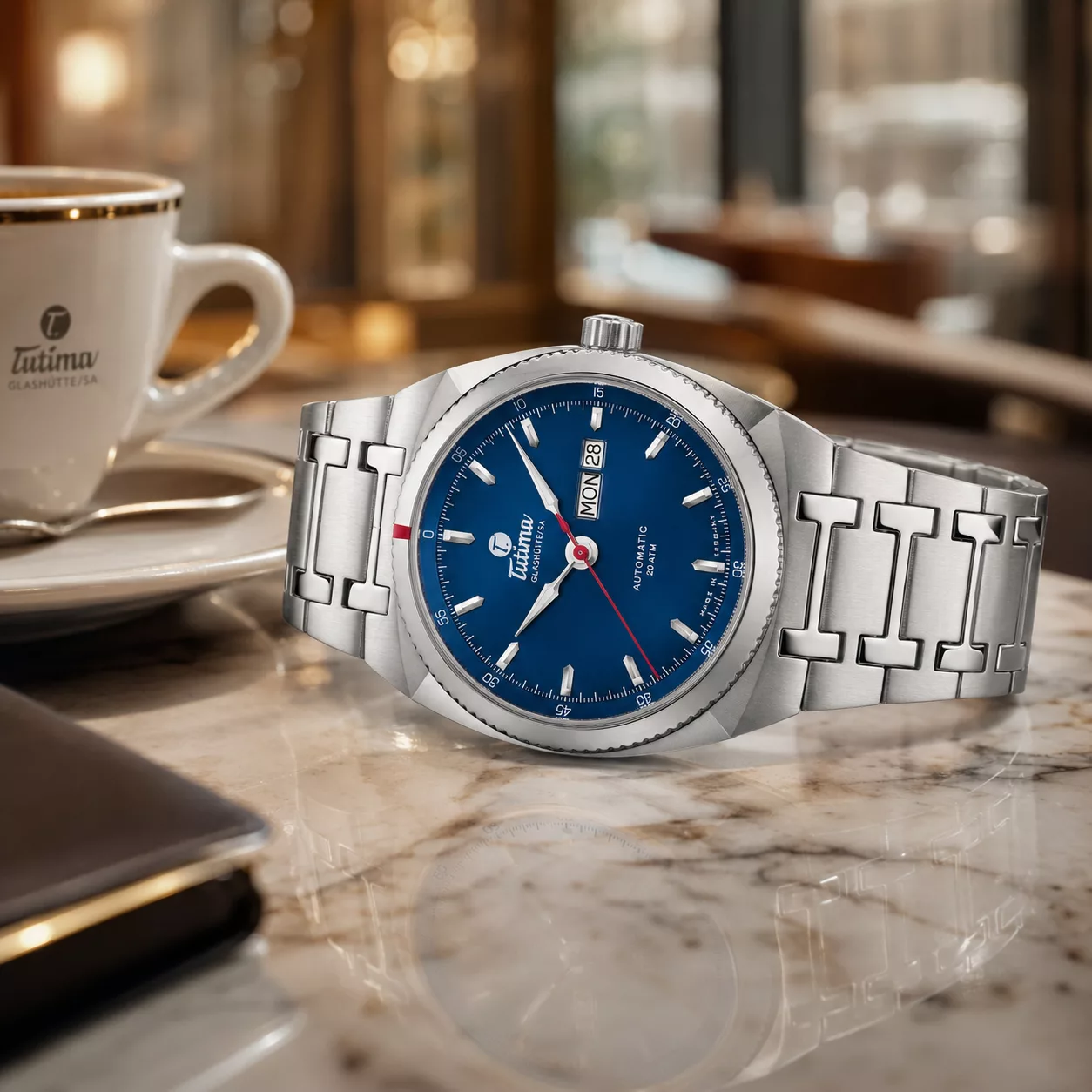
Thickness is particularly important because an everyday watch often needs to move between different kinds of clothing. A case that slips comfortably under a shirt cuff has an advantage during the working week, while enough substance and structural strength are still desirable for more active use. This is where careful case engineering becomes visible in a subtle way. Makers such as Sinn and Damasko have long shown how practical construction can be integrated into watches that remain restrained and wearable rather than unnecessarily bulky, with case technology serving the watch instead of becoming the entire point of it.
Case material and finishing also affect how a watch performs over years of regular wear. Stainless steel remains popular because it is durable, repairable and familiar to service centres, while hardened steels and surface treatments can improve resistance to scratches and daily knocks. Brushed or bead-blasted finishes often disguise wear more gracefully than broad polished surfaces, although a carefully polished bezel or case flank can add enough refinement to prevent a tool watch from feeling too utilitarian. The most convincing everyday cases tend to balance resilience with finishes that still reward close inspection.
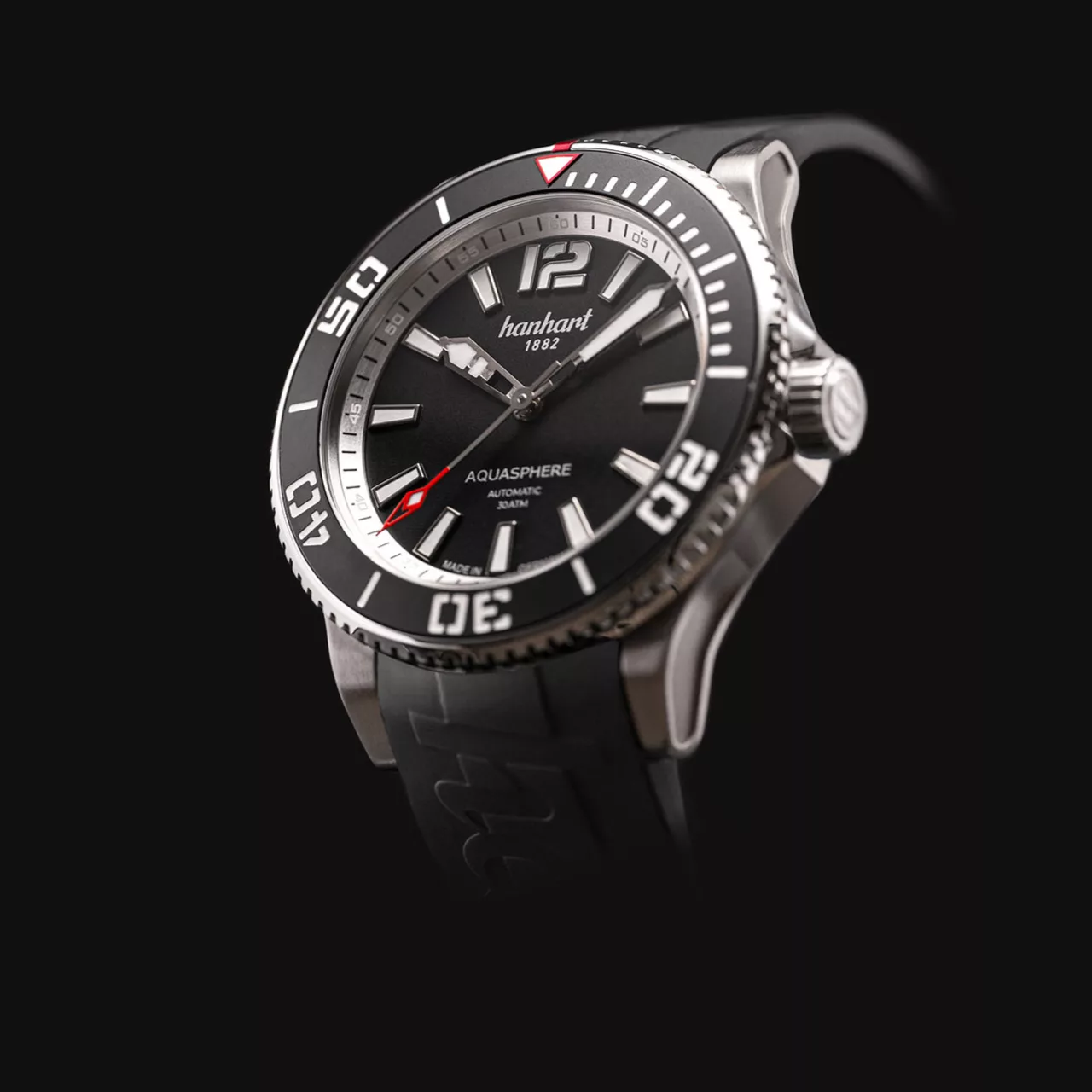
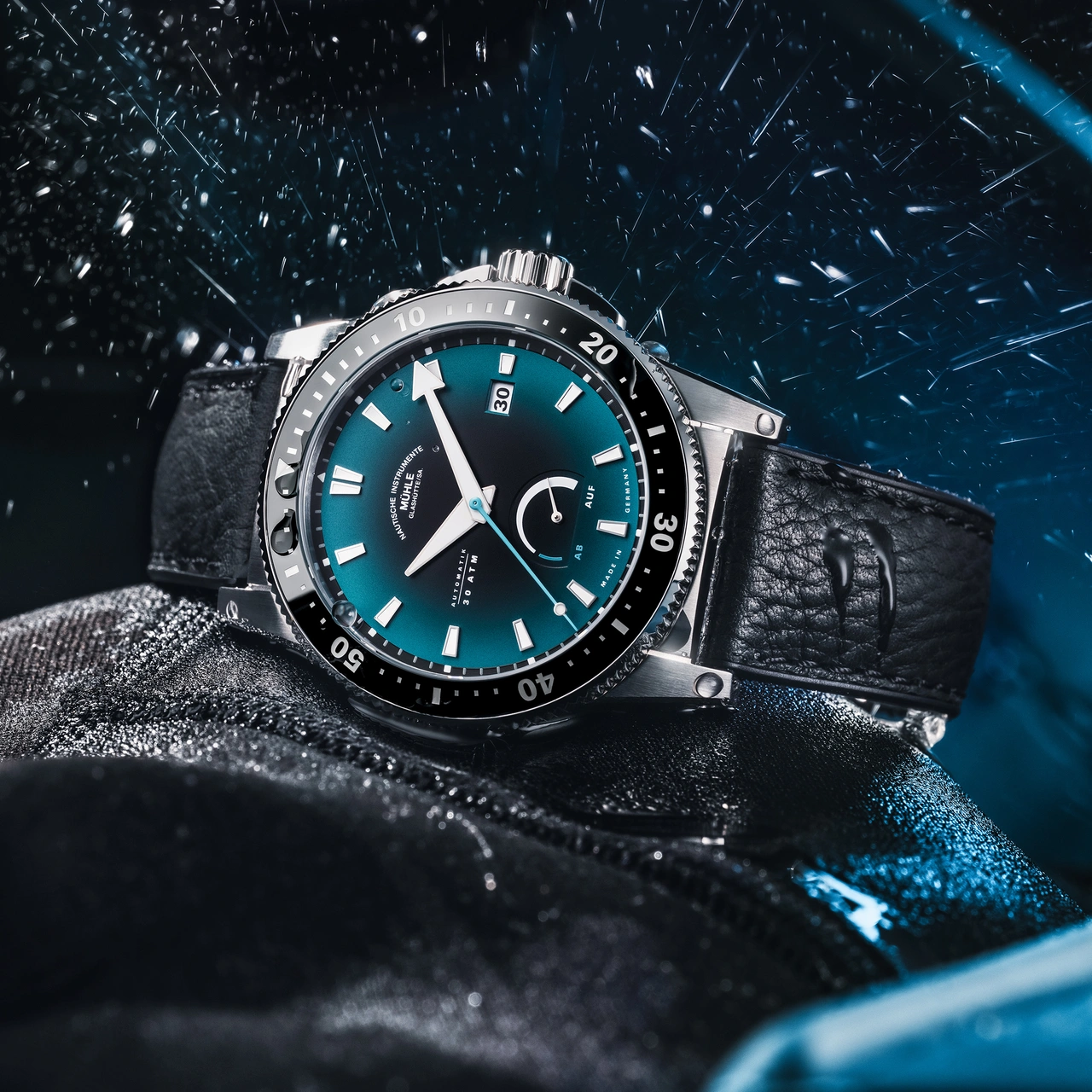
Water resistance is another specification that deserves practical interpretation. For a watch worn frequently, resistance to rain, washing hands, humidity and accidental splashes is more useful than an impressive depth rating that adds unwanted size or complexity. Collectors who plan to swim or spend significant time around water should choose a watch whose rating and manufacturer guidance clearly support that use, rather than assuming every sealed case is suitable. A screw-down crown can add reassurance in some designs, although sound case construction, pressure-tested seals and sensible maintenance are just as important over the long term.
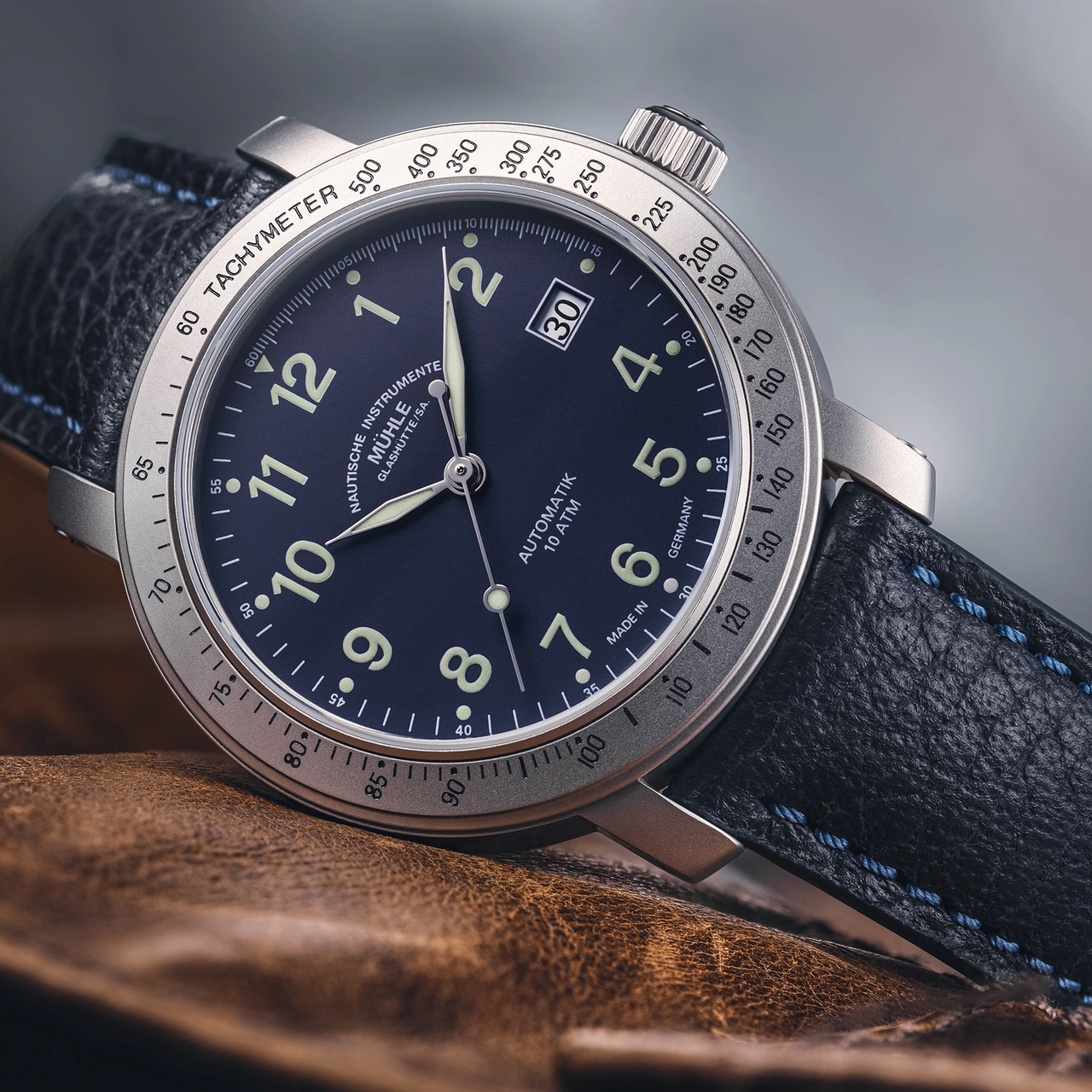
Legibility may be the most underrated everyday quality of all. A watch can have beautifully executed finishing, but if the hands disappear against the dial in changing light, it becomes less useful in the situations where it is worn most often. Strong contrast, clear hand shapes, sensible minute tracks and appropriately applied luminous material can make an enormous difference. This is one reason German tool-watch makers have remained so influential, with brands such as Sinn, Damasko, Mühle-Glashütte and Tutima placing function at the centre of their visual language while still finding room for individual character.
Strap choice can transform the same watch from highly practical to surprisingly formal. A steel bracelet offers durability, resistance to moisture and easy day-to-day maintenance, while rubber is well suited to heat, water and more active wear. Leather brings warmth and refinement, though it generally requires more care in humid conditions and is less forgiving around water. A watch with conventional lugs and sensible proportions gives its owner the freedom to change straps as circumstances change, which can greatly extend its usefulness without changing the watch itself.
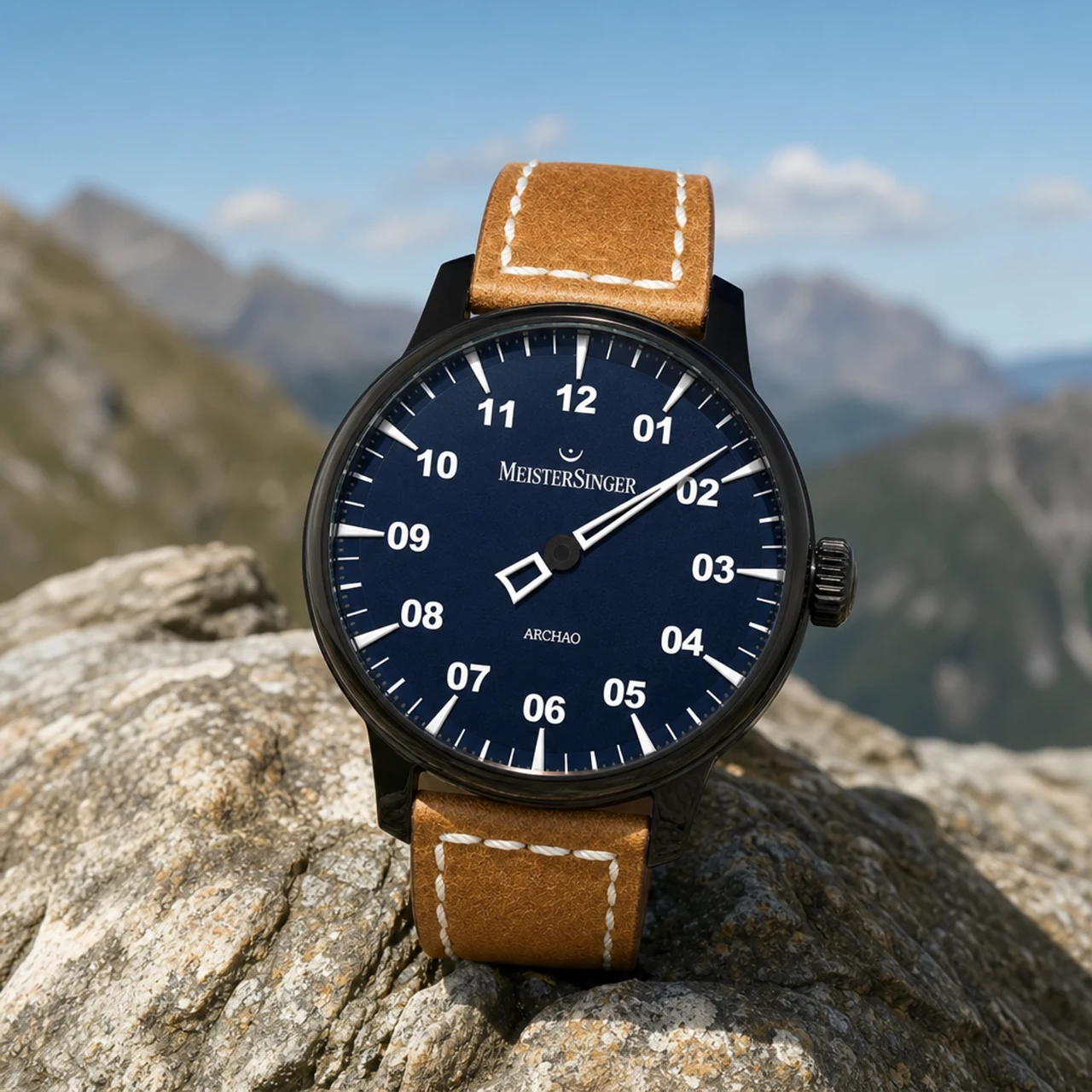
Serviceability is less visible than case finishing or dial design, but it becomes increasingly important once a watch has been owned for years. Mechanical watches are machines and they require periodic attention, including cleaning, lubrication, regulation and replacement of components that wear over time. For an everyday watch, there is real value in a movement that can be competently serviced and in a manufacturer that supports its watches with parts, technical knowledge and clear after-sales processes. Independent watchmaking is often discussed in terms of individuality and craftsmanship, but long-term support is an equally meaningful part of the relationship between maker, retailer and owner.
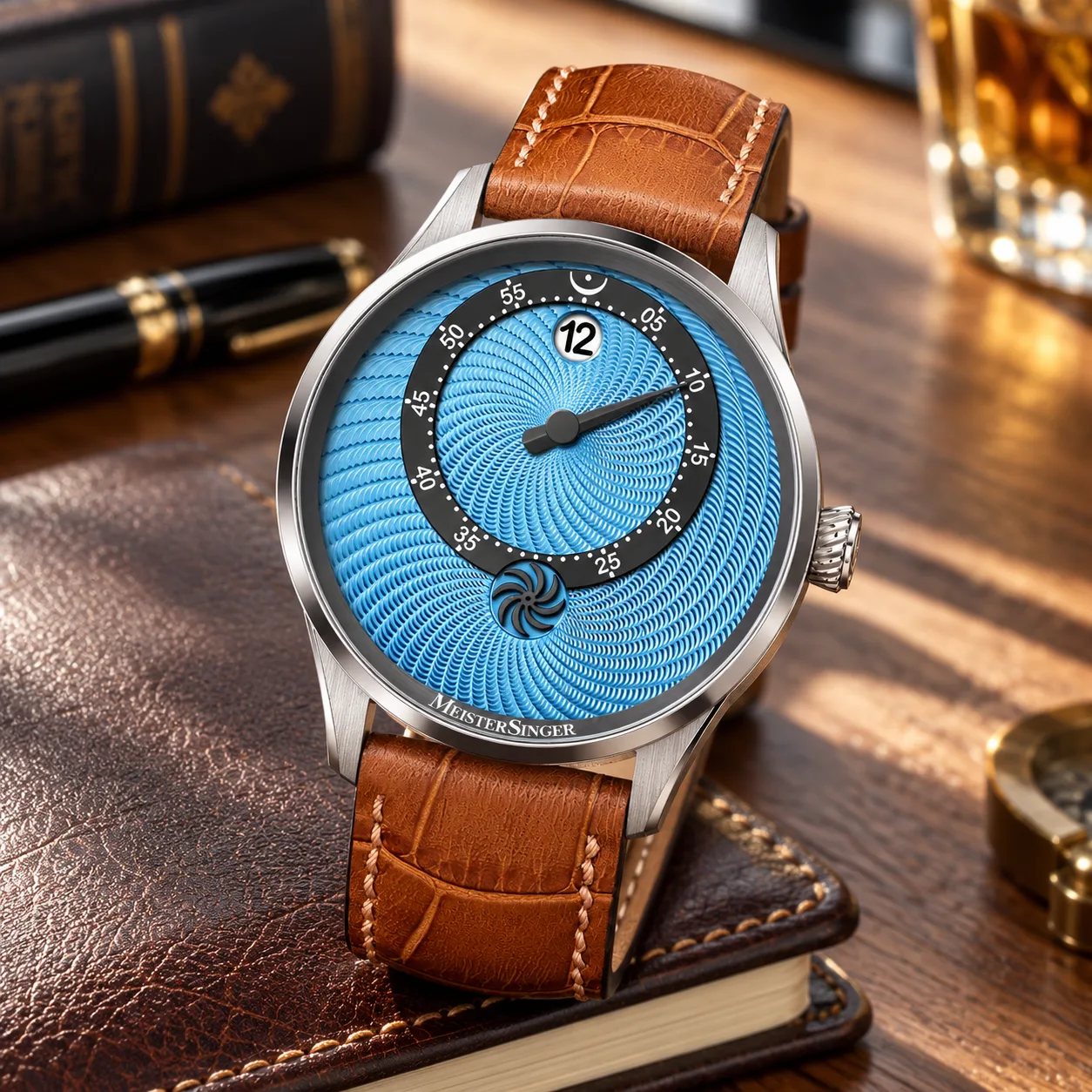
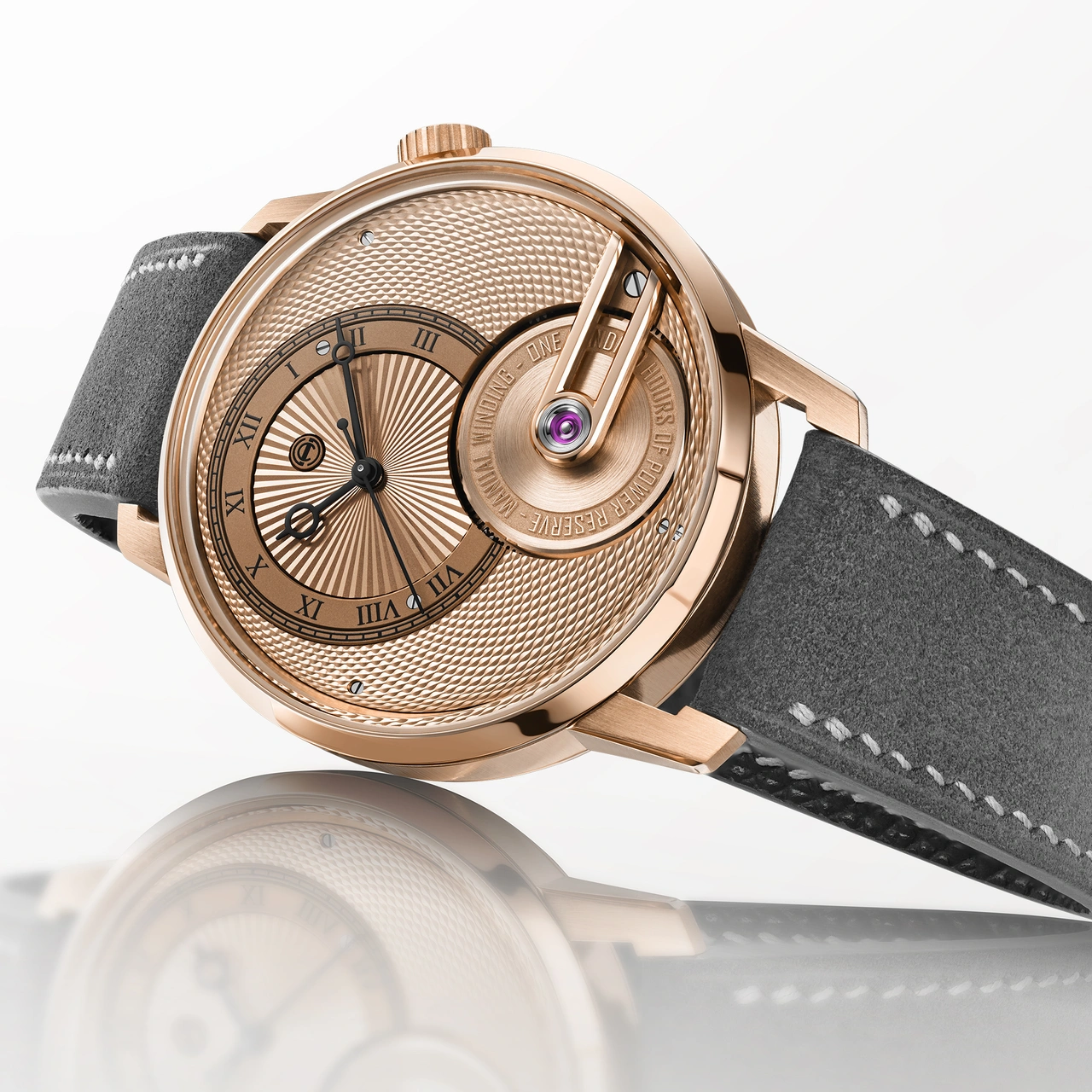
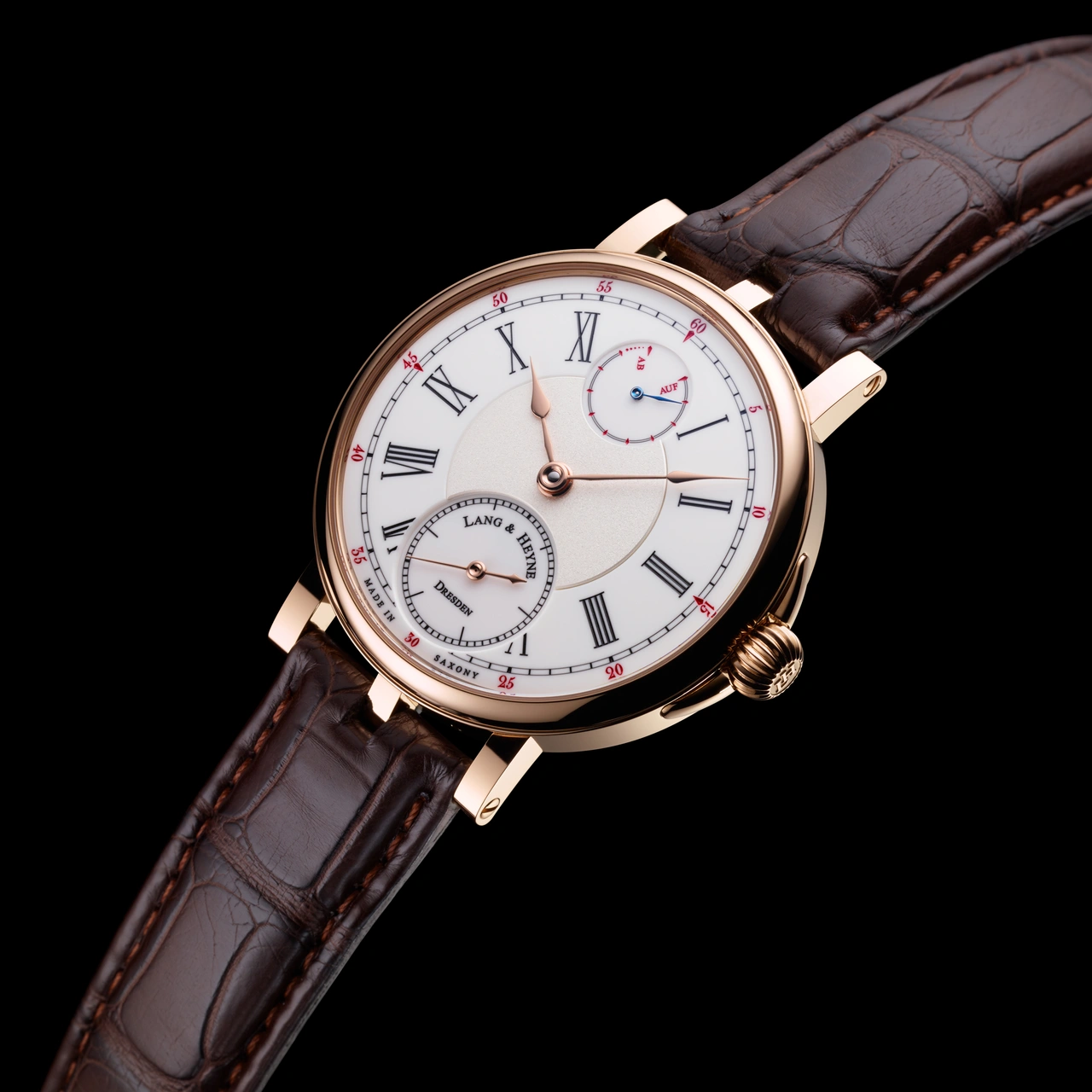
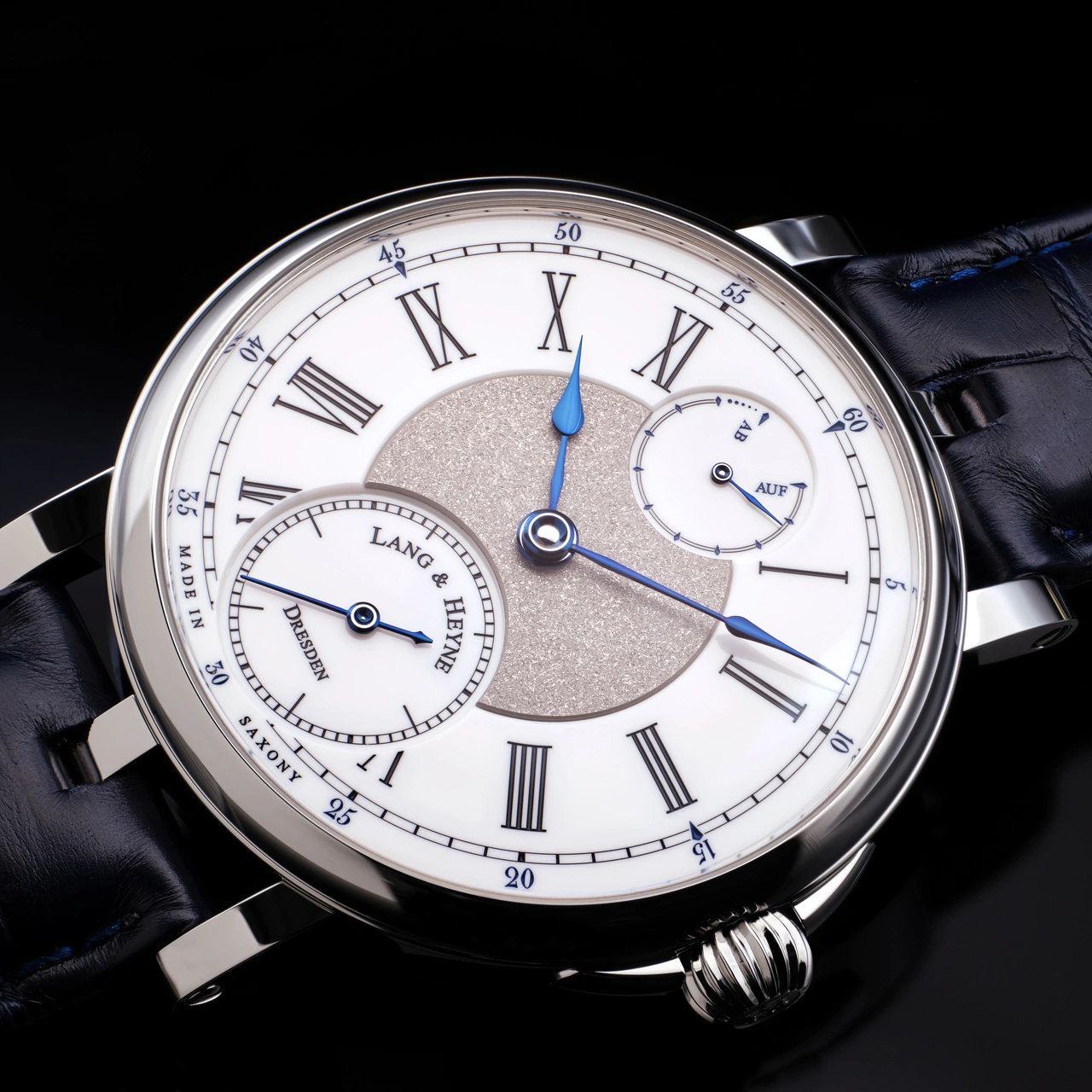
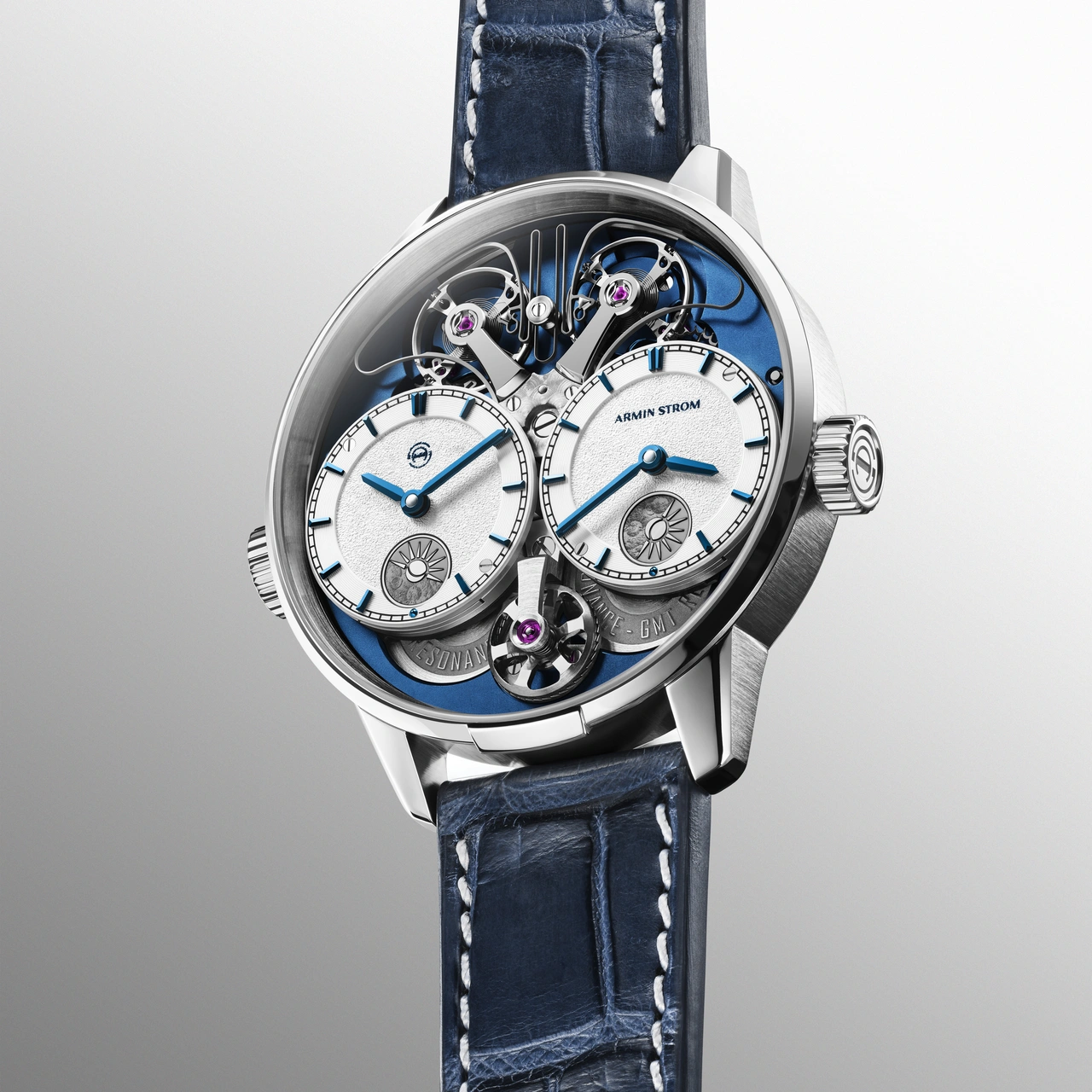
Understated design is what allows all of these practical qualities to work across different settings. A watch does not need to be visually anonymous, but an everyday piece benefits from avoiding elements that lock it too firmly into one role. Clear dials, controlled use of colour, purposeful finishing and well-proportioned cases tend to age better than styling built around a short-lived trend. Across the independent brands represented by Define Watches, this restraint appears in different forms, from highly technical German cases to traditional hand-finished movements and quietly individual dial designs.
Perhaps the strongest sign of a successful everyday watch is that the owner stops thinking about whether it is appropriate. It becomes the watch reached for before work, on a weekend away, at dinner or while travelling because there is confidence in how it wears and how it will cope. Robustness, in this sense, is not simply about hardness, depth ratings or shock protection. It is the combination of proportion, clarity, reliability, serviceability and design restraint that allows a mechanical watch to become part of ordinary life, which is often where the most meaningful watches ultimately find their place.