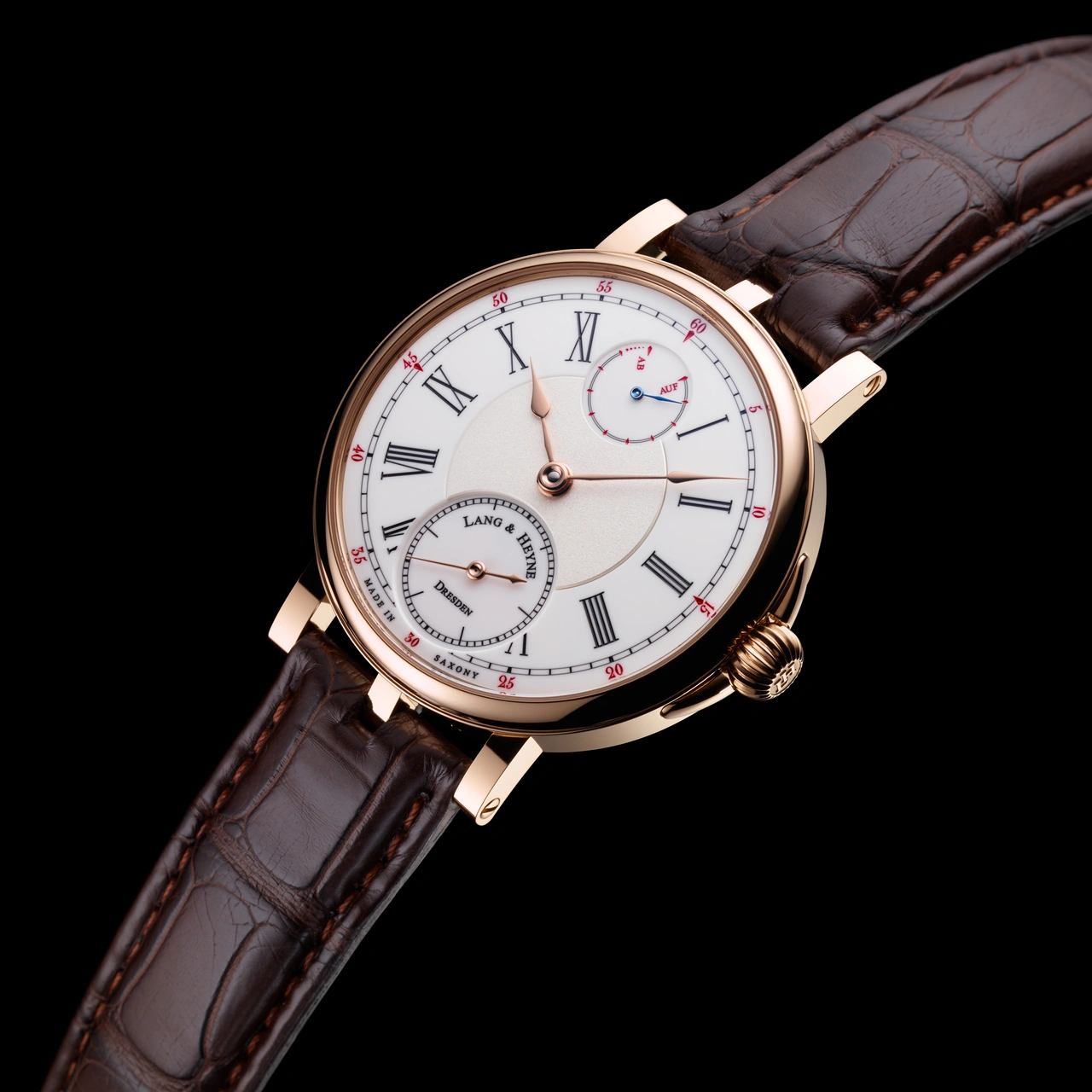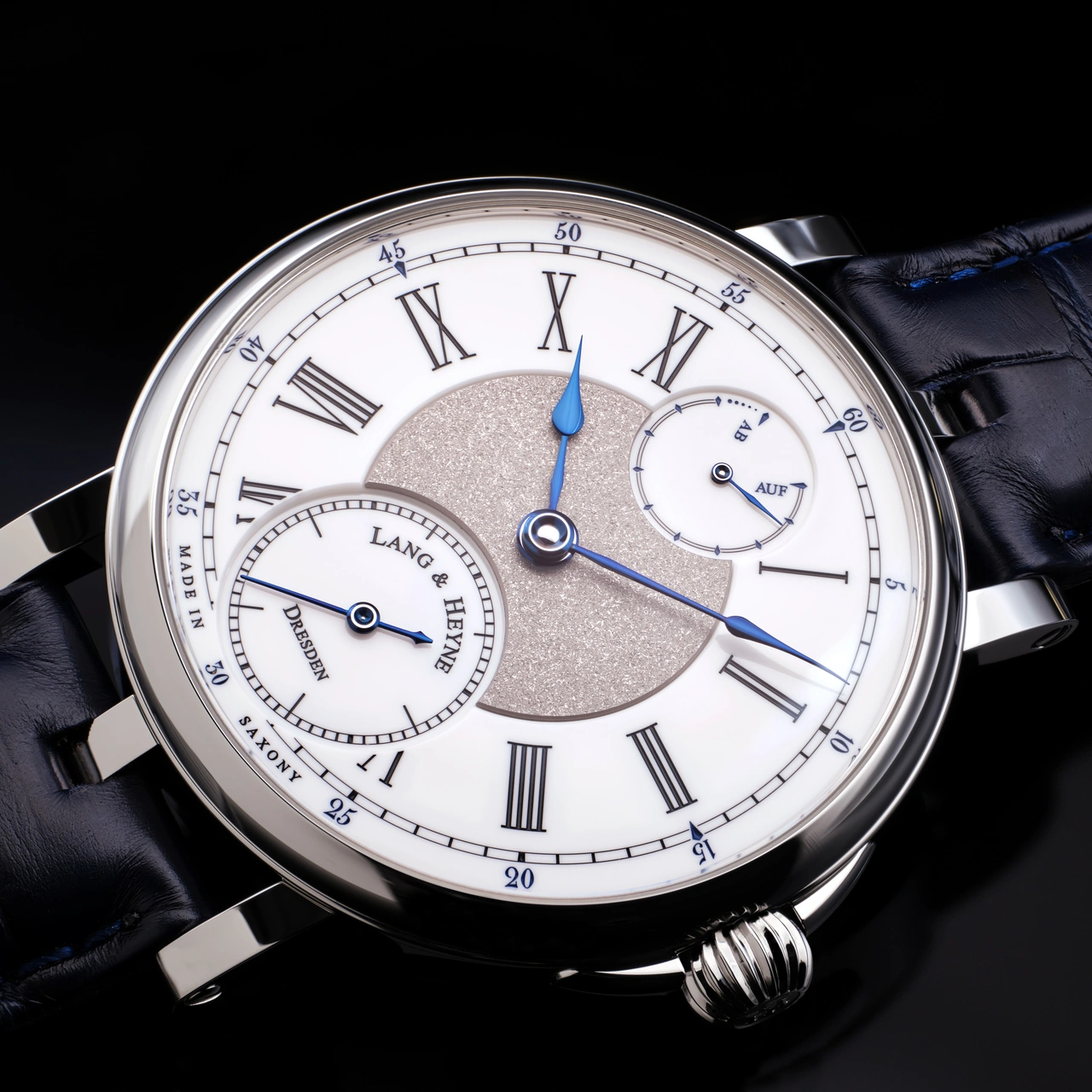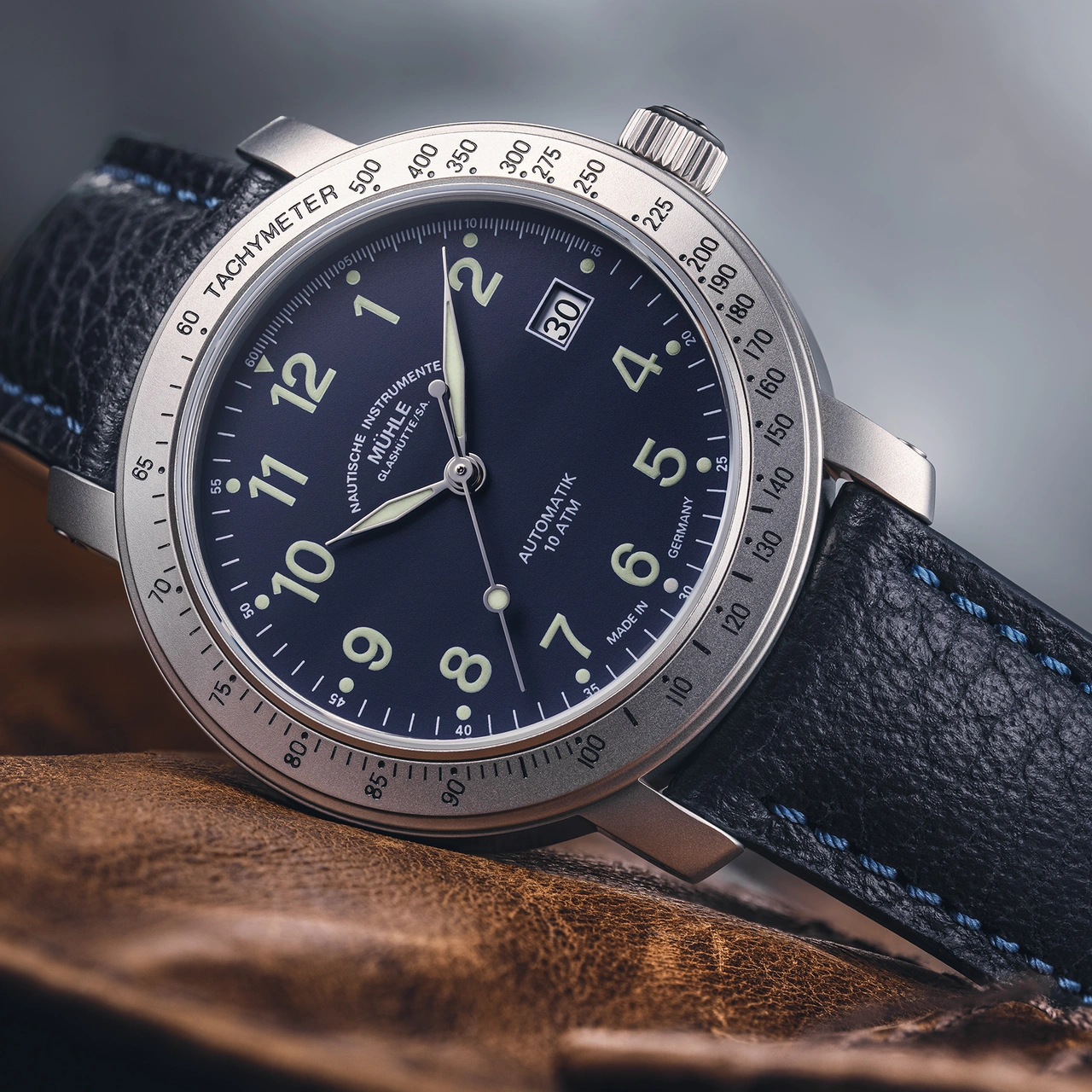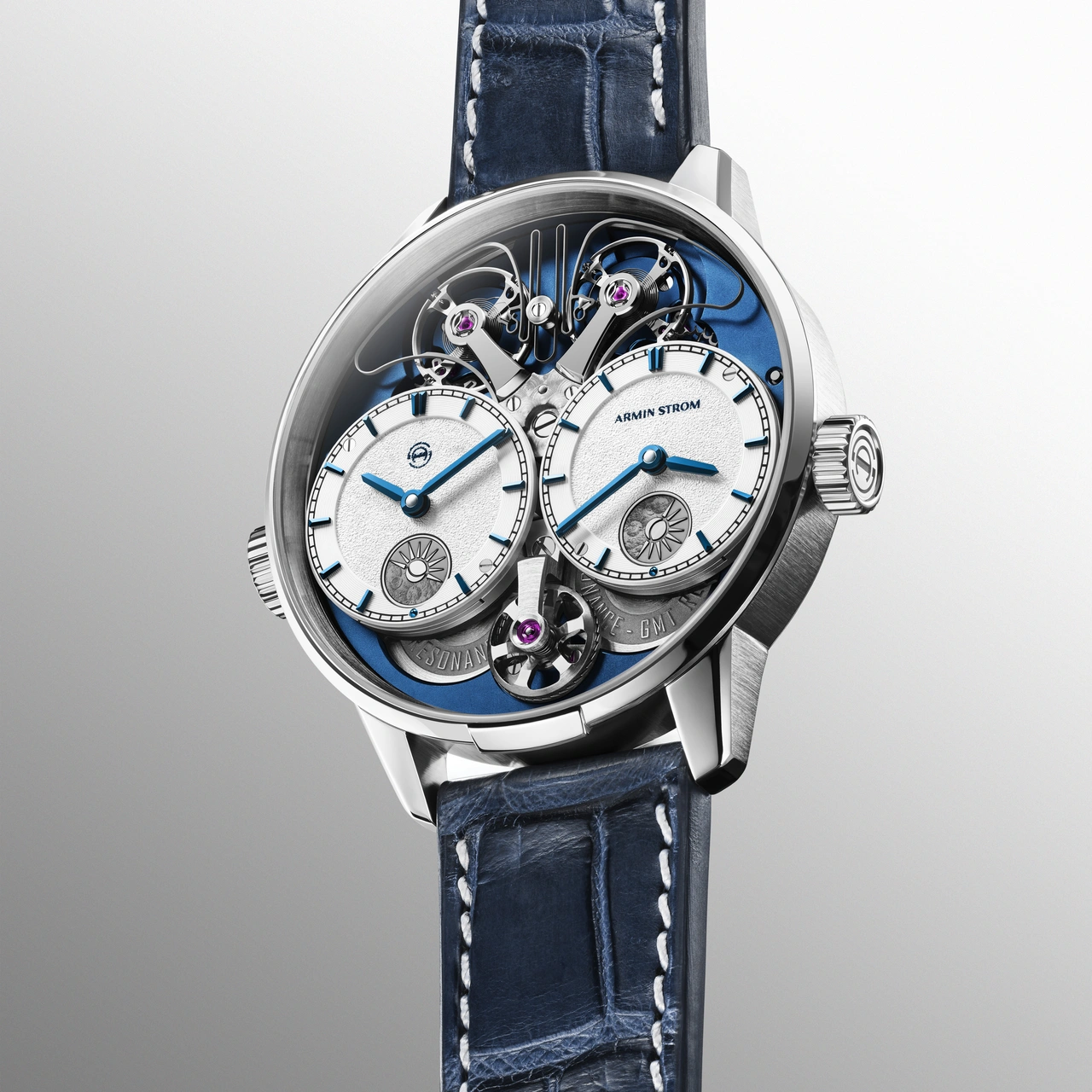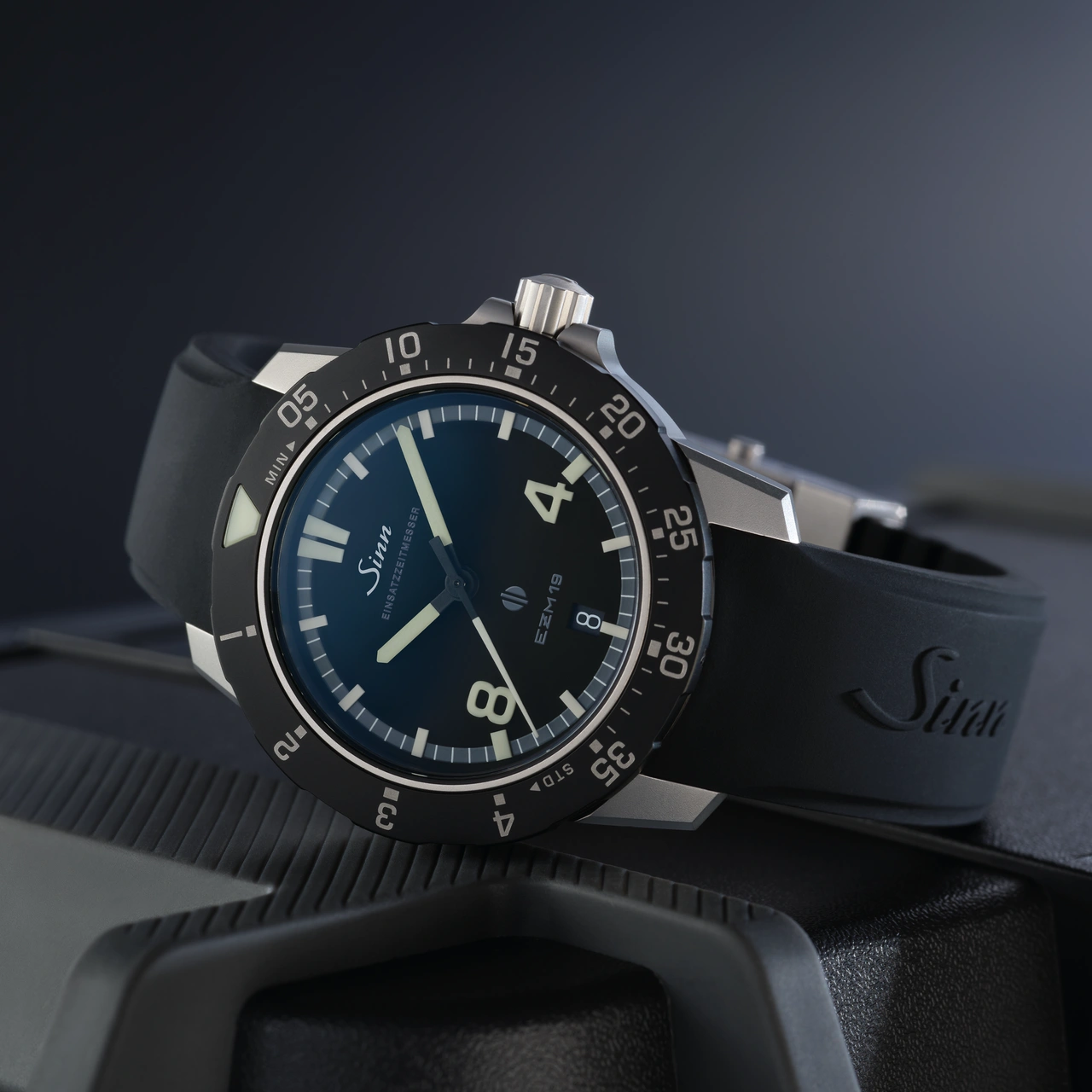
Choosing a Christmas gift for someone who already seems to have everything can be surprisingly difficult. The most memorable gifts are often those that carry a little more thought, something chosen not simply for what it is, but for what it says about the person receiving it. A mechanical watch fits naturally into that idea because it is both practical and personal, and unlike many gifts, it can remain part of someone’s life for decades. An independent watch adds another layer, connecting the wearer with a particular maker, philosophy and approach to watchmaking.
For someone considering a men’s watch as a Christmas gift, the first question does not necessarily need to be about price, specifications or even brand. It can be more useful to think about the recipient themselves. Do they appreciate engineering, traditional craftsmanship, clean design, motorsport, aviation, diving or perhaps something more unusual? Independent watchmakers tend to have clearly defined identities, and finding the right watch often comes down to matching that character with the person who will wear it.
Why independent watchmaking feels different
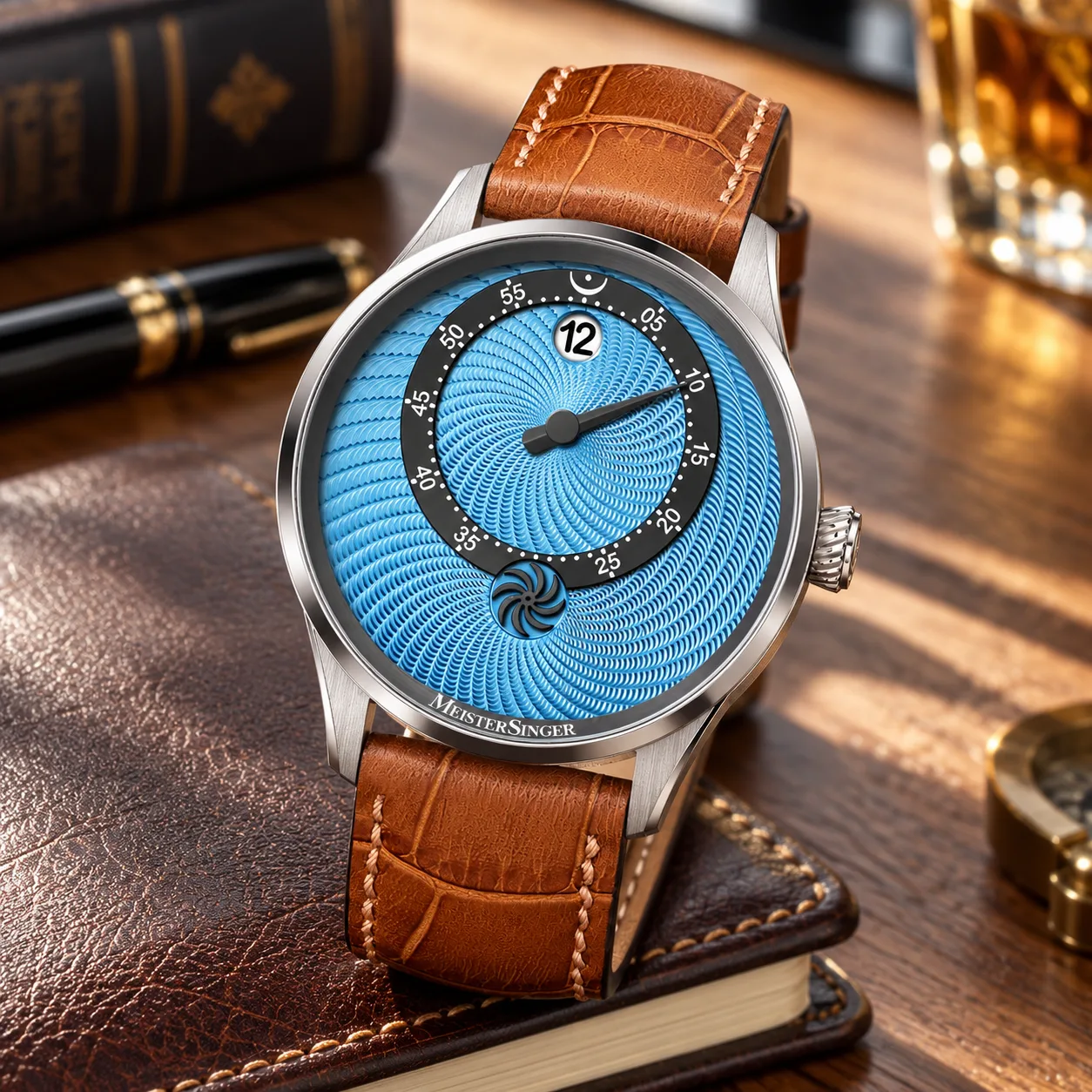
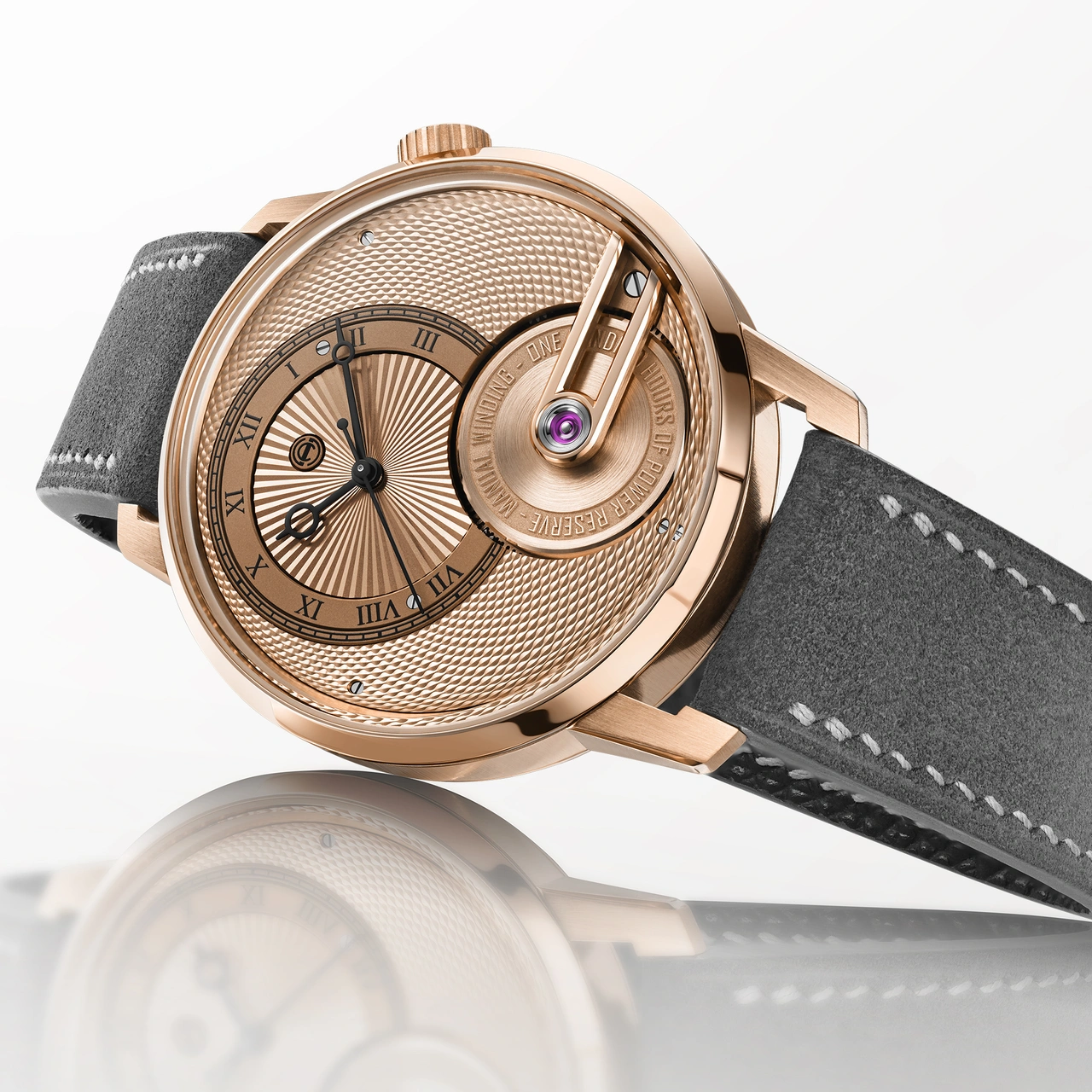
Independent brands often operate very differently from the large watch groups that dominate the broader luxury market. Production numbers may be smaller, decisions can remain closely connected to the people actually designing and producing the watches, and individual brands are often willing to pursue ideas that make little sense on a mass-market scale. That might mean developing an unusual complication, retaining a traditional finishing technique or constructing a watch around a very specific functional purpose. For the owner, this can create a stronger sense of connection with where the watch came from and why it was made.
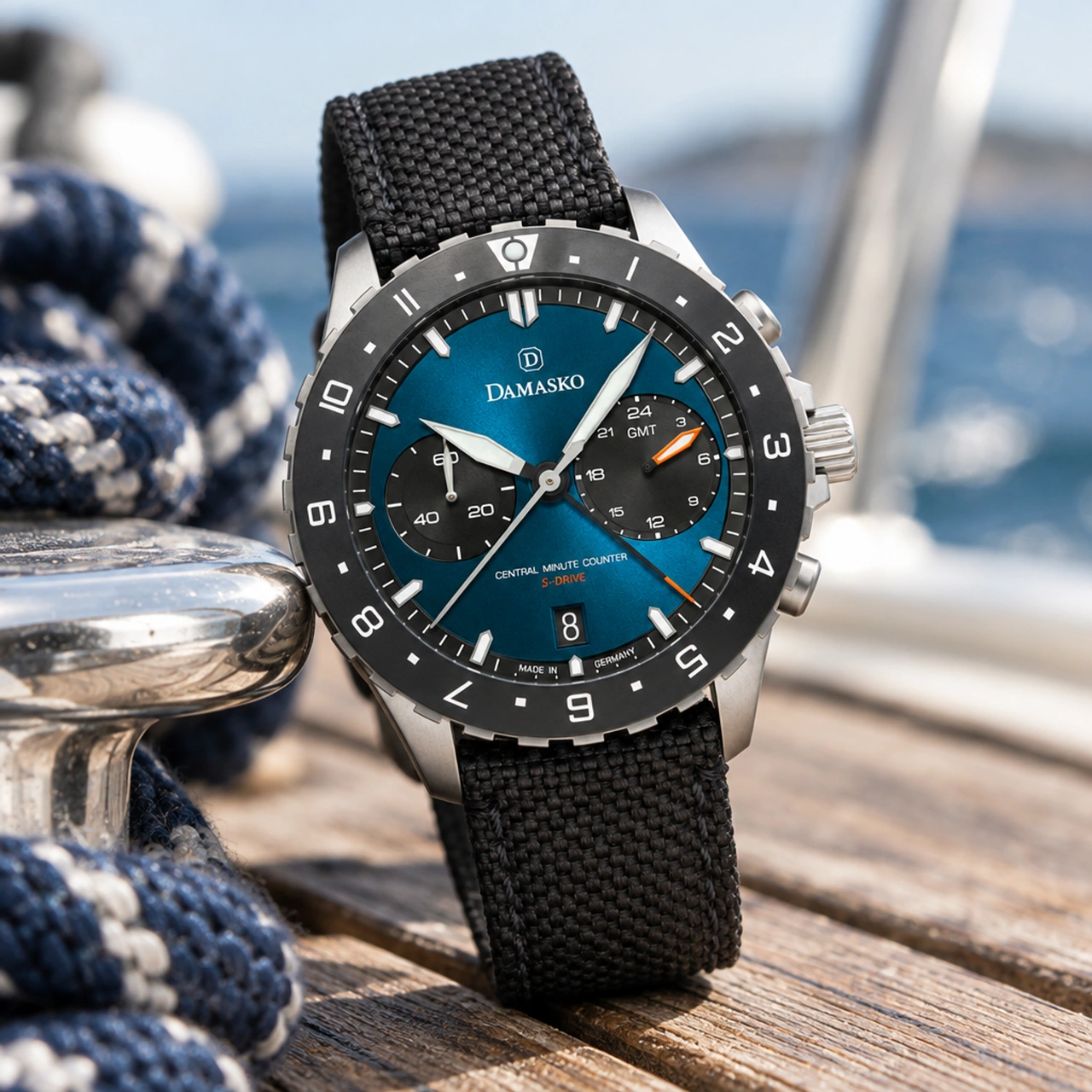
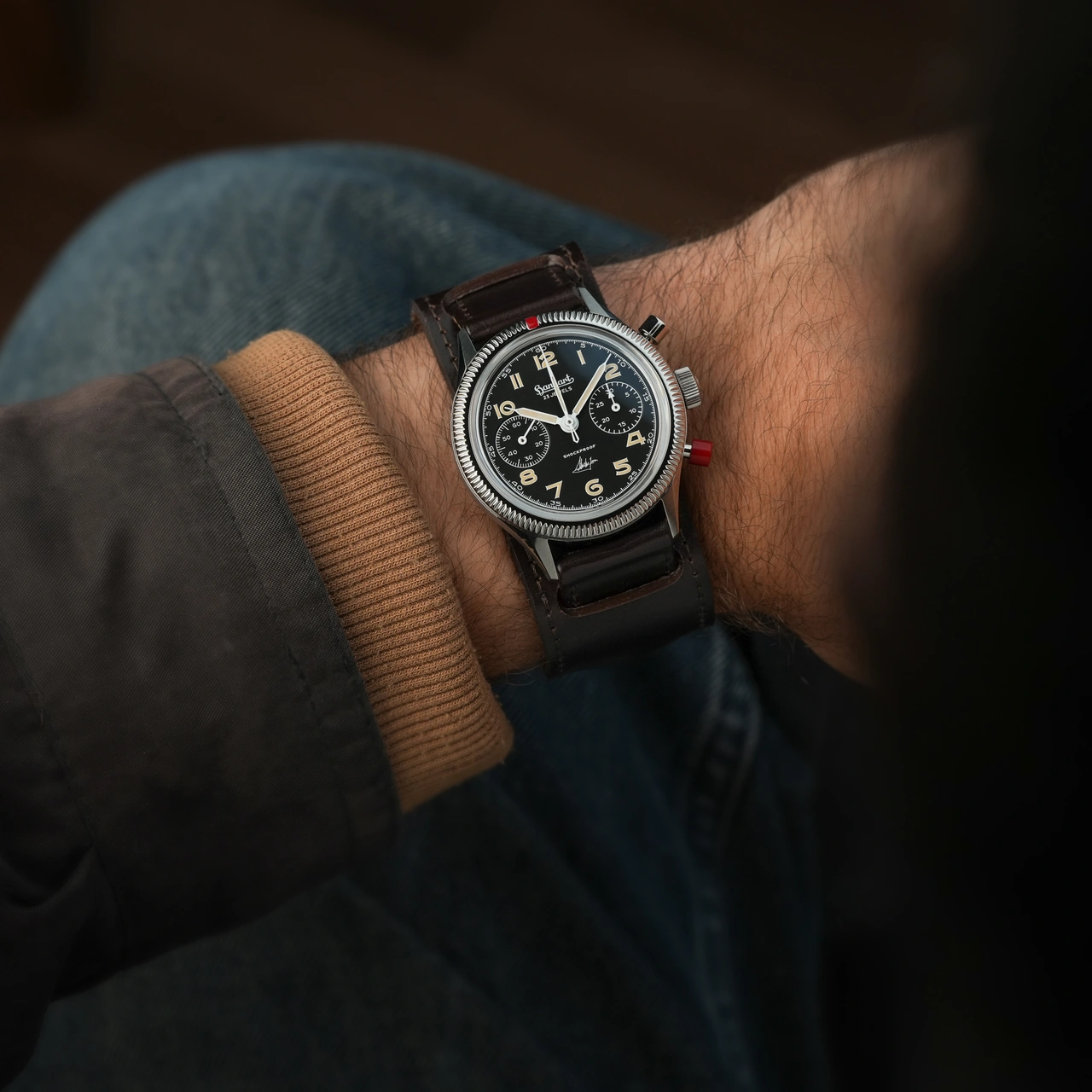
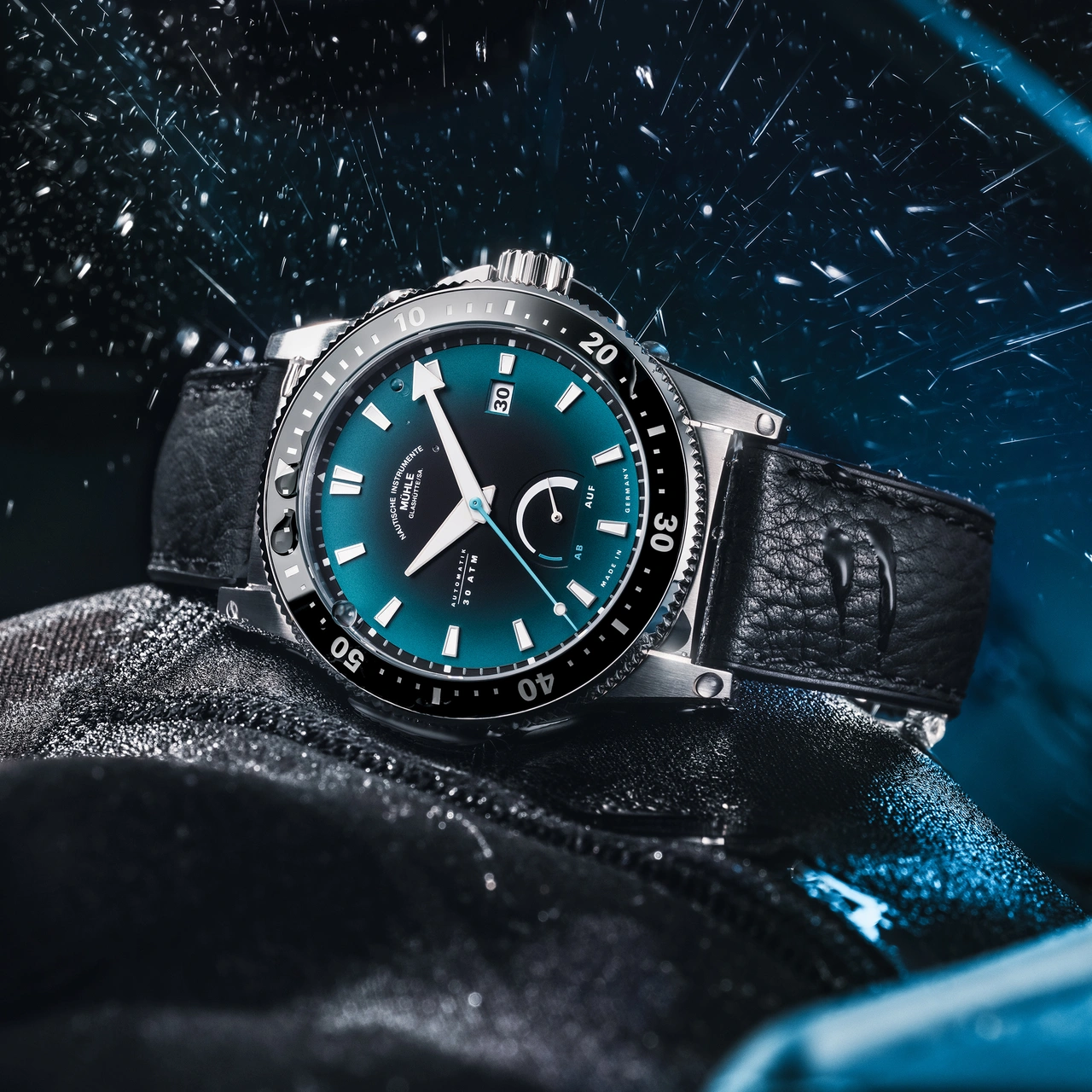
German and Swiss independent watchmaking provides many examples of these different philosophies. Sinn has built much of its reputation around functional engineering and watches designed for demanding environments, while Hanhart remains closely connected with its chronograph heritage. Makers such as Habring² take a far smaller-scale approach, producing watches with a strong emphasis on mechanical ingenuity and traditional watchmaking. At the more artisanal end, workshops such as Moritz Grossmann, Benzinger and Dornblüth & Sohn demonstrate how much personality can still exist within mechanical watchmaking when production is deliberately kept intimate.
Choosing a watch for the person, not the specification sheet
It can be tempting to begin comparing watches by movement type, water resistance, power reserve or case material. Those details matter, but they should support the choice rather than define it. A watch that suits someone’s daily life will usually be appreciated more than one selected because it happens to have the most impressive list of features. Someone who dresses formally may naturally favour a restrained dial and slimmer case, while another person may be far happier with a substantial tool watch that can handle weekends, travel and outdoor use.
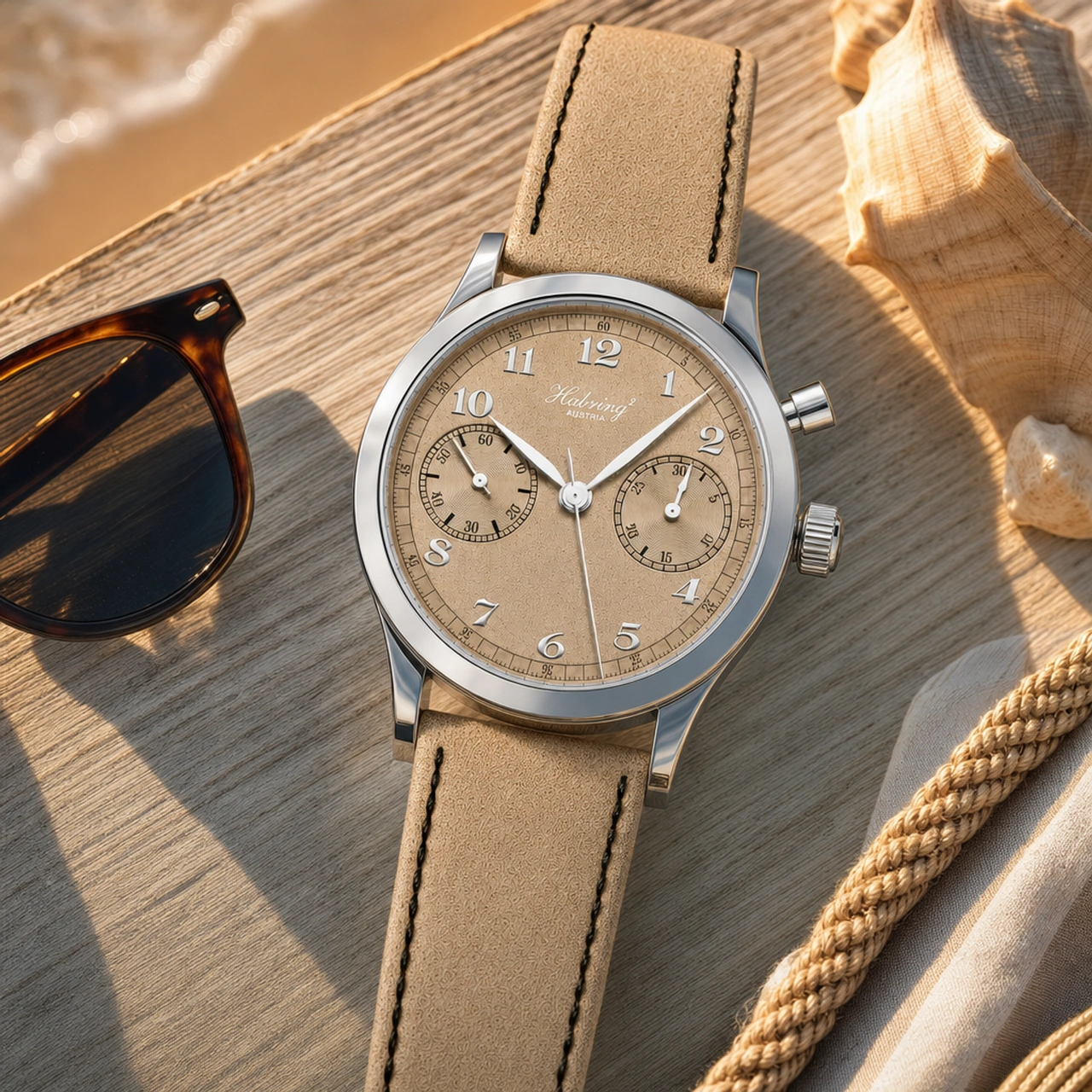
Case size is particularly worth considering when buying for someone else. Men’s watches now cover an enormous range, from compact pieces around 36 to 39 mm through to larger sports watches above 42 mm. Wrist size plays a part, but personal taste is just as important. Looking at the watches the recipient already owns, or even the size of the smartwatch they normally wear, can provide a useful reference point without needing to ask directly.
The bracelet or strap can also change the character of a watch considerably. A stainless steel bracelet generally gives a watch a more versatile and robust feel, while leather can make the same design appear more traditional or refined. Fabric and rubber straps are particularly suitable for tool and sports watches. Fortunately, this is also one of the easiest aspects to change later, so it does not need to become the deciding factor if the watch itself feels right.
Mechanical watches have a different sense of permanence
Part of the appeal of giving a mechanical watch is that its value is not based on becoming obsolete. A well-made mechanical movement can be serviced, repaired and maintained over many years, and in some cases across generations. There is something appealing about giving an object powered by gears, springs and carefully adjusted mechanical components at a time when so many products are designed around electronics with relatively short replacement cycles. The technology may be traditional, but its longevity is one of the reasons it continues to feel relevant.
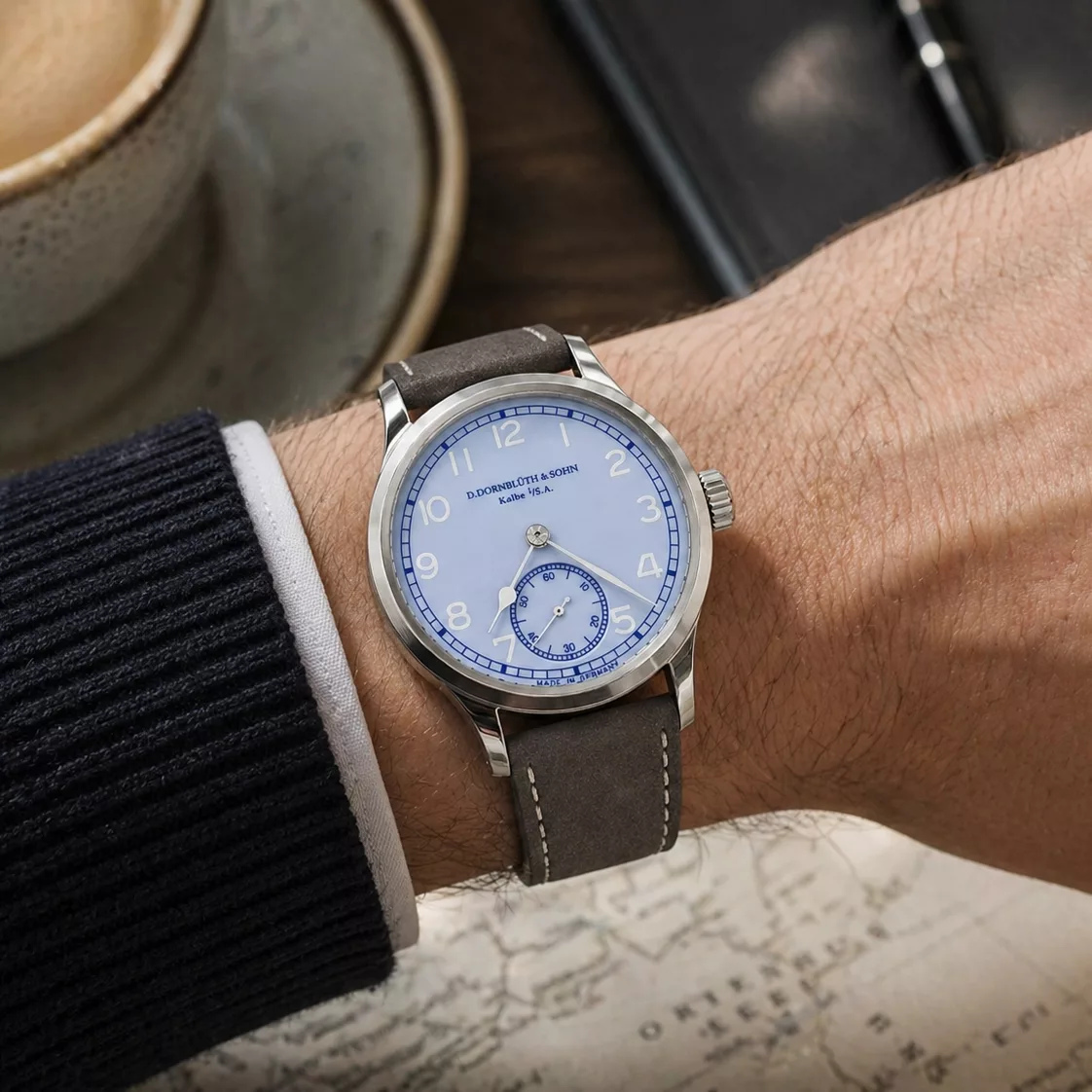
Manual-winding and automatic movements each offer a slightly different relationship with the wearer. An automatic watch quietly winds itself through wrist movement, making it convenient for everyday use. A manually wound watch asks for a little more involvement, usually requiring the crown to be wound every day or several days depending on its power reserve. Neither approach is inherently better, but for someone interested in the mechanics of a watch, that small daily ritual can become part of its appeal.
Look beyond the brand name
When choosing an independent watch, it is worth spending some time understanding the company behind it. Look at where the watches are made, what the brand produces itself, the history behind its designs and whether it has a particular technical or artistic speciality. Some manufacturers invest heavily in case technology, magnetic resistance or movement engineering, while others concentrate on hand finishing, traditional decoration or low-volume production. These differences give independent watches much of their character, and they can make the story behind the gift every bit as interesting as the watch itself.

Serviceability should also form part of the decision, particularly when the intention is to give something that will last. Mechanical watches require periodic maintenance, so established manufacturer support and access to appropriate servicing are important. The same applies to features such as water resistance, which should be tested periodically if the watch will regularly be worn swimming or diving. Thinking about ownership beyond Christmas morning helps distinguish a lasting watch from something chosen purely for immediate impact.
A gift that can gather its own history
Perhaps the strongest argument for a watch as a Christmas gift has little to do with horology at all. Watches become associated with the moments in which they are given and the lives they accompany afterwards. Scratches appear, straps soften and the watch gradually becomes recognisable as its owner’s rather than simply an object from a display cabinet. An independent mechanical watch adds the work of another person or small manufacturer to that story, creating a connection between the maker, the giver and the wearer.
That is why choosing one should rarely be about finding the most expensive watch or the most complicated specification. A thoughtful choice considers personality, lifestyle, design, craftsmanship and the philosophy behind the manufacturer. Christmas provides a natural moment to give something intended to remain long after the season has passed. When chosen carefully, a mechanical watch can become less about the occasion on which it was received and more about all the occasions that follow.