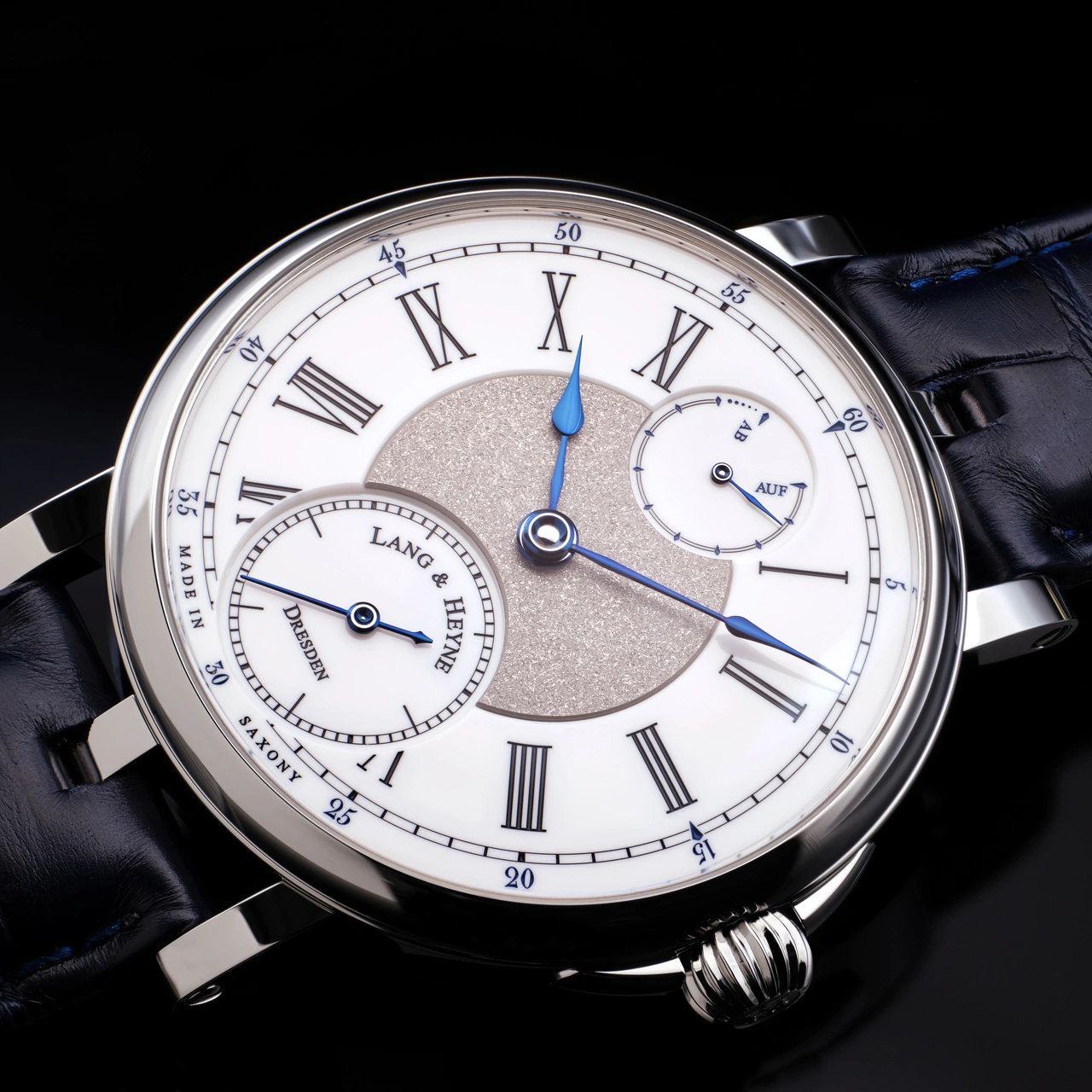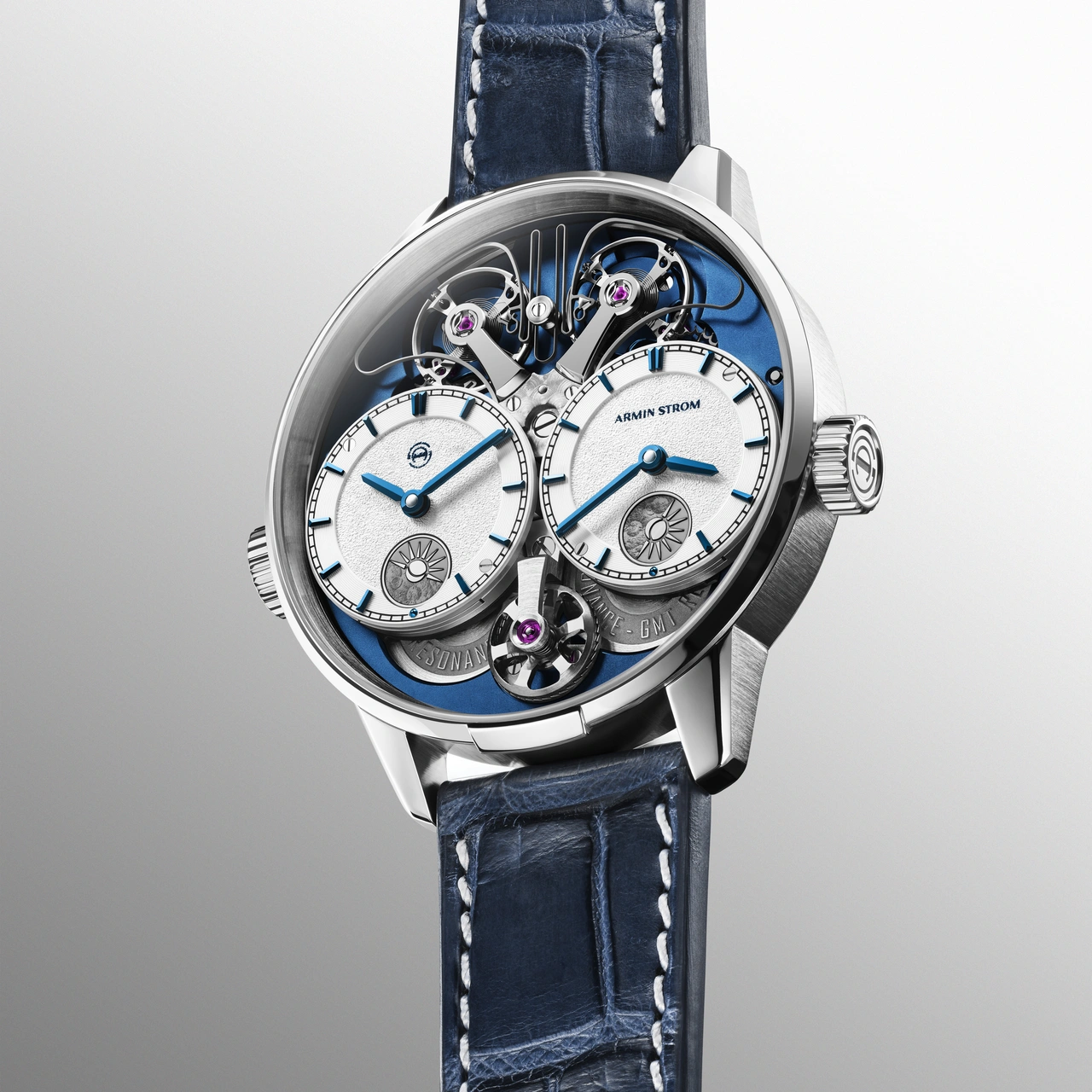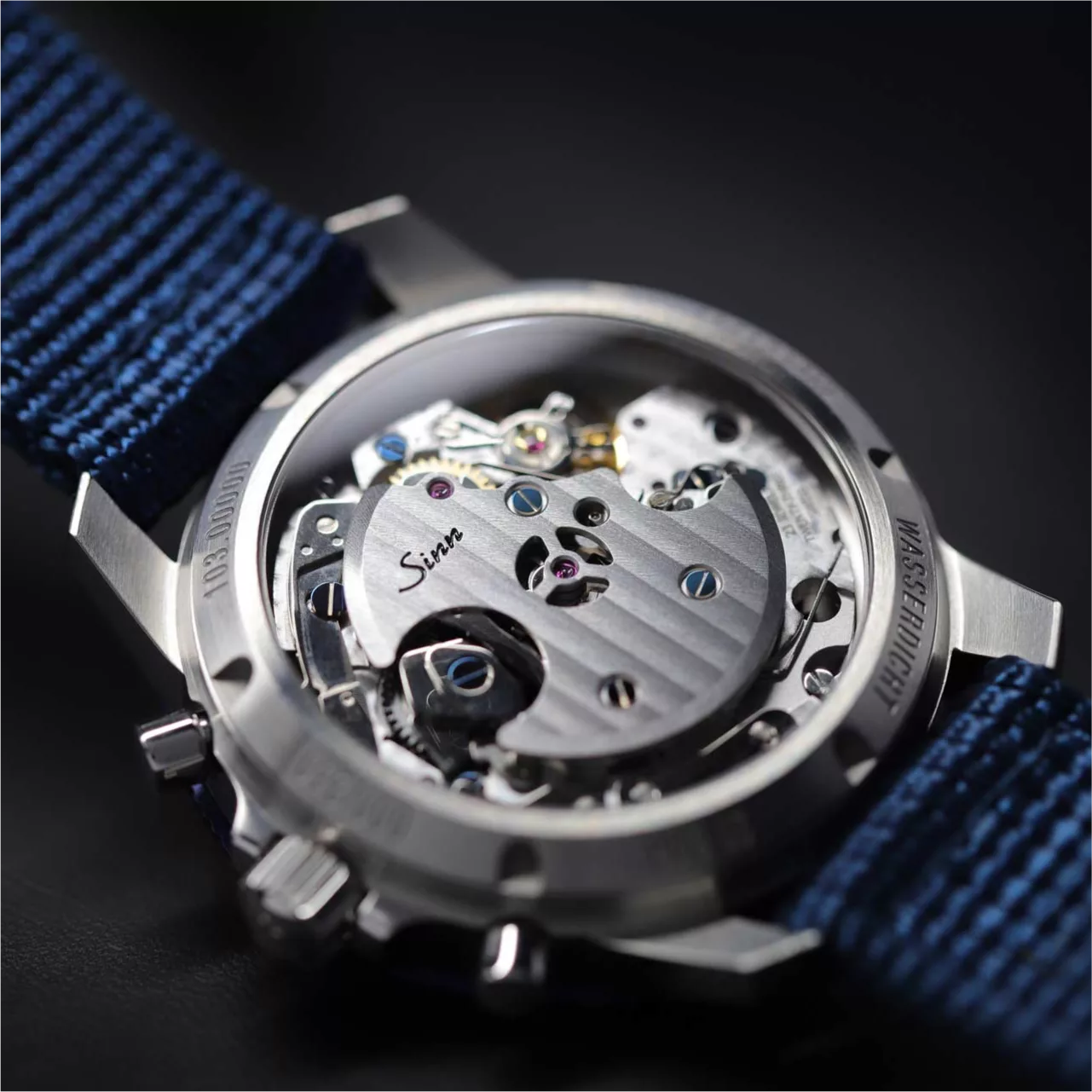
Dresden is not often the first place that comes to mind when discussing watchmaking, yet its history is deeply tied to precision engineering, fine mechanics, and artisanal craft. Long before modern production methods took hold, the region fostered a culture of meticulous handwork, where instruments were made with care, patience, and a deep respect for tradition. It is within this context that Lang & Heyne was founded, not to modernise the process, but to preserve it. Their watches are not simply assembled, they are built slowly, deliberately, and with a philosophy that feels anchored in another era.
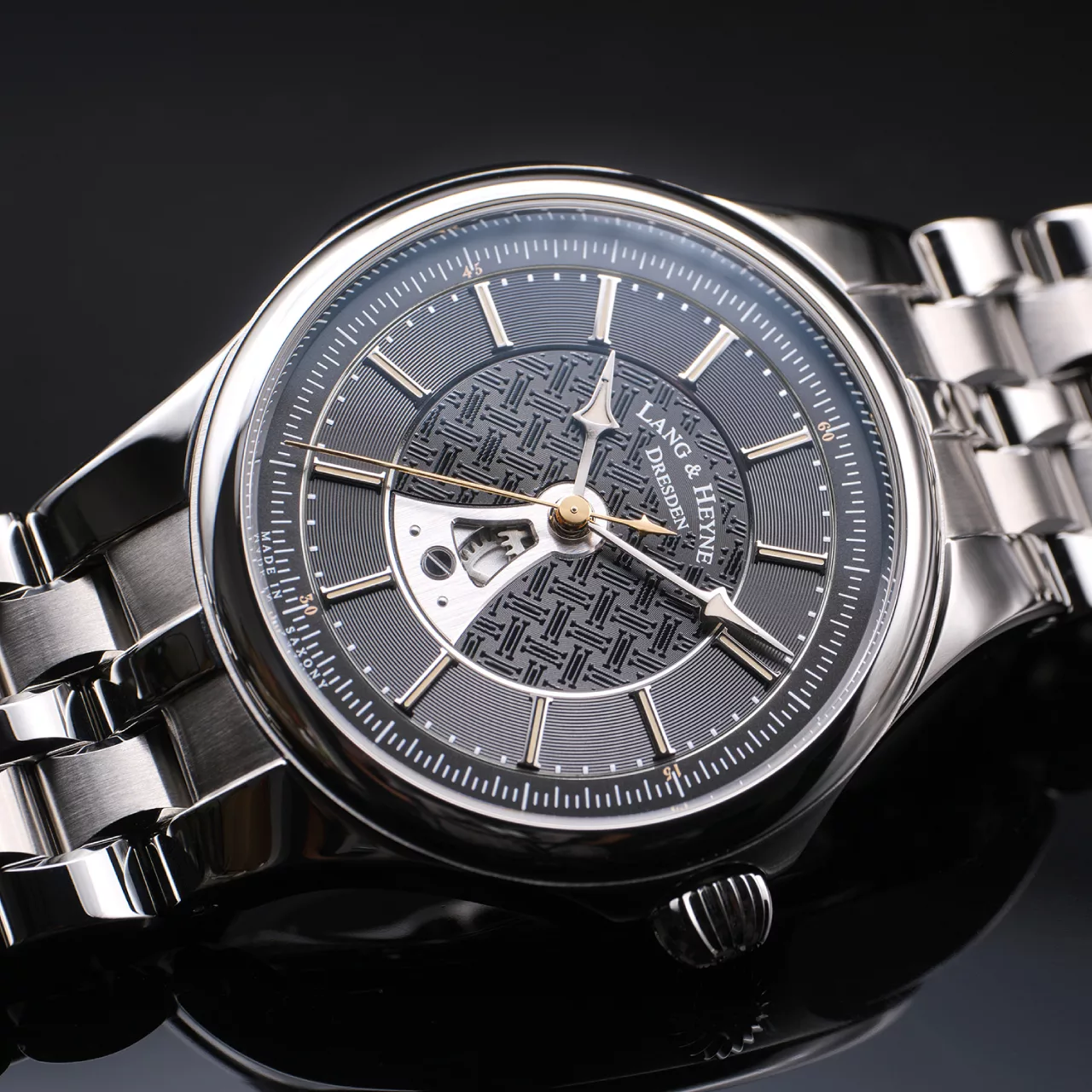
What sets Lang & Heyne apart is the decision to work as though industrialisation never happened. While most contemporary watchmakers rely on CNC machining and streamlined finishing processes, this Dresden workshop leans into traditional techniques that require time, skill, and experience. Plates are shaped, edges are bevelled, and surfaces are polished by hand. The result is not perfection in the clinical sense, but something far more compelling, a living expression of craftsmanship where subtle variations reveal the human touch behind each component.
This approach draws heavily from the traditions of 19th-century Saxon watchmaking, when watches were produced in small quantities by master craftsmen rather than factories. In that period, the making of a watch was as much an artistic pursuit as it was a technical one. Lang & Heyne continues this lineage, with movements designed and finished to echo the aesthetic codes of that time. Large three-quarter plates, hand-engraved balance cocks, and gold chatons are not stylistic choices alone, they are direct references to a heritage that remains central to the brand’s identity.

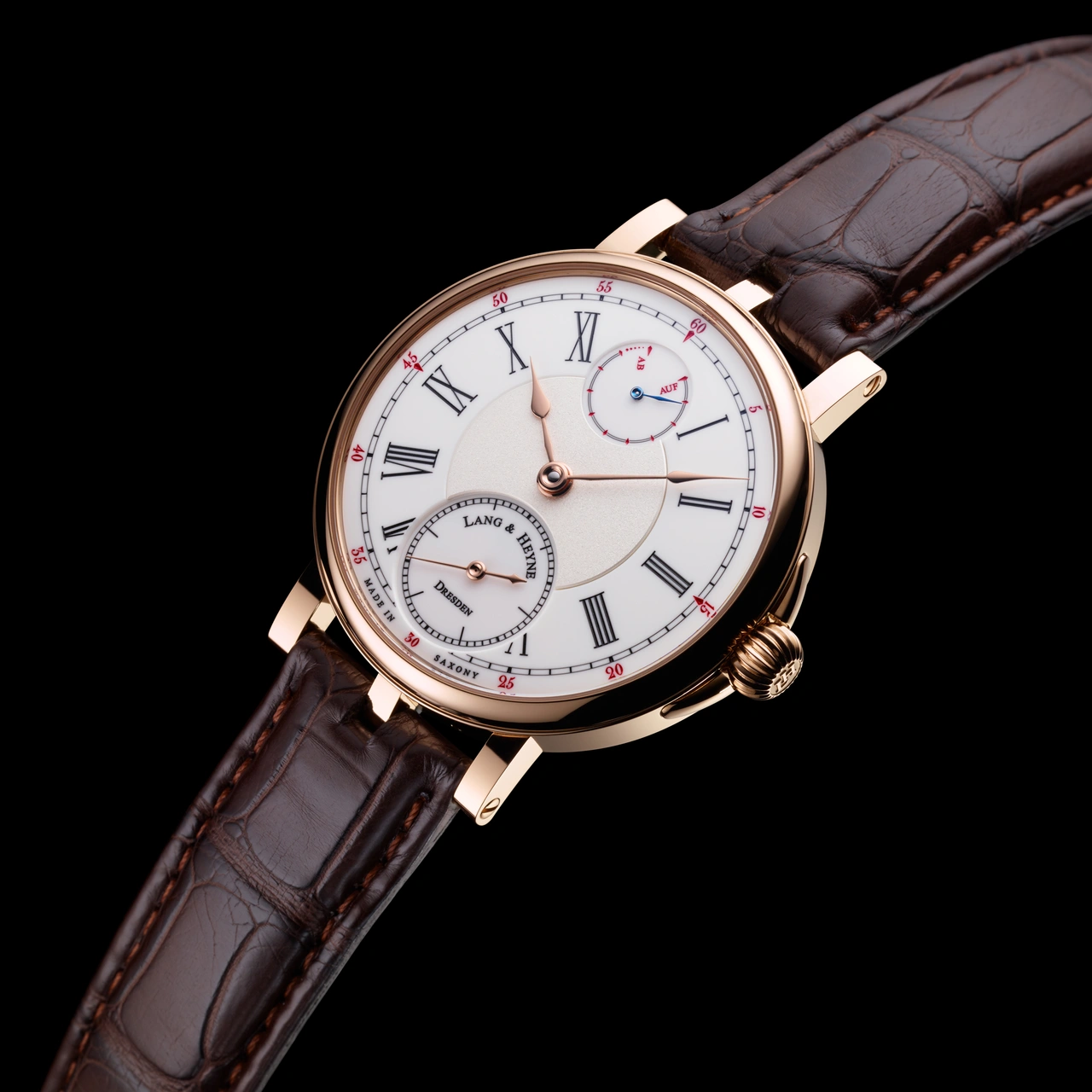
One of the most striking aspects of a Lang & Heyne movement is the finishing. Anglage, the careful bevelling of edges, is performed by hand and polished to a mirror sheen. Surfaces are decorated with traditional techniques such as Glashütte ribbing or perlage, applied not by automated machines but by skilled hands guiding each motion. Even the screws are heat-blued in small batches, a process that demands precise temperature control and a watchful eye. These are details that take time, often disproportionate to their functional necessity, yet they define the character of the watch.
The dials follow a similar philosophy. Many are produced using traditional methods such as enamel firing or hand-applied finishes that create depth and variation in tone. Numerals and indices are not simply printed but carefully executed to align with the overall aesthetic of the piece. The intention is not to create something that looks new forever, but rather something that ages gracefully, carrying with it the marks of its origin. There is a quiet honesty in this approach, where materials and techniques are allowed to speak for themselves.

Production at Lang & Heyne remains deliberately limited. Each watch is built in small numbers, often with a significant amount of time dedicated to a single piece. This is not a constraint of capacity alone, but a conscious decision to maintain the integrity of the process. By avoiding large-scale production, the workshop ensures that each watch receives the attention it requires. For collectors, this level of exclusivity is not about rarity for its own sake, but about the assurance that what they are wearing represents genuine, uncompromised craftsmanship.
There is also a sense of continuity in how these watches are made. Techniques are passed down, refined, and preserved rather than replaced. Apprentices learn by doing, developing the same sensitivity to materials and tools that has defined traditional watchmaking for generations. In an industry where innovation often centres on new materials or technologies, Lang & Heyne’s focus remains on the refinement of existing methods. It is a reminder that progress does not always mean moving forward, sometimes it means holding onto what already works.

For those familiar with independent watchmaking, the appeal of such an approach is immediate. There is a depth to a hand-finished movement that cannot be replicated by automated processes, no matter how precise. Light interacts differently with surfaces that have been shaped and polished by hand, creating a sense of warmth and dimension. It is a subtle quality, one that reveals itself over time rather than at first glance, and it speaks directly to those who value the process as much as the final product.
Dresden’s influence is evident not only in the technical execution but also in the overall design language. The watches maintain a classical restraint, with proportions and layouts that feel considered rather than decorative. There is no excess, no unnecessary complication, only what is required to present time in a clear and balanced way. This restraint is part of what gives the watches their enduring appeal, allowing them to sit comfortably outside of trends or passing styles.

Spending time with a Lang & Heyne watch invites a different perspective on what makes a timepiece meaningful. It shifts the focus away from specifications and towards the story embedded in each component. Every polished edge, every engraved detail, carries with it the time and skill of the person who created it. In a world that increasingly values speed and efficiency, this slower, more deliberate approach stands apart.
Ultimately, Lang & Heyne represents a continuation of something that could easily have been lost. By choosing to work as if it were still the late 19th century, the Dresden workshop preserves not only techniques, but a way of thinking about watchmaking. It is a reminder that the value of a watch is not measured solely in its accuracy or complexity, but in the care taken to bring it into existence. For collectors who appreciate that distinction, there is something deeply satisfying in knowing that such craftsmanship still exists, quietly, and with purpose.