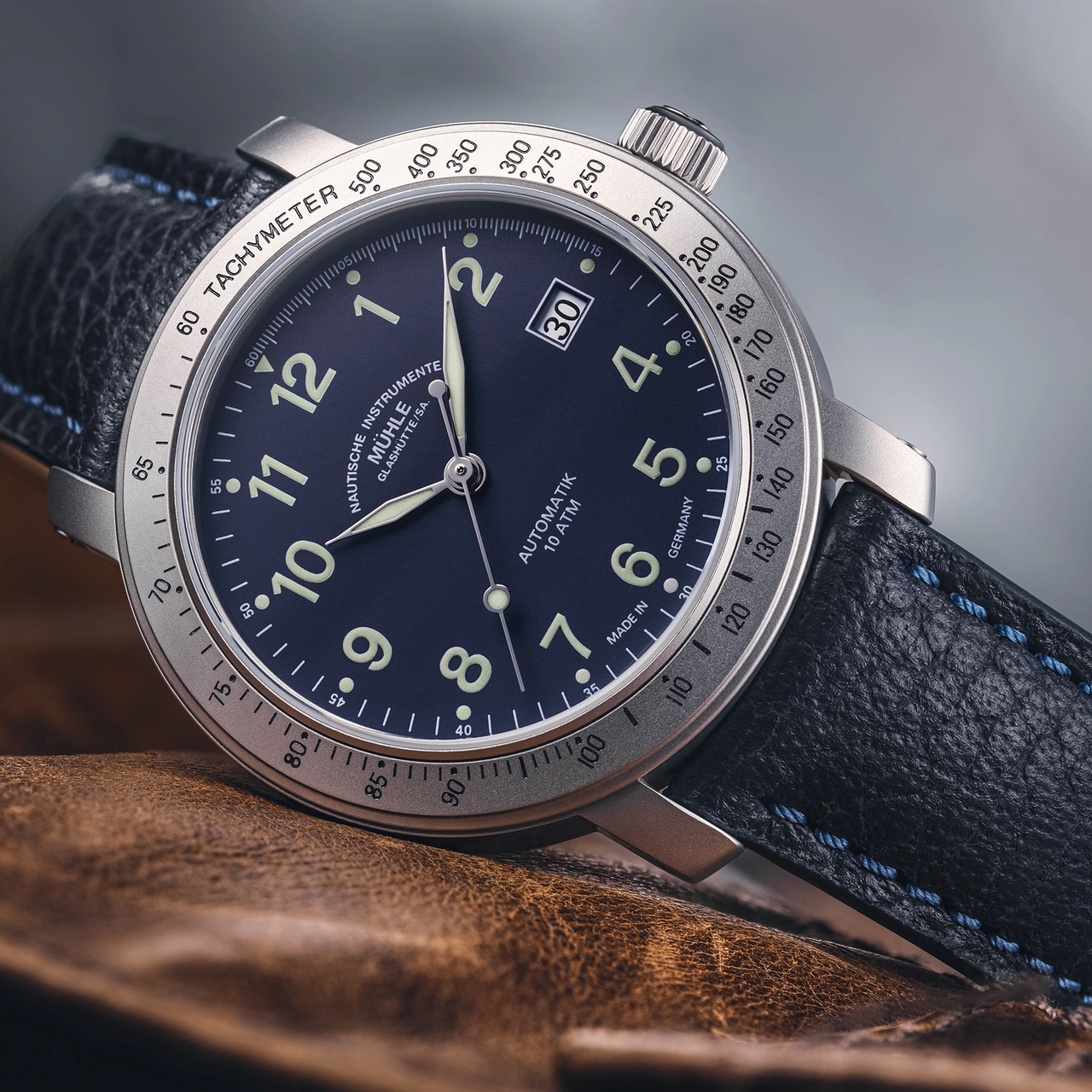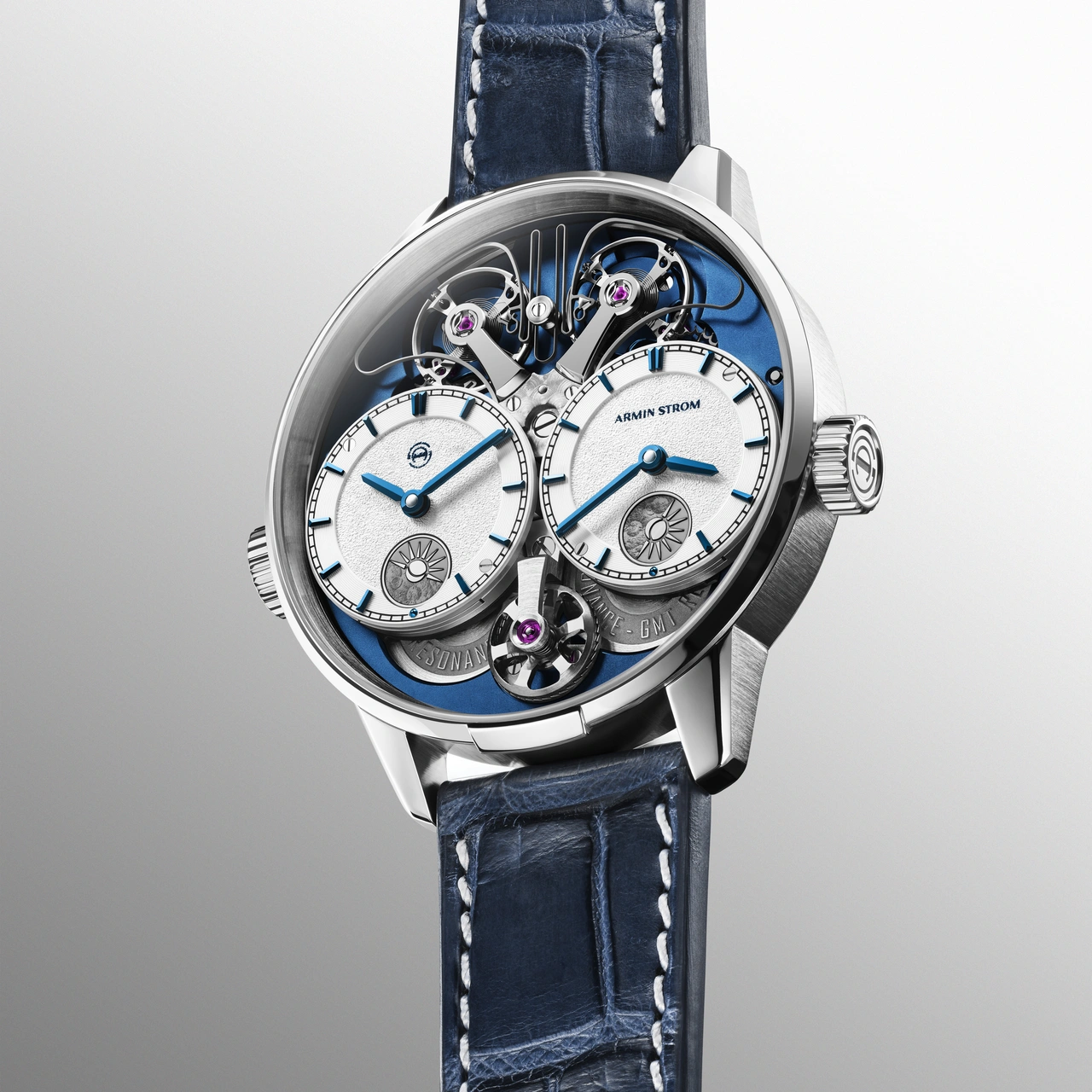
A mechanical watch may look composed on the wrist, but its working life is rarely gentle. It can be knocked against a doorway, worn through a Queensland summer, taken into cold alpine air, exposed to salt water, humidity, pressure changes and daily vibration. For a watchmaker, durability is not a vague promise. It is something that must be tested, measured and proven before a watch is trusted to leave the workshop.
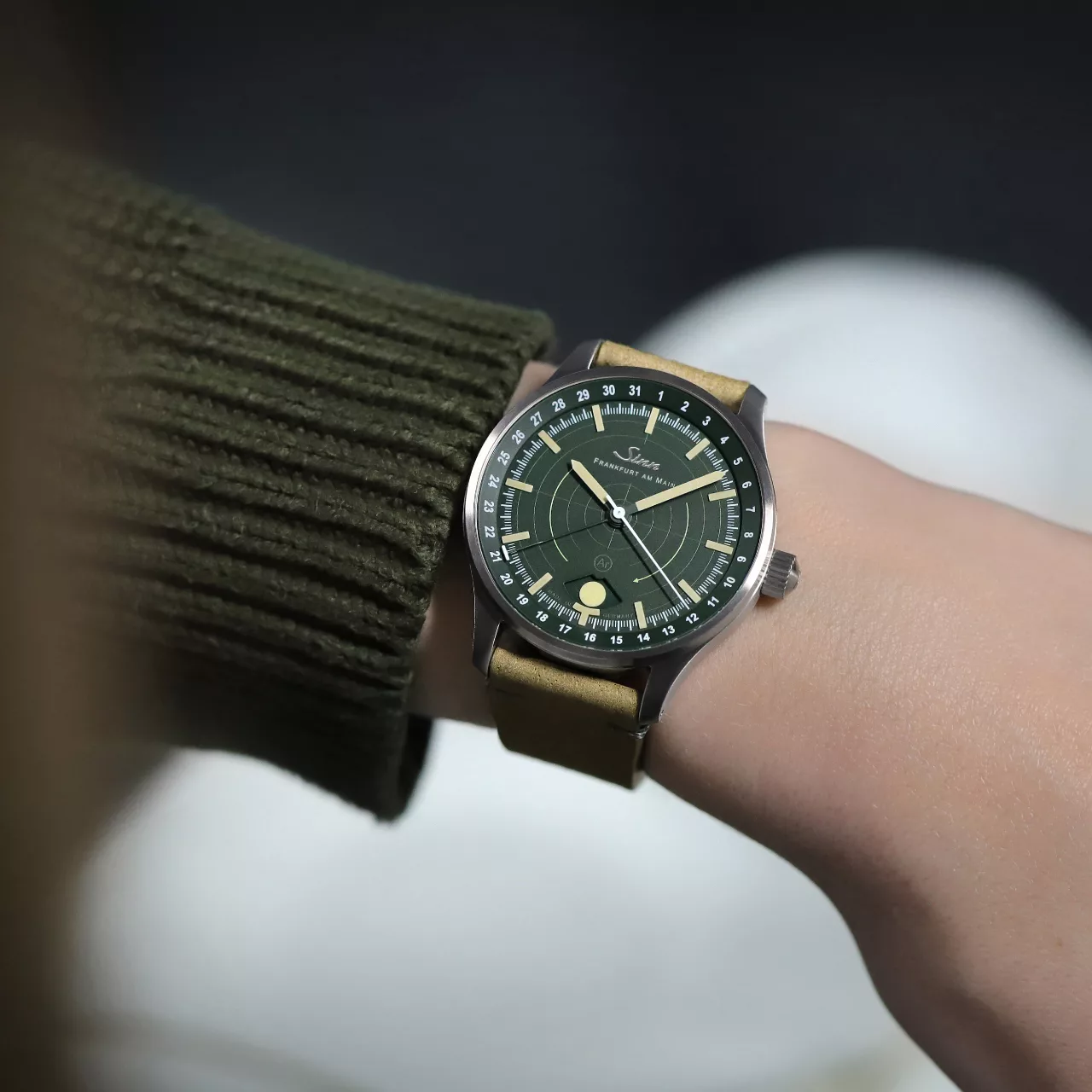
This is especially true for the brands that treat the wristwatch as a genuine instrument. Sinn is one of the clearest examples, because the Frankfurt manufacturer has built much of its identity around watches that perform under demanding conditions. Rather than relying only on heritage language or visual cues, Sinn has long pursued laboratory testing, independent certification and technical solutions designed to solve real problems. For collectors, this is part of the appeal. The engineering is not hidden behind decoration, it is built into the purpose of the watch.
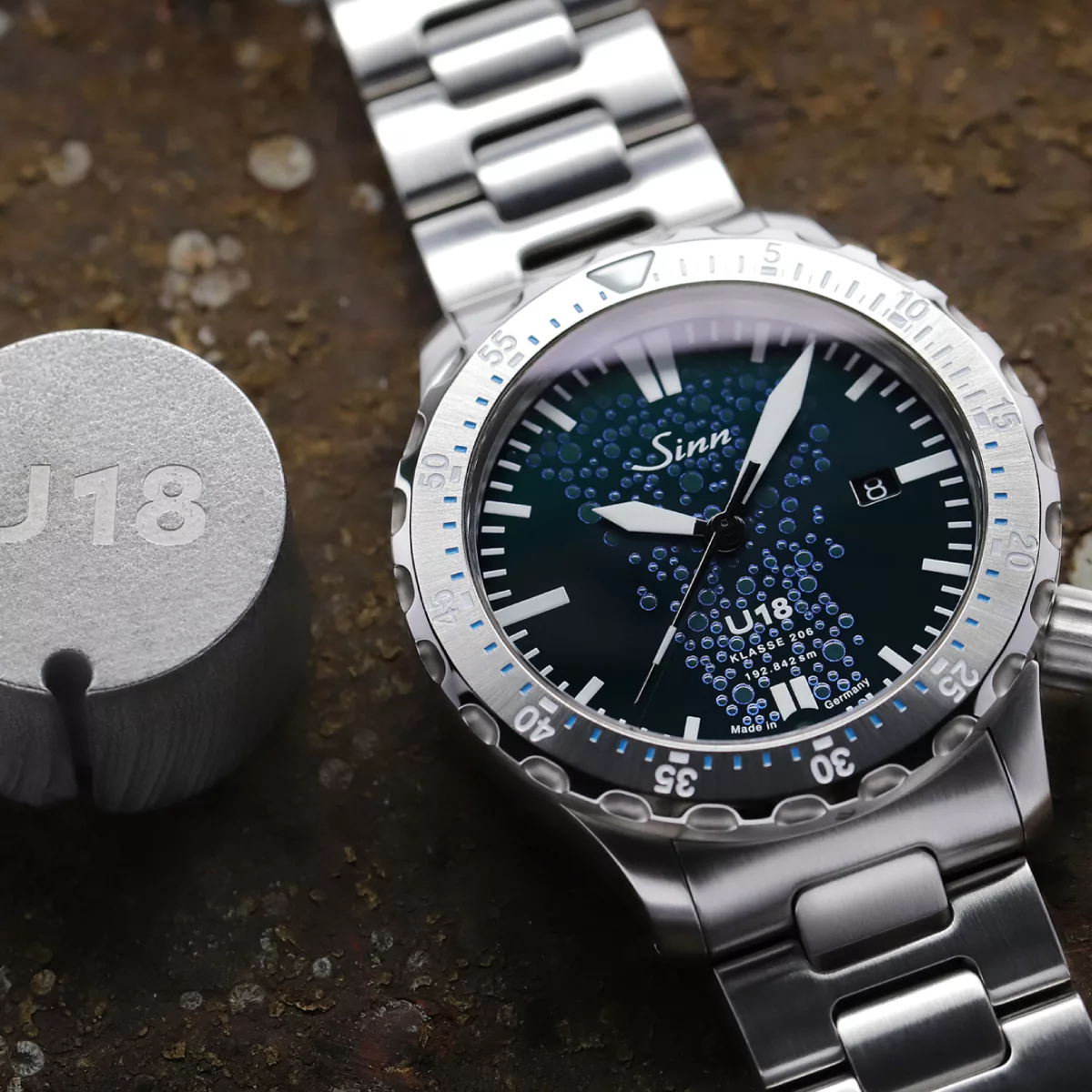
Durability testing begins with a simple question: what will the watch actually face in use? A pilot’s watch may need strong legibility, resistance to magnetic fields, operational reliability and a secure bezel or timing system. A diving watch must deal with pressure, water ingress, salt, temperature change and readability in poor light. A field or mission timer may need to tolerate impacts, vibration, perspiration, moisture and long periods of regular wear. Good testing is not about punishing a watch for spectacle, it is about recreating the stresses that matter.
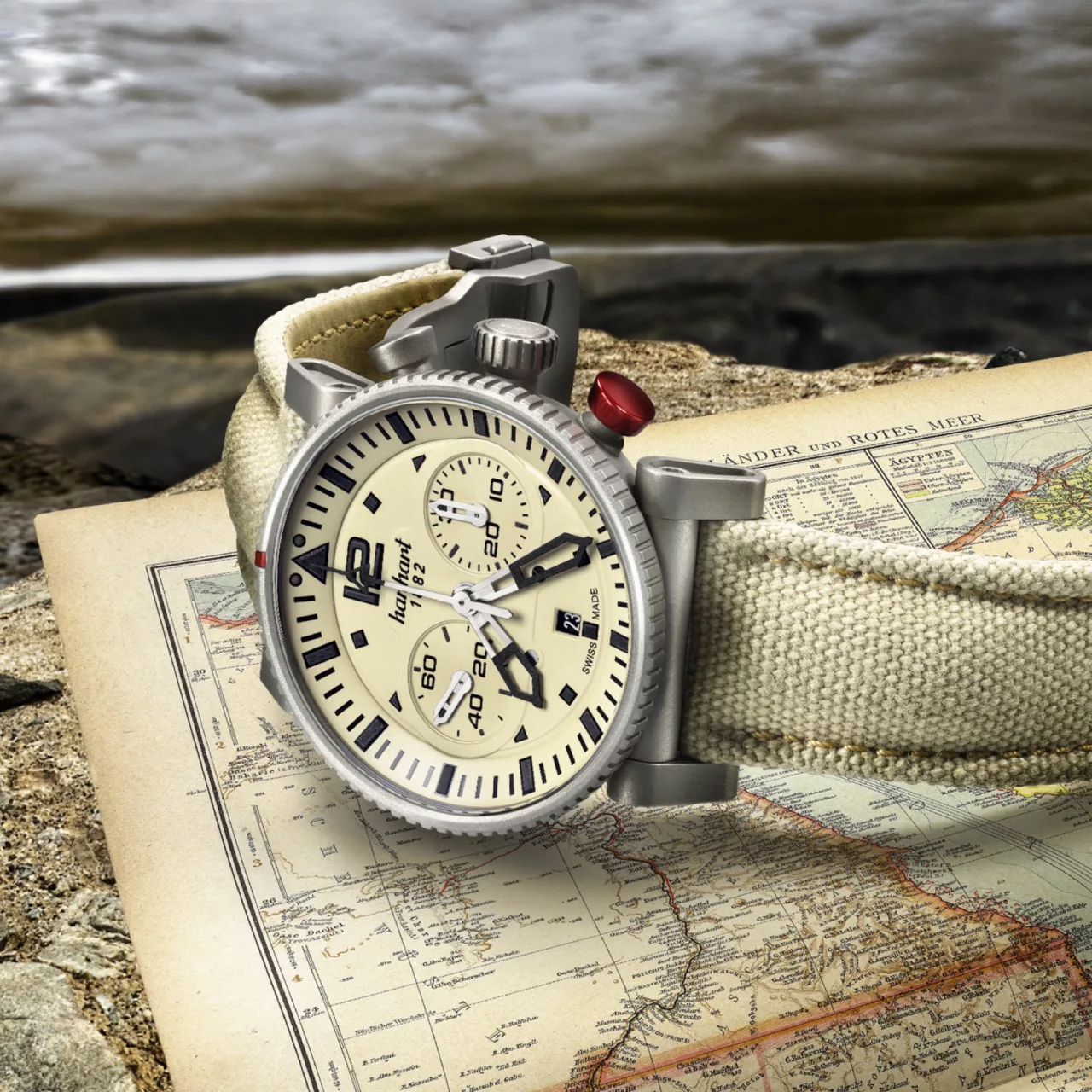
Shock resistance is one of the most important examples. Inside a mechanical movement, the balance staff and pivots are extremely fine, yet they are expected to remain stable while the watch is worn during daily life. Modern shock protection systems help absorb sudden impacts, but the finished watch must still be tested as a complete object. DIN ISO 1413 is commonly referenced for shock resistance in wristwatches, and Sinn notes that its watches are shock-resistant to this standard. In practical terms, this gives the wearer confidence that the movement has been assessed against a defined mechanical stress, not merely assumed to be robust.
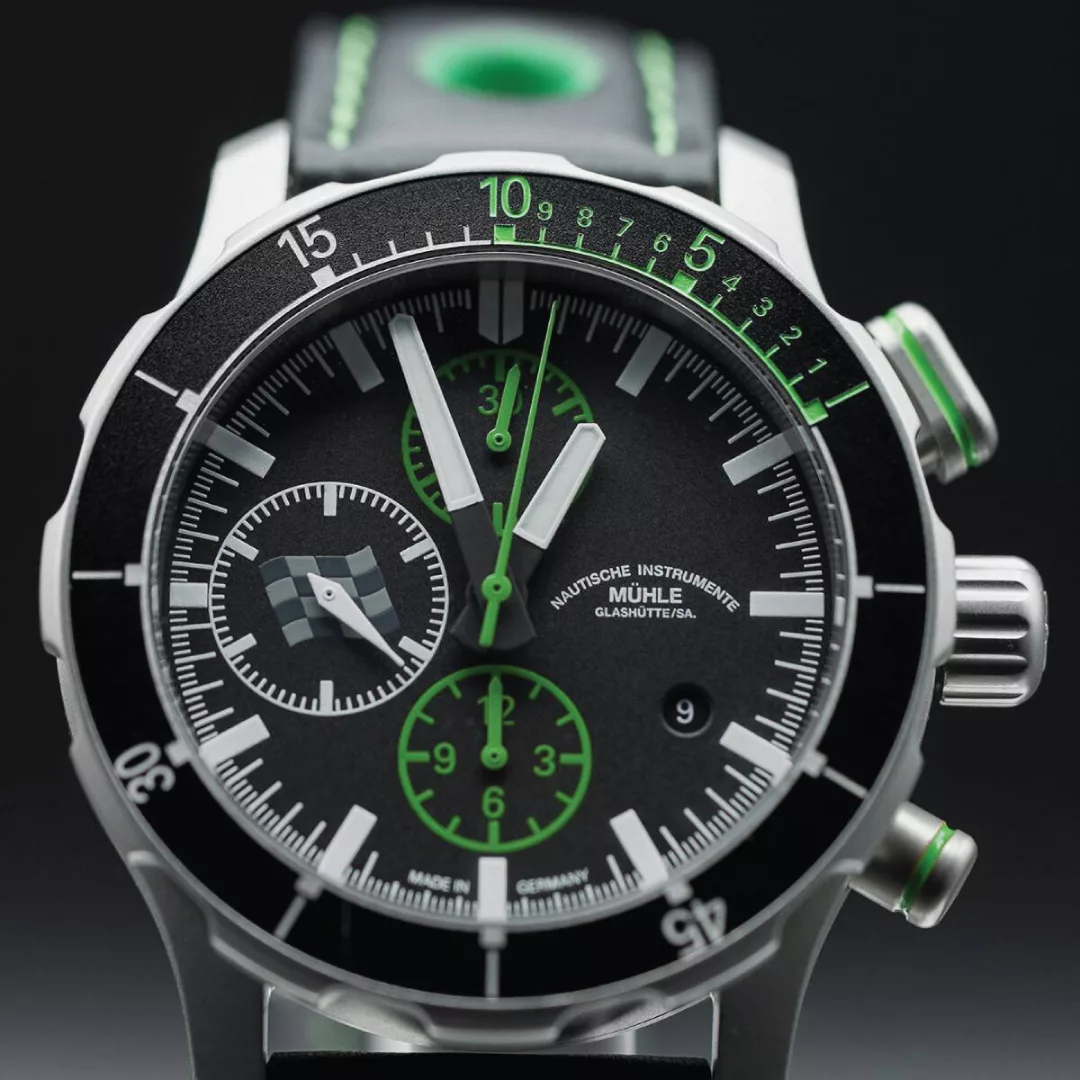
Temperature testing is another area where Sinn’s approach is particularly interesting. Mechanical watches rely on lubricants, tolerances and materials that can behave differently in heat and cold. Oil can thicken in freezing conditions, reducing amplitude or stopping a movement altogether, while heat can affect lubrication, seals and long-term stability. Sinn’s Temperature Resistance Technology is designed to keep selected watches functional from minus 45 degrees Celsius to plus 80 degrees Celsius, a range far beyond ordinary wearing conditions. The point is not that every owner will take a watch to those extremes, but that the watch has been engineered with a wider safety margin.
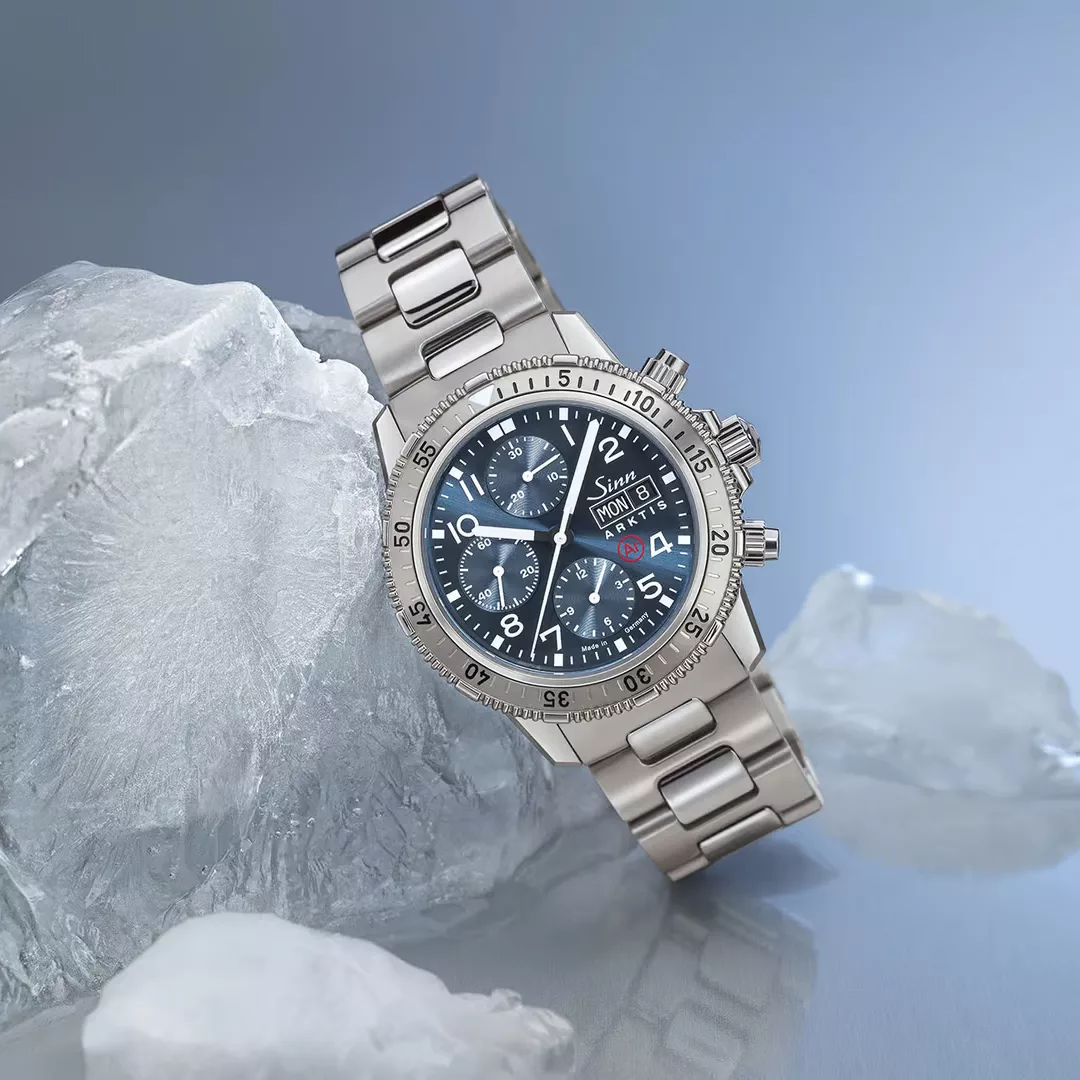
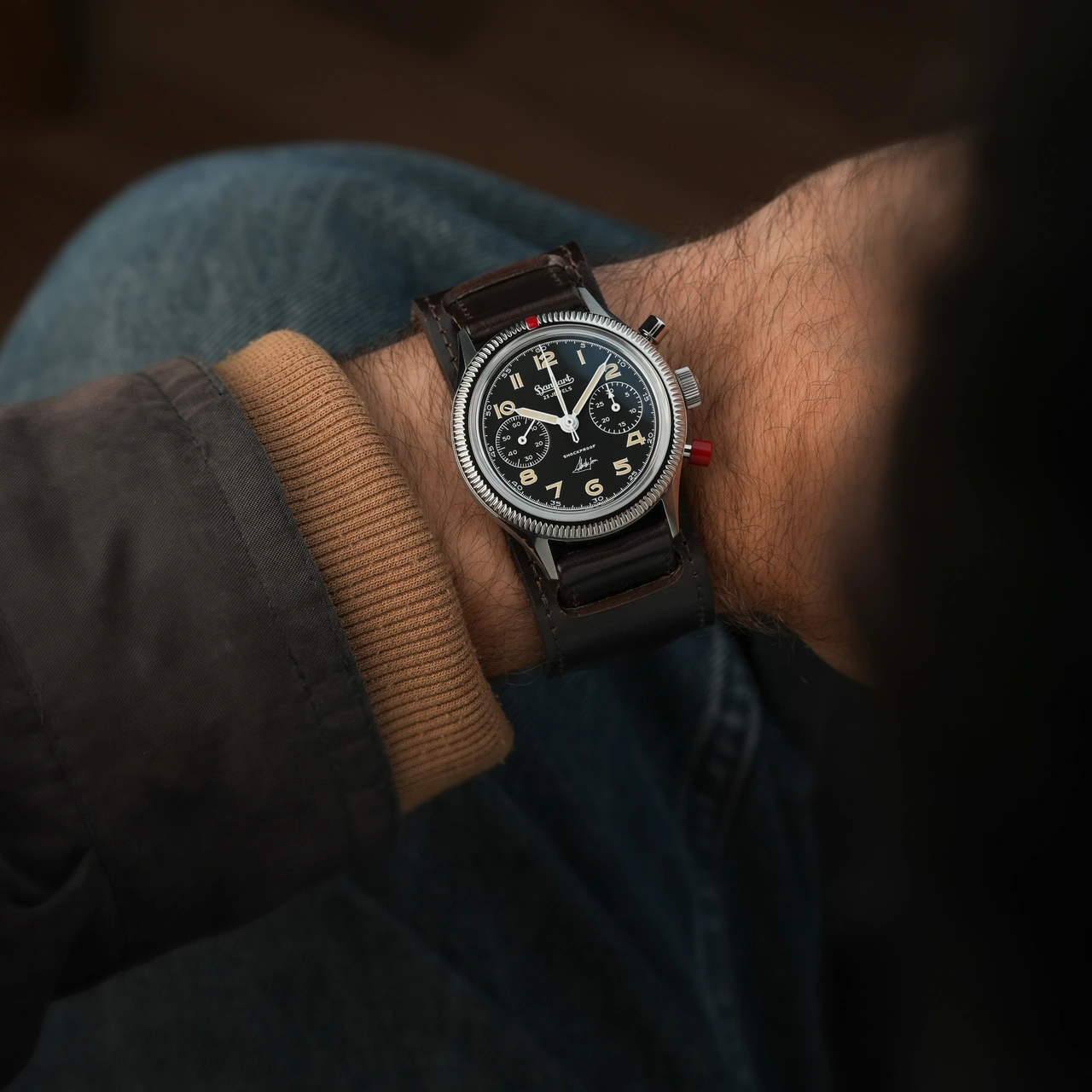
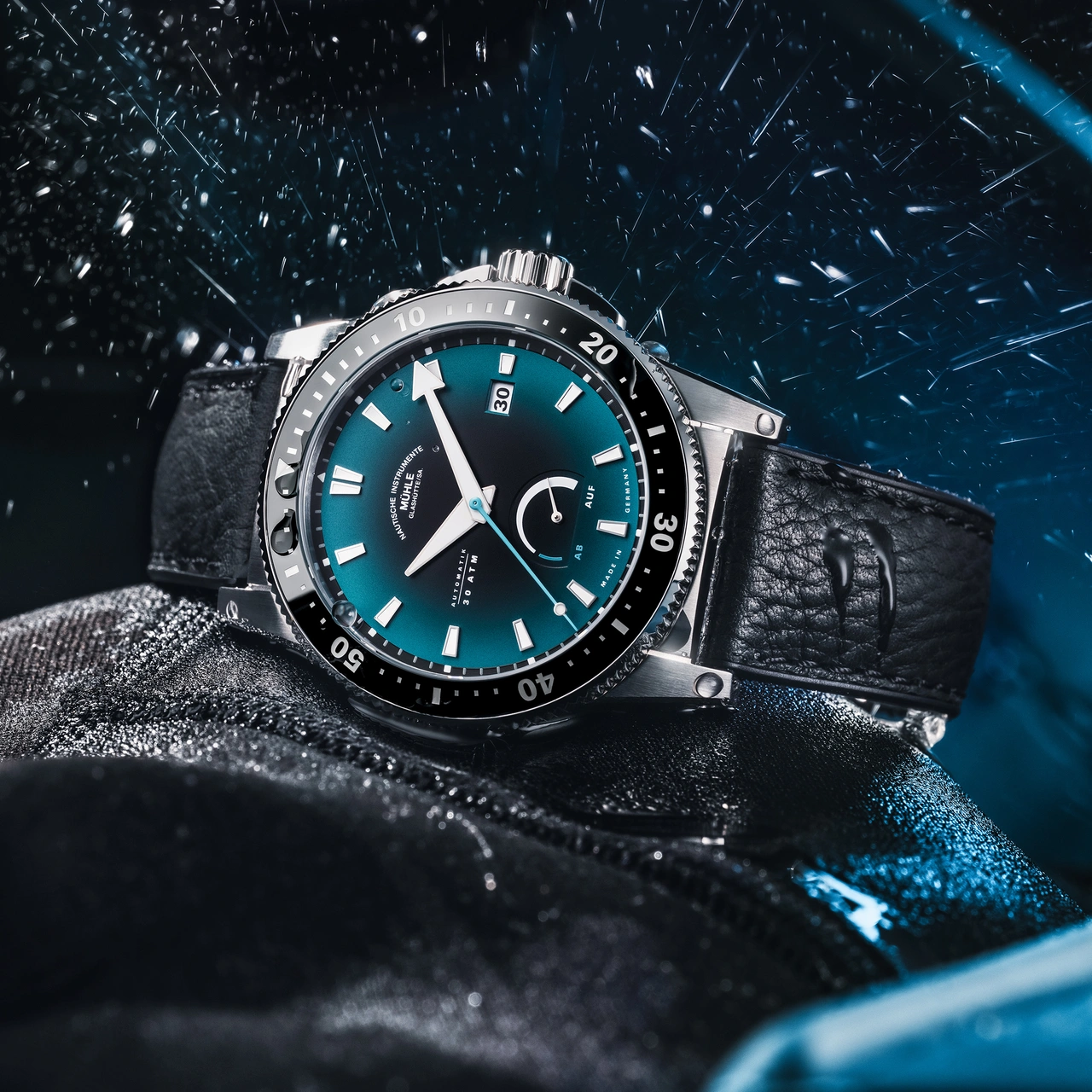
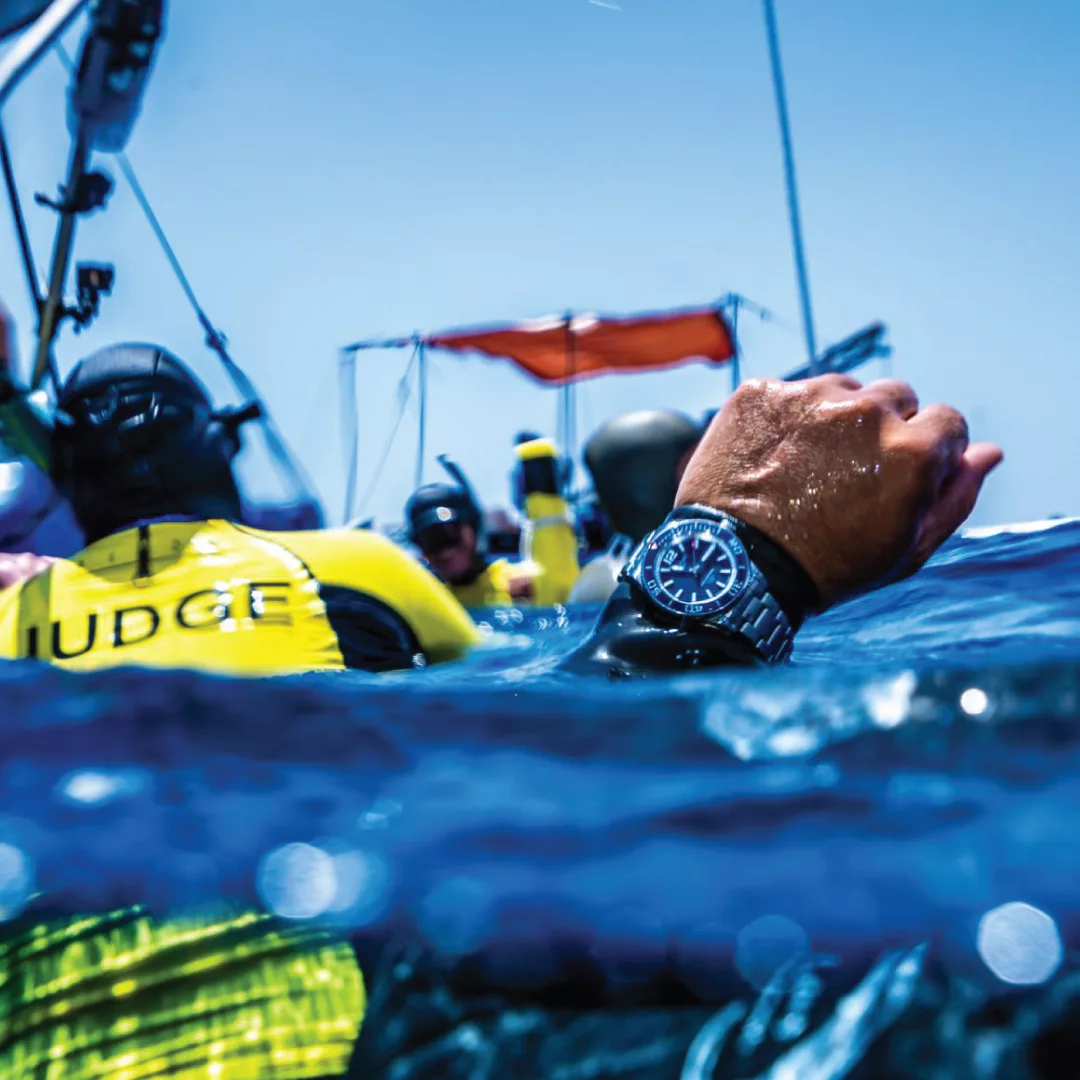
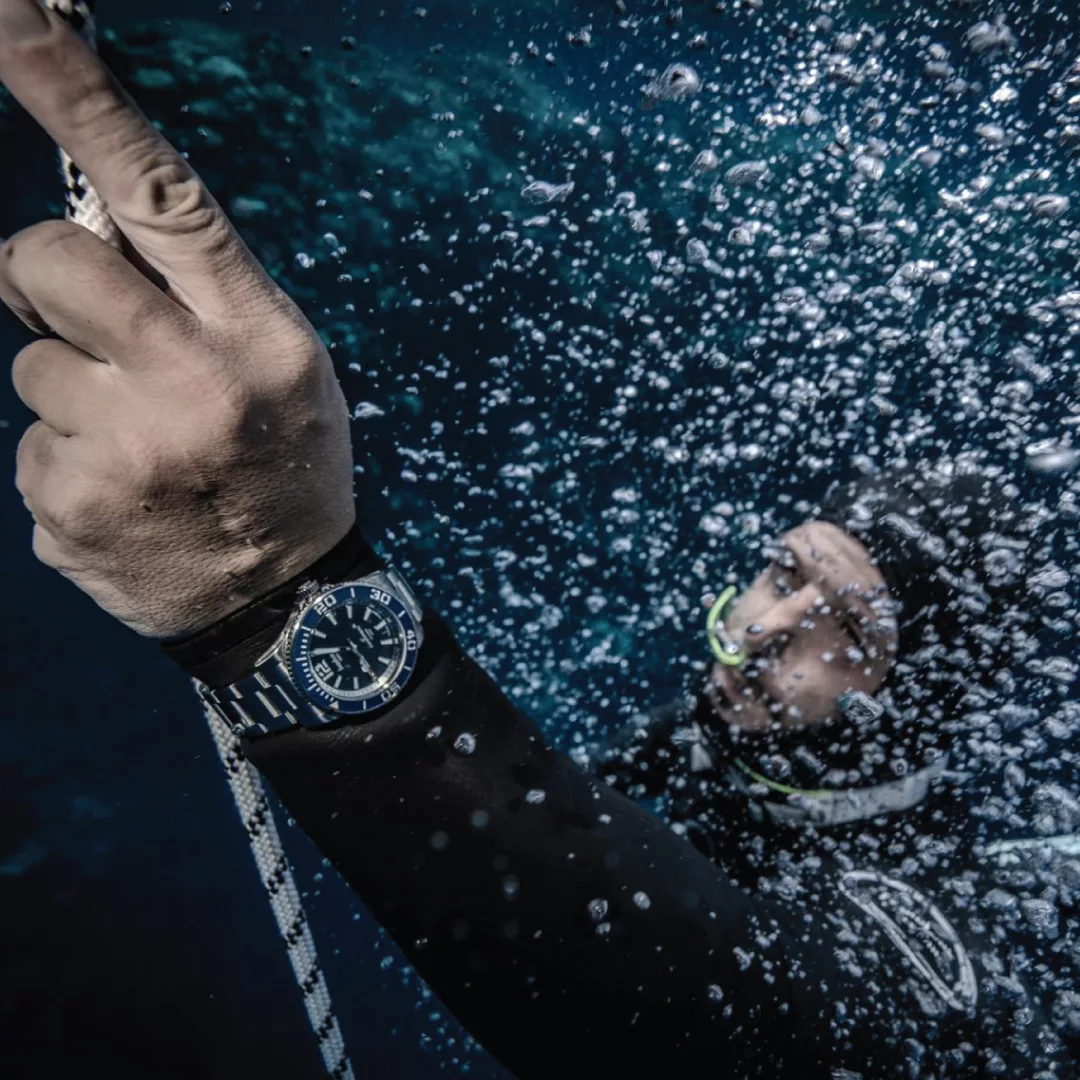
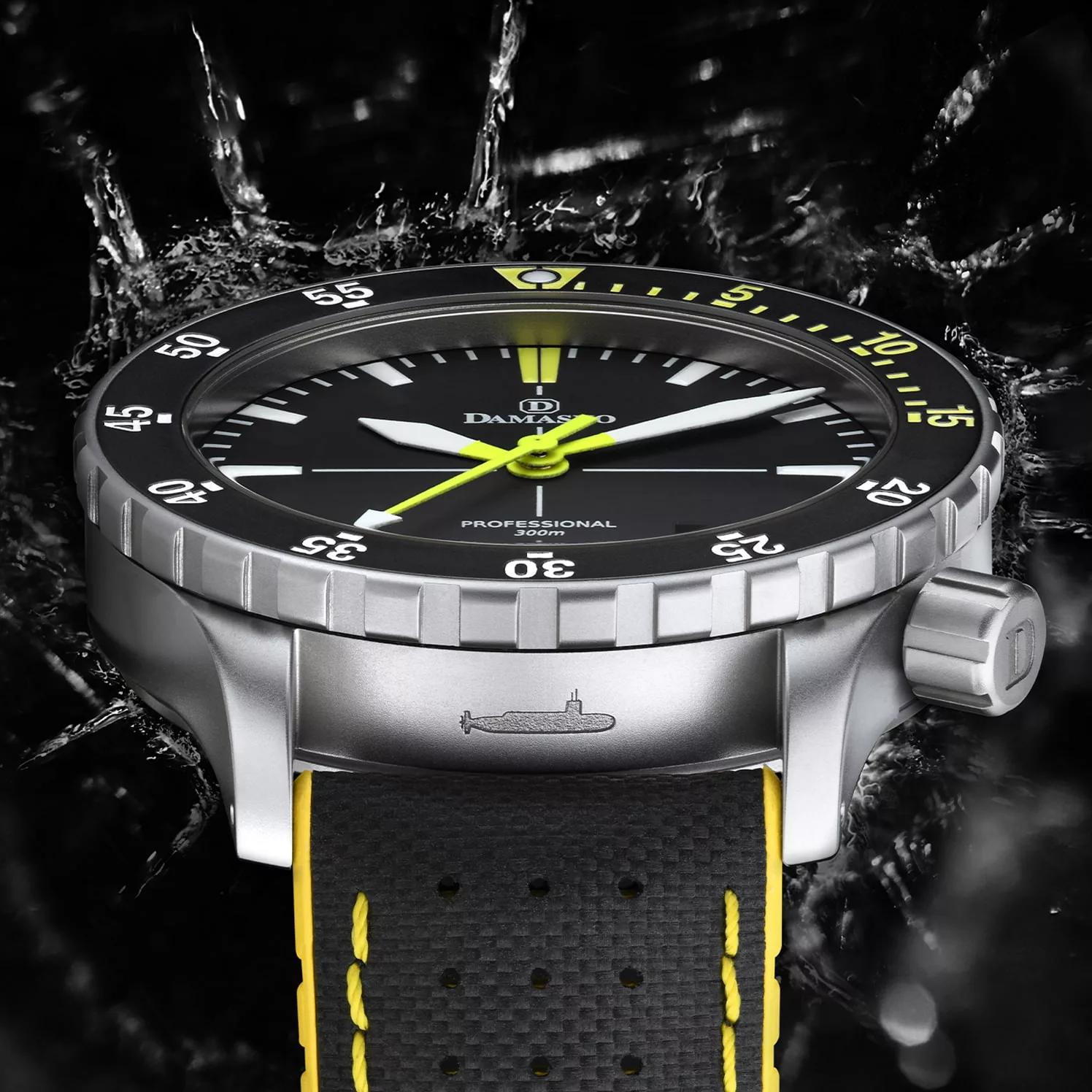
Water resistance is often misunderstood because the number on a dial or case back can sound more straightforward than it really is. A rating expressed in metres or bar is based on controlled pressure testing, not a licence to treat every watch the same way in surf, showers or diving conditions. True diving watches are judged against stricter expectations, including pressure resistance, legibility, security of the timing bezel and resistance to external influences. ISO 6425 is the recognised standard for diver’s watches, while brands like Damasko, Tutima, Muhle-Glasshutte, Hanhart, and Sinn also has diving models independently tested and certified for water resistance and pressure resistance. This distinction matters because a serious diving watch is not simply a watch that happens to survive water.
Humidity brings another kind of risk. Moisture inside a case can age oils, encourage corrosion and cause fogging beneath the crystal when the temperature changes quickly. Sinn’s Ar-Dehumidifying Technology addresses this problem with a combination of a drying capsule, special seals and a protective gas filling. It is a very Sinn-like solution because it deals with a practical weakness of sealed mechanical watches rather than adding complexity for its own sake. For a wearer, the visible drying capsule is also a small reminder that durability can be monitored, not just claimed.
Magnetic resistance has become more relevant as modern life has filled homes, cars, workshops and offices with magnetic sources. Speakers, tablet covers, handbag clasps, phone accessories and electronic devices can all expose a movement to fields that may affect rate performance. DIN 8309 is often used as a benchmark for anti-magnetic properties in watches, and Sinn references this standard across its range. Magnetism is rarely dramatic to look at, but its effects can be obvious on a timing machine. A watch that suddenly gains heavily may not be broken, it may simply have been magnetised.
For pilot’s watches, the testing framework becomes even more specific. DIN 8330, introduced in 2016, sets out requirements for pilot watches intended to serve as reliable timekeeping instruments in aircraft and helicopters. The standard considers functional safety, readability, resistance to external stresses and the ability of the watch to support timing tasks when other instruments fail or are suspected of failing. Sinn was closely connected with the development and use of this standard, which fits naturally with the brand’s long aviation focus. It also shows how standards can preserve the seriousness of a tool watch even when many are now worn in civilian life.

Case materials and surface hardening also play a role in durability, though they are sometimes confused with movement testing. A watch can be mechanically reliable yet still show heavy wear if the case and bezel are not suited to its intended use. Sinn’s Tegiment technology, for example, hardens the surface of the steel to improve resistance to scratches and abrasion. This does not make a watch indestructible, but it helps protect the clarity and structure of the case over years of wear. In a professional watch, external durability matters because the case is the movement’s first line of defence.

What makes this kind of testing valuable is that it turns trust into something more tangible. A watch is still a finely made mechanical object, not a sealed digital device, but good testing gives its capabilities clear boundaries. It tells the owner what the watch was designed to endure, where its strengths lie and how the watchmaker thinks about responsibility. At Define Watches, this is one of the reasons technical brands such as Sinn resonate so strongly. Their watches do not need to be loud to be interesting, because the real story is often found in the testing, the standards and the quiet engineering beneath the surface.