At first glance, the subdials on a chronograph can seem like decorative complications. They add balance, visual interest, and a sense of mechanical purpose to the dial. Yet on a well-designed chronograph, those smaller registers are not there to fill space. They are part of a carefully organised timing instrument, designed to record elapsed seconds, minutes, and sometimes hours with clarity and precision.
The chronograph has long held a special place in mechanical watchmaking because it gives the wearer more than the time of day. It turns a wristwatch into a measuring tool. Whether used for aviation, motorsport, navigation, medicine, sport, or everyday timing, the chronograph is built around the simple act of starting, stopping, and resetting an independent timing mechanism. The subdials are where much of that information is stored, displayed, and interpreted.
Most chronographs use the central seconds hand for the timing function, rather than for normal running seconds. When the chronograph is started, this long central hand begins its sweep around the dial, allowing elapsed seconds to be read with greater precision than a small hand could provide. The smaller subdials then support this by counting longer periods of elapsed time. One register may count 30 minutes, another may count 12 hours, while a separate small seconds display may show that the watch movement itself is running.
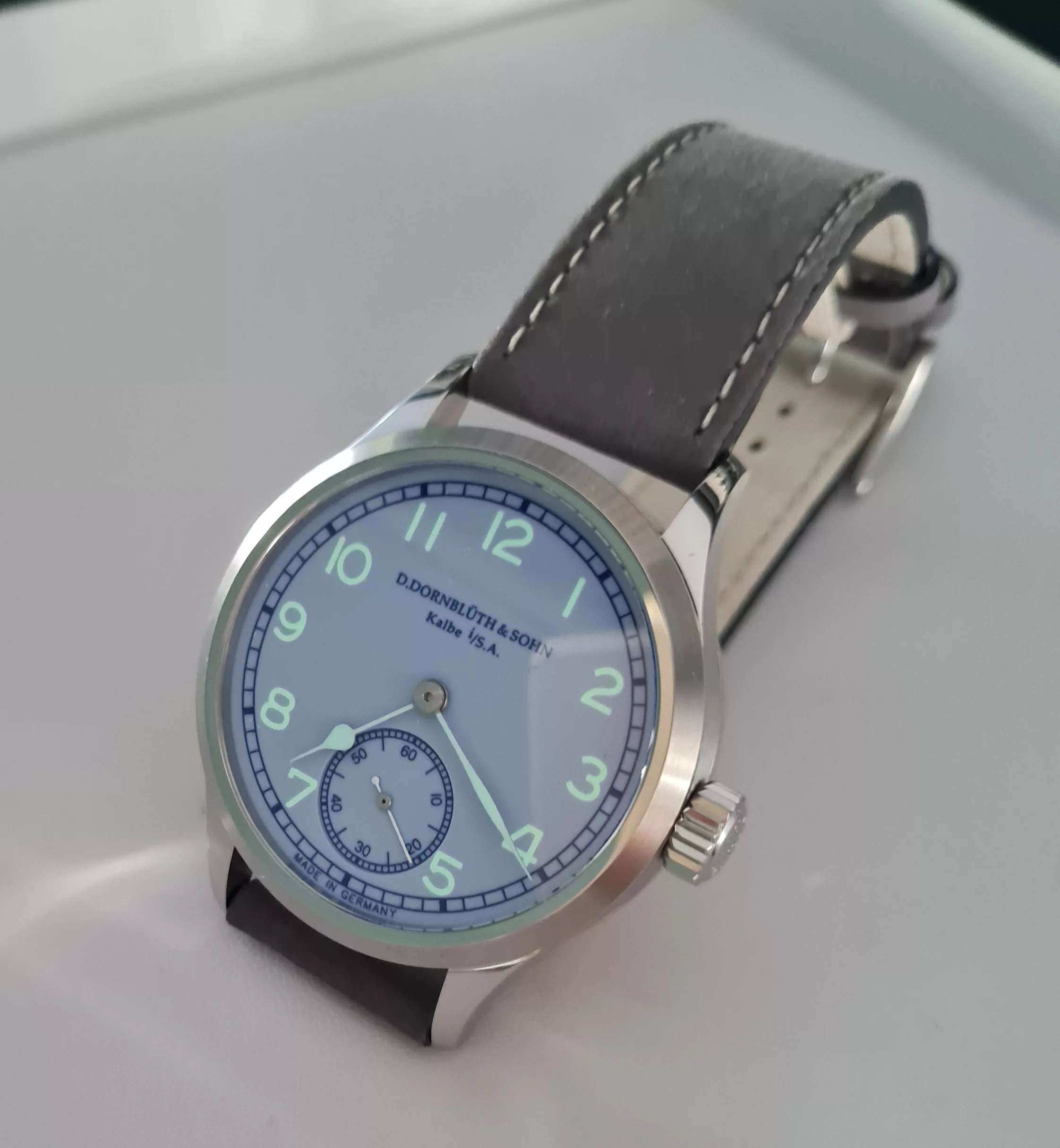
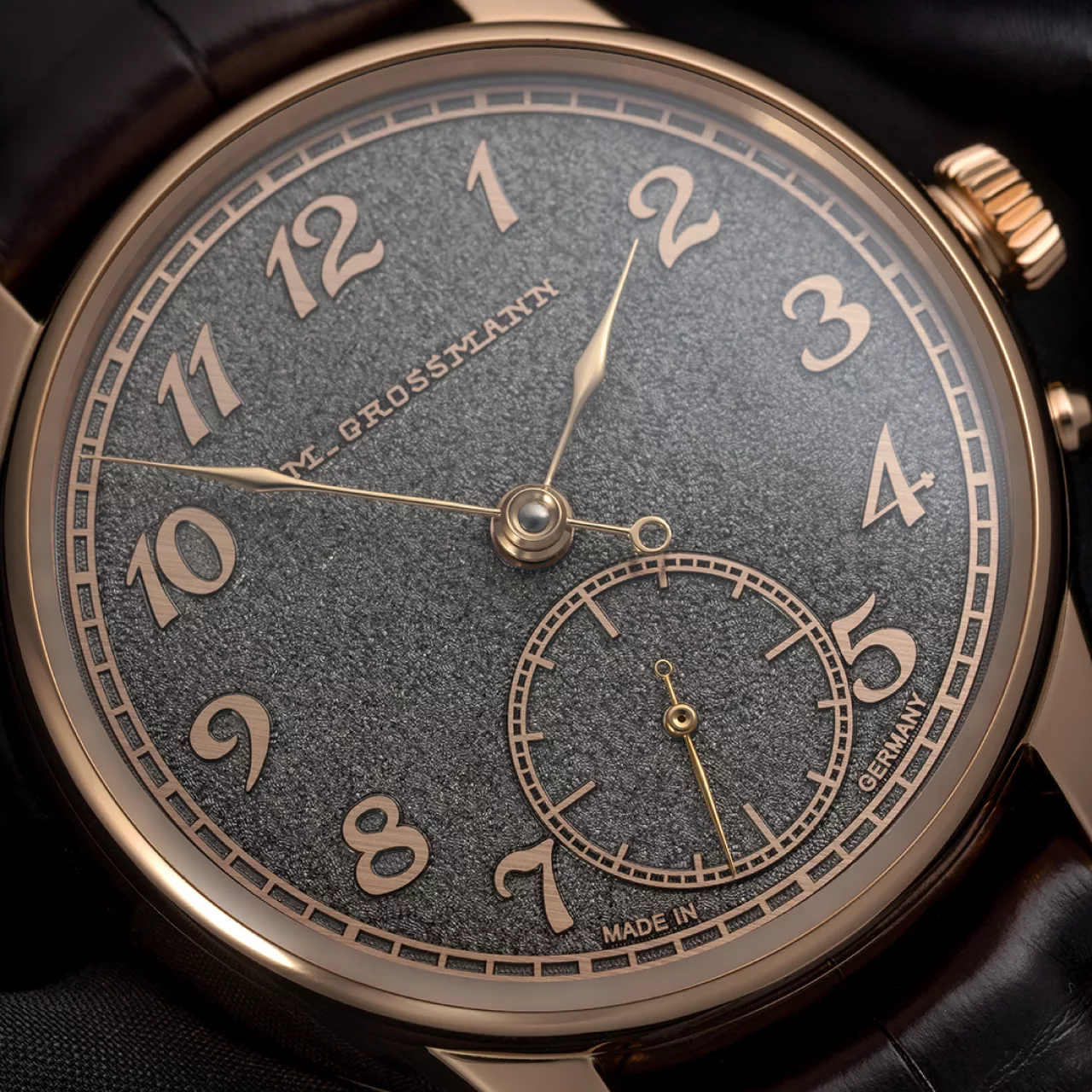
This distinction is important because not every subdial on a chronograph is part of the stopwatch function. A small seconds subdial, often placed at 3, 6, or 9 o’clock, usually belongs to the main timekeeping movement. It tells the wearer that the watch is alive and operating, but it does not necessarily measure the chronograph timing. The chronograph minute and hour counters, by contrast, advance only when the chronograph is engaged. Understanding this difference makes the dial far less mysterious and far more useful.
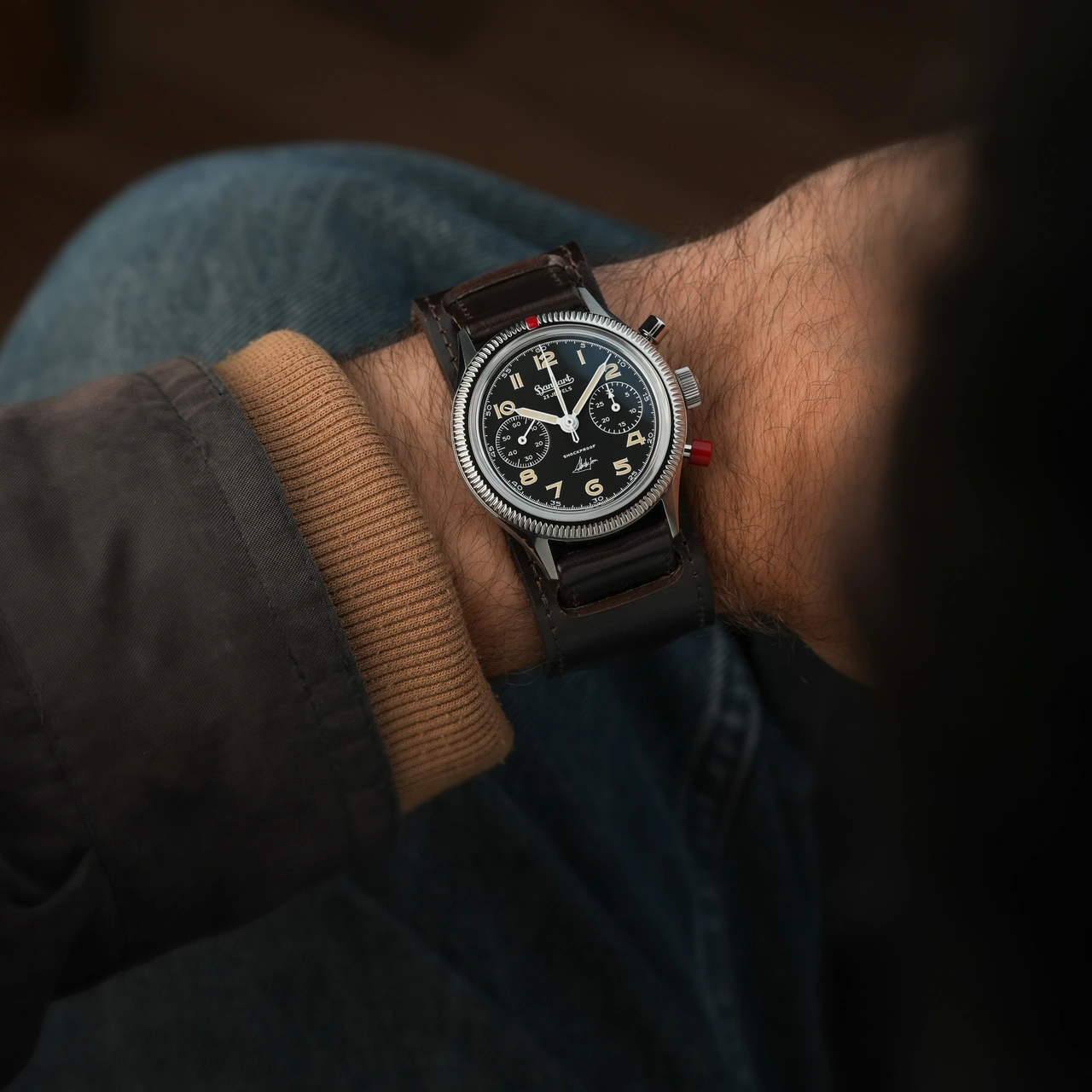
Brands such as Hanhart and Sinn demonstrate how subdial layout is shaped by purpose. Hanhart’s chronographs are deeply connected to aviation timing, with a visual language that favours immediacy and legibility. Their historic pilot’s chronographs often use bicompax arrangements, meaning two subdials placed horizontally across the dial. This layout is clean, symmetrical, and highly readable, allowing the wearer to separate active timing information from the standard time display at a glance.
The Hanhart approach also shows how design details can support function without becoming excessive. Strong contrast, clearly printed scales, distinctive numerals, and purposeful hand shapes all contribute to the instrument character of the watch. On many Hanhart chronographs, the subdials feel integrated rather than decorative. They sit within the dial architecture with enough prominence to be useful, but without overwhelming the main hands or reducing the watch to a cluttered technical display.
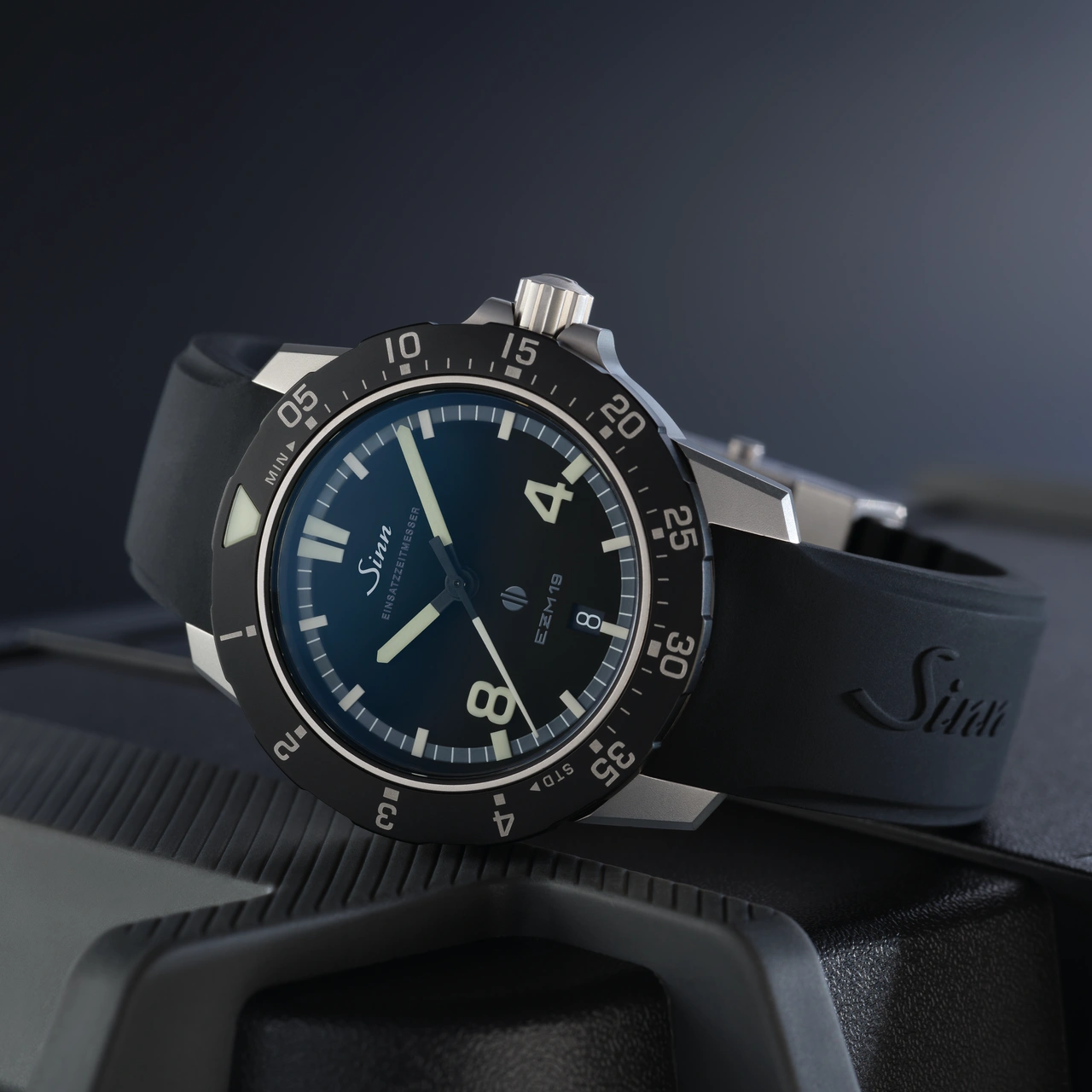
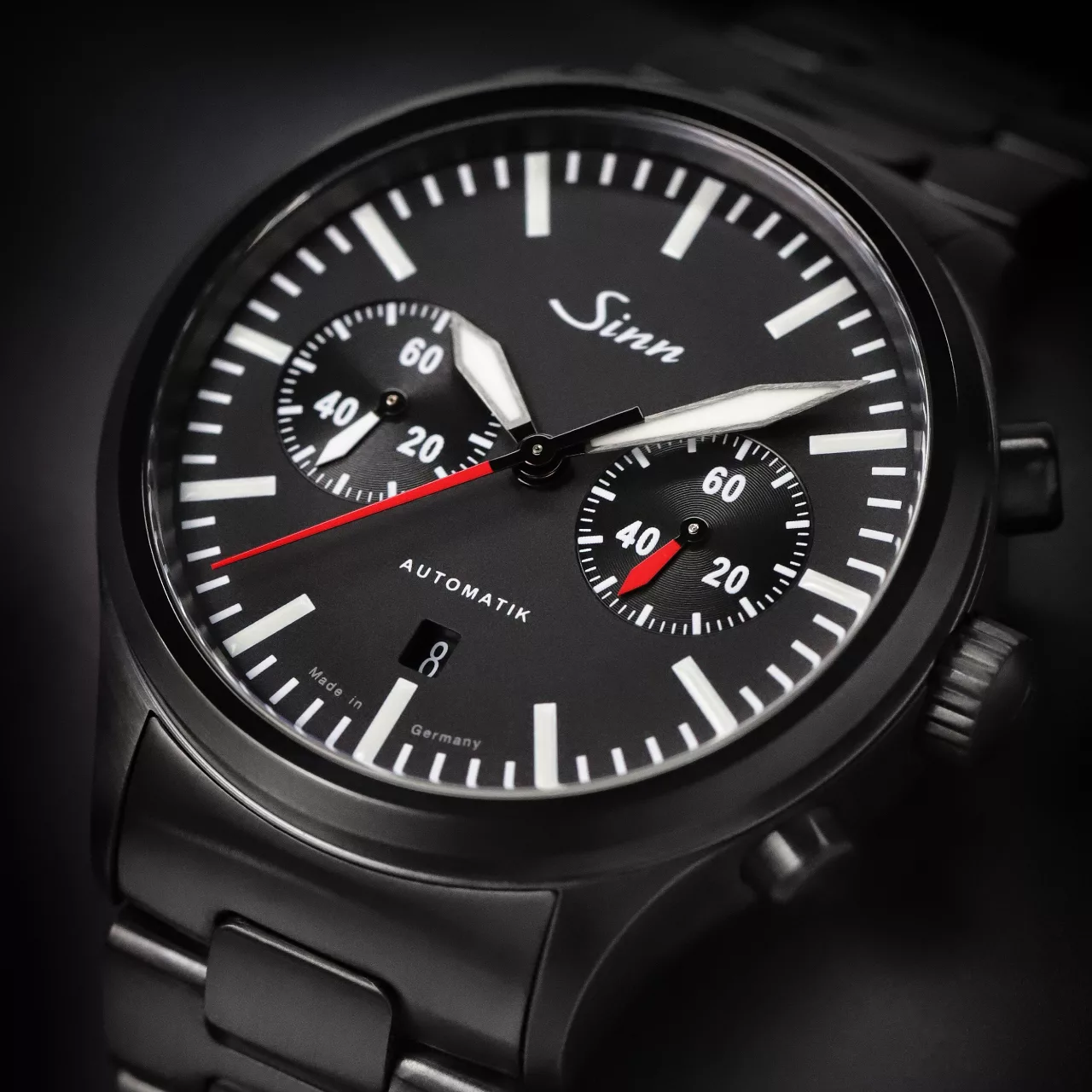
Sinn, on the other hand, is known for a particularly pragmatic form of German instrument design. The Frankfurt-based manufacturer has built its reputation on pilot’s watches, mission timers, diving watches, and chronographs engineered for demanding environments. In Sinn chronographs, the placement and execution of subdials often reflect a strong commitment to readability under pressure. The design logic is rarely about visual flourish. It is about making sure the wearer can read the information quickly, accurately, and confidently.
This is where the design principles behind subdials become especially interesting. A chronograph dial must balance several competing needs. It needs to show the current time, allow elapsed time to be measured, maintain visual hierarchy, and remain legible in changing conditions. If the subdials are too small, the information becomes difficult to read. If they are too large, they can interrupt the hour markers or weaken the overall balance of the dial. The best chronograph designs resolve this tension with quiet intelligence.
Subdial placement is partly determined by the movement underneath. Mechanical chronograph movements have fixed gear train architecture, which influences where the counters can sit. A tricompax layout, with three subdials typically arranged at 3, 6, and 9 o’clock, often gives the dial a technical and balanced appearance. A bicompax layout, with two subdials, can feel more open and classically restrained. Neither is inherently better. Each layout simply serves a different design and functional character.
The scales within the subdials also matter. A 30-minute counter must be marked clearly enough for the wearer to read elapsed minutes without hesitation. A 12-hour counter needs visual restraint, as too much detail can make it harder to interpret. The small seconds register, when present, should remain useful without competing with the chronograph counters. In a well-executed chronograph, the wearer should instinctively know where to look, even before thinking through the function.
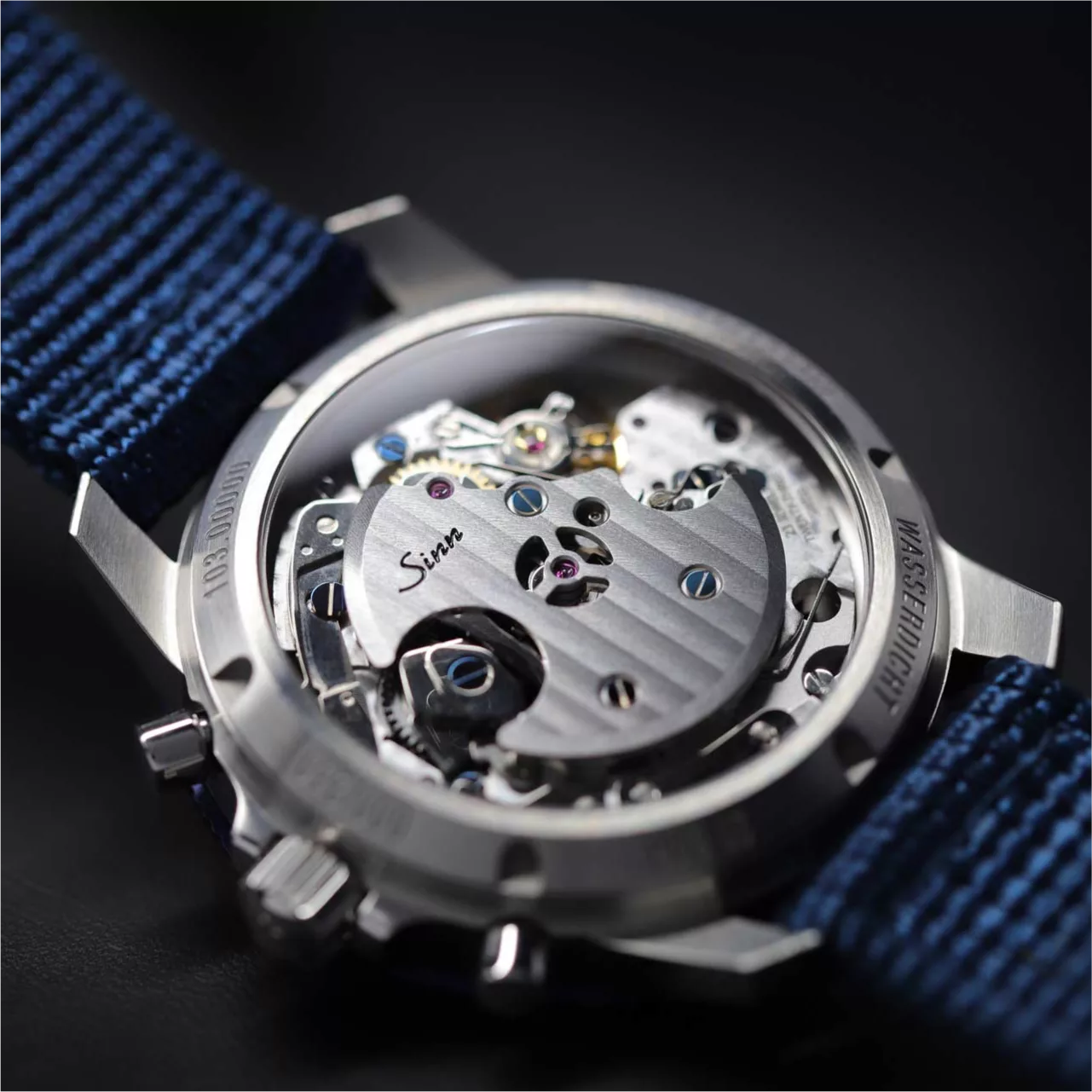
There is also a rhythm to using a mechanical chronograph that modern digital timing does not quite replicate. Pressing the start pusher engages a physical system of levers, wheels, clutches, and springs. The central seconds hand moves, the minute counter waits for its next jump or gradual advance, and the subdials begin to build a record of elapsed time. Each indication is mechanical, visible, and connected to the action of the movement beneath the dial. This is part of why chronographs continue to hold such appeal among enthusiasts.
Hanhart and Sinn both remind us that a chronograph is not simply a watch with extra hands. It is an instrument, and the subdials are part of its language. They show how time can be divided, counted, and understood in practical increments. Their layouts reflect aviation, motorsport, engineering, and German design discipline, but they also reveal something more human. The fascination lies not only in measuring time, but in seeing that measurement unfold mechanically, one small dial at a time.