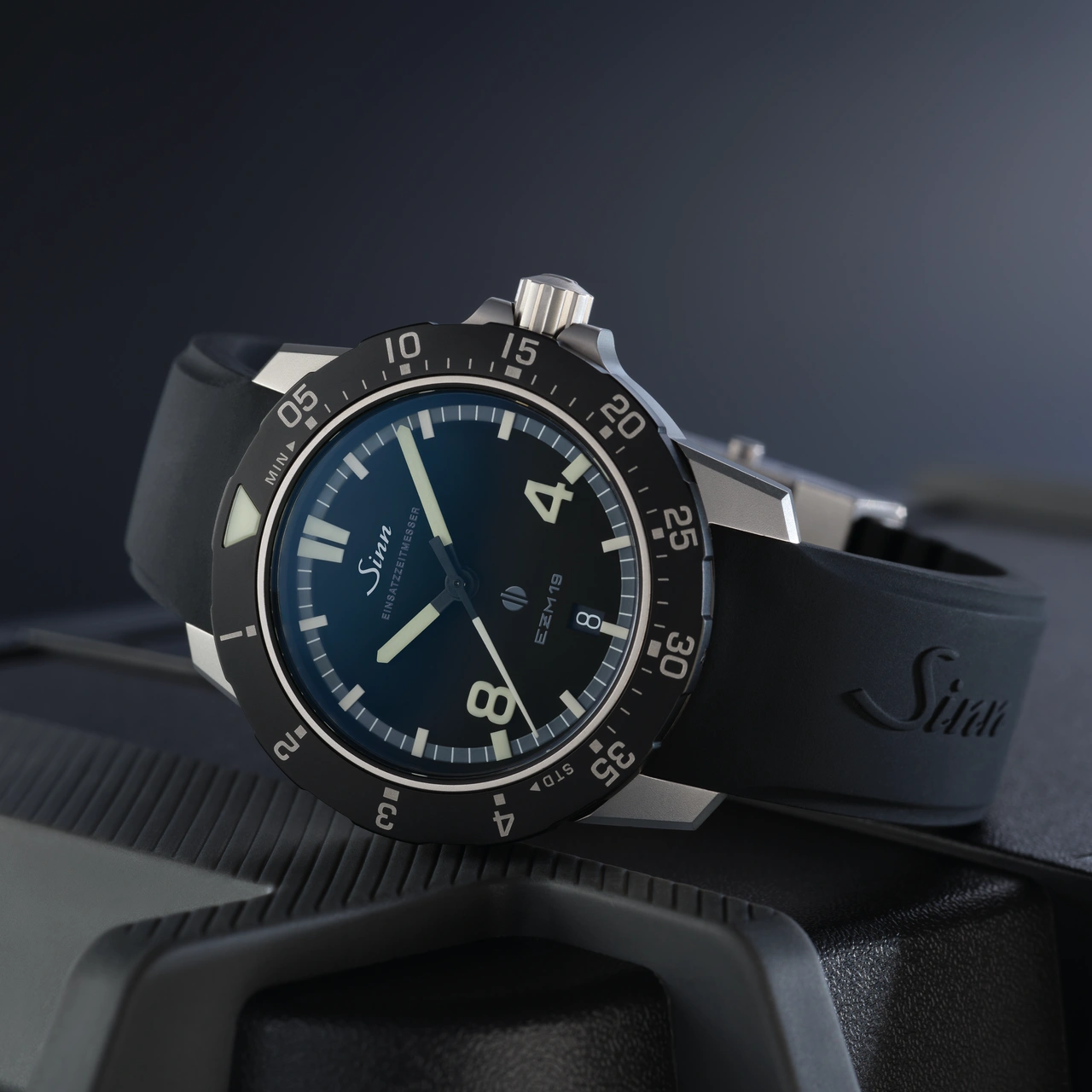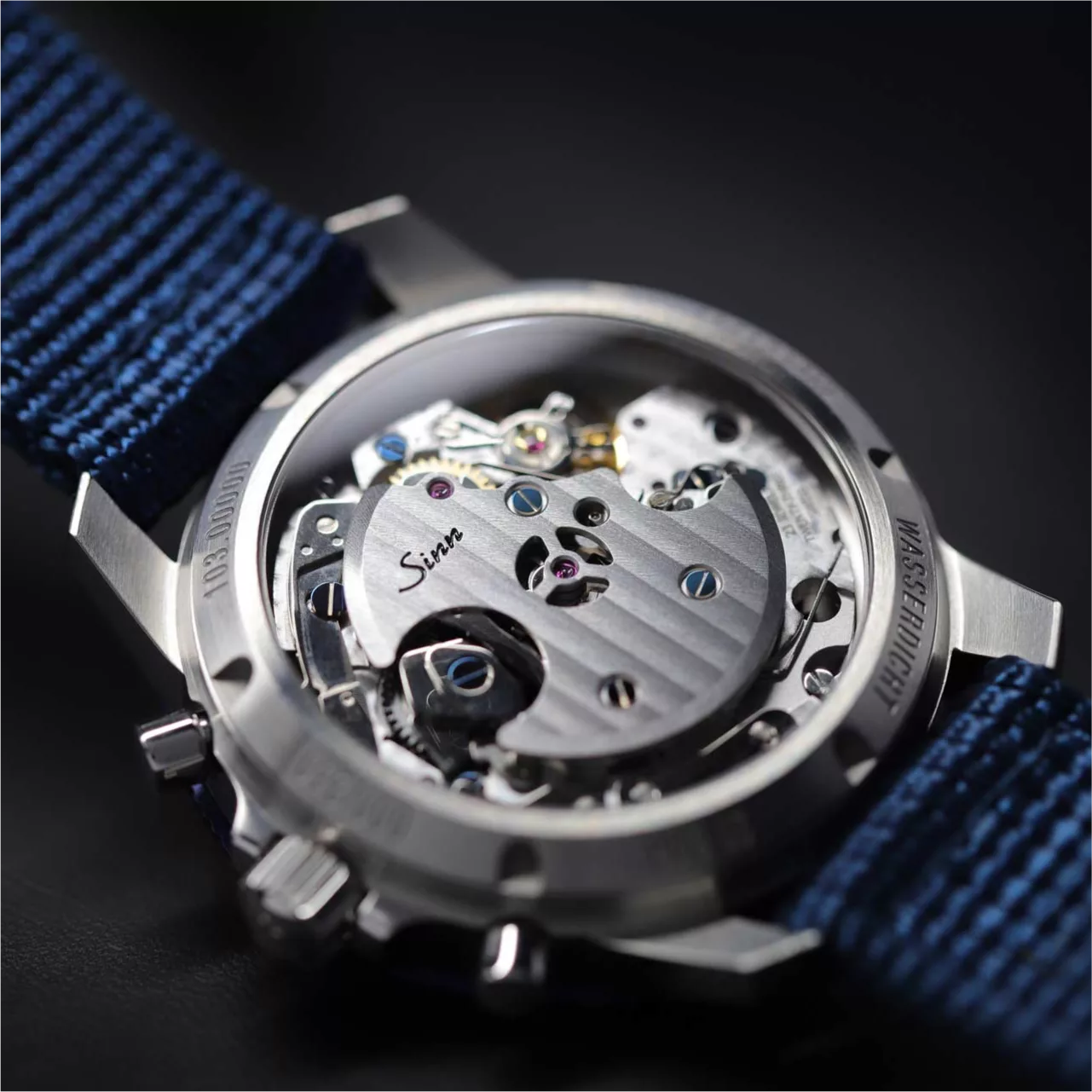
Over the past few decades, the watch industry has consolidated at an extraordinary pace. Once-independent maisons now sit within vast corporate groups, driven by global scale, marketing power, and predictable commercial cycles. While this has brought consistency and reach, it has also created a quiet counter-movement. Independent watchmakers have emerged as a reminder that horology was never meant to be anonymous.
Independent watchmaking is not defined by size alone, but by intent. These are workshops where design decisions are made by the same people who assemble, regulate, and finish the movements. Production numbers are measured in dozens or hundreds rather than tens of thousands, and every technical choice reflects personal philosophy rather than shareholder expectation. The result feels different on the wrist because it is different at its source.
One of the most compelling aspects of independents is their freedom to prioritise function, mechanics, and integrity over trend. Without seasonal marketing demands or rigid design language imposed from above, independent makers can refine ideas slowly. They revisit traditional solutions, improve them incrementally, and often arrive at results that feel timeless without trying to be nostalgic.
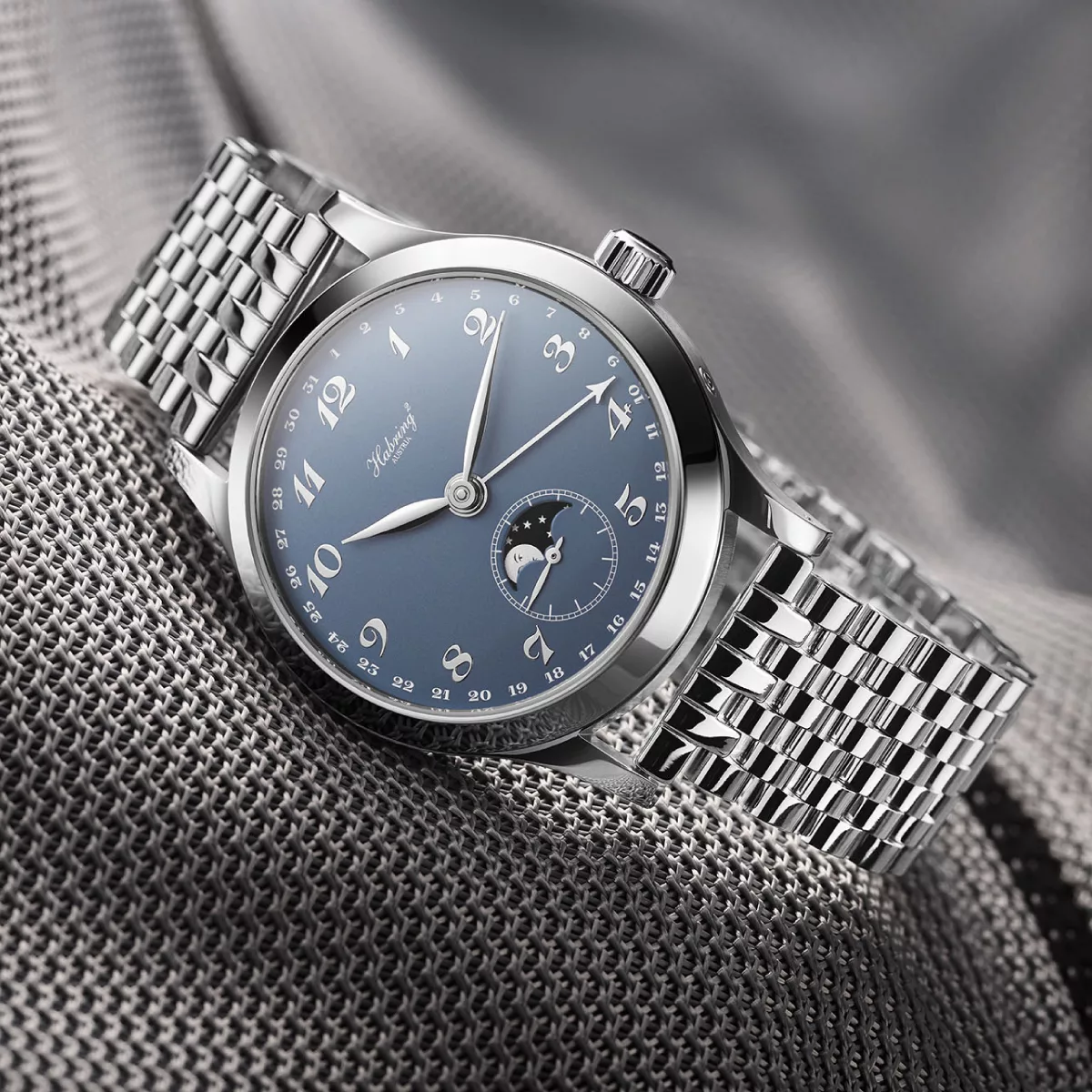
Habring2 is a perfect example of this approach. Based in Austria, Richard and Maria Habring have built their reputation on engineering clarity and mechanical honesty. Their movements are designed in-house with an emphasis on serviceability and long-term reliability, not decorative excess. Complications such as deadbeat seconds or rattrapante chronographs are executed with restraint, proving that technical sophistication does not need theatrical presentation.
That same clarity defines the way independents think about value. Rather than allocating resources to elaborate packaging or global campaigns, investment goes into components, tolerances, and finishing where it actually matters. When a watch is assembled and regulated by the people who conceived it, accountability becomes personal. The watchmaker’s name is not a logo, it is a signature.
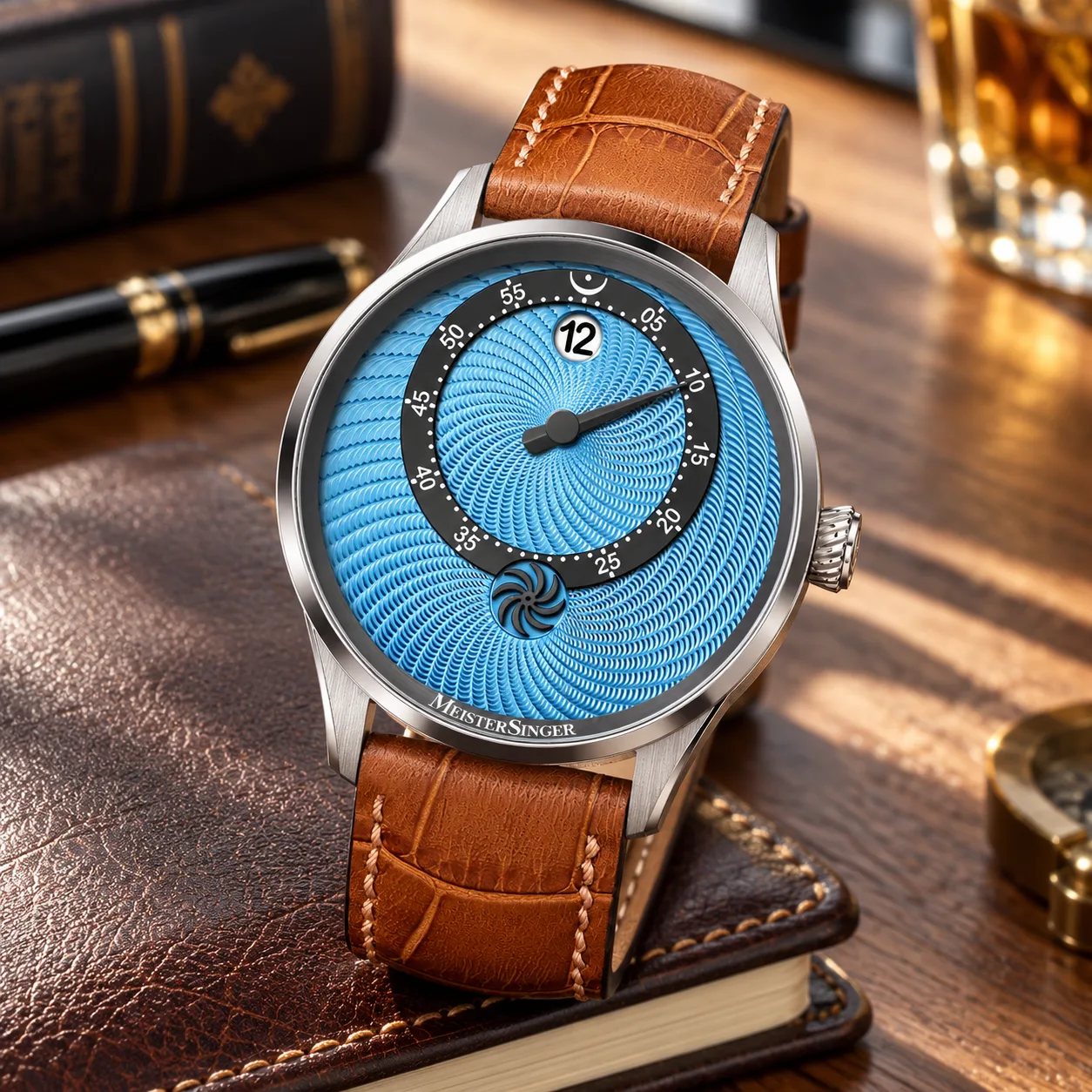
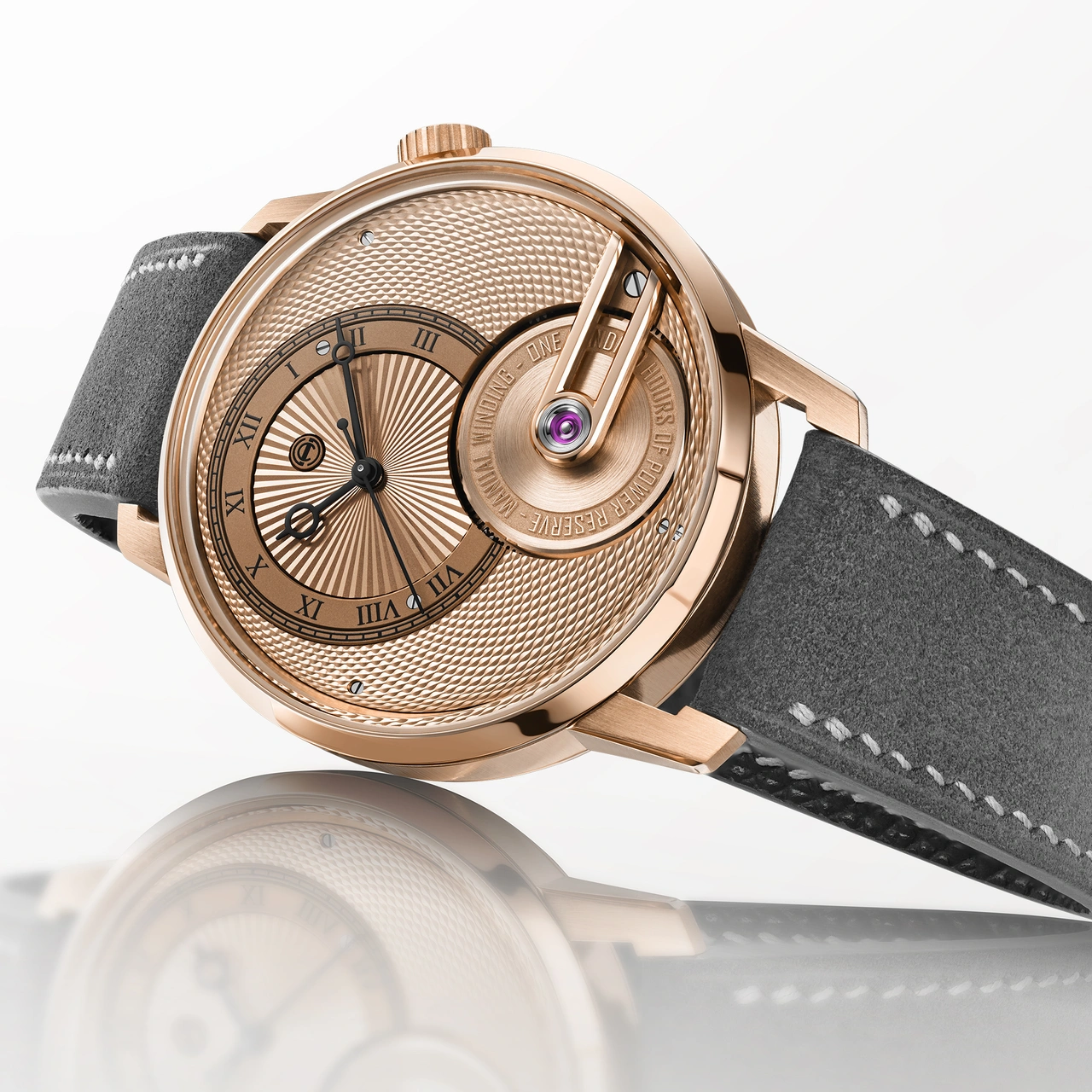
Where some independents focus on engineering, others devote themselves to traditional decorative crafts that are increasingly rare. Benzinger represents a lineage of hand-finishing that borders on the artistic. Guilloché, skeletonisation, hand engraving, and fire-blued steel are not aesthetic add-ons, but core disciplines. Each dial and movement plate becomes an individual object, shaped by hours of manual work that no automated process can replicate.
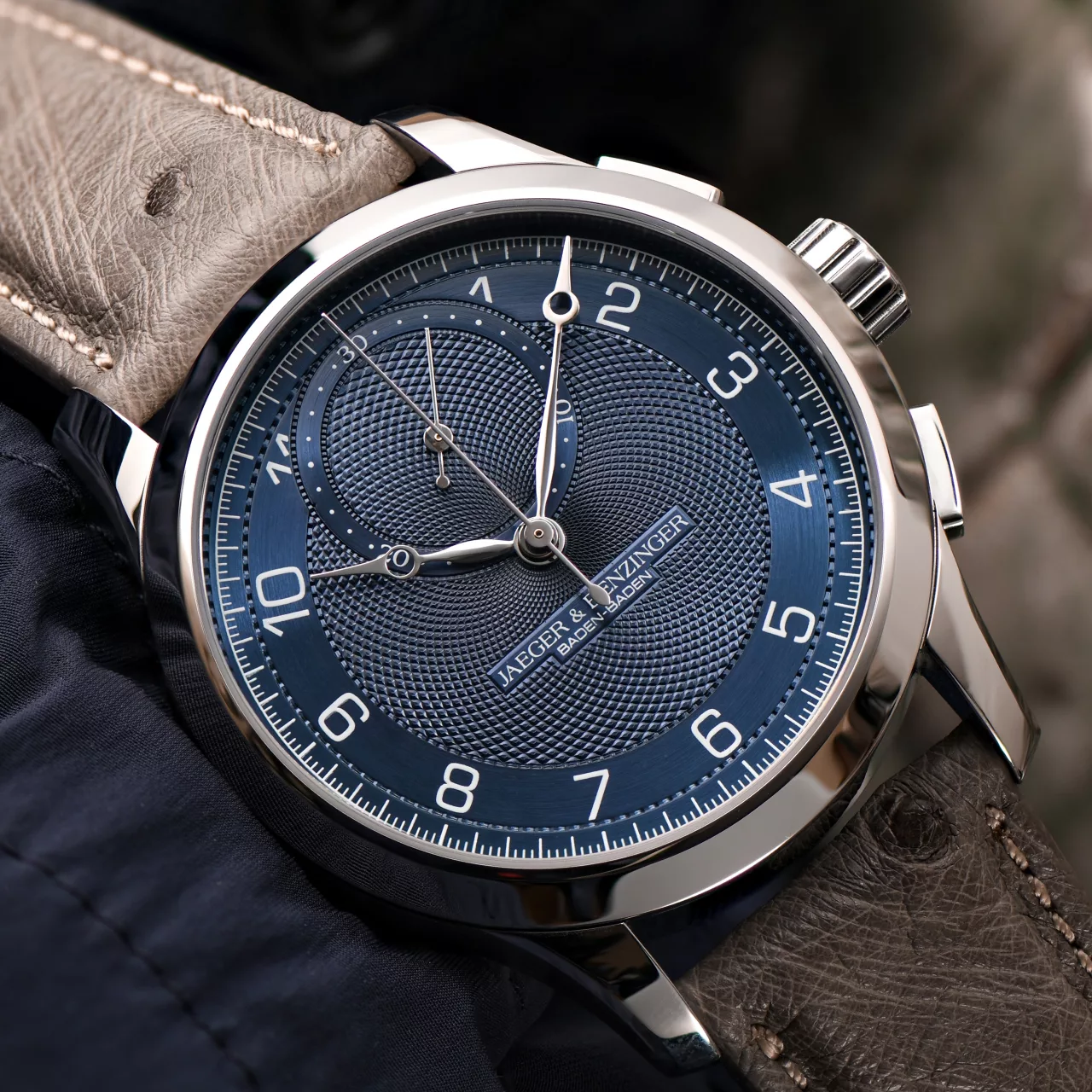
This level of craftsmanship introduces subtle imperfections that paradoxically define quality. Light catches differently on a hand-turned surface, edges soften under polishing, and no two pieces are ever identical. In an era where precision is often equated with uniformity, independents remind us that character is born from the human hand.
In the historic heart of German watchmaking, Dornblüth & Sohn continues a tradition that feels almost untouched by time. Their watches are built using in-house movements inspired by historical Saxon pocket watches, with German silver plates, gold chatons, and hand-finished components. Production remains intentionally small, ensuring that each watch receives the attention it deserves.

What connects these makers is not a shared aesthetic, but a shared philosophy. Independence allows them to work at a human pace, maintain direct relationships with their clients, and remain accountable for every decision. There is no separation between concept and execution, and no dilution of responsibility along the way.

For collectors, the appeal is deeply personal. Wearing an independent watch often comes with knowing who designed it, who assembled it, and why it exists in its current form. The story is not invented by a marketing department, it is embedded in the movement architecture, the finishing choices, and the way the watch wears over time.
As the industry continues to evolve, independent watchmakers serve as a quiet anchor. They preserve techniques that would otherwise disappear, challenge conventional definitions of value, and remind us that true watchmaking is not about scale. It is about intention, integrity, and the enduring relationship between the maker and the wearer.