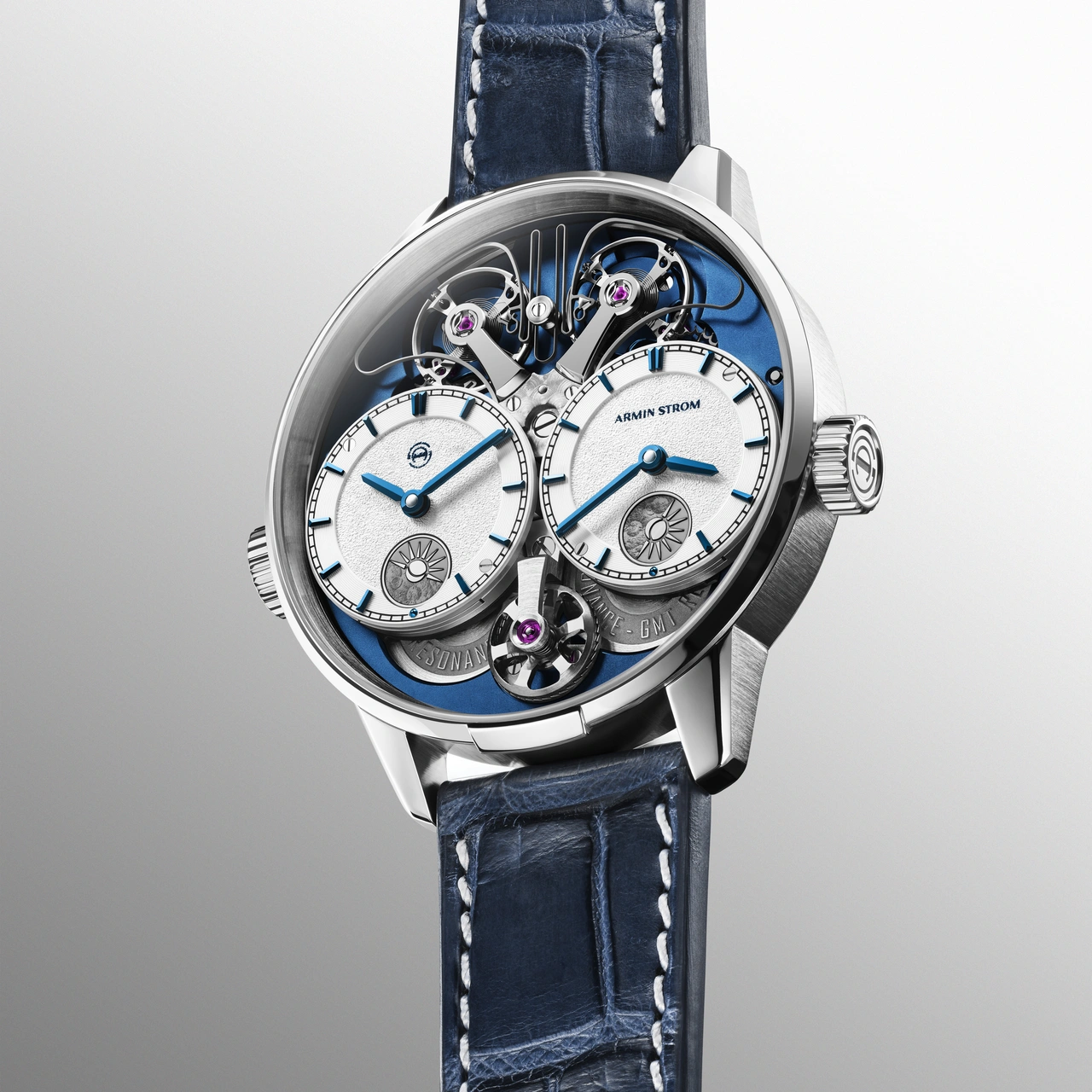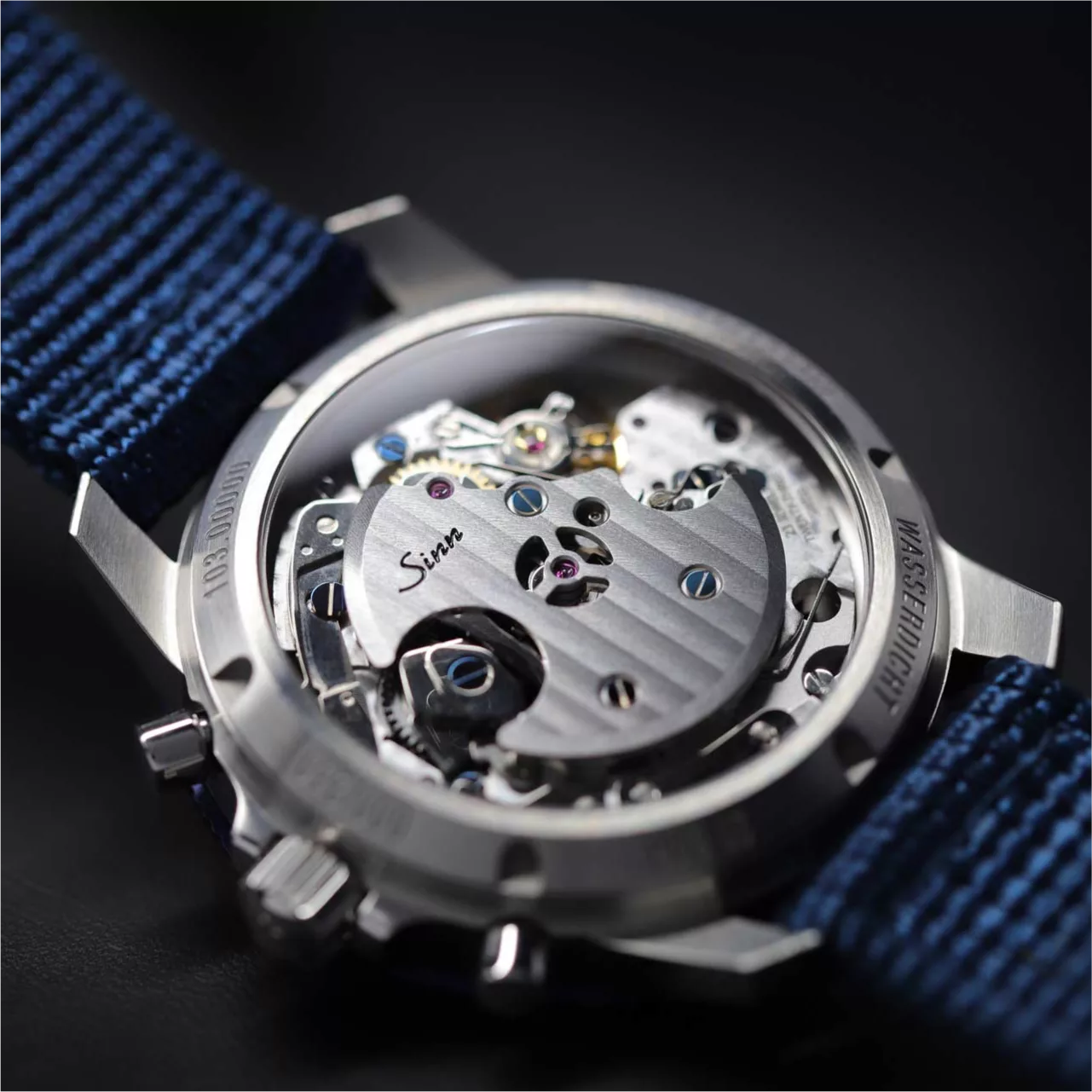
Every mechanical watch, no matter how simple or complex, begins its sense of time with a single rhythmic motion. Hidden beneath the dial and bridges, the balance wheel swings back and forth with quiet consistency, setting the pace for everything that follows. It is small, delicate, and easily overlooked, yet without it, a mechanical watch is nothing more than a collection of static parts.
The balance wheel can be thought of as the heartbeat of a watch. Its steady oscillation divides time into equal moments, allowing the gears to advance in measured steps rather than uncontrolled motion. Each swing governs how energy is released from the mainspring, transforming stored power into the familiar ticking sound that defines mechanical watchmaking.
Attached to the balance wheel is the hairspring, an even finer component that plays an equally vital role. This slender spiral of metal expands and contracts as the balance wheel moves, gently pulling it back toward its centre point. Together, the balance wheel and hairspring form a regulating system that determines the watch’s rate, its accuracy, and its character.
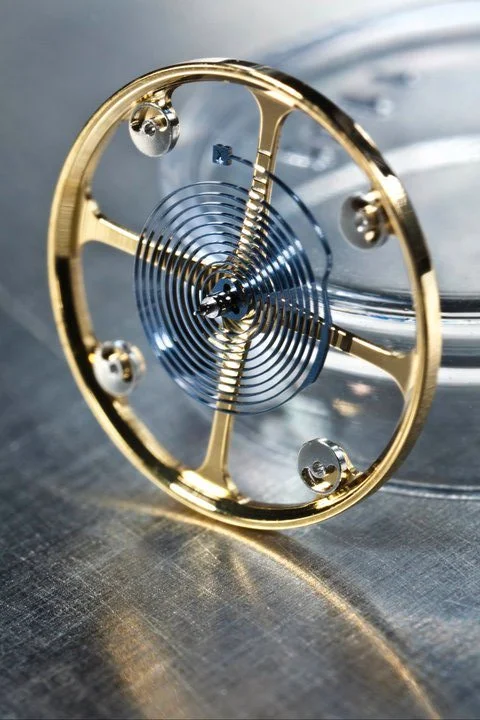
What makes this assembly so remarkable is its simplicity. There are no electronics, sensors, or external references involved. Time is regulated purely through physics, material choice, and careful adjustment by a watchmaker’s hand. It is a solution refined over centuries, yet still central to modern mechanical watches.
The craftsmanship involved in producing a balance wheel and hairspring is often underestimated. The wheel must be perfectly poised so that its mass is evenly distributed, otherwise its motion becomes uneven. The hairspring must be shaped with extraordinary precision, as even the slightest distortion can alter the watch’s timing. These are not components that tolerate shortcuts.
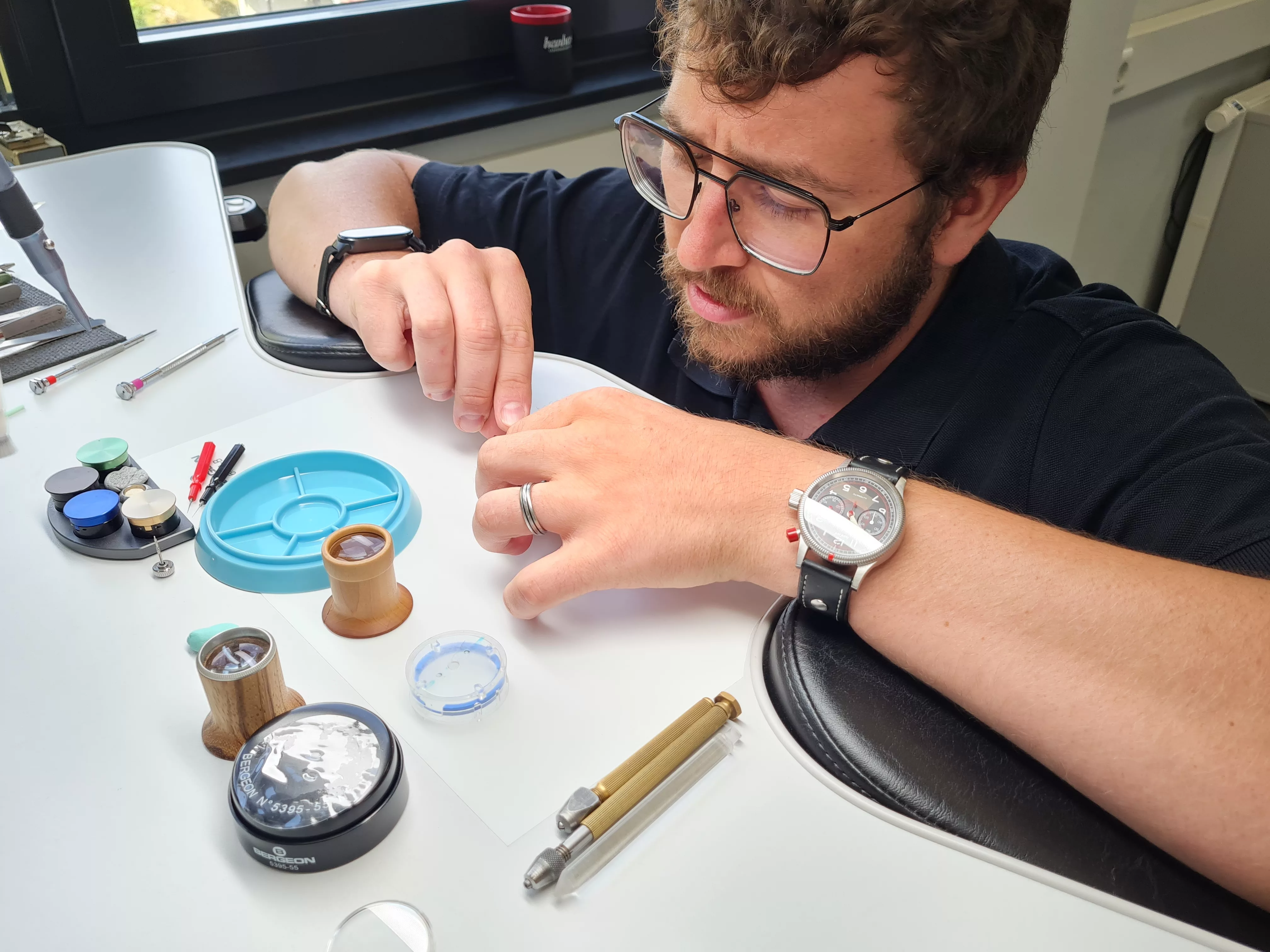
In many independent workshops, particular care is given to finishing and regulating this assembly. Edges are polished, surfaces are smoothed, and adjustments are made incrementally, sometimes over several days. Regulation is not rushed, as the goal is stability across different positions and conditions, not just a single impressive timing result.
Materials also play a significant role. Traditional hairsprings were made from steel, but modern alloys are often used for their resistance to temperature changes and magnetism. Balance wheels may feature fine adjustment screws or variable inertia systems, allowing watchmakers to tune performance without altering the hairspring itself.

Despite advances in materials, the essence of the balance wheel remains unchanged. It is still a mechanical oscillator relying on harmony between mass and elasticity. When properly executed, this harmony gives a watch its calm, even cadence, something that can be felt as much as measured.
For collectors and enthusiasts, understanding the balance wheel deepens appreciation for what lies beneath the dial. It explains why regulation matters, why servicing is essential, and why two watches using the same movement can feel subtly different on the wrist. Much of that individuality comes down to how this tiny system has been finished and adjusted.

At Define Watches, time spent with independent watchmakers often reveals how much pride is placed in this hidden component. Conversations regularly return to regulation, stability, and long-term performance. These are not abstract concepts, but practical expressions of care and responsibility toward the craft.
In an age where time is often measured digitally and silently, the balance wheel offers something quietly reassuring. Each oscillation is a reminder that mechanical watchmaking is alive, deliberate, and human at its core. Every tick truly does begin here.