Water resistance is one of the most common specifications in watchmaking, and one of the easiest to misunderstand. A number on the dial or caseback can look reassuring, but it is only meaningful when you understand what sits behind it. Proper water resistance is not one part doing the heavy lifting, it is a system of seals, materials, tolerances, and assembly standards designed to keep moisture out while the watch is under pressure.

The foundation of that system is the gasket. These seals sit at every point where the case is interrupted, around the crystal, crown, caseback, and any pushers. Gaskets are typically made from elastomers such as nitrile rubber or fluorocarbon compounds, chosen for their ability to stay flexible and stable over time. A gasket does not need to look damaged to fail, it can harden slowly, shrink slightly, or lose its sealing shape after years of heat, sweat, detergents, and salt exposure.
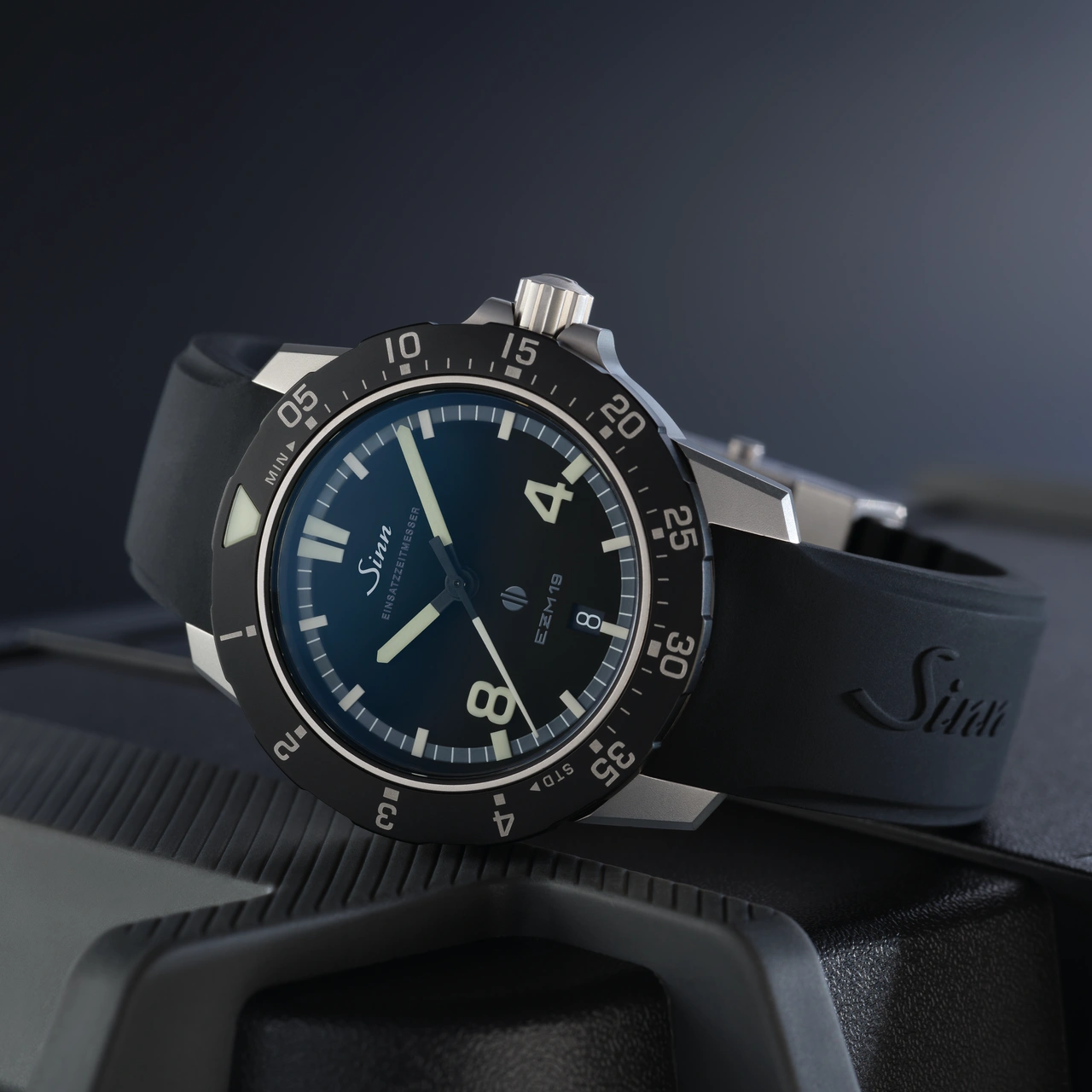
Most water ingress starts at the crown, simply because it is the part that moves and is handled most. A screw-down crown improves resistance by mechanically compressing the crown gasket as it is secured against the case tube. This is different from a push-pull crown, which relies more heavily on gasket friction alone. Brands such as Sinn and Damasko are known for treating crown construction as a precision engineering exercise, with close tolerances and robust components that maintain sealing integrity through repeated use.

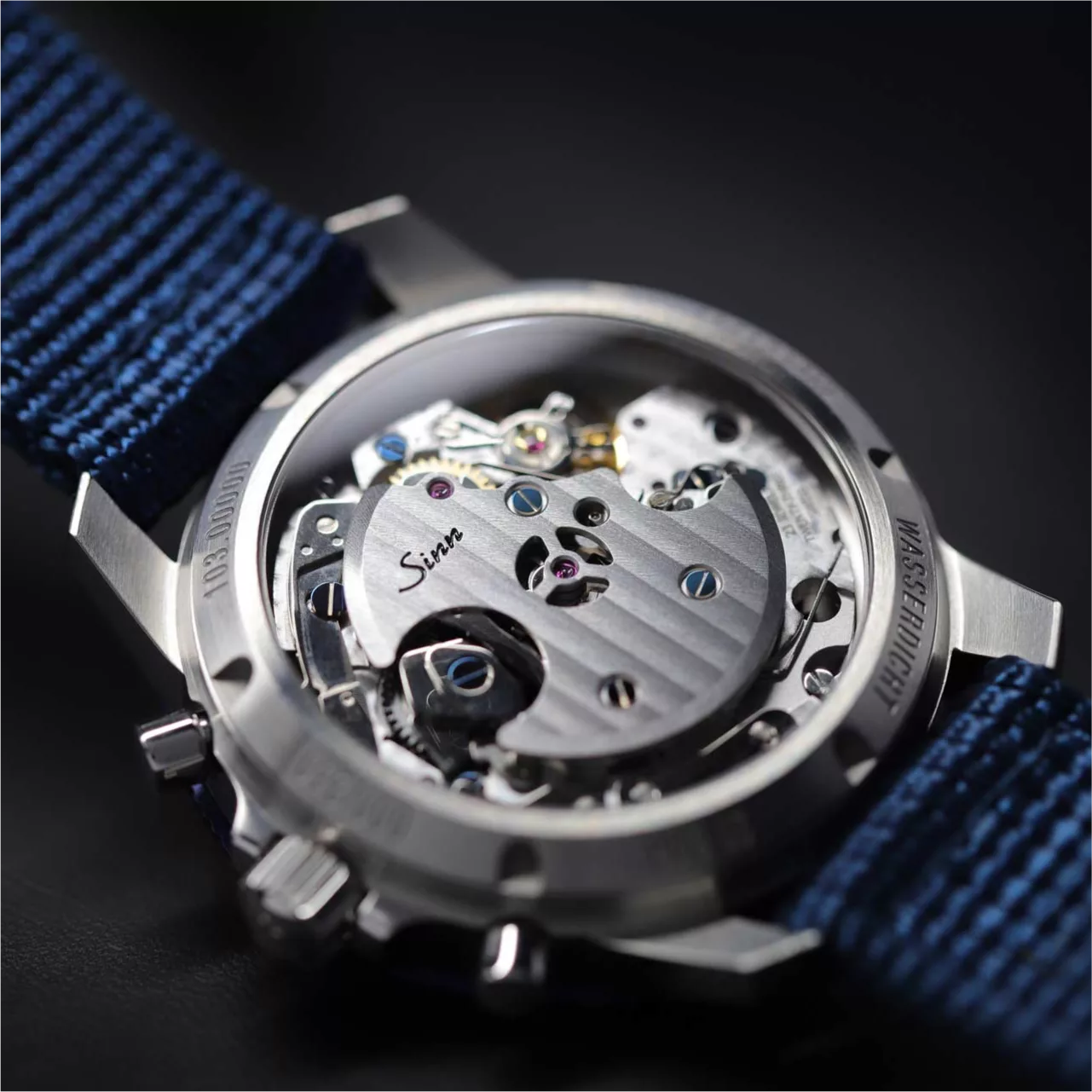
Casebacks matter just as much, because they provide one of the largest sealing surfaces in the watch. Screw-in casebacks are widely used on tool watches because they apply consistent compression across the gasket when tightened to a defined torque. Snap-on casebacks can be effective in lower pressure applications, but they are more sensitive to deformation and assembly variation. When the goal is predictable performance under pressure, mechanical fastening is the safer and more repeatable approach.
The crystal is another critical boundary, and how it is fitted often matters more than whether it is sapphire or mineral. A properly engineered crystal seat ensures even compression of the gasket, and minimises the chance of micro-gaps forming when pressure increases. Some cases rely on a press-fit design, while others incorporate retaining rings or specific geometries to resist displacement. The best designs account not only for static pressure, but also for shock, vibration, and temperature swings that can subtly change how seals behave.
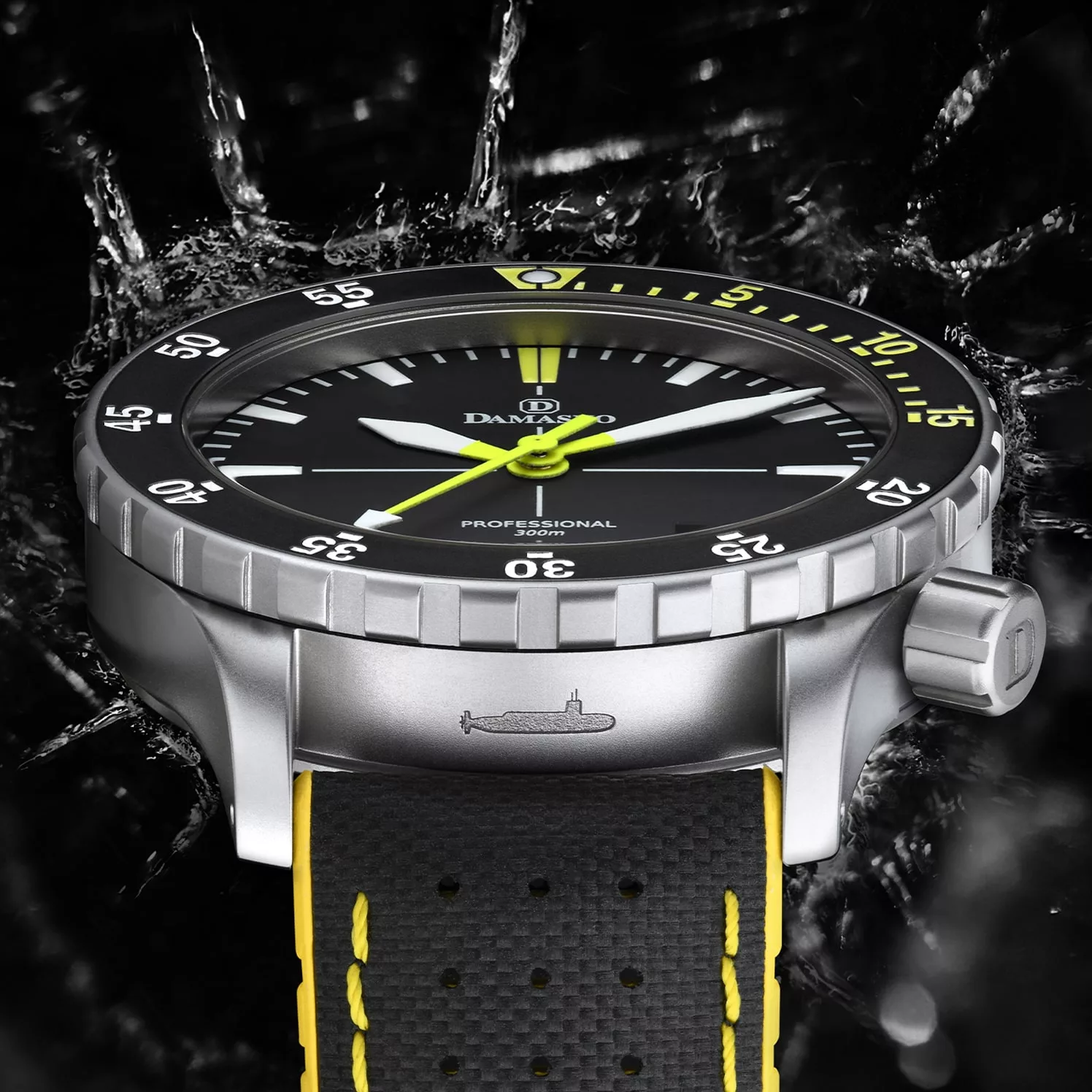
Case material and rigidity are often overlooked in water resistance discussions, yet they are central to long-term reliability. A case that flexes microscopically under stress can reduce gasket compression, even if the watch is technically within its rated depth. Harder steels and carefully engineered case profiles help the sealing system remain stable. This is part of why technical manufacturers place so much emphasis on machining quality and structural consistency, water resistance is only as dependable as the case geometry that supports it.
Then there are the standards. Most everyday water-resistant watches are assessed against ISO 22810, which outlines testing for resistance to water penetration under defined conditions. Professional dive watches fall under ISO 6425, which is more demanding and includes additional requirements such as overpressure testing, condensation checks, and tests designed to simulate real-world use. Importantly, these tests are carried out with a safety margin, so a watch rated to a given pressure is tested above that value, rather than right on the line.
Testing itself is a blend of physics and practicality. Many manufacturers use dry pressure testing, where the watch is placed in a chamber and subjected to pressure while sensors detect minute case deformation. Wet testing introduces water to confirm sealing performance, often using a two-stage approach so the watch is not submerged if a failure is likely. Condensation testing is another common method, where the watch is warmed and then cooled with moisture applied to the crystal, revealing leaks as fogging forms inside.
Some brands go further than baseline expectations by testing each watch rather than sampling from a batch. Tutima has a long association with watches designed for professional duty, and an individual testing philosophy aligns with that mindset. Where reliability is the goal, consistency from one example to the next matters as much as the headline rating. The difference is rarely visible from the outside, but it is felt in how confidently a watch can be used year after year.

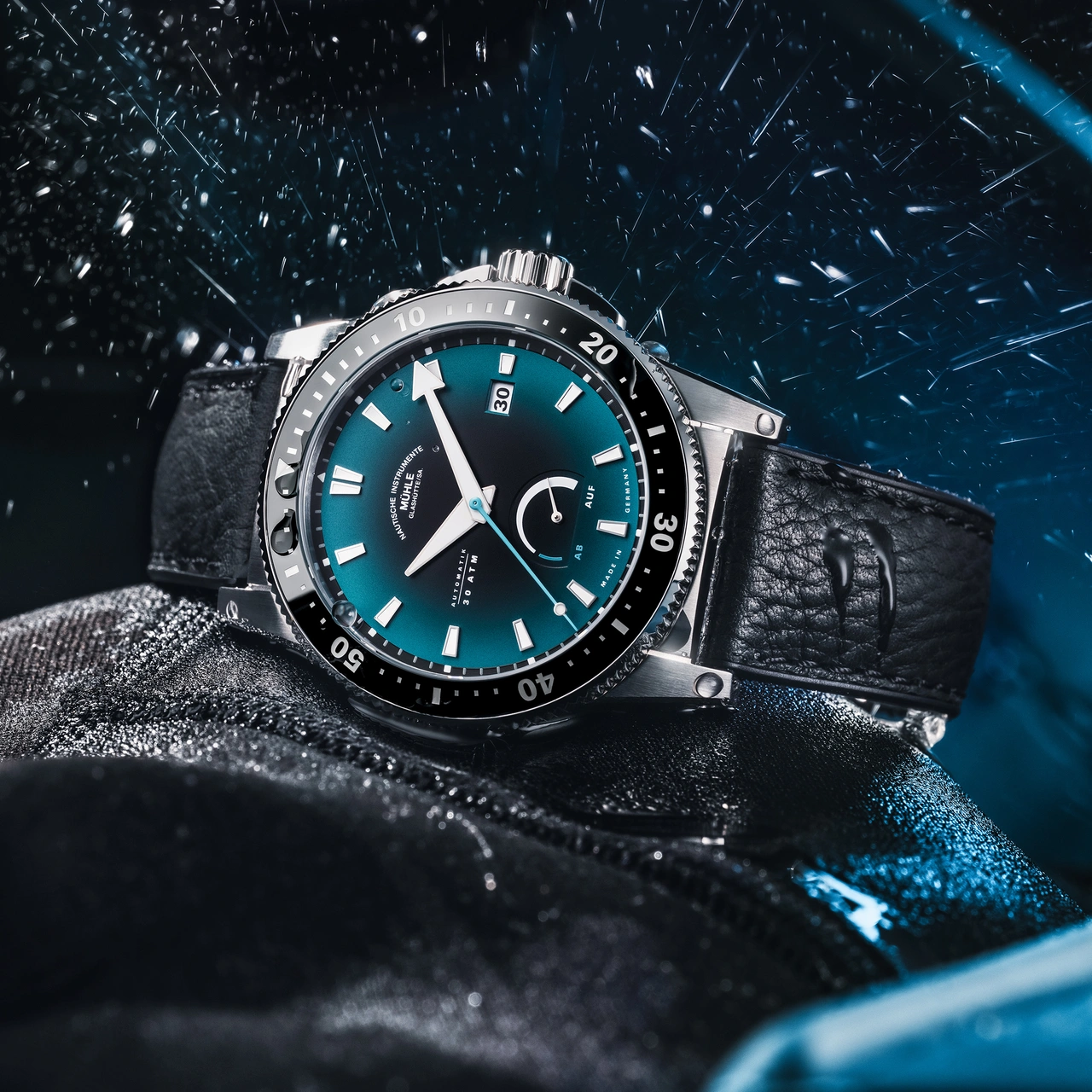
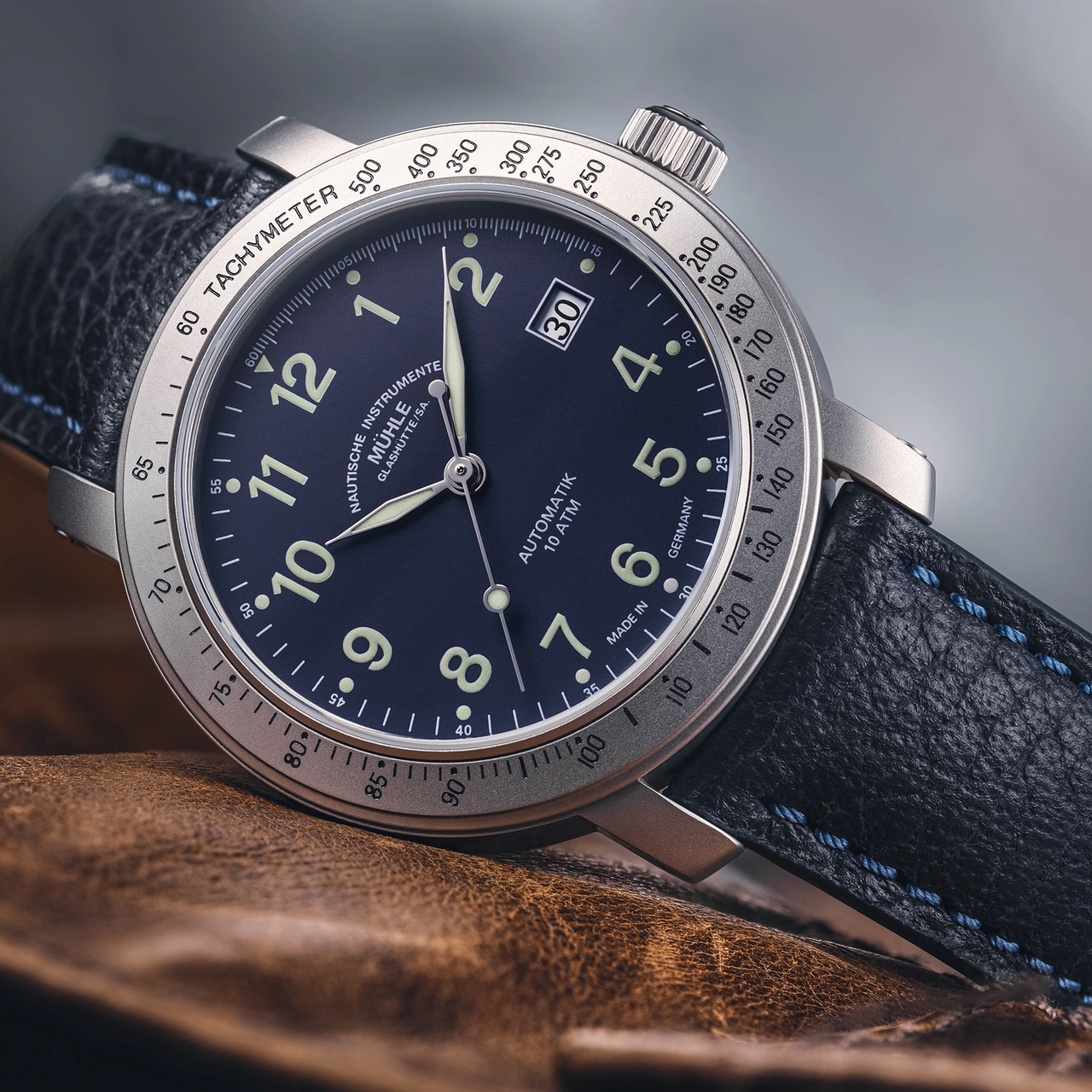
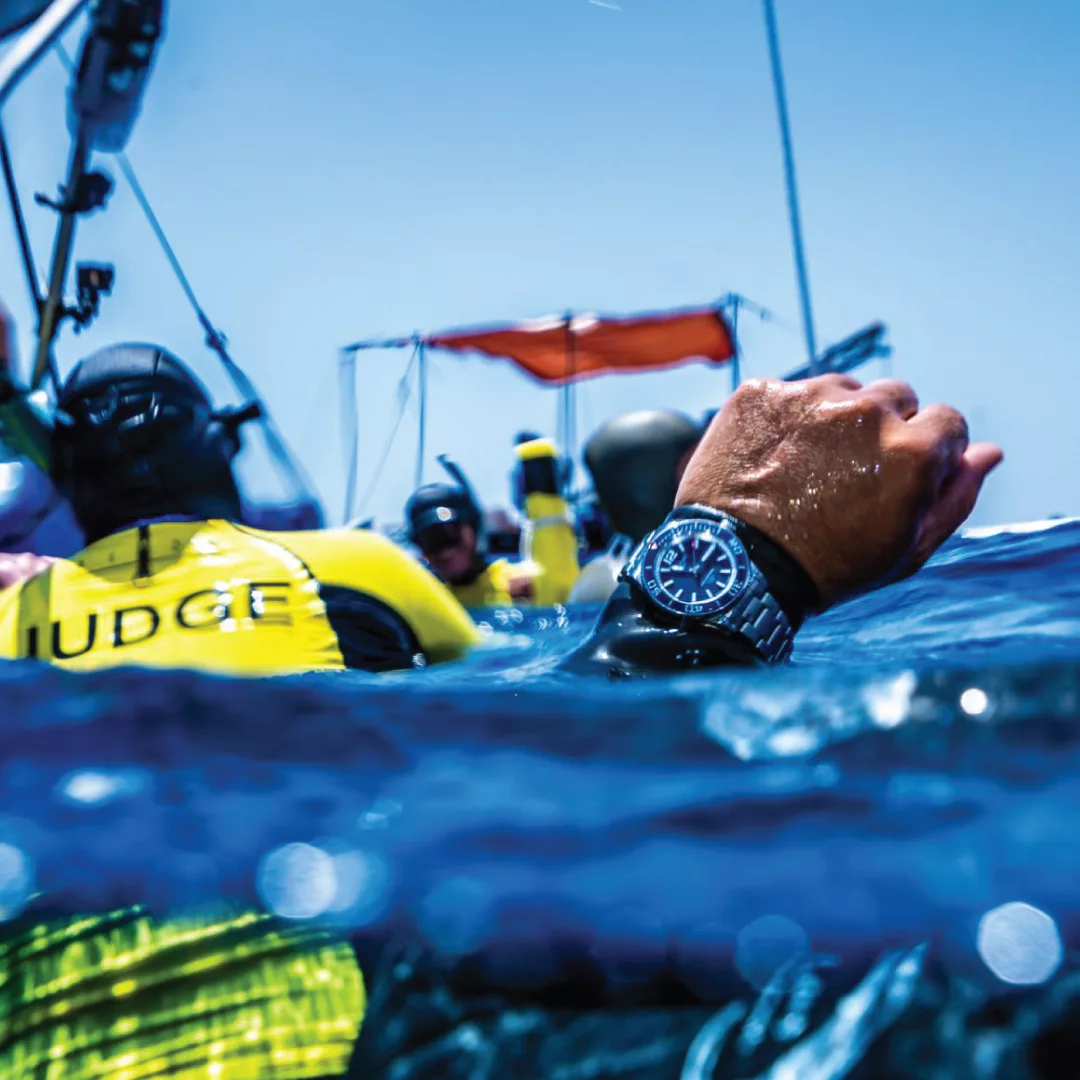
Marine and outdoor environments add their own challenges, because moisture rarely appears in isolation. Salt, temperature shifts, sudden immersion, and impacts all influence how seals perform. Mühle-Glashütte builds much of its modern identity around practical resilience, with designs shaped by maritime heritage and daily wear rather than showroom conditions. In that context, water resistance is not a feature to be stated, it is a capability to be maintained.

Maintenance is the part most owners do not want to hear, but it is the key to keeping the rating meaningful. Water resistance is not permanent, gaskets age, lubricants dry, and crowns and tubes wear through repeated operation. A proper service includes seal replacement where required and pressure testing after reassembly, ideally to the watch’s specified rating. If a watch is regularly exposed to water, even something as simple as annual testing can be a sensible habit.
When you look inside the case, water resistance becomes less about bravado and more about discipline. It is the result of careful design, consistent manufacturing, and a testing culture that treats sealing as a non-negotiable function. The best water-resistant watches are not defined by slogans, they are defined by the quiet confidence of engineering that holds up when conditions become demanding.