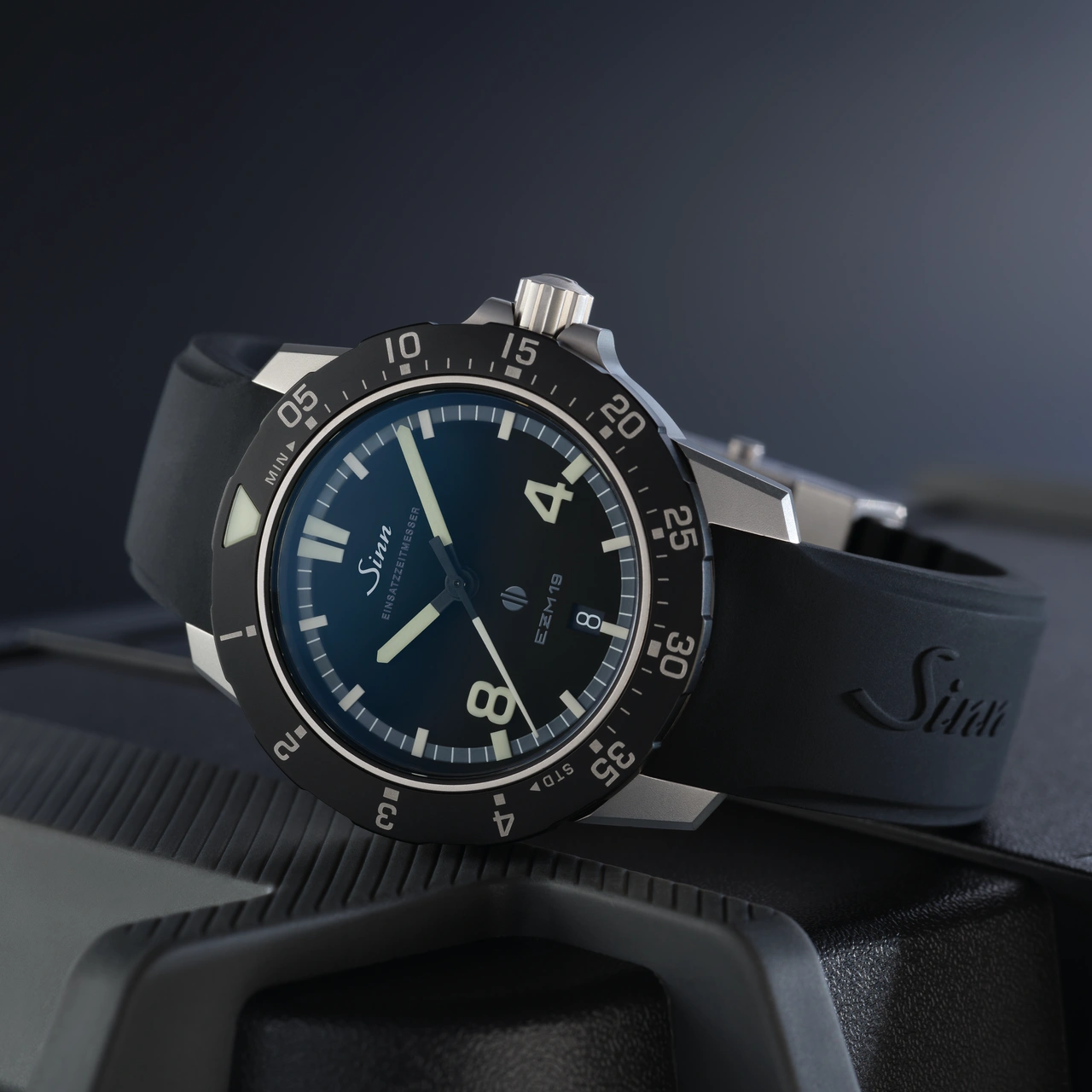
Modern three-hand watches typically feature centralised timekeeping with the hour, minute and second hands operating from the centre of the dial. But did you know that this configuration has only been adopted in series produced movements since the mid-20th Century, making it a relatively recent development in horological terms.
In fact, before WWII – when pilot watches served as the catalyst for modern instrument watch functionality and design – almost all watches had a running second hand located on a sub-dial, usually at 6 o’clock.
In very simplified terms, the position of the small second within a sub dial allowed watchmakers to optimise the layout of the classic watch gear train to deliver the second count by selecting a gear in the train that turns once per minute, extending the pivot on the dial side through the plate and dial, and using this as the second display.
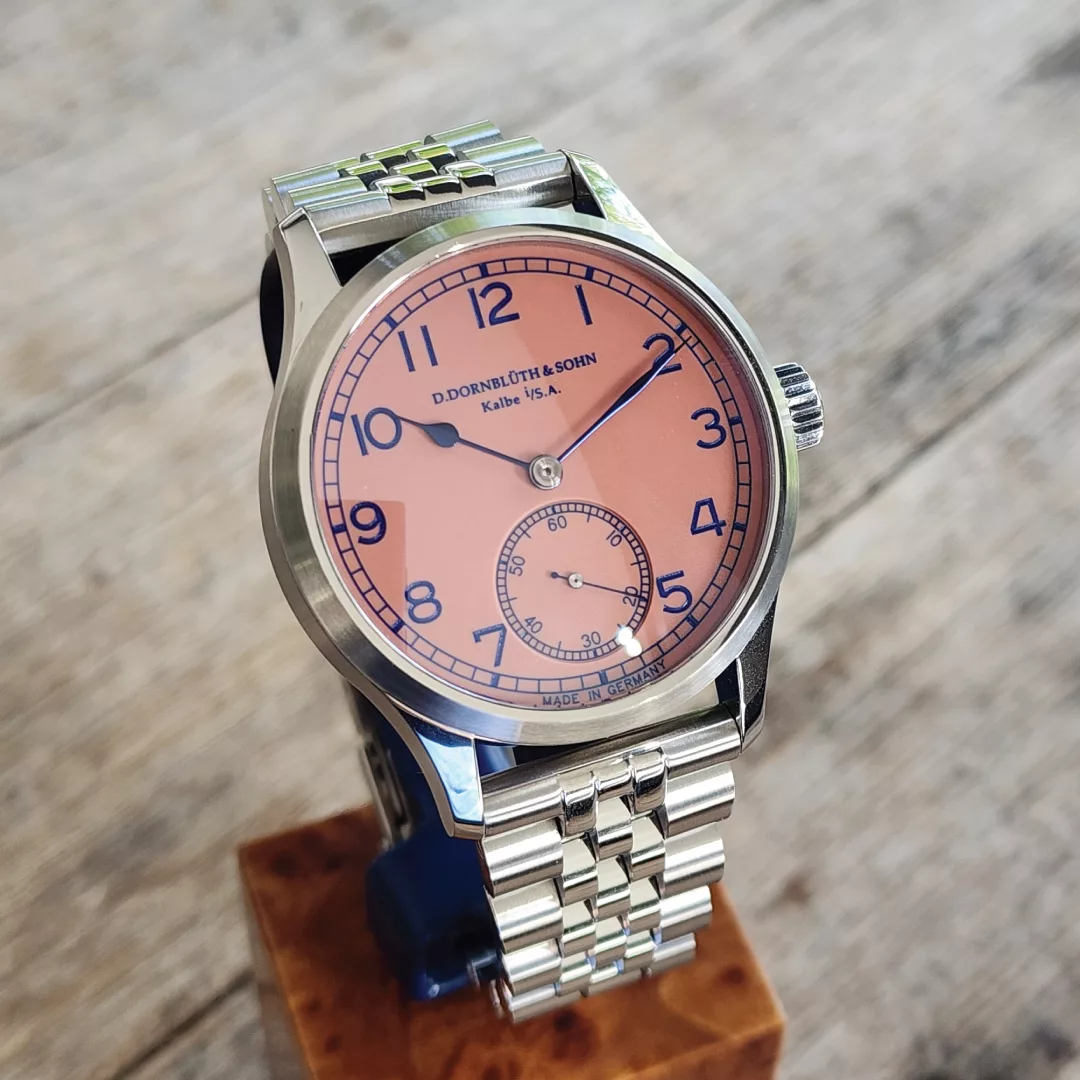
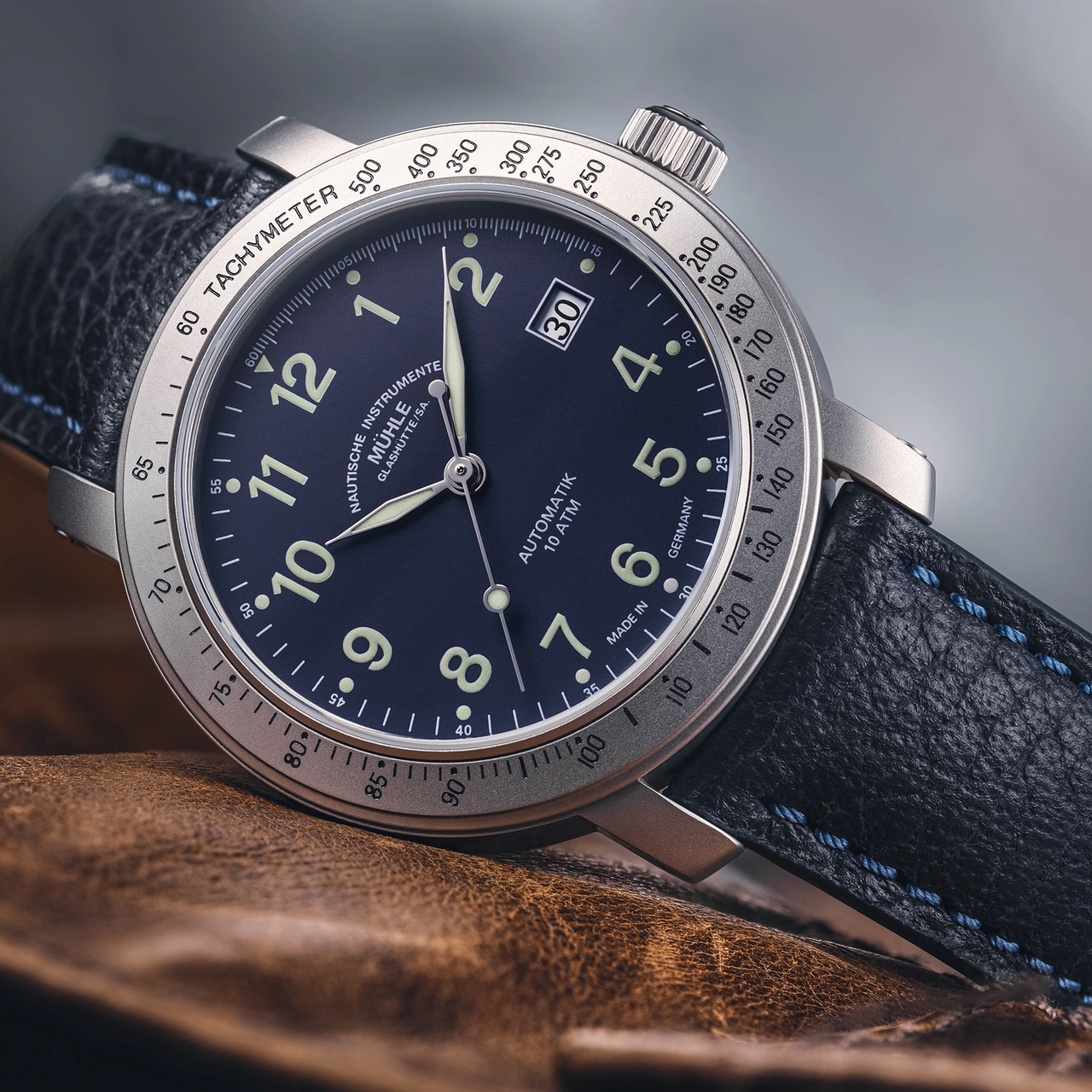
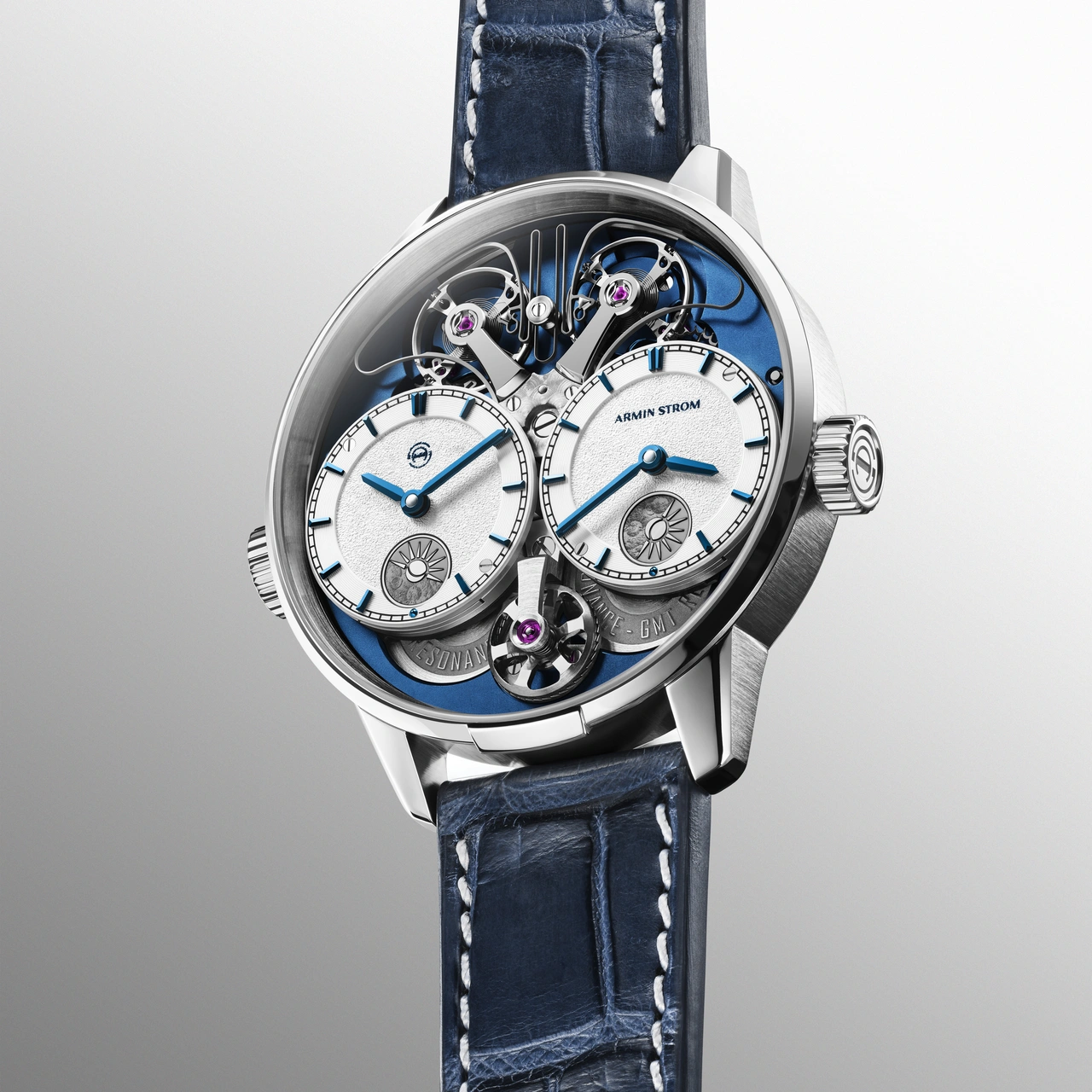
Today, many series movements are designed to have centre seconds by default. So, a modern watch with a small second sub dial may feature additional mechanical ingenui to achieve the nostalgic aesthetic and functional precision.
This subtle function not only gives a nod to horological heritage but also balances a classically designed timepiece well.
The meaning of a “small second”
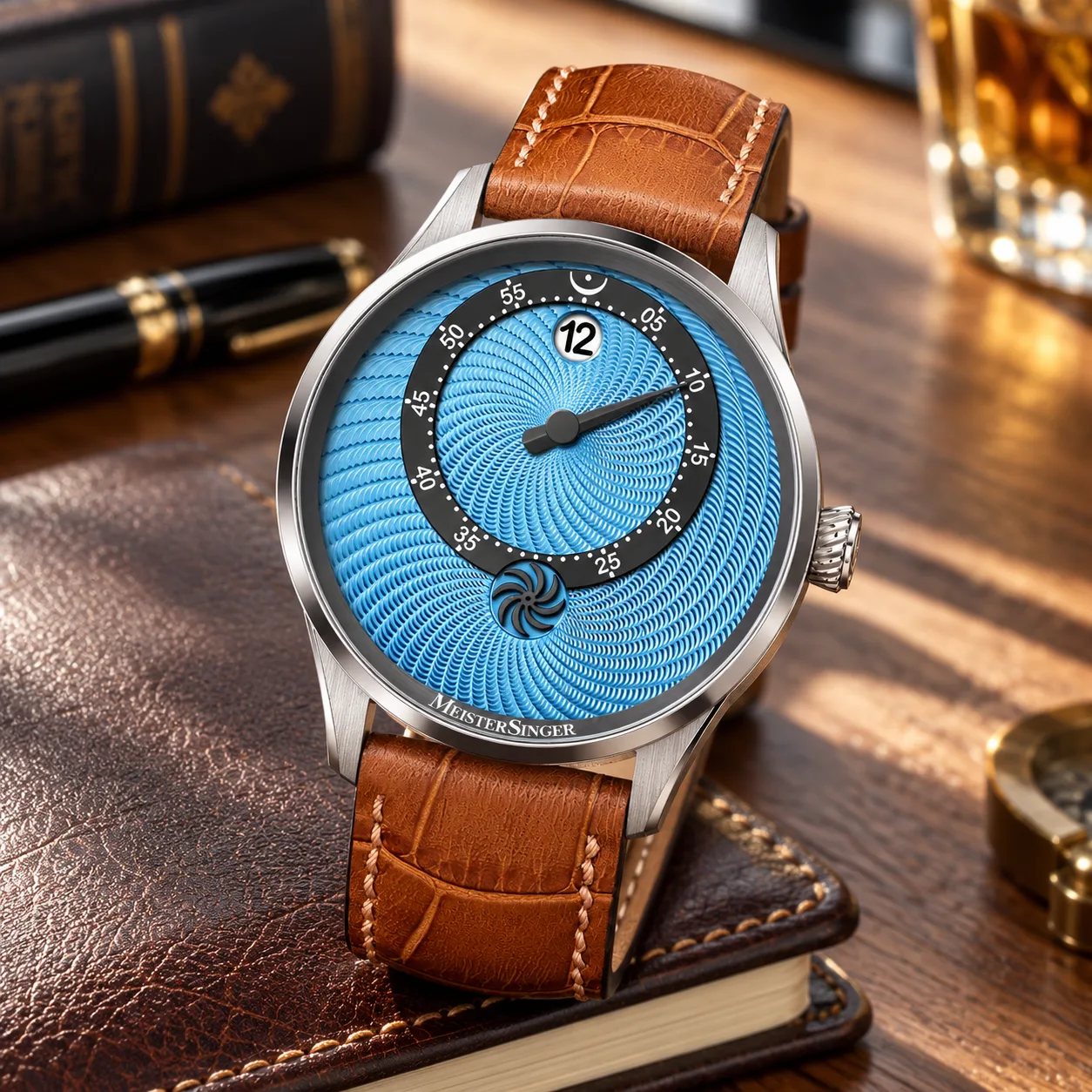
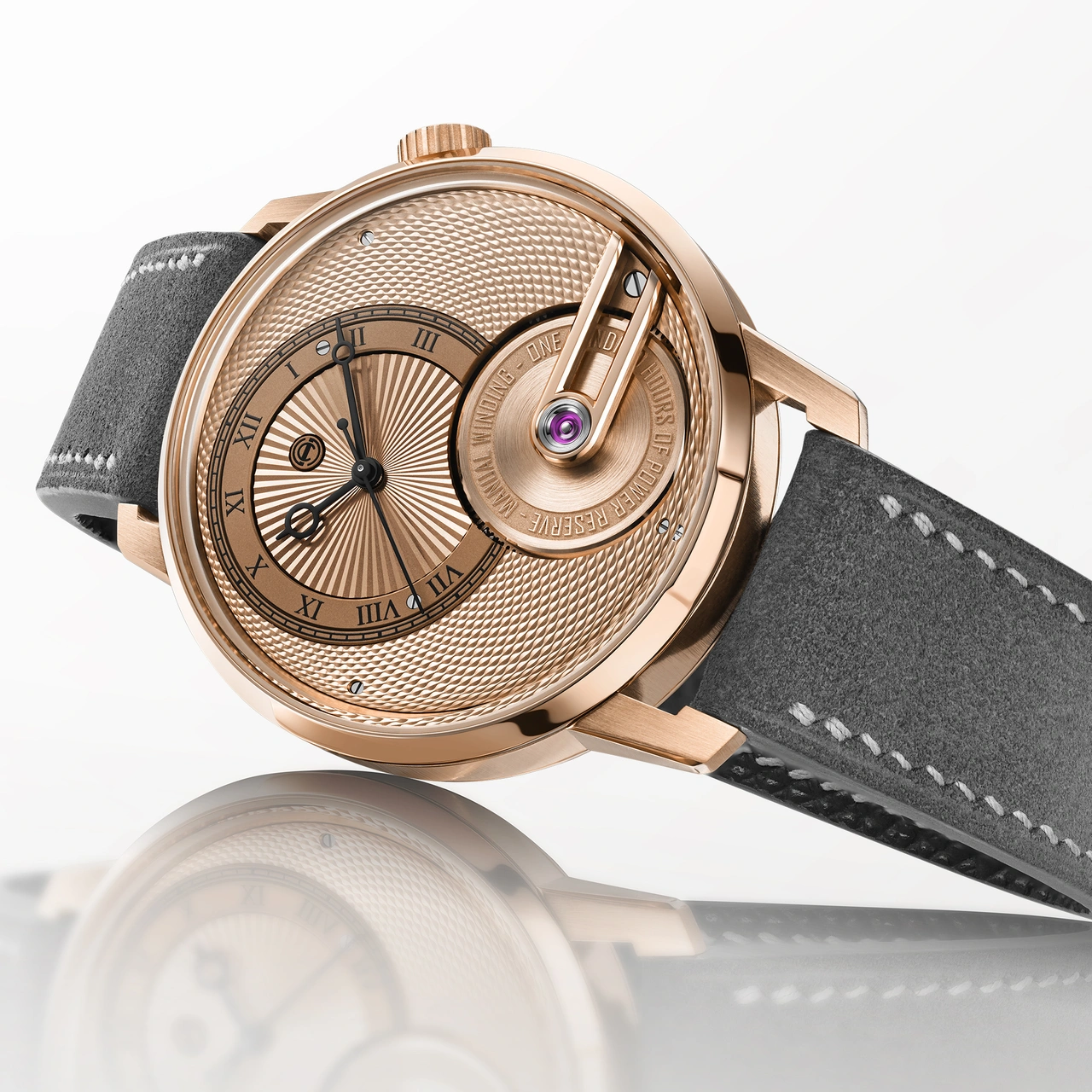
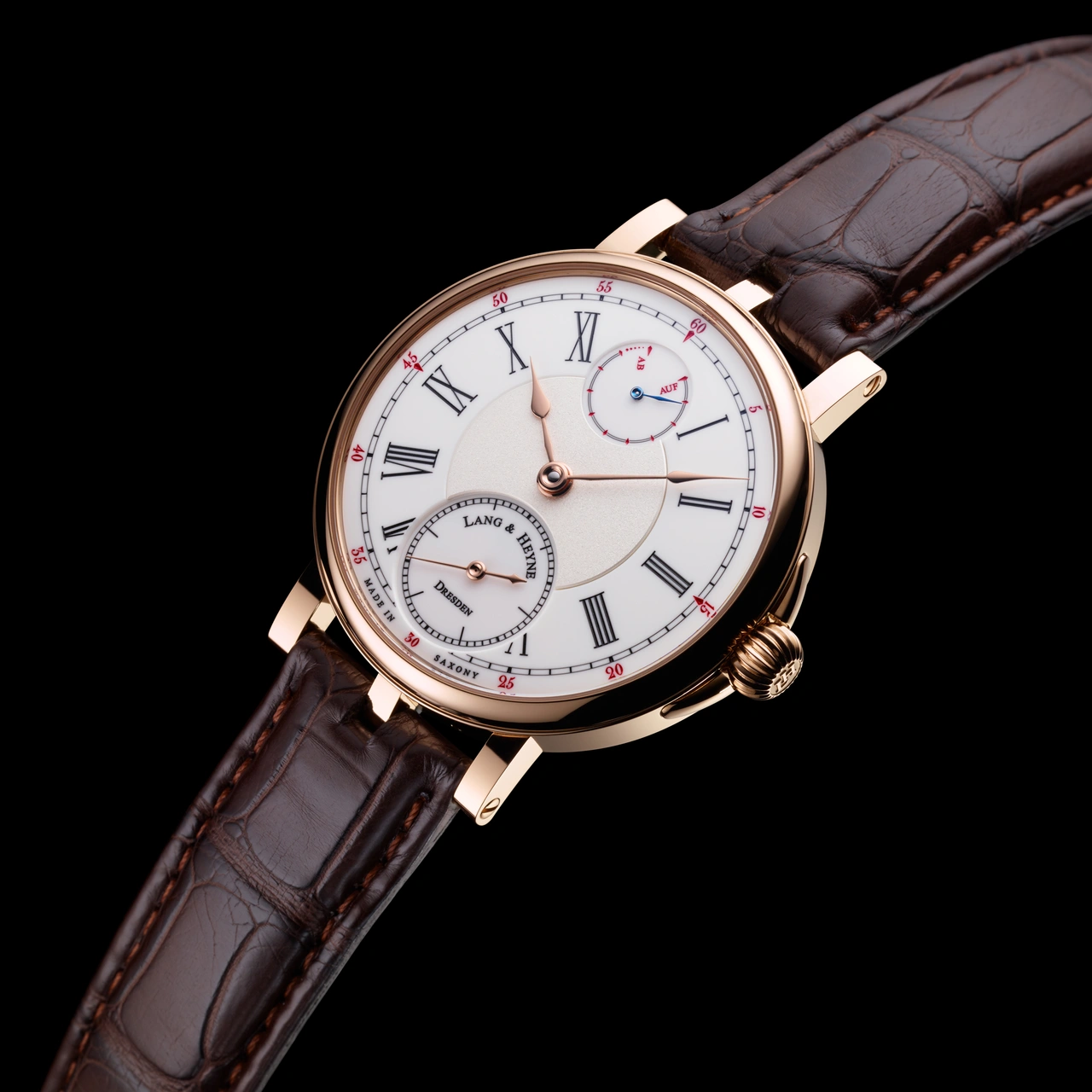
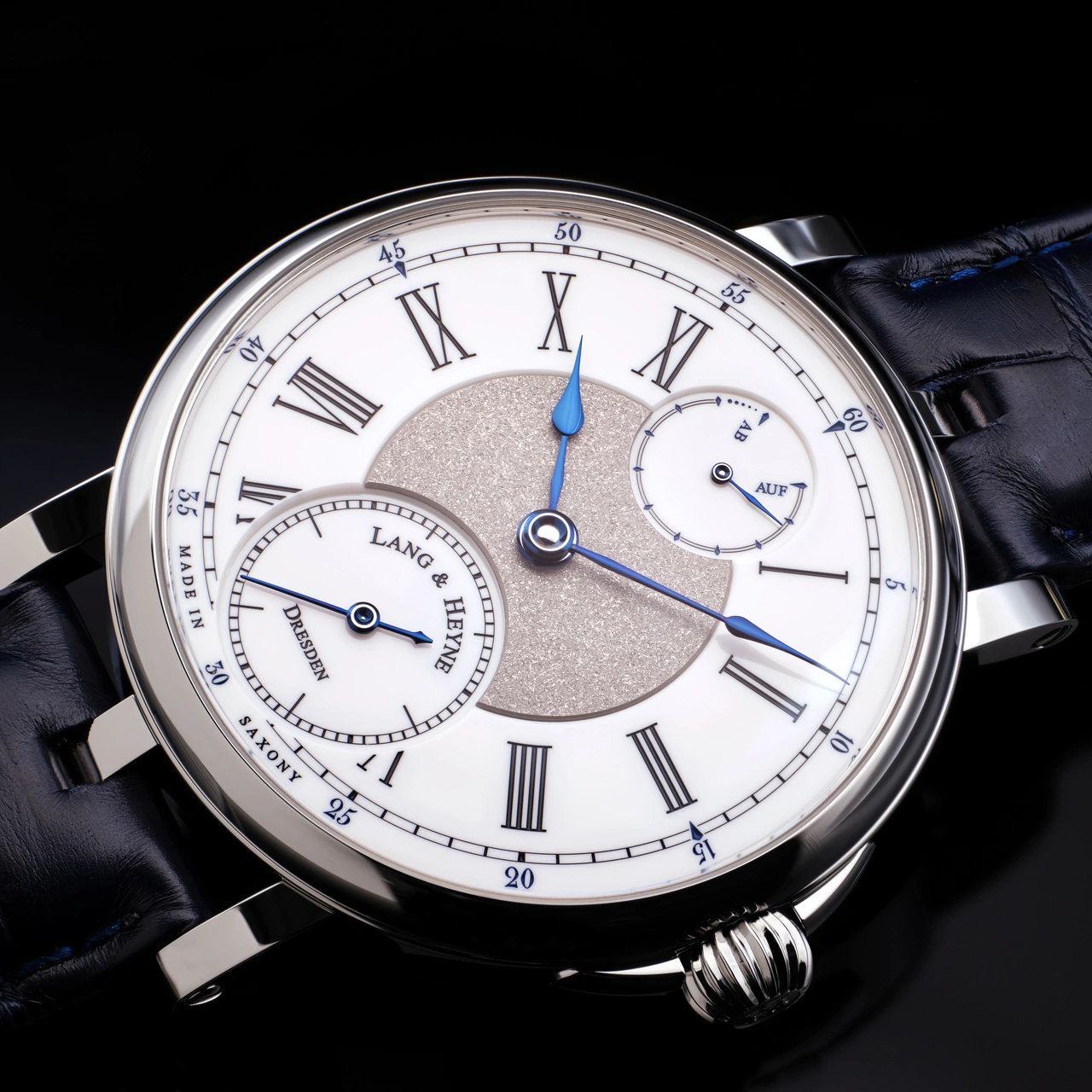
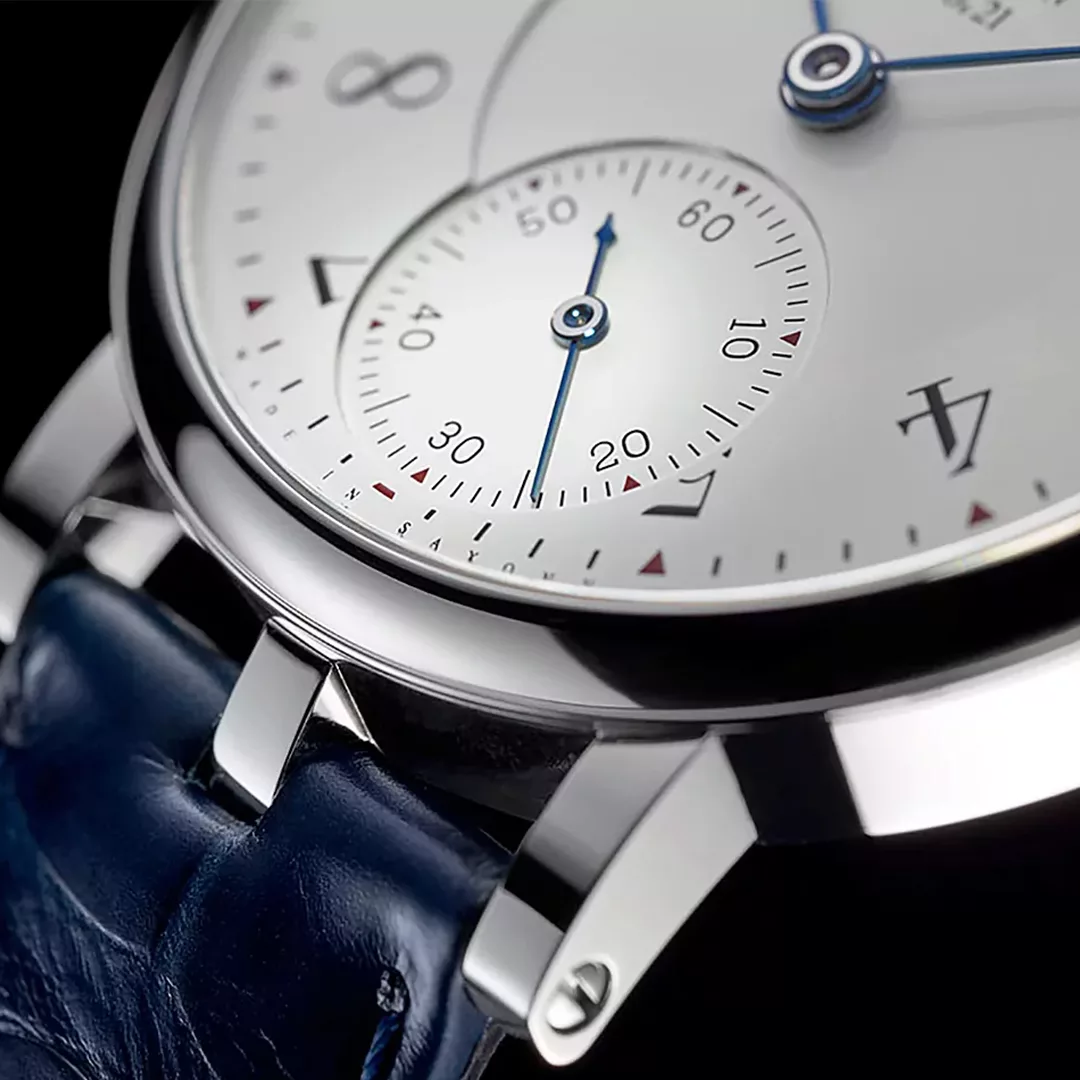
A watch featuring a “small second” adopts a separate, non-centred, display for the second hand. It is found on its own smaller dial within the main dial of a watch, usually at the 6 o’clock position. While the main dial displays the hours and minutes emanating from a central fixing point on the dial, the seconds are shown on a separate sub-dial. This function not only has aesthetic value but also serves to provide a clear separation of seconds count from the lengthier timing functions.
History and development
The small second complication dates to the pocket watches of the 18th century. At this time, watchmakers began to display the seconds on separate dials to read the time more precisely. As fashion and needs changed, and pocket watched proved too bulky and inconvenient for daily use, they were fitted with lugs and a strap and worn as wristwatches. Hence, the small second functionality and aesthetic found its way into wristwatches by way of adaptation.
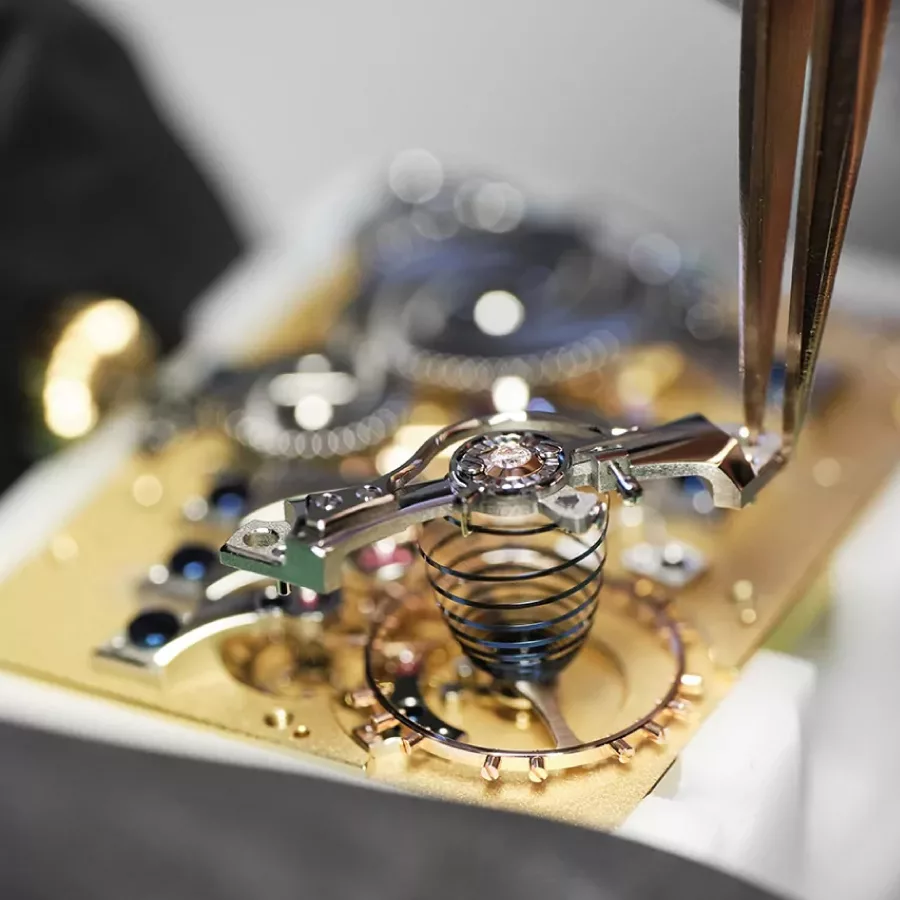
Creating and assembling the classic small second became a highly respected skill in the art of watchmaking, as its implementation in mechanical watches required precise adjustments to transfer the movements of the seconds hand from the main movement to the separate sub dial. It remains a classical complication, often seen in high end collections of fine watchmaking.
Function and form
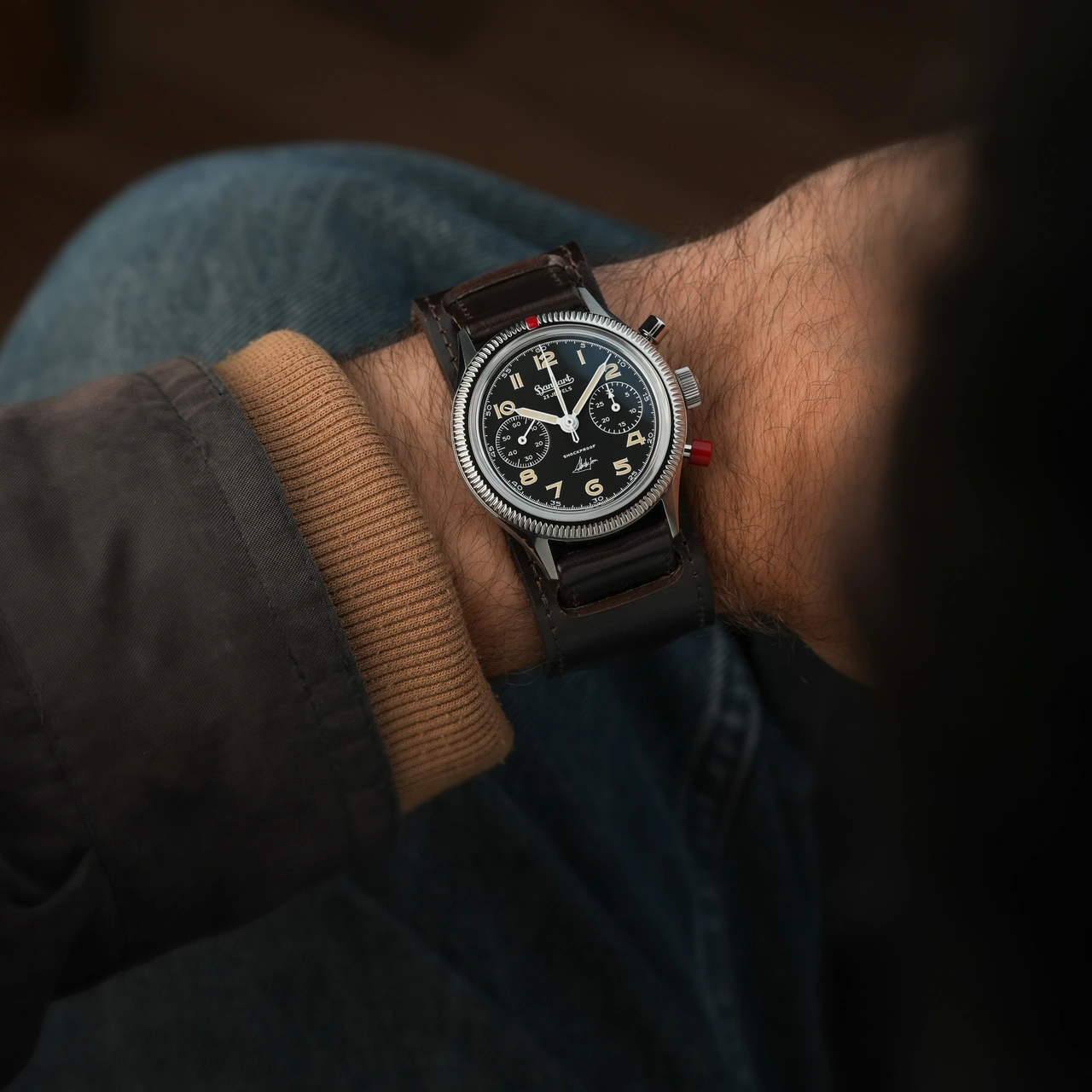
Although the small seconds function on watches originated from the mechanical constraints of early pocket watches, where the off-centre placement of the gear train naturally led to a sub-dial for seconds, it also served a role in the precision of instruments such as marine chronometers by enhancing legibility and simplifying testing. Furthermore, the use of a small second sub dial has practical relevance in chronographs because the long second hand, typical of three-hand watches with central seconds, is usually required for the stop function in analogue chronographs. Thus, the seconds display of the current time is usually displayed on one of the two or three sub-dials of the chronograph.
In terms of design, the classic small second sub dial is commonly located at the six o’clock position – in the centre of the lower half of the dial adding symmetry and balance.
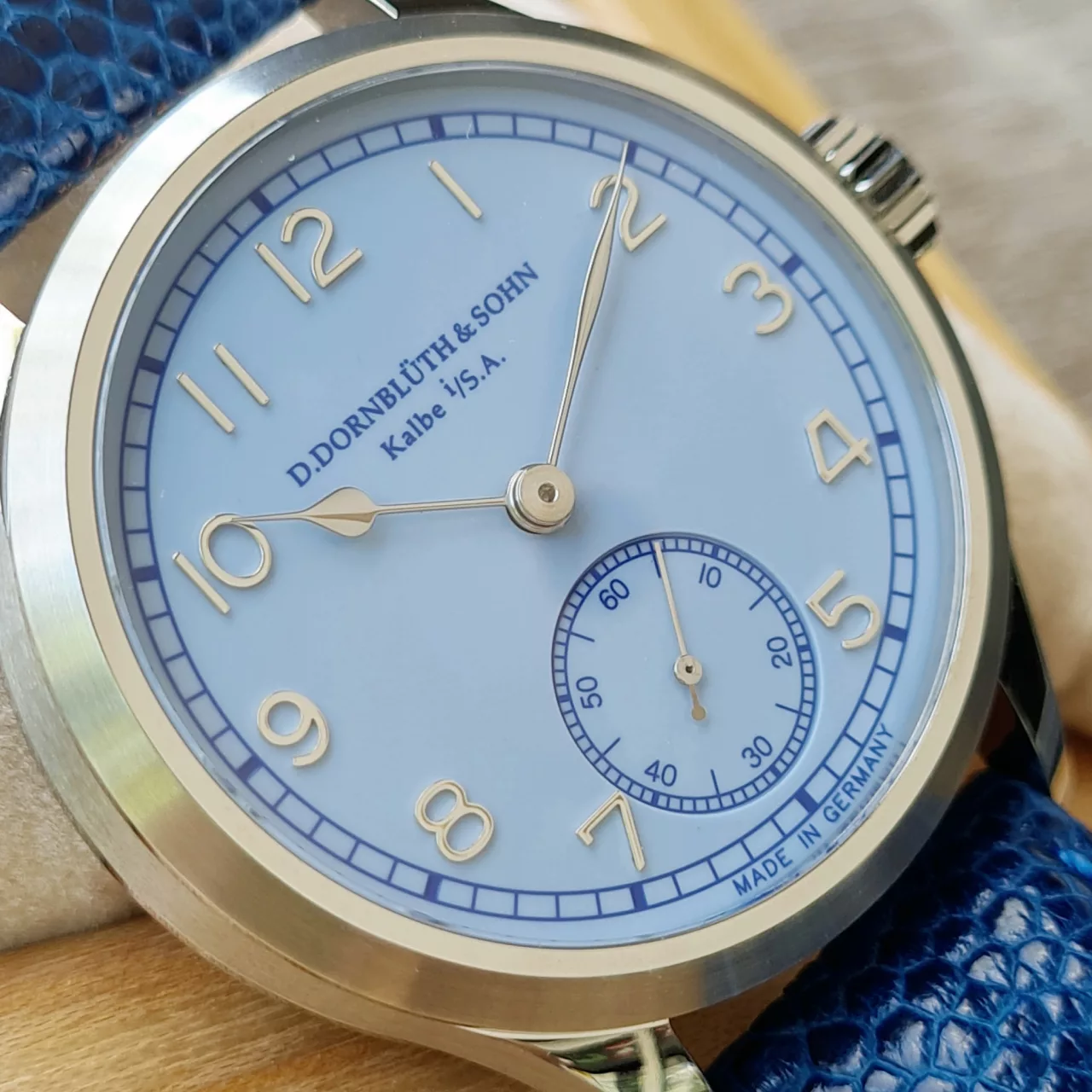
The upper half of the dial is relatively rarely used for the seconds display, as it is often the home of the logo and brand name of the watch manufacturer. However, diverse technical possibilities and horological design now allow for placement of the small second in almost any position. Never-the-less the classic position and sub dial placement persists for not only aesthetic appeal and symmetry, but also as a respectful nod to classic horology and the skills of watchmakers past.
Conclusion
The small second sub dial remains a timeless feature in the world of watches. Its subtle presence on a watch dial serves as a reminder of the precision, elegance, and continuity of craftsmanship in the honoured field of horology. It is a small detail that makes a big difference to a timeless accessory. To fully appreciate the functionality and aesthetic of a small second watch is to understand and value the history and development of watchmaking as a true connoisseur.