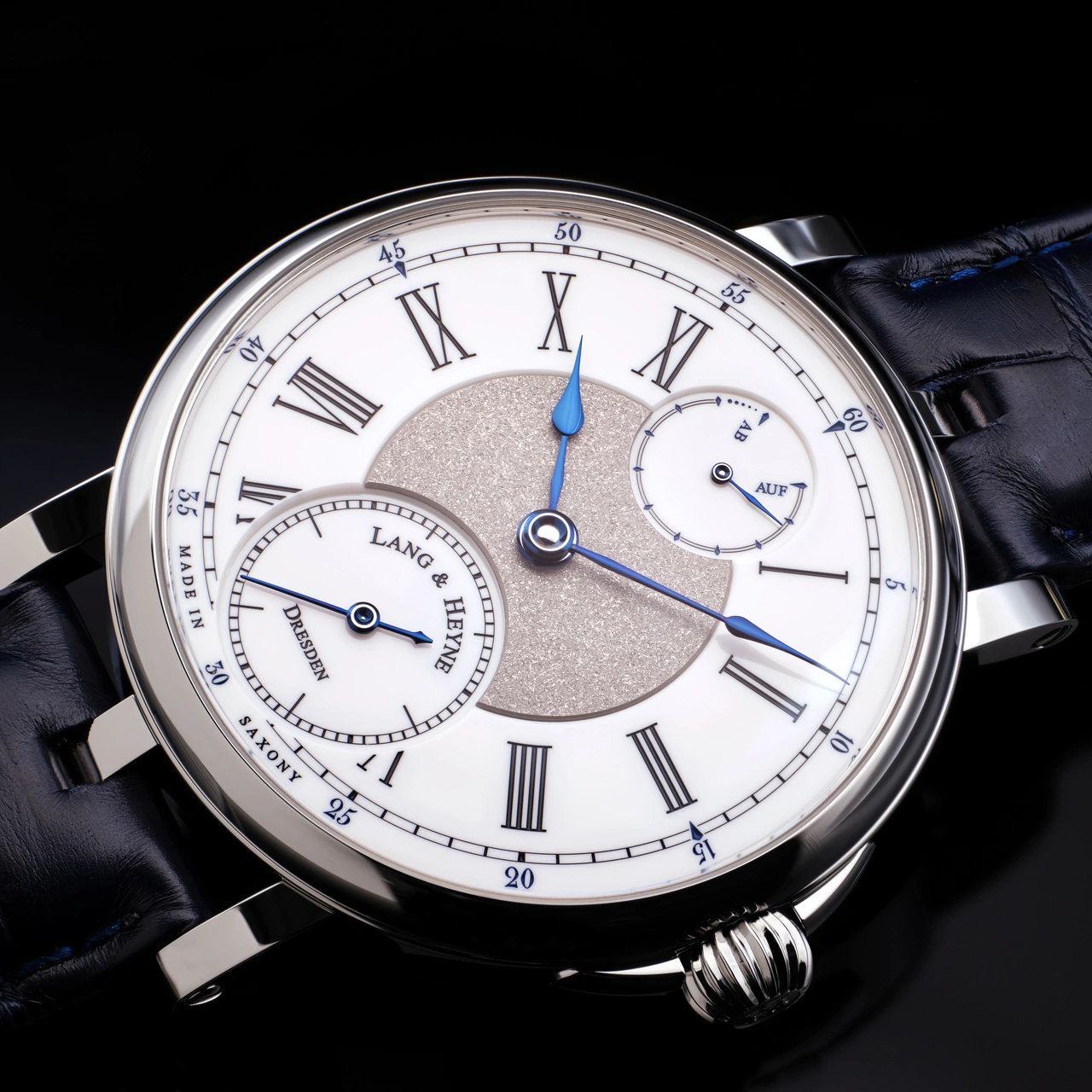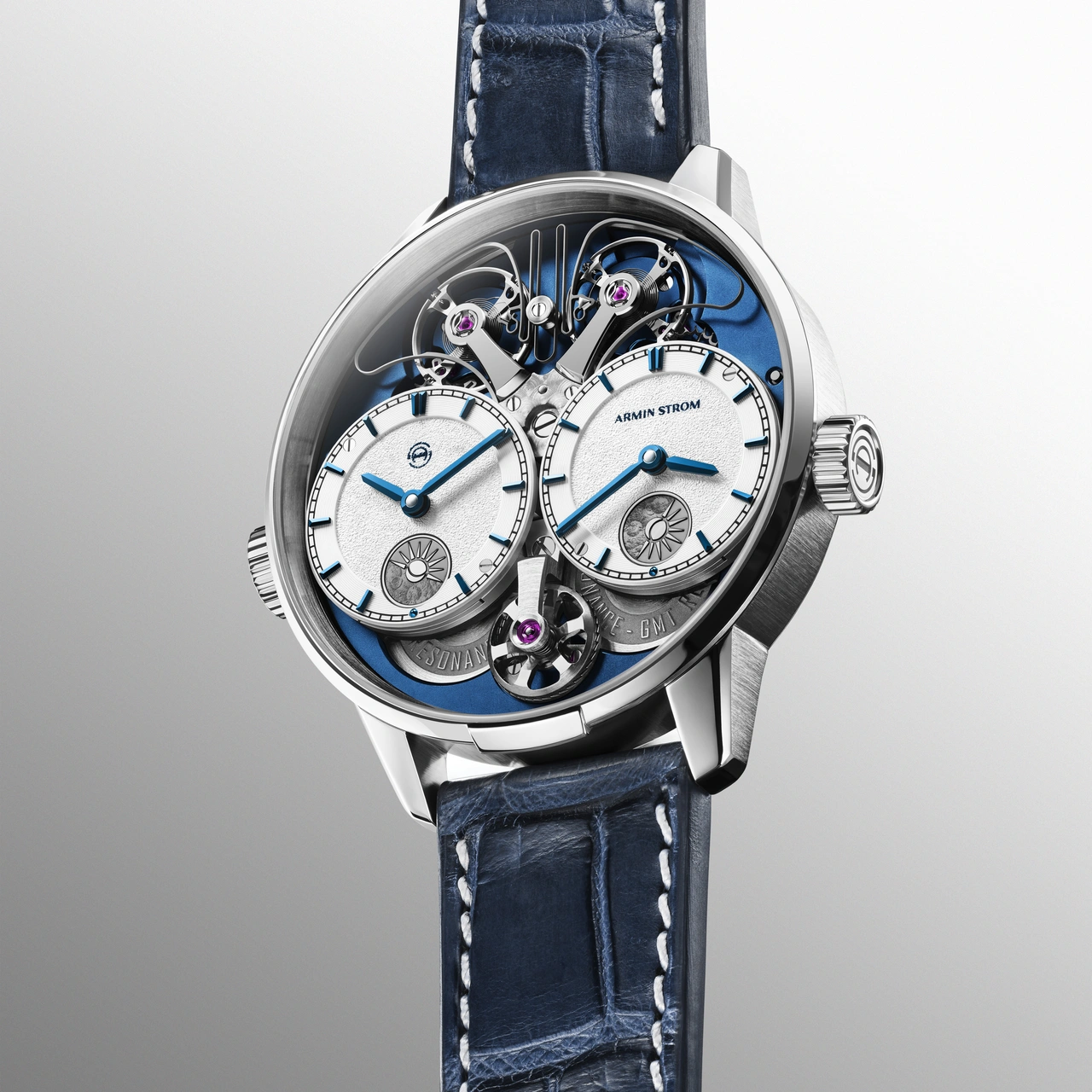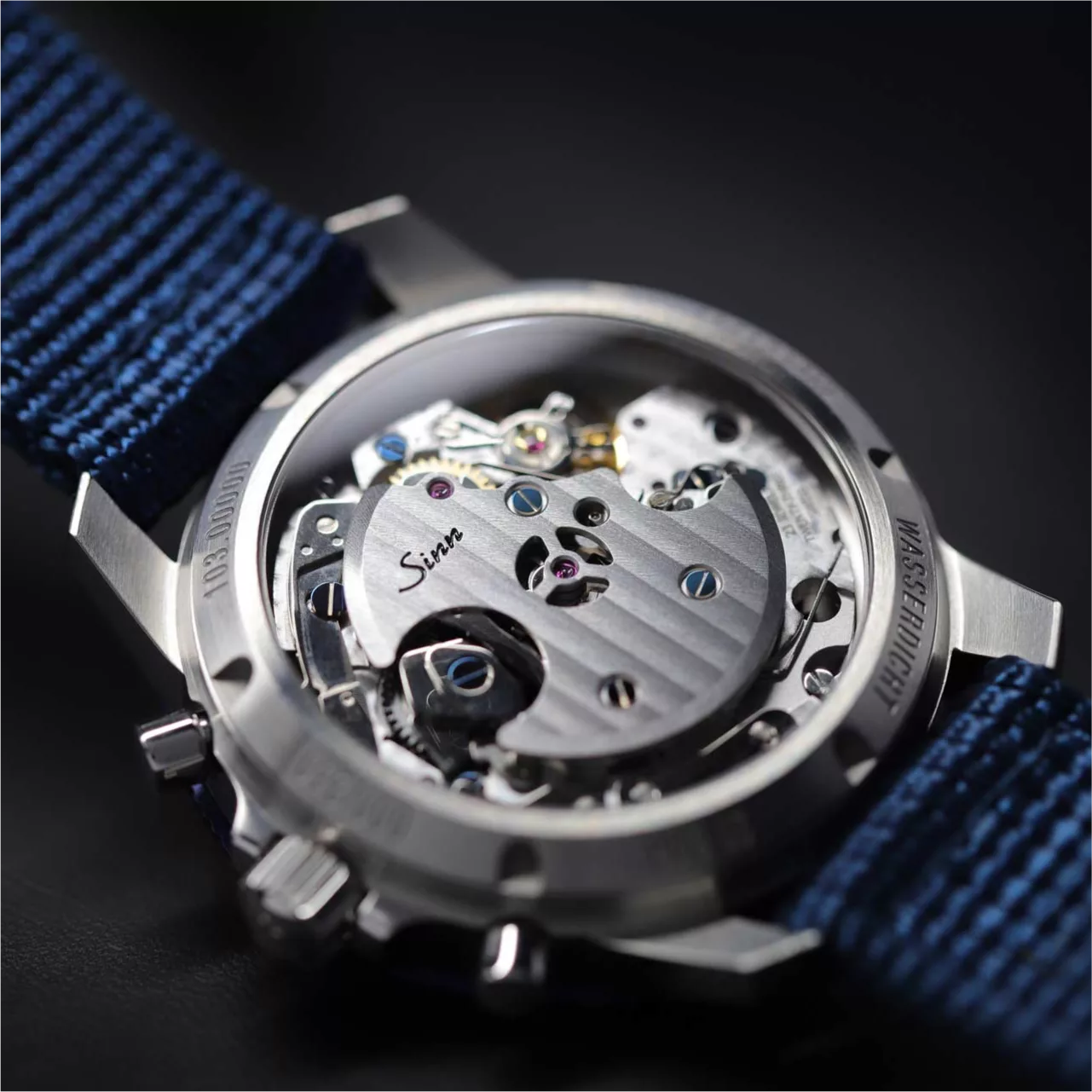
When people first encounter the term “power reserve”, they usually interpret it as a simple measure of endurance. Forty hours, seventy hours, eight days, the number seems to describe how long a watch will run before it stops. While that is technically correct, it is only part of the story. A power reserve is not merely about duration, it reveals how efficiently a movement stores, regulates, and delivers energy.
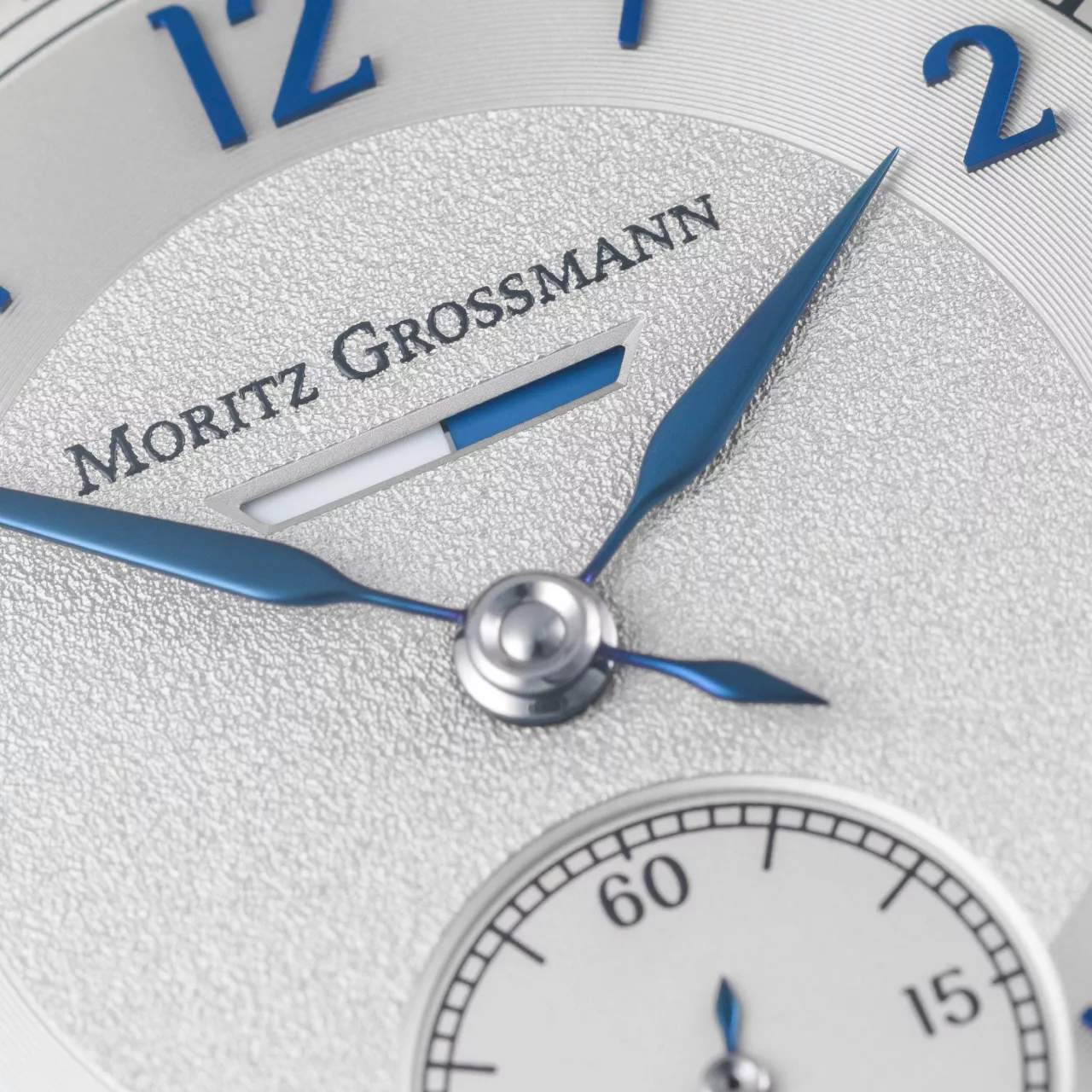
At its core, a mechanical watch is an energy management system. Whether wound by hand or powered by a rotor, energy is stored in a coiled mainspring inside the barrel. As the spring slowly unwinds, it releases torque through the gear train, driving the escapement and balance wheel. The balance then regulates that energy into consistent oscillations, which ultimately govern timekeeping. The stated power reserve reflects how well this system controls the steady release of stored energy.
The length of a power reserve begins with the barrel. A longer mainspring can store more potential energy, but it also requires careful engineering. If a spring is too long or too tightly wound, torque delivery can become unstable. That instability affects amplitude, which in turn affects accuracy. Many independent makers prioritise consistency across the full run of the barrel rather than chasing headline figures.
Efficiency is therefore as important as capacity. Friction within the gear train, tolerances between wheels and pinions, and the quality of lubrication all determine how effectively stored energy reaches the escapement. A movement with refined finishing and precise machining wastes less energy. German manufacturers in particular are known for robust construction and material science, supporting stable performance over time rather than simply extending running hours.

Manual wind movements offer a particularly clear view of the relationship between energy and efficiency. When you wind a manual watch, you feel the tension building directly through the crown. There is a tactile awareness of how much energy has been stored. Traditional calibres with 45 to 50 hour reserves often focus on stable torque delivery and balanced amplitude rather than maximising duration for marketing appeal.
Automatic movements introduce a different context. Here, the rotor continually replenishes the mainspring as the watch is worn. The effective power reserve becomes less about how long the watch runs in isolation, and more about how efficiently it converts wrist motion into stored energy. A well-designed automatic system reduces unnecessary wear and avoids overloading the mainspring, ensuring that the movement operates within an optimal torque range.
Extended power reserves, sometimes reaching five, seven, or even eight days, require additional engineering solutions. Multiple barrels can be linked in series to increase stored energy while maintaining controlled torque output. However, this introduces complexity. The challenge is not simply storing more energy, but ensuring that the final hours of operation remain as stable as the first. When managed properly, an extended reserve demonstrates thoughtful mechanical design rather than brute force.

There is also a practical dimension to consider. For many wearers, a 40 to 50 hour reserve suits daily use perfectly. A watch removed on Friday evening will still be running on Sunday. Longer reserves offer convenience, especially in a rotation, but they should not be mistaken for superiority. A shorter reserve paired with excellent amplitude stability and regulated accuracy can outperform a longer reserve that suffers from uneven torque.
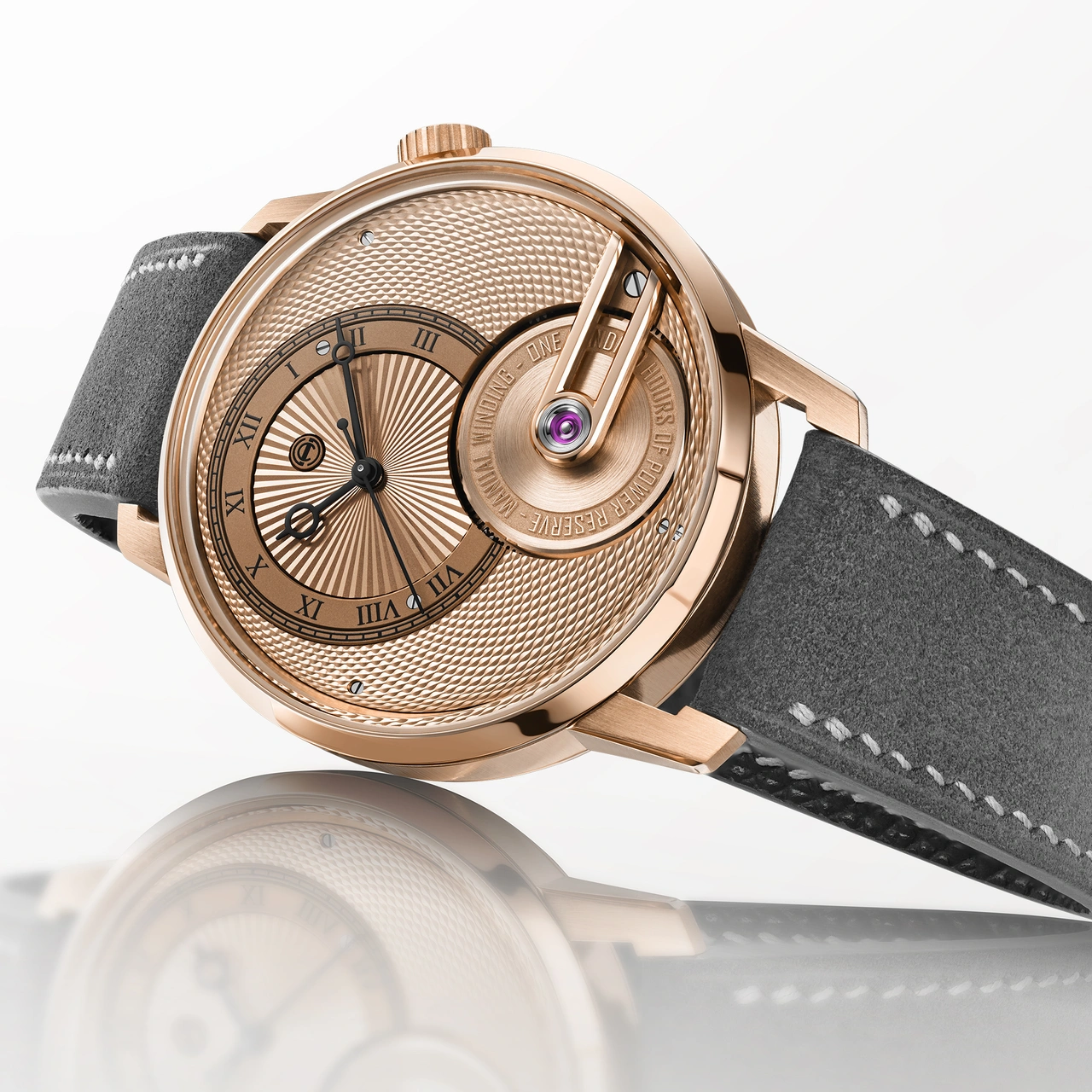
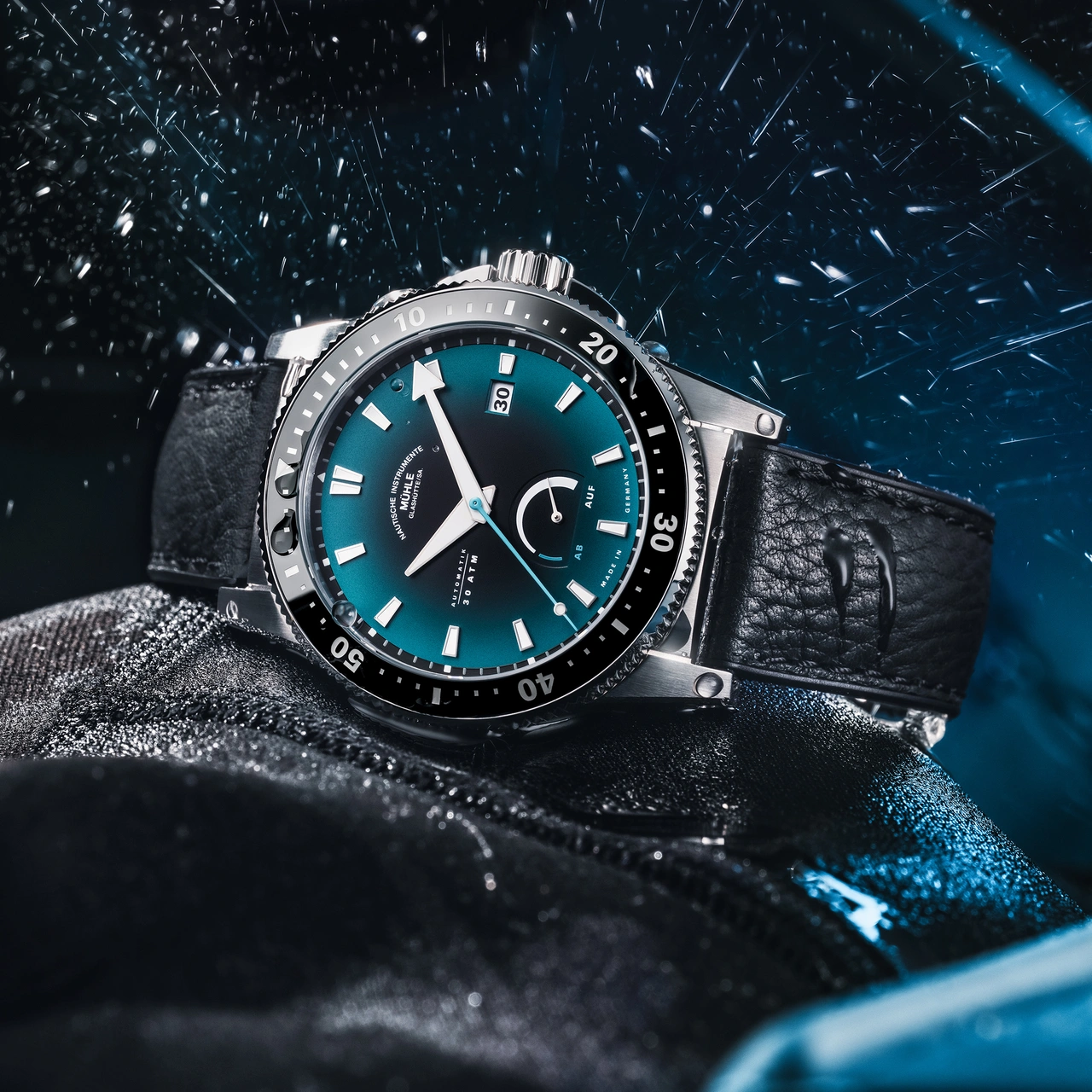
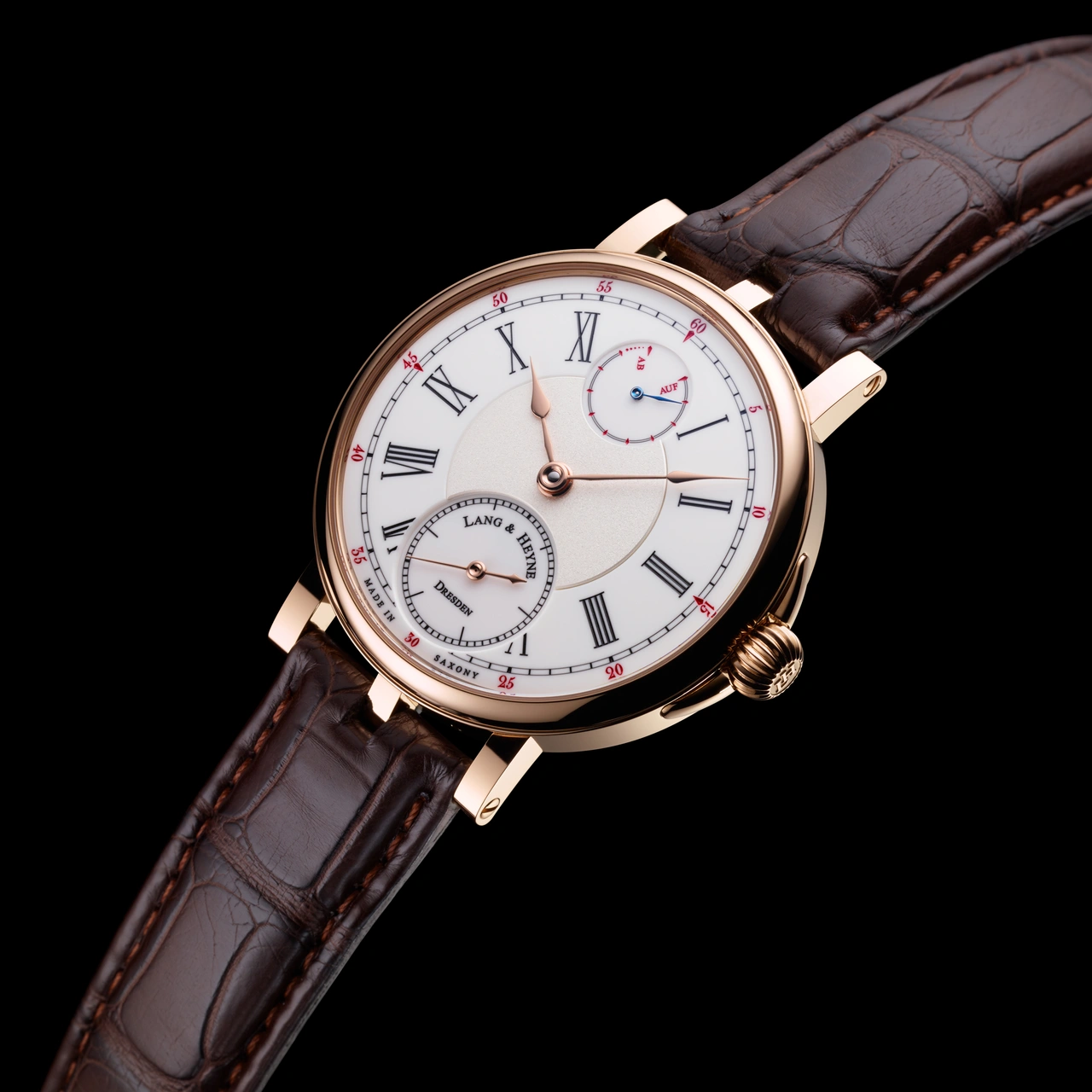
Power reserve indicators add another layer of insight. Whether displayed on the dial or the movement side, they provide a visual representation of remaining stored energy. Historically associated with marine chronometers and precision instruments, these indicators were practical tools for ensuring reliable operation. In contemporary independent watchmaking, they often serve as both a functional complication and a reminder of the mechanical heartbeat within the case.
Ultimately, a power reserve tells us how a watch manages energy over time. It speaks to barrel design, mainspring metallurgy, gear efficiency, lubrication strategy, and escapement stability. It also reflects the philosophy of the maker. Some prioritise resilience and steady torque, others pursue extended autonomy with technical sophistication. Neither approach is inherently better, they simply reveal different interpretations of mechanical integrity.
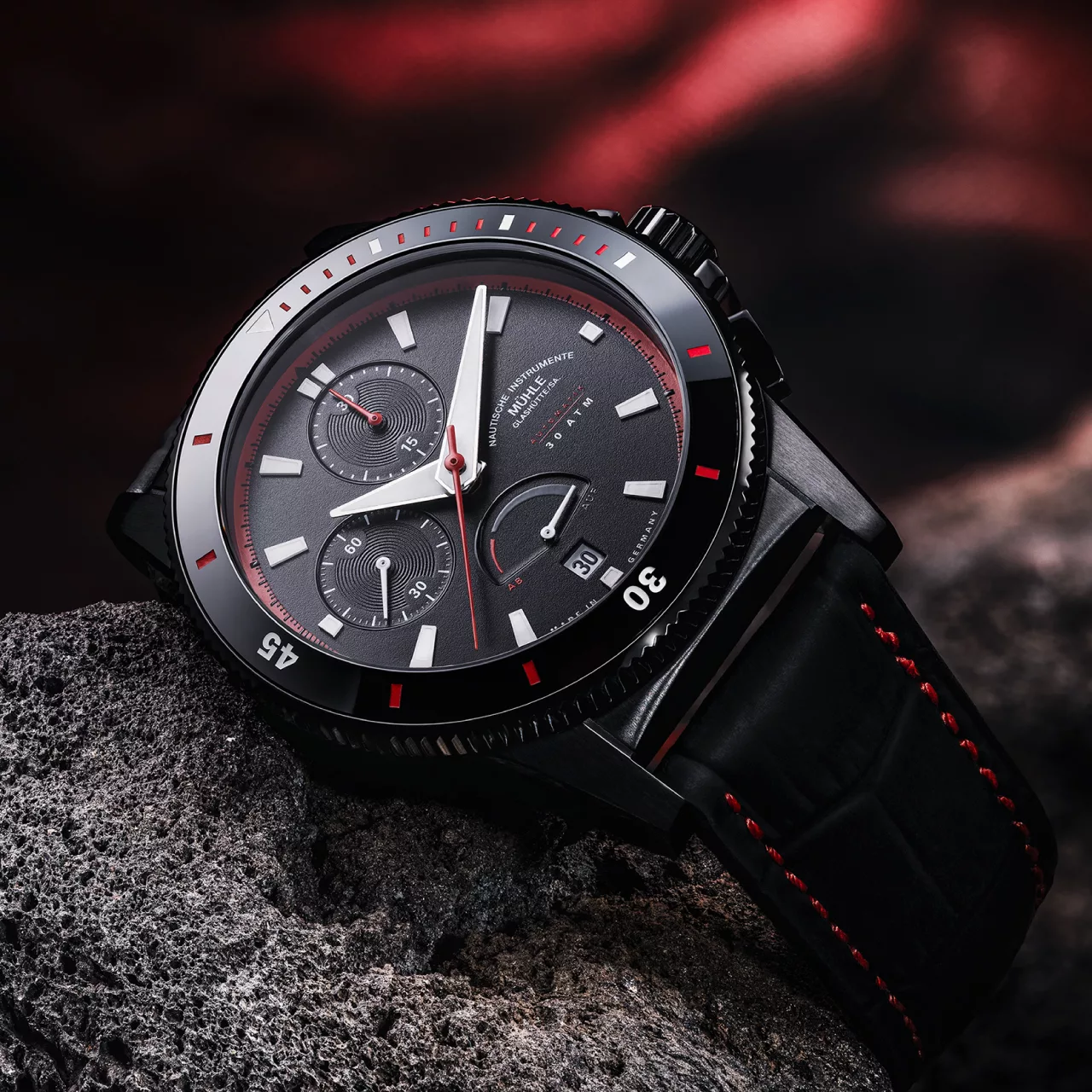
At Define Watches, conversations about power reserve often lead to deeper discussions about movement architecture and long-term reliability. It is a specification that rewards curiosity. When understood beyond the surface, those stated hours become a window into craftsmanship, engineering discipline, and the quiet intelligence that defines fine mechanical watchmaking.