Water resistance is one of the most frequently quoted specifications in watchmaking, yet also one of the least understood. A number on a case back or dial suggests confidence, but the reality inside the case is far more complex. True water resistance relies on a combination of materials science, mechanical tolerances, and controlled testing that begins long before a watch ever approaches water.
At its core, water resistance is about controlling entry points. A watch case has several unavoidable openings, including the crystal, the case back, the crown, and any pushers. Each of these is sealed using gaskets, typically made from synthetic rubber or fluoropolymer compounds, chosen for their elasticity, resistance to ageing, and stability across temperature changes. These gaskets are compressed precisely to create a barrier, rather than relying on hardness alone.
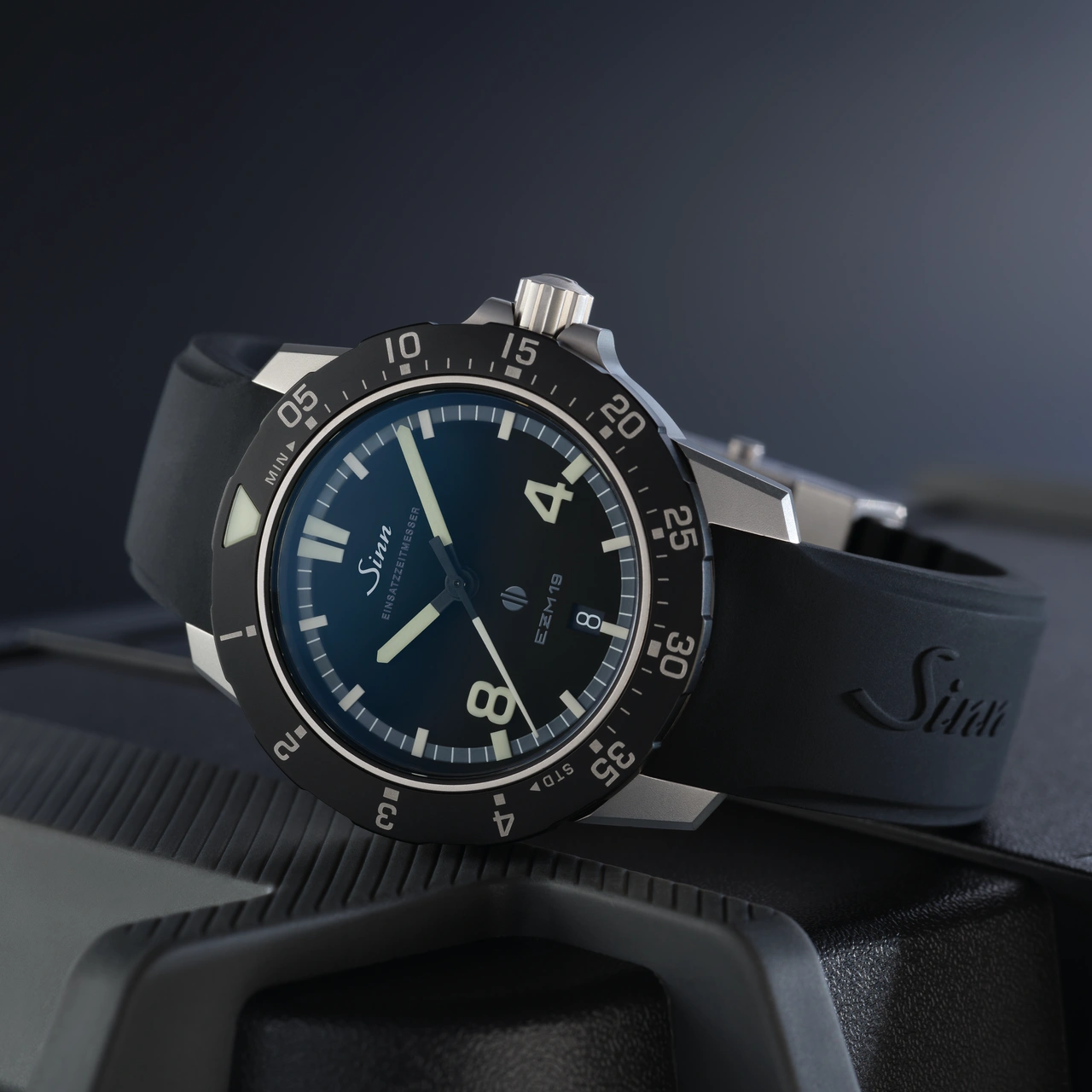
The crown is often the most vulnerable area. When pulled out for setting the time or date, it temporarily compromises the seal. This is why screw-down crowns are used on many sports and tool watches. By threading the crown into the case tube, the gasket is mechanically compressed every time the crown is secured, restoring water resistance. Brands such as Sinn have refined this system over decades, combining robust crown tubes with carefully matched gasket profiles.

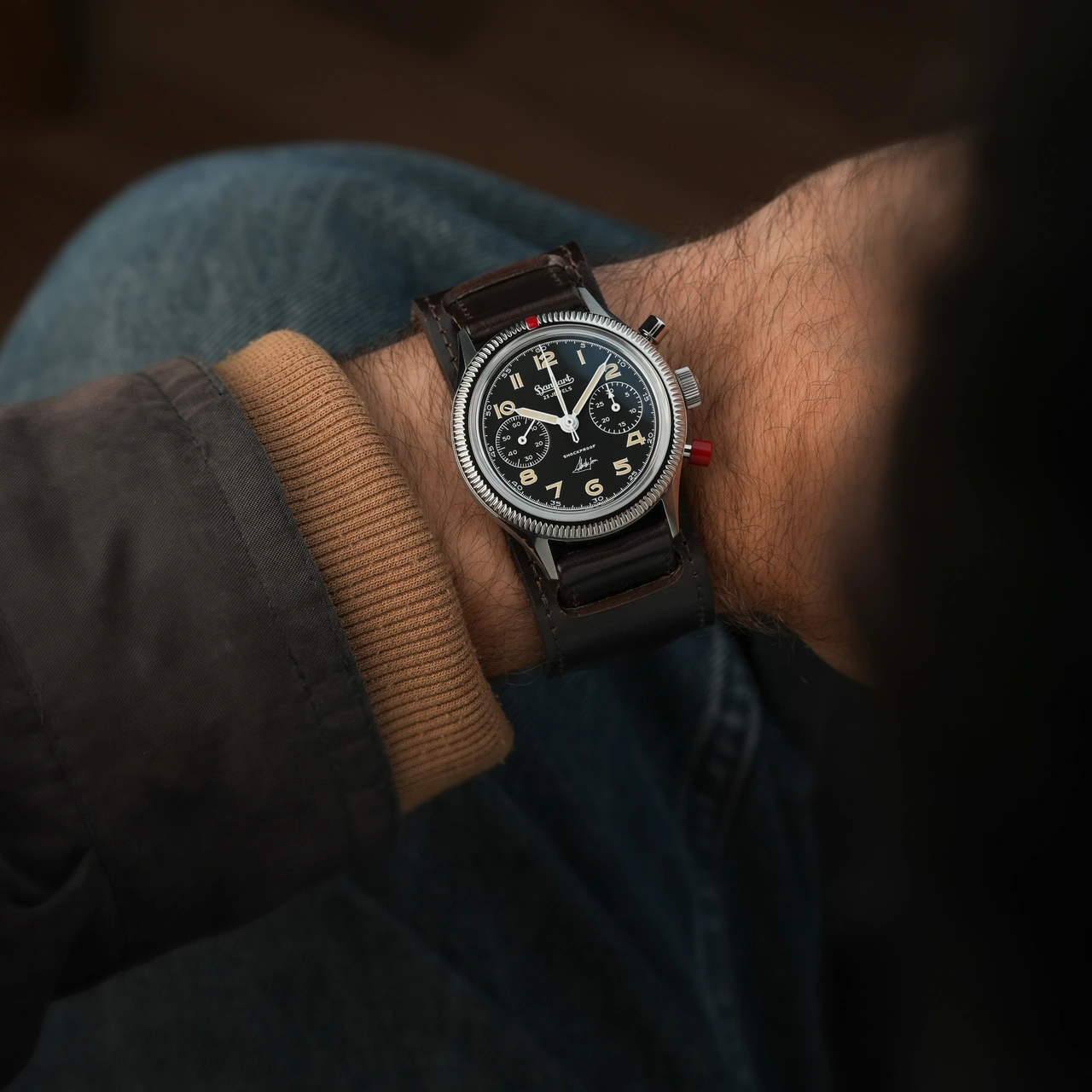
Pushers on chronographs add another layer of complexity. Each pusher requires its own sealing system, capable of maintaining water resistance even under repeated use. Some manufacturers recommend avoiding pusher operation underwater altogether, while others engineer systems that allow safe operation at depth. These designs demand exceptionally tight tolerances, as even microscopic inconsistencies can become failure points under pressure.
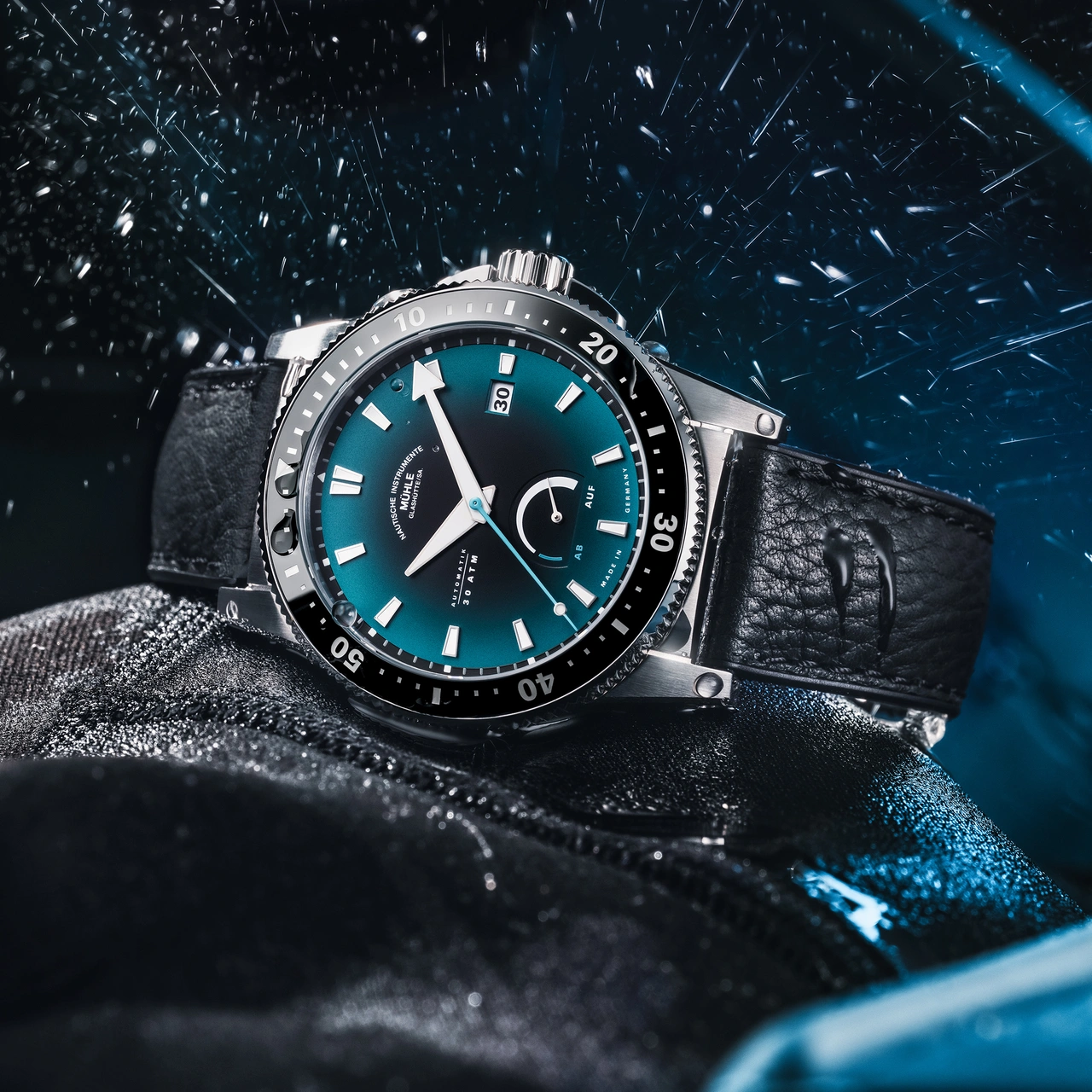
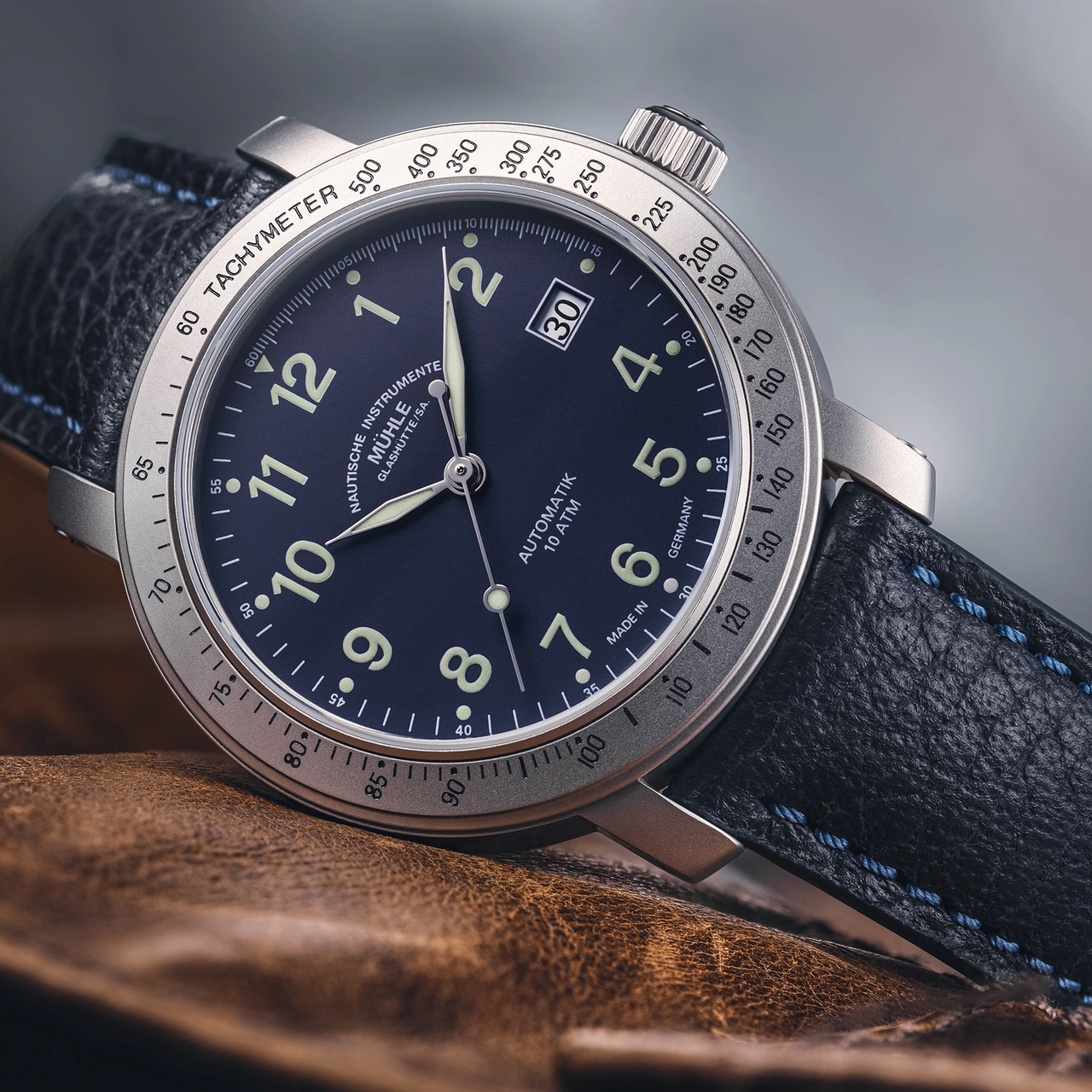
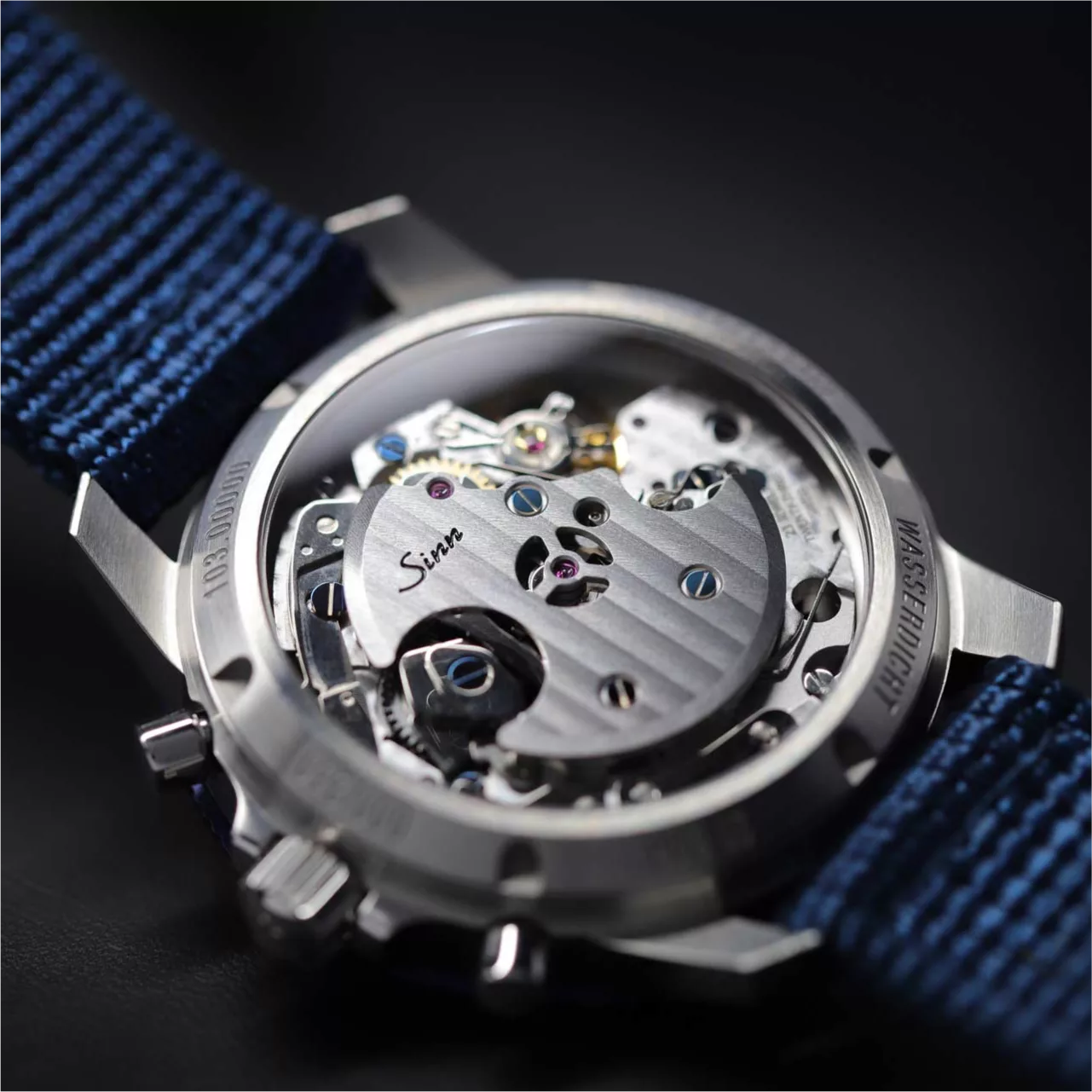
Crystals and case backs are equally critical. Sapphire crystals are typically press-fitted or bonded into the case using gaskets that allow for slight flex under pressure. Case backs may be screw-down, bayonet-mounted, or secured with multiple screws, each approach offering different advantages. A screw-down case back, commonly found on Sinn and Mühle-Glashütte watches, allows for even gasket compression and improved long-term reliability.

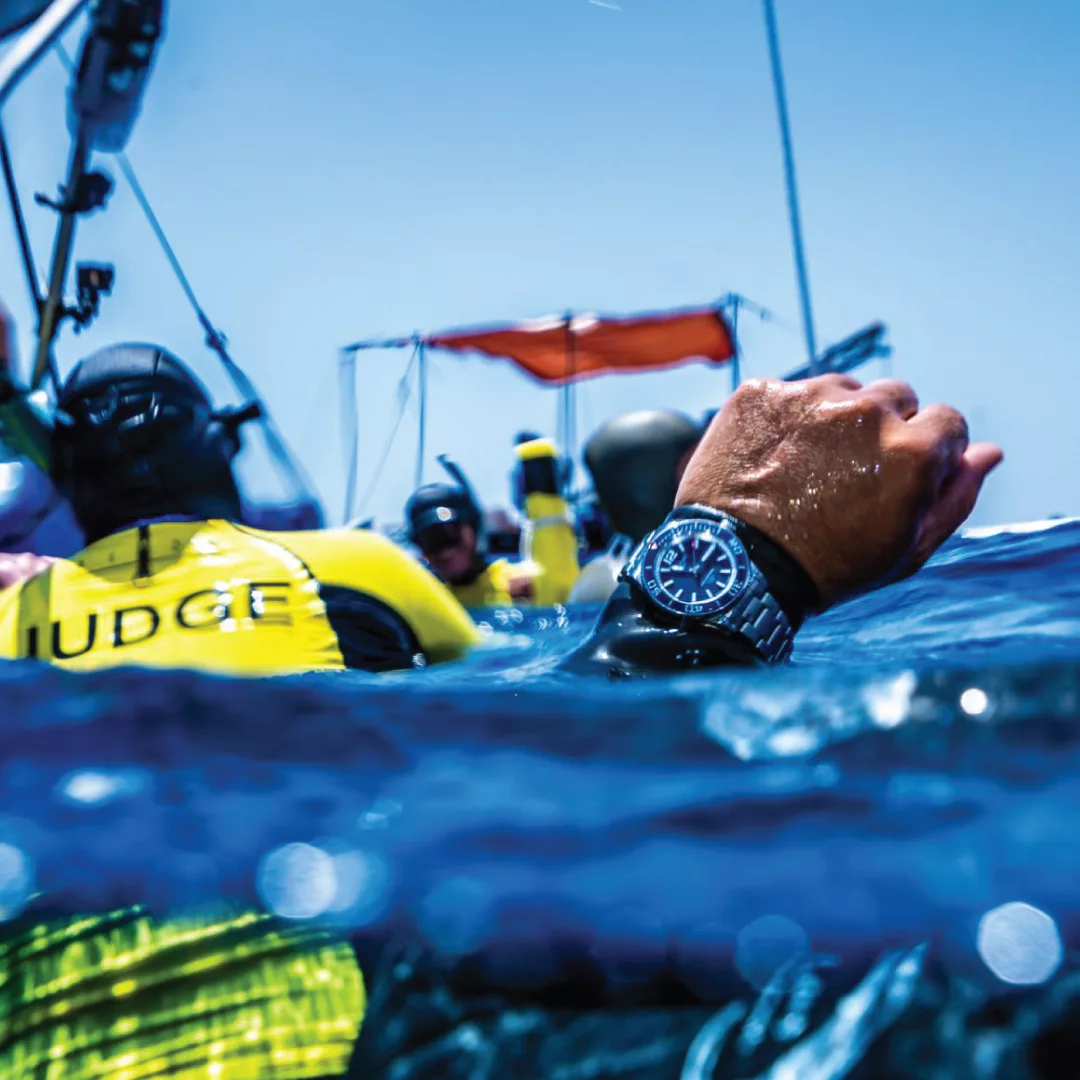
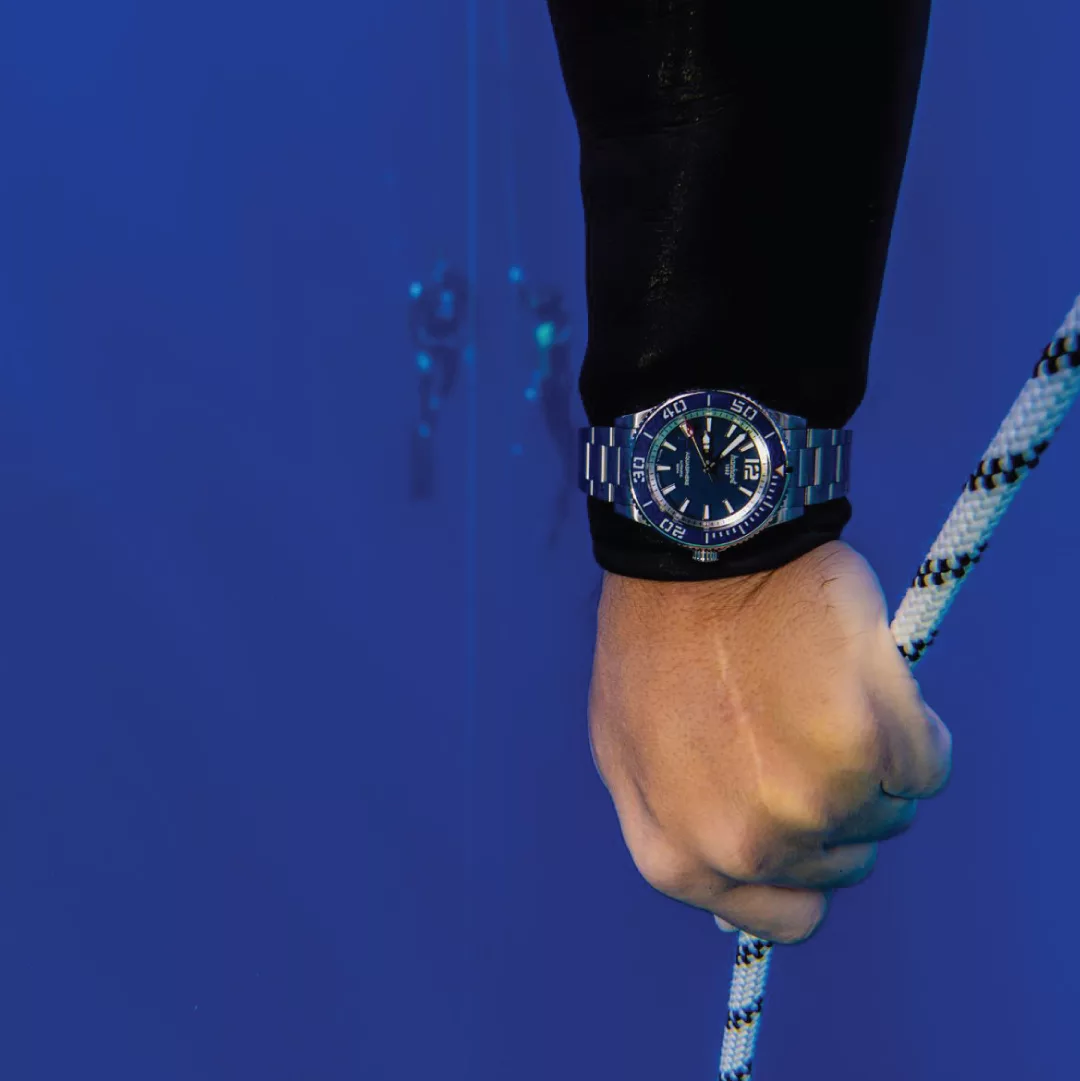
Water resistance ratings themselves are often misunderstood. A marking of 100 metres does not mean a watch is suitable for diving to that depth. These figures are based on static pressure tests, not the dynamic pressures created by swimming or sudden movement. Standards such as ISO 22810 define how everyday water-resistant watches are tested, while ISO 6425 governs true dive watches, including requirements for legibility, condensation testing, and safety margins.
Testing is where theory meets reality. Modern manufacturers use both dry and wet testing methods. Dry testing measures case deformation under air pressure, detecting minute changes that indicate potential leaks. Wet testing involves pressurising the watch in air, then immersing it in water to observe escaping bubbles. Brands like Mühle-Glashütte are known for combining these methods to ensure consistency without exposing movements unnecessarily.

Sinn takes water resistance further by addressing environmental factors that degrade seals over time. Their use of inert gas filling and moisture-absorbing capsules reduces internal humidity, slowing gasket ageing and preventing fogging. These measures do not increase the depth rating itself, but they significantly enhance real-world reliability, particularly in changing temperatures or humid conditions.
Maintenance remains an essential part of the equation. Gaskets are consumable components, affected by ultraviolet light, chemicals, and mechanical wear. Even the most precisely engineered watch will lose water resistance if seals are not replaced periodically. Regular pressure testing, especially after servicing or accidental impacts, is the only way to be certain a watch remains protected.

Understanding water resistance is less about chasing higher numbers and more about appreciating the engineering discipline behind them. From gasket materials to testing protocols, every detail reflects a commitment to durability and precision. When done properly, water resistance becomes an expression of thoughtful watchmaking, quietly protecting the movement while the wearer focuses on time itself.