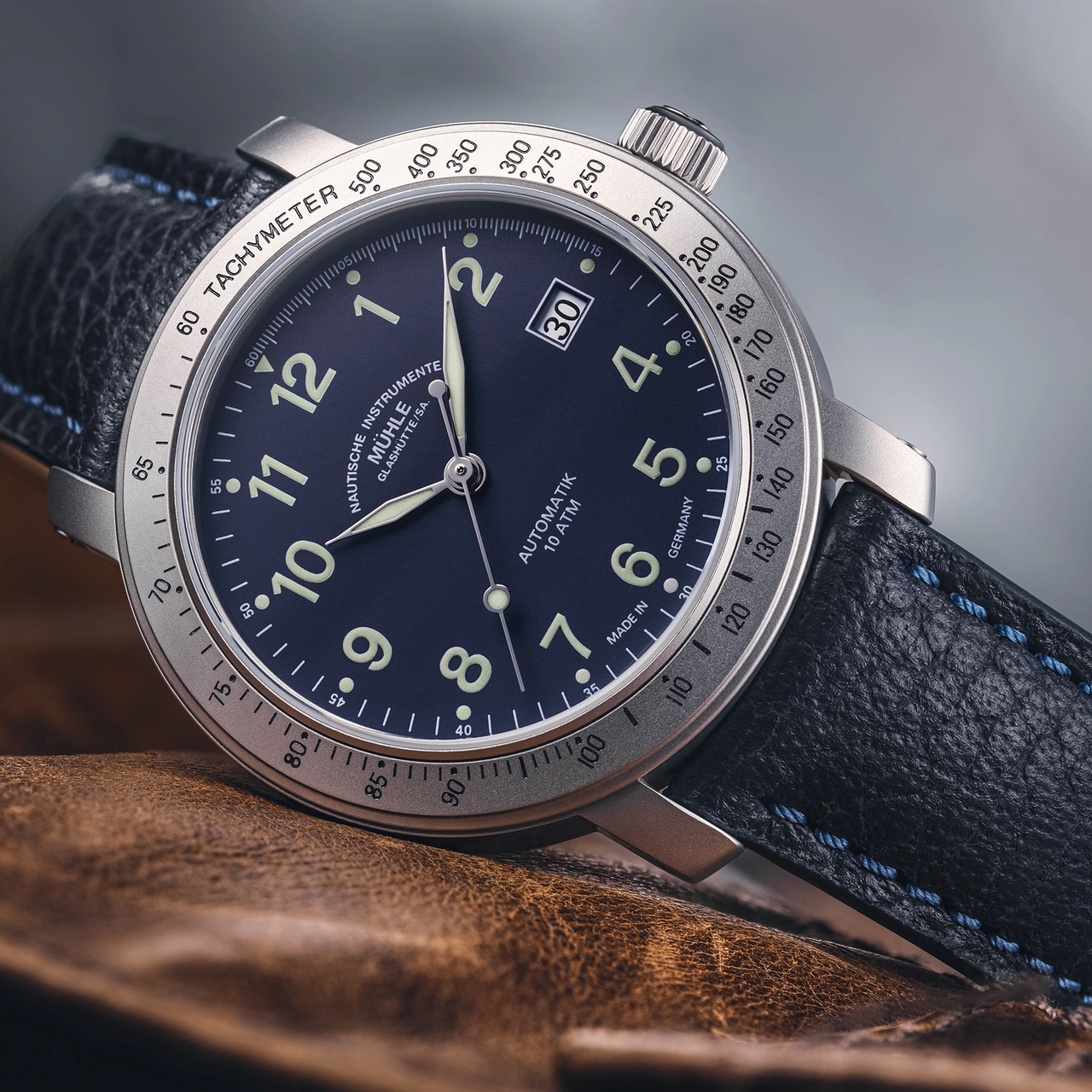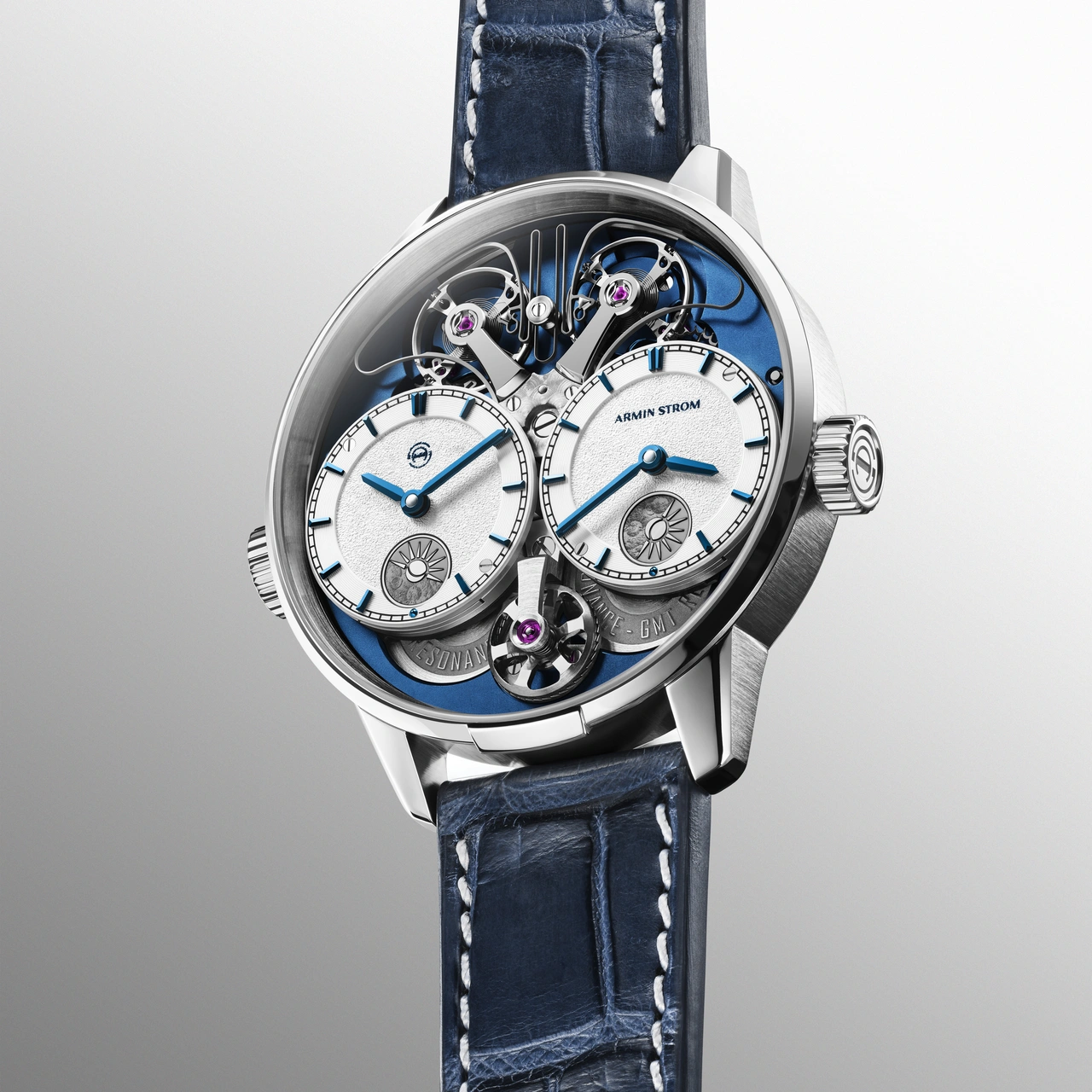
Few moments test a mechanical watch more honestly than an unexpected knock. A watch slipping from a bedside table or striking a door frame is enough to make any owner wince. Yet more often than not, the watch continues to run as if nothing happened. The reason is not luck, but carefully engineered shock resistance built into the very heart of the movement.
Mechanical watches are, by nature, delicate machines. The balance wheel oscillates back and forth thousands of times per hour, supported by a staff that pivots in jewels thinner than a human hair. When a watch is dropped, inertia acts instantly on these tiny components. The balance staff wants to keep moving even as the case stops abruptly, and without protection, that sudden force can snap the pivots. It is this vulnerability that led to the development of modern anti-shock systems.
Rather than holding the balance jewel rigidly in place, contemporary anti-shock designs mount it within a spring-loaded setting that allows a small amount of controlled movement. When the watch receives an impact, the jewel and its setting can shift fractionally in both axial and lateral directions. This movement absorbs and disperses energy before returning precisely to position.
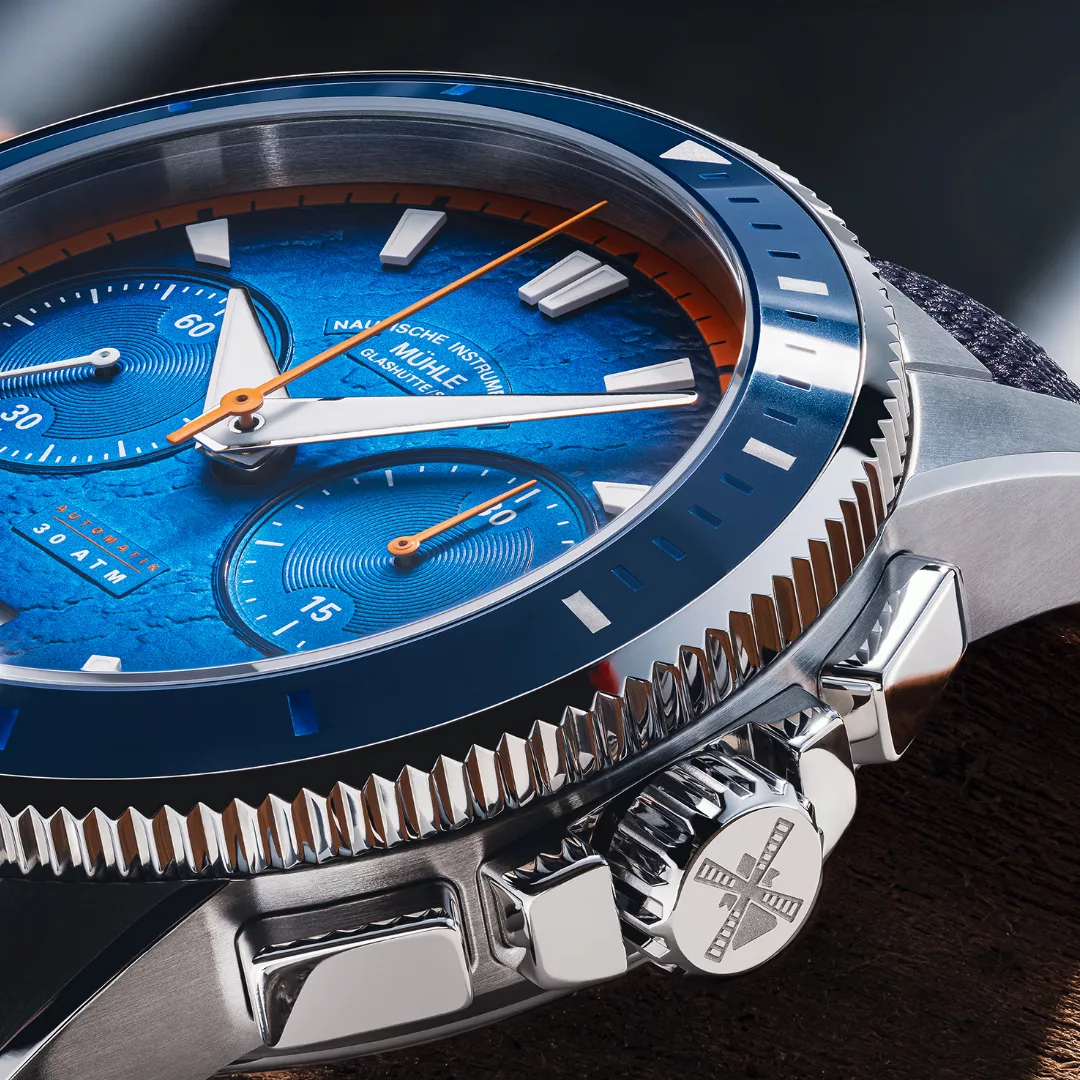
This elastic suspension is made possible by a finely tensioned spring that secures the jewel setting while still allowing micro-movement under load. Under impact, the spring flexes momentarily, protecting the delicate pivots from bearing the full force of the blow. Once the force dissipates, the spring guides everything back into alignment, preserving amplitude and positional accuracy. At a microscopic scale, it is applied physics in its purest form.
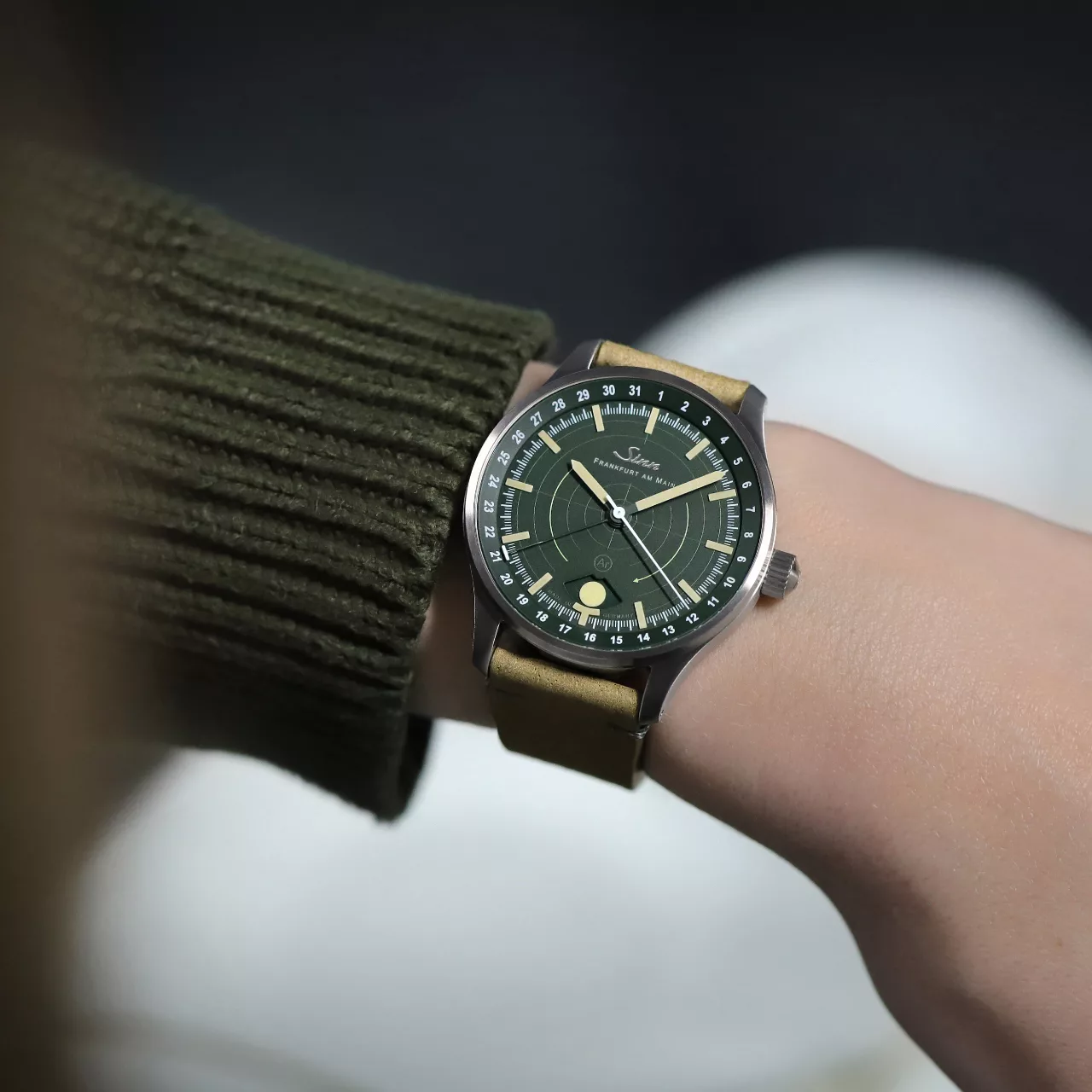
Independent manufacturers have long taken durability seriously, particularly those rooted in German engineering culture. The engineers at Sinn approach resilience from a broader systems perspective, considering not only shock but friction, lubrication stability, and long-term reliability. Their philosophy acknowledges that impact protection is only part of the equation. Maintaining consistent performance after that impact is equally important.

Sinn’s DIAPAL technology is often discussed in the context of lubrication-free escapement components. While not a shock absorber in the traditional sense, it contributes to resilience in a different way. Conventional lubricants can degrade or migrate after repeated impacts and temperature fluctuations, affecting friction at critical contact points. By pairing specially selected materials that reduce or eliminate the need for oil in key areas, DIAPAL helps ensure stable amplitude and consistent timekeeping even after physical stress.
Shock resistance is also influenced by mass distribution and case construction. The way energy travels through a watch depends on the rigidity of its materials and the geometry of its case. Hardened steels and specialised alloys resist deformation and reduce the transmission of peak forces into the movement. Brands such as Damasko have built reputations around precisely this kind of structural engineering, where the case itself acts as the first line of defence.
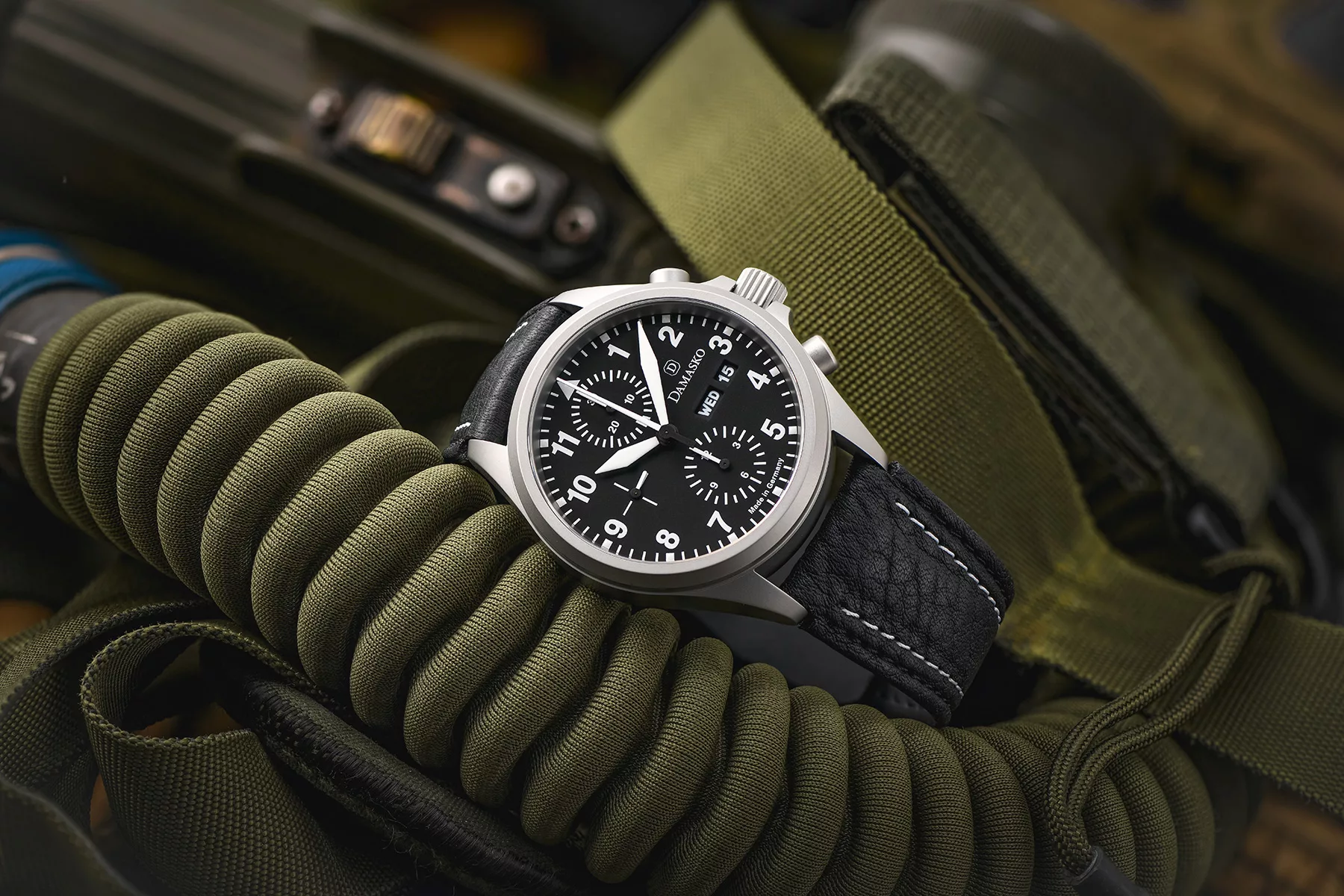
Standards have evolved to quantify resilience in measurable terms. The DIN 8308 standard in Germany defines shock resistance testing for wristwatches, simulating impacts equivalent to a fall from one metre onto a hardwood surface. During testing, a pendulum strikes the watch, and the change in rate is measured before and after impact. A compliant watch must continue functioning within defined tolerances. What sounds like a simple drop test is in fact a carefully controlled measurement of how well physics has been managed inside the movement.
Even so, no mechanical watch is immune to extreme force. Severe impacts can still damage wheels, disturb end-shake tolerances, or compromise the regulating system. The goal is not indestructibility, but survivability. The balance must continue oscillating, the pivots must remain intact, and the escapement must resume its rhythm without lasting distortion.
There is something quietly reassuring in this layered approach to protection. Springs flex, jewels shift, hardened steel resists deformation, and friction remains stable despite vibration. Each element works in concert to preserve the integrity of timekeeping. The result is a watch that absorbs life’s incidental knocks without complaint, continuing to mark the passing seconds with steady confidence.
For those who value independent watchmaking, shock resistance is more than a specification. It reflects a practical understanding that a watch is meant to be worn, used, and occasionally knocked against the world around it. Precision survives not by chance, but by thoughtful engineering. When a watch carries on after the unexpected, it is a reminder that resilience and refinement can exist within the same finely tuned mechanism.